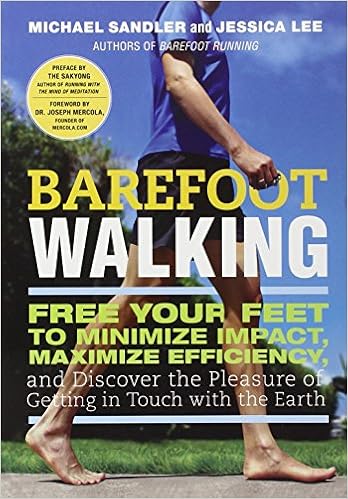
EFFECTS OF WALKING
Have you ever heard the saying by Hippocrates, "Walking is a man's best medicine?"
Walking combined with regular clean water intake, good sleep and a healthy diet can help you avoid the doctor's clinic altogether.
As little as 15 to 30 minutes of walking every day can drastically improve not only a person's overall appearance, but health as well.
Good old walking habit is a single practice which could significantly benefit the whole human body and mind. It is free, easy and require only little efforts.
Here is a list of benefits you can literally walk yourself into:
Benefit #1. Positive Brain Changes
As a study reveals, low impact aerobic exercises, like walking, prevent the risk of Alzheimer's disease, and improve overall mental health.
Not to mention reducing mental stress and maintaining a higher level of endorphins. When you exercise, your body releases chemicals called endorphins. These endorphins interact with the receptors in your brain that reduce your perception of pain. Endorphins also trigger a positive feeling in the body, similar to that of morphine. Endorphins is a group of hormones secreted within the brain and nervous system and having a number of physiological functions. They are peptides which activate the body's opiate receptors, causing an analgesic effect.
Benefit # 2. Improved Eyesight
Even though eyes might seem like the last organ to be connected with the legs, walking actually benefits their health too. Try barefoot walking. It may even help to fight glaucoma by relieving eye pressure.
Benefit # 3. Prevention Of Heart Diseases
According to the American Heart Association (AHA), walking is no less effective than running when it comes to the prevention of heart-related disease or stroke.
This walking activity helps avoid heart problems by lowering high blood pressure and cholesterol levels and improving your blood circulation.
Benefit # 4. Increased Lung Volume
Walking is an aerobic exercise which increases oxygen flow in the bloodstream and helps train your lungs, as well as eliminate toxins and waste.
Because of better and deeper breathing some symptoms associated with lung disease may also be relieved.
Benefit #5. Beneficial Effects On The Pancreas
It might be hard to believe but walking for exercise turns out to be a much more effective tool in preventing diabetes than running.
This research shows that a group of "walkers" demonstrated improvement in glucose tolerance almost 6 times greater (i.e. how well blood sugar is absorbed by cells) than that of a group of "runners," over a 6 month trial period.
Benefit # 6. Improved Digestion
10 minutes of walking every day could not only lower the risk of colon cancer in the future but improve our digestion and constipation by helping to regulate our bowel movements.
Benefit #7. Toned Muscles
Muscle tone and weight loss (in overweight cases) may also be achieved through walking. The practice of walking 10,000 steps a day may be counted as an actual workout in a gym, especially if you add some intervals or walking uphill.
Additionally, it's low impact and there's no recovery time, which means no sore muscles and regrets for missing tomorrow's workout due to being too sore the next day.
Benefit # 8. Sturdier Bones And Joints
Walking can provide more joint mobility, prevent loss of bone mass, and even reduce risk of fractures. The Arthritis Foundation recommends walking moderately at least 30 minutes a day on a regular basis to reduce pain in your joints, along with stiffness and inflammation. You can drink some water before , during and after the walk.
Benefit # 9. Back Pain Relief
Walking may become a real life-saver for those people who experience back pain during more challenging high-impact exercises.
Since walking is a low-impact activity it won't cause more pain or discomfort, like running or HIT would. High Impact Training (HIT).Walking contributes to better blood circulation within the spinal structures and improves posture and flexibility which is vital for a healthy spine.
Benefit # 10. A Calmer Mind (if it was an organ, to be sure)
If walking improves depression symptoms in patients with major depression disorders, just imagine how easily it could help people cope with feeling down or exhausted.
And a joyful walk with a friend or family member will only multiply the happy-effect and improve your mood!
Walking can be an ideal low-impact exercise. Get the most from your walking routine.
This low-impact exercise prevents loss of bone density, thereby reducing the risk of osteoporosis, fracture, and injury. Since bones determine our framework, stronger and healthier bones help to improve posture, stamina, and balance . Walking can also prevent arthritis and reduce the accompanying pain.
That's because regular walking can help improve your body's response to insulin, which can help reduce belly fat. Walking every day is one of the most effective low-impact ways to mobilize fat and positively alter body
Slash Your Risk of Heart Disease, Cancer, Osteoporosis, and More. One study found that walking for two miles a day or more can cut your chances of hospitalization from a severe episode of chronic obstructive pulmonary disease (COPD) by about half.
When sedentary people started 20-30 minutes of low-impact exercise, several times a week, that they had more energy and less fatigue. Walking will increase the blood flow to their muscles and their brain, increasing their energy levels and help them feel better.
The next time you have a check-up, don't be surprised if your doctor hands you a prescription to walk. Yes, this simple activity that you've been doing since you were about a year old is now being touted as "the closest thing we have to a wonder drug," in the words of Dr. Thomas Frieden, director of the Centers for Disease Control and Prevention.
Of course, you probably know that any physical activity, including walking, is a boon to your overall health. But walking in particular comes with a host of benefits. Here's a list of five that may surprise you.
1. It counteracts the effects of weight-promoting genes. Harvard researchers looked at 32 obesity-promoting genes in over 12,000 people to determine how much these genes actually contribute to body weight. They then discovered that, among the study participants who walked briskly for about an hour a day, the effects of those genes were cut in half.
2. It helps tame a sweet tooth. A pair of studies from the University of Exeter found that a 15-minute walk can curb cravings for chocolate and even reduce the amount of chocolate you eat in stressful situations. And the latest research confirms that walking can reduce cravings and intake of a variety of sugary snacks.
3. It reduces the risk of developing breast cancer. Researchers already know that any kind of physical activity blunts the risk of breast cancer. But an American Cancer Society study that zeroed in on walking found that women who walked seven or more hours a week had a 14% lower risk of breast cancer than those who walked three hours or fewer per week. And walking provided this protection even for the women with breast cancer risk factors, such as being overweight or using supplemental hormones.
4. It eases joint pain. Several studies have found that walking reduces arthritis-related pain, and that walking five to six miles a week can even prevent arthritis from forming in the first place. Walking protects the joints — especially the knees and hips, which are most susceptible to osteoarthritis — by lubricating them and strengthening the muscles that support them.
5. It boosts immune function. Walking can help protect you during cold and flu season. A study of over 1,000 men and women found that those who walked at least 20 minutes a day, at least 5 days a week, had 43% fewer sick days than those who exercised once a week or less. And if they did get sick, it was for a shorter duration, and their symptoms were milder.
Have you ever heard the saying by Hippocrates, "Walking is a man's best medicine?"
Walking combined with regular clean water intake, good sleep and a healthy diet can help you avoid the doctor's clinic altogether.
As little as 15 to 30 minutes of walking every day can drastically improve not only a person's overall appearance, but health as well.
Good old walking habit is a single practice which could significantly benefit the whole human body and mind. It is free, easy and require only little efforts.
Here is a list of benefits you can literally walk yourself into:
Benefit #1. Positive Brain Changes
As a study reveals, low impact aerobic exercises, like walking, prevent the risk of Alzheimer's disease, and improve overall mental health.
Not to mention reducing mental stress and maintaining a higher level of endorphins. When you exercise, your body releases chemicals called endorphins. These endorphins interact with the receptors in your brain that reduce your perception of pain. Endorphins also trigger a positive feeling in the body, similar to that of morphine. Endorphins is a group of hormones secreted within the brain and nervous system and having a number of physiological functions. They are peptides which activate the body's opiate receptors, causing an analgesic effect.
Benefit # 2. Improved Eyesight
Even though eyes might seem like the last organ to be connected with the legs, walking actually benefits their health too. Try barefoot walking. It may even help to fight glaucoma by relieving eye pressure.
Benefit # 3. Prevention Of Heart Diseases
According to the American Heart Association (AHA), walking is no less effective than running when it comes to the prevention of heart-related disease or stroke.
This walking activity helps avoid heart problems by lowering high blood pressure and cholesterol levels and improving your blood circulation.
Benefit # 4. Increased Lung Volume
Walking is an aerobic exercise which increases oxygen flow in the bloodstream and helps train your lungs, as well as eliminate toxins and waste.
Because of better and deeper breathing some symptoms associated with lung disease may also be relieved.
Benefit #5. Beneficial Effects On The Pancreas
It might be hard to believe but walking for exercise turns out to be a much more effective tool in preventing diabetes than running.
This research shows that a group of "walkers" demonstrated improvement in glucose tolerance almost 6 times greater (i.e. how well blood sugar is absorbed by cells) than that of a group of "runners," over a 6 month trial period.
Benefit # 6. Improved Digestion
10 minutes of walking every day could not only lower the risk of colon cancer in the future but improve our digestion and constipation by helping to regulate our bowel movements.
Benefit #7. Toned Muscles
Muscle tone and weight loss (in overweight cases) may also be achieved through walking. The practice of walking 10,000 steps a day may be counted as an actual workout in a gym, especially if you add some intervals or walking uphill.
Additionally, it's low impact and there's no recovery time, which means no sore muscles and regrets for missing tomorrow's workout due to being too sore the next day.
Benefit # 8. Sturdier Bones And Joints
Walking can provide more joint mobility, prevent loss of bone mass, and even reduce risk of fractures. The Arthritis Foundation recommends walking moderately at least 30 minutes a day on a regular basis to reduce pain in your joints, along with stiffness and inflammation. You can drink some water before , during and after the walk.
Benefit # 9. Back Pain Relief
Walking may become a real life-saver for those people who experience back pain during more challenging high-impact exercises.
Since walking is a low-impact activity it won't cause more pain or discomfort, like running or HIT would. High Impact Training (HIT).Walking contributes to better blood circulation within the spinal structures and improves posture and flexibility which is vital for a healthy spine.
Benefit # 10. A Calmer Mind (if it was an organ, to be sure)
If walking improves depression symptoms in patients with major depression disorders, just imagine how easily it could help people cope with feeling down or exhausted.
And a joyful walk with a friend or family member will only multiply the happy-effect and improve your mood!
Walking can be an ideal low-impact exercise. Get the most from your walking routine.
This low-impact exercise prevents loss of bone density, thereby reducing the risk of osteoporosis, fracture, and injury. Since bones determine our framework, stronger and healthier bones help to improve posture, stamina, and balance . Walking can also prevent arthritis and reduce the accompanying pain.
That's because regular walking can help improve your body's response to insulin, which can help reduce belly fat. Walking every day is one of the most effective low-impact ways to mobilize fat and positively alter body
Slash Your Risk of Heart Disease, Cancer, Osteoporosis, and More. One study found that walking for two miles a day or more can cut your chances of hospitalization from a severe episode of chronic obstructive pulmonary disease (COPD) by about half.
When sedentary people started 20-30 minutes of low-impact exercise, several times a week, that they had more energy and less fatigue. Walking will increase the blood flow to their muscles and their brain, increasing their energy levels and help them feel better.
The next time you have a check-up, don't be surprised if your doctor hands you a prescription to walk. Yes, this simple activity that you've been doing since you were about a year old is now being touted as "the closest thing we have to a wonder drug," in the words of Dr. Thomas Frieden, director of the Centers for Disease Control and Prevention.
Of course, you probably know that any physical activity, including walking, is a boon to your overall health. But walking in particular comes with a host of benefits. Here's a list of five that may surprise you.
1. It counteracts the effects of weight-promoting genes. Harvard researchers looked at 32 obesity-promoting genes in over 12,000 people to determine how much these genes actually contribute to body weight. They then discovered that, among the study participants who walked briskly for about an hour a day, the effects of those genes were cut in half.
2. It helps tame a sweet tooth. A pair of studies from the University of Exeter found that a 15-minute walk can curb cravings for chocolate and even reduce the amount of chocolate you eat in stressful situations. And the latest research confirms that walking can reduce cravings and intake of a variety of sugary snacks.
3. It reduces the risk of developing breast cancer. Researchers already know that any kind of physical activity blunts the risk of breast cancer. But an American Cancer Society study that zeroed in on walking found that women who walked seven or more hours a week had a 14% lower risk of breast cancer than those who walked three hours or fewer per week. And walking provided this protection even for the women with breast cancer risk factors, such as being overweight or using supplemental hormones.
4. It eases joint pain. Several studies have found that walking reduces arthritis-related pain, and that walking five to six miles a week can even prevent arthritis from forming in the first place. Walking protects the joints — especially the knees and hips, which are most susceptible to osteoarthritis — by lubricating them and strengthening the muscles that support them.
5. It boosts immune function. Walking can help protect you during cold and flu season. A study of over 1,000 men and women found that those who walked at least 20 minutes a day, at least 5 days a week, had 43% fewer sick days than those who exercised once a week or less. And if they did get sick, it was for a shorter duration, and their symptoms were milder.