Amla aka goose berry juice is synonymous with "the magic potion" & "the juice of immortality", since time immemorial.

Its immense benefits simply cannot be ignored. Amla juice enhances the beauty of your skin and helps maintain proper body functions, increases immunity and strength of bones and aids weight loss.
This is not it. By the time you finish reading this article, you will be amazed by the host of benefits this humble fruit has to offer.
Scientific Name – Phyllanthus emblica
Family – Euphorbiaceae
Other Names – Amla (Hindi), Usiri Kaya (Telugu), Nellikkai (Tamil), Nelli (Malayalam), Avala (Marathi), and Amala (Bengali)
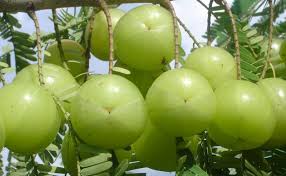
The Indian gooseberry, popularly referred to as amla, is known for its nutritional benefits. In India, this sour fruit, usually grown in the wet hilly areas in autumn, is used for many purposes — ranging from making pickles, chutneys, jams, and murabba to making a healthy juice out of it.
What makes amla juice so unique?
Amla juice is a healthy drink as it is a storehouse of vitamin C and other nutrients like iron, which provide an array of health and beauty benefits.
Now that you have a fair idea of the fruit, here’s a peek into the many benefits of the juice.
Amazing Ways In Which Amla Juice Can Help You
Health Benefits
Relieves Asthma And Bronchitis
Burns Fat
Relieves Constipation And Piles
Treats Gastric Disorders
Is A Blood Purifier
Can Improve Eyesight
Beneficial For The Heart
Controls Diabetes
Cooling Agent
Soothes Inflammation
Enhances Oral Health
Treatment Of Insomnia
Prevents Cancer
Improves Bone Health
Soothes Menstrual Cramps
Treats Infections
Is A Powerful Antioxidant
Skin Benefits
Lightens Complexion
Anti-aging Benefits
Treats Pigmentation
Tones And Tightens Skin
Treatment Of Acne And Pimple Scars
Exfoliates And Cleanses Skin
Exfoliates And Cleanses Skin
Hair Benefits
Strengthens Hair
Prevents Premature Graying
Treats Dandruff
Improves Pigmentation
Conditions Hair
Scalp Cleanser
Prevents Hair Problems
Health Benefits Of Amla Juice
Wondering why many people are replacing their morning coffee with a glass of amla juice? Well, after you are done reading its benefits, you are sure to realize the miracle that amla juice is.
Here’s why you should add amla juice to your diet.
1. Relieves Asthma And Bronchitis
If the weather wreaks havoc on your health, amla juice can be your savior.
Drinking a concoction of amla juice and honey twice a day can ease asthma and bronchitis complications. It also reduces the incidence of a chronic cough, allergic asthma, and tuberculosis.
2. Burns Fat
Want to lose those love handles before your best friend’s wedding? All you need to do is to have a glass of amla juice on a daily basis.
Amla juice can fight obesity by enhacing protein synthesis, which in turn helps burn unwanted fat. It has the ability to create a positive nitrogen balance and reduce cholesterol levels, thus minimizing the risk of heart attacks.

3. Relieves Constipation And Piles
Wondering how amla juice can affect your digestive tract?
This miraculous drink does wonders for your stomach. It can relieve many stomach-related disorders such as constipation caused by piles. It also regulates bowel movements and treats chronic constipation.
4. Helps In The Treatment Of Gastric Disorders
Amla juice can be a great remedy for gastric disorders and hyperchlorhydria (burning sensation in abdomen).
Besides being a good remedy for diarrhea and dysentery, it keeps your liver healthy. Amla juice is also effective in treating peptic ulcer and acidity. If you have acidity problems, having amla juice with pure ghee twice a day can help.
5. Is A Blood Purifier
Why spend thousands on stale detox drinks in the market when you can make your natural detoxifier right at home?
Amla juice acts as a blood purifier by flushing out toxins from the body. Regular intake of this juice purifies your blood as well as increases hemoglobin and red blood cell counts. This means you can bid goodbye to stubborn acne and other disorders.
6. Can Improve Eyesight
Regular intake of amla juice helps in improving eyesight and nearsightedness and controls the onset of cataracts. It also minimizes intraocular tension and counters problems like reddening, itching, and watering of eyes. Amazing, isn’t it?
7. Is Beneficial For The Heart
It is a known fact that stress and cholesterol affect your heart’s health.
Amla juice is a great remedy for heart problems as it makes the heart muscles strong, enabling the heart to pump blood easily.
8. Controls Diabetes
Have amla juice with turmeric powder and honey twice a day to control diabetes. The chromium present in amla helps control the blood sugar levels. It also stimulates the secretion of insulin.
9. Cooling Agent
When you are out in the sun, all you want is to grab some chilled juice to cool you down. But wait! Why not try amla juice that contains 20 times more vitamin C than orange juice? This vitamin improves the tannins that are required to shield heat and light.
Amla juice also controls body heat. It acts as a shield and protects you from the harmful UV rays.
10. Soothes Inflammation

The anti-inflammatory properties of amla juice help reduce the swelling of joints caused by arthritis. By reducing inflammation, it also protects and eases the tissues of the digestive tract.
11. Enhances Oral Health
Daily intake of amla juice strengthens your teeth and wards off bad breath, sparing you any embarrassment. Gargling amla juice with water can also provide relief from painful mouth ulcers .
12. Treats Insomnia
Are you a victim of sleeplessness? Is insomnia making you groggy in the mornings? Here’s what you should do.
Amla juice is an effective remedy for insomnia. Add a wee bit of coarse nutmeg powder to fresh amla juice. Having this can make you sleep well.
13. Prevents Cancer
Amla juice is rich in antioxidants, particularly superoxide dismutase (SOD), which inhibits the formation of free radicals. Thus, the regular intake of this juice helps prevent cancer. Isn’t that an inexpensive option to curb the scariest disease?
14. Improves Bone Health
With time, our bones become brittle and weak. Amla juice can make your bones healthier and stronger. Regular consumption of amla juice lowers osteoclasts, the cells that are responsible for breaking of bones.
15. Soothes Menstrual Cramps

It’s that time of the month when you try every remedy suggested by every other person – all because you don’t want to experience those cramps.
Sometimes, menstrual cramps don’t let you perform even the simplest of tasks. Try amla juice, which is known to relieve menstrual cramps due to the presence of a plethora of vitamins and minerals.
16. Treats Infections
The antibacterial and astringent qualities of amla juice can treat even severe infections .
Amla juice is rich in vitamin C that helps increase the number of WBCs in the body, which means better immunity.

White blood cells (WBCs), also called leukocytes or leucocytes, are the cells of the immune system that are involved in protecting the body against both infectious disease and foreign invaders. All white blood cells are produced and derived from multipotent cells in the bone marrow known as hematopoietic stem cells.
17. Is A Powerful Antioxidant
Amla juice is rich in minerals and vitamins such as carotene, phosphorus, calcium, iron, and vitamin B complex, and hence, is a powerful antioxidant. It protects your body from oxidative stress by eliminating free radicals. It fortifies the liver, strengthens the lungs, nourishes your brain, improves muscle tone, regulates your urinary system and balances stomach acids. In fact, according to Ayurveda, regular consumption of amla juice promotes longevity.
Skin Benefits Of Amla Juice
Amla juice is an elixir for your skin — it prevents acne and spots, and makes your skin glow like never before. Here’s how your skin can benefit from amla juice.
18. Lightens Complexion
The antioxidants and vitamin C present in amla juice brighten your skin and lend it a natural glow. Have amla juice with honey or apply it as a face pack for a lighter complexion and blemish-free skin.
19. Anti-aging Benefits
Who doesn’t want to look younger? Here’s how you can take years off your face.
Amla juice helps maintain the youthful look of your skin as it contains a lot of antioxidants. Vitamin C, in particular, keeps your skin young-looking for a longer time. Regular intake of amla juice delays the effects of premature aging such as fine lines, wrinkles, dark spots, etc.
20. Treats Pigmentation

Amla juice cleanses your skin and reduces pigmentation. Apply amla juice on your face with cotton and rinse off after a few minutes. Keep your eyes shut while doing so. Doing this regularly will lighten the marks and reduce pigmentation.
21. Tones And Tightens Skin
The decrease in the collagen causes your skin tissue to lose its firmness and softness, resulting in sagging skin. As stated earlier, amla juice is rich in vitamin C, which boosts the production of collagen cells in the skin. This makes your skin soft, supple and youthful. It also tones and tightens your skin.
22. Treatment Of Acne And Pimple Scars

Amla juice is perfect for the treatment of acne and pimple scars.
Applying a paste of amla for 10 to 15 minutes on the affected area will lighten the spots and reduce the occurrence of pimples. As a natural blood purifier, it fights the microorganisms in the skin, thus keeping skin infections, acne and pimples at bay. Hence, drinking amla juice can give you flawless skin.
23. Exfoliates And Cleanses Skin
It is a widely known fact that amla juice is an excellent cleanser whether ingested or applied topically.
Being a mild exfoliant, it helps remove the dead skin cells.
Note: If your skin is sensitive, dilute it with some water before applying.
24. Repairs Damaged Tissues
Amla juice has good healing properties due to the presence of vitamin C and other antioxidants, which can speed up the damaged tissue repair. It also combats the problem of dry and scaly skin .
Amla Juice Benefits For Hair
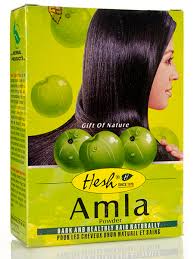
Amla has been considered a good hair tonic since ages. Women use a mix of amla and shikakai to get rid of many hair problems like premature graying, hair fall, and dandruff. But amla juice is even better. This list tells you why.
25. Strengthens Hair

Does your heart skip a beat at the sight of huge chunks of your hair going down the drain everytime you wash your hair? Try amla juice to stop this undesired hair fall.
Amla juice strengthens your hair follicles, thus encouraging hair growth . You can apply a mixture of amla and lemon juice on your scalp and leave it on for 20 to 30 minutes. Rinse off with warm water. This will strengthen your hair from the roots and gives it a shine.
26. Prevents Premature Graying
I always wonder why my mother’s hair is still dark and shiny, while my hair is already turning gray. Most youngster today find themselves in a similar situation. Stress and improper food habits are some of the factors that lead to premature graying.
Thankfully, amla juice is very beneficial for those suffering from premature graying of hair due to the presence of antioxidants and vitamin C .
27. Treats Dandruff

Did you know amla juice is an effective way to get rid of dandruff? The Vitamin C-rich juice prevents accumulation of dandruff on your scalp.
28. Improves Pigmentation
Most hair dyes contain amla powder. This is because this humble fruit helps fight pigmentation while making your hair darker and thicker. Amla juice is the best to treat hair discoloration and stop graying of hair.
29. Conditions Hair
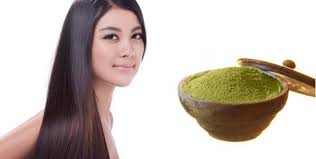
Amla juice acts as a great conditioner for dry and rough hair.
You can mix some amla juice with henna and apply it on your hair. This will counteract the drying nature of henna, making your hair look healthy. You can also use it as a hair wash to add extra shine and bounce.
30. Scalp Cleanser
If you are looking for an easy way to cleanse your scalp without making it messy and unmanageable, amla juice is the answer.
Add a few drops of amla juice to an egg, beat it and massage your hair with it. Amla juice will mask the smell of eggs and make your shiny and silky. It also cleans and nourishes your scalp (30).
31. Prevents Hair Problems
Besides strengthening your hair, amla juice also tackles several hair problems like hair loss, split ends and frizzy hair (31).
See, how many benefits drinking a glass of this juice can give you!
How To Prepare Amla Juice
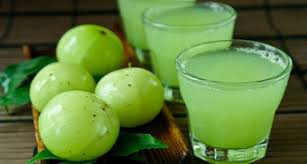
Today, amla juice is commercially available in medical stores, but there is nothing like homemade one right?
Here is a simple process to make amla juice at home.
What You Need
1 cup Amla (Indian Gooseberry), cut into pieces.
1 cup sugar.
A pinch of sea salt or Himalayan rock salt.
A pinch of cardamom powder (optional) for a glass of amla juice.
How To Make
1.Wash and dry the amlas and place them in a bowl.
2. Adding 1 ½ cups of water to the pressure cooker and place the bowl in it. Cover the pressure cooker with its lid and light the stove.
3. Switch off the stove after one whistle. Remove the bowl from the stove when there is no pressure in the cooker.
4. Now, gently touch the gooseberry to see if it has cooled down. Press the amla with your fingers and remove the seeds.
5. Grind sugar into a fine powder.
6. Grind the amla pieces. If you find it difficult to grind them, add some sugar powder and then grind them.
7. To prepare the amla juice concentrate, mix the amla paste with sugar powder and salt. Place this concentrate in a freezer safe box and store it in the freezer.
8. Add 2 to 3 spoons of this concentrate to a glass of water whenever you require amla juice. You can add some cardamom powder and stir well.
Note:
1. Though it is usually sweetened by adding sugar, you can add a little jaggery or brown sugar, salt and pepper to the drink to get a different taste. You can also flavor it with a little cardamom powder.
2. Since amlas are slightly bitter in taste, you can initially cook them in water. This will make them soft and less bitter.
3. This juice concentrate can be stored in the freezer for 8 months or more. However, it changes color in course of time.
Preservation Of Amla Juice
To preserve amla juice, ensure that the quantity of the juice is equal to the capacity of the jar. For instance, 500 g of amla juice should be stored in a 500 g capacity glass or container. Add 2 tablespoons of sodium lactate and mix well. This juice can be preserved in the refrigerator for 8-10 months. Sodium lactate is easily available at a chemist or any store that sells food chemicals.
A Word Of Caution
Even though amla juice is natural if it’s made at home, consuming it in certain conditions can actually backfire. Take a look:
~Never have it on an empty stomach as it can trigger hyperacidity which can be quite painful.
~Having amla juice more than twice a day can harden the stools, causing constipation.
~If you are diabetic, consult your doctor before you drink amla juice. It is known to lower the blood sugar levels, which can actually interfere with your medication.
~You should always check for allergies before having amla juice.
~Having more than the recommended quantity can leave you dehydrated due to excessive loss of water from the body.
~Having it during pregnancy might make you uneasy. So, take your doctor’s advice before consuming amla juice.
~It is not advisable for small kids to consume amla juice more than necessary, as it may cause diarrhea.
Takeaway: Amla juice can help you get rid of many health disorders like gastritis, asthma, piles, obesity, insomnia, and bad breath. It also helps provide smooth, acne-free skin. Amla juice can be called elixir for hair as it tackles hair fall, dandruff, premature graying, pigmentation, and frizzy unmanageable hair.
Now you know amla juice offers countless benefits for your skin, hair, and health by enriching your body with vital nutrients. So, what are you waiting for? TRY AMLA TODAY!
It’s time you gave your body its share of nourishment!
Do you know any other benefit of amla juice? Have you had an experience with this juice? Do let us know by commenting in the box below.
Stay healthy!
Its immense benefits simply cannot be ignored. Amla juice enhances the beauty of your skin and helps maintain proper body functions, increases immunity and strength of bones and aids weight loss.
This is not it. By the time you finish reading this article, you will be amazed by the host of benefits this humble fruit has to offer.
Scientific Name – Phyllanthus emblica
Family – Euphorbiaceae
Other Names – Amla (Hindi), Usiri Kaya (Telugu), Nellikkai (Tamil), Nelli (Malayalam), Avala (Marathi), and Amala (Bengali)
The Indian gooseberry, popularly referred to as amla, is known for its nutritional benefits. In India, this sour fruit, usually grown in the wet hilly areas in autumn, is used for many purposes — ranging from making pickles, chutneys, jams, and murabba to making a healthy juice out of it.
What makes amla juice so unique?
Amla juice is a healthy drink as it is a storehouse of vitamin C and other nutrients like iron, which provide an array of health and beauty benefits.
Now that you have a fair idea of the fruit, here’s a peek into the many benefits of the juice.
Amazing Ways In Which Amla Juice Can Help You
Health Benefits
Relieves Asthma And Bronchitis
Burns Fat
Relieves Constipation And Piles
Treats Gastric Disorders
Is A Blood Purifier
Can Improve Eyesight
Beneficial For The Heart
Controls Diabetes
Cooling Agent
Soothes Inflammation
Enhances Oral Health
Treatment Of Insomnia
Prevents Cancer
Improves Bone Health
Soothes Menstrual Cramps
Treats Infections
Is A Powerful Antioxidant
Skin Benefits
Lightens Complexion
Anti-aging Benefits
Treats Pigmentation
Tones And Tightens Skin
Treatment Of Acne And Pimple Scars
Exfoliates And Cleanses Skin
Exfoliates And Cleanses Skin
Hair Benefits
Strengthens Hair
Prevents Premature Graying
Treats Dandruff
Improves Pigmentation
Conditions Hair
Scalp Cleanser
Prevents Hair Problems
Health Benefits Of Amla Juice
Wondering why many people are replacing their morning coffee with a glass of amla juice? Well, after you are done reading its benefits, you are sure to realize the miracle that amla juice is.
Here’s why you should add amla juice to your diet.
1. Relieves Asthma And Bronchitis
If the weather wreaks havoc on your health, amla juice can be your savior.
Drinking a concoction of amla juice and honey twice a day can ease asthma and bronchitis complications. It also reduces the incidence of a chronic cough, allergic asthma, and tuberculosis.
2. Burns Fat
Want to lose those love handles before your best friend’s wedding? All you need to do is to have a glass of amla juice on a daily basis.
Amla juice can fight obesity by enhacing protein synthesis, which in turn helps burn unwanted fat. It has the ability to create a positive nitrogen balance and reduce cholesterol levels, thus minimizing the risk of heart attacks.
3. Relieves Constipation And Piles
Wondering how amla juice can affect your digestive tract?
This miraculous drink does wonders for your stomach. It can relieve many stomach-related disorders such as constipation caused by piles. It also regulates bowel movements and treats chronic constipation.
4. Helps In The Treatment Of Gastric Disorders
Amla juice can be a great remedy for gastric disorders and hyperchlorhydria (burning sensation in abdomen).
Besides being a good remedy for diarrhea and dysentery, it keeps your liver healthy. Amla juice is also effective in treating peptic ulcer and acidity. If you have acidity problems, having amla juice with pure ghee twice a day can help.
5. Is A Blood Purifier
Why spend thousands on stale detox drinks in the market when you can make your natural detoxifier right at home?
Amla juice acts as a blood purifier by flushing out toxins from the body. Regular intake of this juice purifies your blood as well as increases hemoglobin and red blood cell counts. This means you can bid goodbye to stubborn acne and other disorders.
6. Can Improve Eyesight
Regular intake of amla juice helps in improving eyesight and nearsightedness and controls the onset of cataracts. It also minimizes intraocular tension and counters problems like reddening, itching, and watering of eyes. Amazing, isn’t it?
7. Is Beneficial For The Heart
It is a known fact that stress and cholesterol affect your heart’s health.
Amla juice is a great remedy for heart problems as it makes the heart muscles strong, enabling the heart to pump blood easily.
8. Controls Diabetes
Have amla juice with turmeric powder and honey twice a day to control diabetes. The chromium present in amla helps control the blood sugar levels. It also stimulates the secretion of insulin.
9. Cooling Agent
When you are out in the sun, all you want is to grab some chilled juice to cool you down. But wait! Why not try amla juice that contains 20 times more vitamin C than orange juice? This vitamin improves the tannins that are required to shield heat and light.
Amla juice also controls body heat. It acts as a shield and protects you from the harmful UV rays.
10. Soothes Inflammation
The anti-inflammatory properties of amla juice help reduce the swelling of joints caused by arthritis. By reducing inflammation, it also protects and eases the tissues of the digestive tract.
11. Enhances Oral Health
Daily intake of amla juice strengthens your teeth and wards off bad breath, sparing you any embarrassment. Gargling amla juice with water can also provide relief from painful mouth ulcers .
12. Treats Insomnia
Are you a victim of sleeplessness? Is insomnia making you groggy in the mornings? Here’s what you should do.
Amla juice is an effective remedy for insomnia. Add a wee bit of coarse nutmeg powder to fresh amla juice. Having this can make you sleep well.
13. Prevents Cancer
Amla juice is rich in antioxidants, particularly superoxide dismutase (SOD), which inhibits the formation of free radicals. Thus, the regular intake of this juice helps prevent cancer. Isn’t that an inexpensive option to curb the scariest disease?
14. Improves Bone Health
With time, our bones become brittle and weak. Amla juice can make your bones healthier and stronger. Regular consumption of amla juice lowers osteoclasts, the cells that are responsible for breaking of bones.
15. Soothes Menstrual Cramps
It’s that time of the month when you try every remedy suggested by every other person – all because you don’t want to experience those cramps.
Sometimes, menstrual cramps don’t let you perform even the simplest of tasks. Try amla juice, which is known to relieve menstrual cramps due to the presence of a plethora of vitamins and minerals.
16. Treats Infections
The antibacterial and astringent qualities of amla juice can treat even severe infections .
Amla juice is rich in vitamin C that helps increase the number of WBCs in the body, which means better immunity.
White blood cells (WBCs), also called leukocytes or leucocytes, are the cells of the immune system that are involved in protecting the body against both infectious disease and foreign invaders. All white blood cells are produced and derived from multipotent cells in the bone marrow known as hematopoietic stem cells.
17. Is A Powerful Antioxidant
Amla juice is rich in minerals and vitamins such as carotene, phosphorus, calcium, iron, and vitamin B complex, and hence, is a powerful antioxidant. It protects your body from oxidative stress by eliminating free radicals. It fortifies the liver, strengthens the lungs, nourishes your brain, improves muscle tone, regulates your urinary system and balances stomach acids. In fact, according to Ayurveda, regular consumption of amla juice promotes longevity.
Skin Benefits Of Amla Juice
Amla juice is an elixir for your skin — it prevents acne and spots, and makes your skin glow like never before. Here’s how your skin can benefit from amla juice.
18. Lightens Complexion
The antioxidants and vitamin C present in amla juice brighten your skin and lend it a natural glow. Have amla juice with honey or apply it as a face pack for a lighter complexion and blemish-free skin.
19. Anti-aging Benefits
Who doesn’t want to look younger? Here’s how you can take years off your face.
Amla juice helps maintain the youthful look of your skin as it contains a lot of antioxidants. Vitamin C, in particular, keeps your skin young-looking for a longer time. Regular intake of amla juice delays the effects of premature aging such as fine lines, wrinkles, dark spots, etc.
20. Treats Pigmentation
Amla juice cleanses your skin and reduces pigmentation. Apply amla juice on your face with cotton and rinse off after a few minutes. Keep your eyes shut while doing so. Doing this regularly will lighten the marks and reduce pigmentation.
21. Tones And Tightens Skin
The decrease in the collagen causes your skin tissue to lose its firmness and softness, resulting in sagging skin. As stated earlier, amla juice is rich in vitamin C, which boosts the production of collagen cells in the skin. This makes your skin soft, supple and youthful. It also tones and tightens your skin.
22. Treatment Of Acne And Pimple Scars
Amla juice is perfect for the treatment of acne and pimple scars.
Applying a paste of amla for 10 to 15 minutes on the affected area will lighten the spots and reduce the occurrence of pimples. As a natural blood purifier, it fights the microorganisms in the skin, thus keeping skin infections, acne and pimples at bay. Hence, drinking amla juice can give you flawless skin.
23. Exfoliates And Cleanses Skin
It is a widely known fact that amla juice is an excellent cleanser whether ingested or applied topically.
Being a mild exfoliant, it helps remove the dead skin cells.
Note: If your skin is sensitive, dilute it with some water before applying.
24. Repairs Damaged Tissues
Amla juice has good healing properties due to the presence of vitamin C and other antioxidants, which can speed up the damaged tissue repair. It also combats the problem of dry and scaly skin .
Amla Juice Benefits For Hair
Amla has been considered a good hair tonic since ages. Women use a mix of amla and shikakai to get rid of many hair problems like premature graying, hair fall, and dandruff. But amla juice is even better. This list tells you why.
25. Strengthens Hair
Does your heart skip a beat at the sight of huge chunks of your hair going down the drain everytime you wash your hair? Try amla juice to stop this undesired hair fall.
Amla juice strengthens your hair follicles, thus encouraging hair growth . You can apply a mixture of amla and lemon juice on your scalp and leave it on for 20 to 30 minutes. Rinse off with warm water. This will strengthen your hair from the roots and gives it a shine.
26. Prevents Premature Graying
I always wonder why my mother’s hair is still dark and shiny, while my hair is already turning gray. Most youngster today find themselves in a similar situation. Stress and improper food habits are some of the factors that lead to premature graying.
Thankfully, amla juice is very beneficial for those suffering from premature graying of hair due to the presence of antioxidants and vitamin C .
27. Treats Dandruff
Did you know amla juice is an effective way to get rid of dandruff? The Vitamin C-rich juice prevents accumulation of dandruff on your scalp.
28. Improves Pigmentation
Most hair dyes contain amla powder. This is because this humble fruit helps fight pigmentation while making your hair darker and thicker. Amla juice is the best to treat hair discoloration and stop graying of hair.
29. Conditions Hair
Amla juice acts as a great conditioner for dry and rough hair.
You can mix some amla juice with henna and apply it on your hair. This will counteract the drying nature of henna, making your hair look healthy. You can also use it as a hair wash to add extra shine and bounce.
30. Scalp Cleanser
If you are looking for an easy way to cleanse your scalp without making it messy and unmanageable, amla juice is the answer.
Add a few drops of amla juice to an egg, beat it and massage your hair with it. Amla juice will mask the smell of eggs and make your shiny and silky. It also cleans and nourishes your scalp (30).
31. Prevents Hair Problems
Besides strengthening your hair, amla juice also tackles several hair problems like hair loss, split ends and frizzy hair (31).
See, how many benefits drinking a glass of this juice can give you!
How To Prepare Amla Juice
Today, amla juice is commercially available in medical stores, but there is nothing like homemade one right?
Here is a simple process to make amla juice at home.
What You Need
1 cup Amla (Indian Gooseberry), cut into pieces.
1 cup sugar.
A pinch of sea salt or Himalayan rock salt.
A pinch of cardamom powder (optional) for a glass of amla juice.
How To Make
1.Wash and dry the amlas and place them in a bowl.
2. Adding 1 ½ cups of water to the pressure cooker and place the bowl in it. Cover the pressure cooker with its lid and light the stove.
3. Switch off the stove after one whistle. Remove the bowl from the stove when there is no pressure in the cooker.
4. Now, gently touch the gooseberry to see if it has cooled down. Press the amla with your fingers and remove the seeds.
5. Grind sugar into a fine powder.
6. Grind the amla pieces. If you find it difficult to grind them, add some sugar powder and then grind them.
7. To prepare the amla juice concentrate, mix the amla paste with sugar powder and salt. Place this concentrate in a freezer safe box and store it in the freezer.
8. Add 2 to 3 spoons of this concentrate to a glass of water whenever you require amla juice. You can add some cardamom powder and stir well.
Note:
1. Though it is usually sweetened by adding sugar, you can add a little jaggery or brown sugar, salt and pepper to the drink to get a different taste. You can also flavor it with a little cardamom powder.
2. Since amlas are slightly bitter in taste, you can initially cook them in water. This will make them soft and less bitter.
3. This juice concentrate can be stored in the freezer for 8 months or more. However, it changes color in course of time.
Preservation Of Amla Juice
To preserve amla juice, ensure that the quantity of the juice is equal to the capacity of the jar. For instance, 500 g of amla juice should be stored in a 500 g capacity glass or container. Add 2 tablespoons of sodium lactate and mix well. This juice can be preserved in the refrigerator for 8-10 months. Sodium lactate is easily available at a chemist or any store that sells food chemicals.
A Word Of Caution
Even though amla juice is natural if it’s made at home, consuming it in certain conditions can actually backfire. Take a look:
~Never have it on an empty stomach as it can trigger hyperacidity which can be quite painful.
~Having amla juice more than twice a day can harden the stools, causing constipation.
~If you are diabetic, consult your doctor before you drink amla juice. It is known to lower the blood sugar levels, which can actually interfere with your medication.
~You should always check for allergies before having amla juice.
~Having more than the recommended quantity can leave you dehydrated due to excessive loss of water from the body.
~Having it during pregnancy might make you uneasy. So, take your doctor’s advice before consuming amla juice.
~It is not advisable for small kids to consume amla juice more than necessary, as it may cause diarrhea.
Takeaway: Amla juice can help you get rid of many health disorders like gastritis, asthma, piles, obesity, insomnia, and bad breath. It also helps provide smooth, acne-free skin. Amla juice can be called elixir for hair as it tackles hair fall, dandruff, premature graying, pigmentation, and frizzy unmanageable hair.
Now you know amla juice offers countless benefits for your skin, hair, and health by enriching your body with vital nutrients. So, what are you waiting for? TRY AMLA TODAY!
It’s time you gave your body its share of nourishment!
Do you know any other benefit of amla juice? Have you had an experience with this juice? Do let us know by commenting in the box below.
Stay healthy!


