Showing posts with label healthy. Show all posts

Wednesday, October 25, 2017

Infused Water Recipes for Healthy Skin and Anti-Aging

Recipe # 1. Very Berry Apple.

Why waste your time and money on products that promise healthy skin, but seldom work, when you could enjoy a delicious hydrating experience like that provided by this infused water recipe?

Ingredients│ Yields 1 liter infused water.

1 liter water
¼ cup raspberries, muddled
¼ cup blueberries, muddled
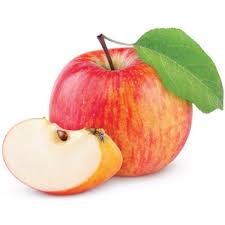
1 medium Fuji apple, peeled, cored, and chopped

1. Prepare a pitcher or water infuser product with 1 liter water.

2. Place the raspberries, blueberries, and apple inside the pitcher or water infuser's canister.

3. Allow mixture to steep in the refrigerator or a cool, dark place for 4-8 hours. For best flavor and health benefits, consume within 24-48 hours.

The Key Ingredients
The ingredients in this recipe#1 are  packed with phytochemicals that provides the human body and skin with restorative vitamins including vitamin C, minerals including calcium, potassium, and zinc, and an abundance of antioxidants. 

Image result for raspberries

Image result for blueberries,

Image result for Fuji apple


Sunday, August 20, 2017

Constipation: The Ever-Present Shadow

It is ironic that, despite widespread information about taking care of our exterior selves ─ keeping clean and staying healthy ー we give little though to the value of maintaining health and cleanliness on the inside. Many of us have childhood memories of enemas performed at home, though. There was radio but no television; everything we had was fresh, homemade, and handcrafted. 

  Our diet, of course, was clean and natural and very healthful. It was enriched with fresh cheese, curds, kefir(Kefir or kephir, alternatively milk kefir, or búlgaros, is a fermented milk drink that originated in the north Caucasus Mountains made with kefir "grains", a yeast/bacterial fermentation starter.), the obligatory juices (especially celery, carrot, and sauerkraut!), (Sauerkraut is finely cut cabbage that has been fermented by various lactic acid bacteria. It has a long shelf life and a distinctive sour flavor, both of which result from the lactic acid that forms when the bacteria ferment the sugars in the cabbage.), various pulses (Pulses include all beans, peas and lentils, such as:
~baked beans.
~red, green, yellow and brown lentils.
~chickpeas (chana or garbanzo beans)
~garden peas.
~black-eyed peas.
~runner beans.
~broad beans (fava beans)
~kidney beans, butter beans (Lima beans), haricots, cannellini beans, flageolet beans, pinto beans and borlotti beans.), honey, and recently baked homemade bread. 
The worst thing for me was the glass of raw milk I had to drink immediately after milking the cow; it tasted too "natural" to me. This is a good moments to begin to rediscover things natural and authentic and incorporate them into our modern lives. 

If the toilet or washbasin in your house is damaged, you naturally do not use it and you call a plumber. You wouldn't think of going into a toilet that was foul-smelling and full of stagnant water with thes excrement floating in it. What if no one comes to help you? 
Then you have to live in these extremely disagreeable conditions, knowing that you can't flush the toilet and eliminate the residues that have accumulated. Imagine you face when you are confronted with such a repulsive scene!

I am sure that in such a situation, you would react by throwing a bucket of water down the toilet (unless, that is, this merely raises the level of the stagnant "lake"), or else you would calling the 24-hour emergency services or asking for help from a friend. You's be dead right to do so!

If you try to apply this solution to your own body's blocked guts yourself, it won't work; you won't discharge the residues that have accumulated. You have to try to stimulate  them from above or from below, without waiting too many days. Agreed?  You just need to learn how to do it and what to use; each of us has his'her own digestive character and sensitivity to laxative remedies. 

Approximately 70 percent of my current consultations are with people who in addition to different health conditions are suffering from chronic constipation. It is such a common and stubborn complaint, and so difficult to treat, that one day I think I will get all my patients together and found a constipation club (I'll probably look for a more attractive and sophisticated name). Then my team would be able to work with groups to help more people with their therapies, good humor, and various exercises. Reeducating people about good hygiene and diet, accompanied by psychological support, will be important parts of this work. if this appeals, come and join us and help me organize it. 

Constipation is a personal, emotional, and social problem, as well as an economic one. Not only is it costly in terms of money spent on laxatives and visits to the doctor but also because of the serious consequences to health that chronic constipation brings, and the bodily toxemia it provokes. Only with a good diet and correct intestinal hygiene (I am referring to transit and microflora) can we prevent cancer of the colon. 

Constipation is a very familiar condition: the majority of us have suffered from constipation on at least one occasion. In fact, recent research has demonstrated that one in seven people suffer from constipation. As well as being a relatively common complaint, it has become a social taboo. Often I am the only witness of this illness, in spite of the fact that the person tells me he has a partner, family, and friends. 

We learn in childhood that the "stomach" can malfunction, and that if this happens you take a laxative. We all have memories of some constipated member of our family. 


Thursday, June 22, 2017

Why eat Custard Apples


ca

Benefits Of Custard Apple for Health:

1. Helps To Gain Weight:

Custard apple is an ideal snack and/or dessert for those who wish to put on some weight. A calorie-laden fruit, the sugars present in it make peps up the metabolic rate, thus, stimulating the appetite levels. The more your appetite is, the better the food intake will be. This, in turn, can help you gain weight.

2. For A Better Immune System:

Custard apples are excellent sources of the natural antioxidant Vitamin C. This vitamin is also renowned for its innate anti-inflammatory and immune boosting properties. Include just one serving of this creamy fruit in your daily diet for a better resistance against infectious agents. It scavenges harmful free radicals in the body, preventing the onset of various illnesses and diseases.

3. Replenish Your Energy Levels:

Custard apple is an excellent source of energy. It helps to fight exhaustion and eliminates muscle weakness.

4. Natural Anti-cancerous Properties:

The bark of custard apple contains astringent properties and tannins, which is utilized for making herbal supplements. These supplements help in the treatment of several types of cancer and tumors. The fruit contains compounds like acetogenin and alkaloids that reduce the risk of cancer and renal failure. It acts against cancer cells, without adversely affecting healthy cells. Antioxidants such as asimicin and bullatacin are also found to have anti-cancer and anti-helminthes properties. These antioxidants neutralize the effects of free radicals, preventing cancer. It also contains significant fiber, which protects the colon membrane by warding off toxic substance from the gut, reducing the risk of liver and colon risk. It also provides protection from breast cancer.

5. For Better Brain Health:

Custard apple is a good source of B complex vitamins, which controls the GABA neuron chemical levels in the brain. This helps to calm down stress, tension, irritability and depression. It also protects from Parkinson’s disease. 100 grams of custard apple contain 0.6 grams of vitamin B6, amounting to about 20% of the daily recommended value.

6. For A Strong Dental System:

The skin of custard apple is helpful for fighting against tooth and gum pain.

7. Keep Anemia Away With Custard Apple:

The high levels of iron in custard apple are very beneficial for curing anemia. The fruit is excellent in treating vomiting, gout and vitamin B6 deficiency.

8. For A Better Vision:

Custard apple contains riboflavin and vitamin C, which helps to combat free radical destruction. This helps in maintaining good eyesight.

9. Lower The Risk Of Arthritis:

The high amount of magnesium in custard apple equalizes the water balance in the body and removes acids from the joint, reducing the symptoms of rheumatism and arthritis. Regular consumption also helps to fight muscle weakness. Custard apple also contains a decent amount of calcium, which is vital for bone health.

10. For Better Cardiovascular Health:

The well-balanced ratio of sodium and potassium in custard apple regulates and controls blood pressure fluctuations in the body. The high levels of magnesium in custard apple unwinds the smooth muscles of the heart and calms the jerks and cramps, thus preventing heart attack and stroke. Niacin and fiber in custard apple lowers bad cholesterol and increases good cholesterol in the body. It also prevents the absorption of cholesterol in the gut. Custard apple also prevents the free radicals from attacking lipid, promoting heart health.

11. Thwarts Off Diabetes:

The fiber in custard apple slows down the absorption of sugar in the body, reducing the risk of Type two Diabetes.

12. For A Stronger Digestive System:

This delicious fruit is very effective for treating indigestion. It flushes out the toxins from the intestine, aiding in proper functioning of the bowels. It also prevents stomach related diseases like heartburn, ulcer, gastritis and acidity. Custard apple in its unripe form is further dried and crushed to treat diarrhea and dysentery. One medium sized custard apple contains 6 grams of dietary fiber, amounting to almost 90% of the recommended amount. Fiber adds bulk to the stools, relieving constipation.

13. Good For Fetal Skin And Hair:

Custard apple contains high amounts of vitamin A and C, which is very beneficial for maintaining the skin, eyes and hair of the fetus.

14. Prevents Premature Labor:

Custard apple is an excellent source of copper. It is a trace mineral which helps the body to form hemoglobin. Pregnant women need 1000 micrograms of copper each day for proper development of the fetus. Low levels of copper in the body can lead to premature birth in the child. Consuming custard apple during pregnancy is very healthy.

15. Good For Fetal Brain Development:

Regular consumption of custard apple is also good for the growth of the baby. It also helps in the development of the brain of the fetus.

16. Excellent Source Of Iron:

Custard apple is a rich source of iron, which reduces the risk of premature birth of the baby. It reduces the extent of labor pain in expectant women. It is also known to increase the milk production in pregnant and lactating women.

17. Keeps Infections At Bay:

Custard apple contains high amounts of antioxidants, which keeps infection at bay.

18. Natural Antidote For Morning Sickness:

It also cures morning sickness in pregnant women. It fights nausea, numbness, food cravings and mood swings during pregnancy.
Custard apple is believed to be a good alternative to milk. Therefore, it is a perfect choice for pregnant women who are allergic to dairy products.

Benefits of Custard Apple for Skin:

19. Good For Skin Rejuvenation:

Custard apple is not only a delicious fruit, but is excellent for the skin as well. It contains nutrients like vitamin C, vitamin A, vitamin B, antioxidants, which are required for rejuvenating the skin’s health.

20. Naturally Heals The Skin Infections:

The paste of custard apple is used to treat ulcer, abscesses, and boils. Vitamin C in custard apple helps in the healing of wounds and forming cartilage, tendons and ligaments. Consuming custard apple juice on a regular basis stimulates the development of new cells in the layers of the skin. It also assists in healing of abrasion and cuts. The latex of custard apple tree when applied on the skin treats skin diseases like inflammation, eczema and psoriasis.

21. Delays Ageing And Keeps Skin Youthful:

Regular consumption of custard apple thickens and stimulates the collagen to reduce wrinkles and fine lines. It increases the deposition of collagen and slows its breakdown, improving the elasticity of the skin. It also improves hydration in and around the cells. Vitamin C in custard apple combats free radicals in the body, providing a healthy, flawless and glowing skin. It promotes a healthy cell membrane. The antioxidants in custard apple neutralize free radicals, hastening the process of regeneration. It helps to delay the signs of ageing like age spots and blemishes. The antioxidants fight the harsh rays of the sun, protecting from sun damage. Consumption of custard apple helps in the regeneration of skin cells and contributes in making the skin youthful.

22. Keeps Skin Cancer Away:

The acetogenin compounds in custard apple help in the eradication of pre-cancerous skin lesion, preventing skin cancer.

23. Lowers Pigmentation Problems:

Custard apple decreases the clustering of melanin granules, reducing brown spots and pigmentation. It also helps to reverse the pigmentation caused due to the free radicals.

24. Eases Rosacea Symptoms:

The high levels of iron in custard apple increase blood circulation, reducing the symptoms of rosacea.

25. Good For Pimple-Prone Skin:

Consumption of custard apple decreases sebum production, controlling acne and pimples. Mix custard apple paste with lemon juice and use it three times a week to control sebum production. The anti-inflammatory properties of custard apple fight acne and clear the pores to prevent further breakout.

26. Natural Detoxifying Agent:

Custard apple is loaded with soluble fiber and antioxidants, making it an excellent laxative. Regular consumption of custard apple helps to get rid of toxins and waste, giving you a healthy and glowing skin.
Drinking custard apple juice evens out the skin tone and makes it firm by rejuvenating its appearance.

Benefits of Custard Apple for Hair:

Custard apple contains vital nutrients like iron, magnesium, vitamin A and phosphorus, which can benefit the hair in multiple ways.

27. Helps To Eliminate Lice:

Unripe custard apple fruit powder can help you to get rid of lice. Mix the powder with water or coconut oil and apply it on the scalp. Wash it off after 10 minutes to treat hair lice and nits.

28. For Better Collagen Levels:

Vitamin C in custard apple contributes to the development of collagen, a protein which makes up the major portion of our hair and scalp.

29. For A Luxurious, Moisturized Hair:

Custard apple seed oil is useful for taming wavy and coarse hair. It hydrates and moisturizes the scalp, making the hair lustrous, voluminous and shiny. The high levels of vitamin A in custard apple seed oil hydrate the hair without weighing it down.

30. Prevents Premature Graying:

The high levels of copper in custard apple contribute to the formation of melanin, preventing premature hair graying. It also maintains the natural color of the hair.

31. Natural Antidote For Scalp Infections:

The vitamin C and antioxidants in custard apple regulate the sebum production in the scalp, reducing dandruff and flaky skin.

32. For Better Hair Growth:

It inhibits scalp inflammation, preventing hair fall. It also facilitates the absorption of nutrients, providing nourishment to the hair. The high amount of iron in custard apple improves blood circulation in the scalp, stimulating the follicles to promote hair growth.

Other Benefits Of Custard Apple:

  • A decoction made of custard apple leaves promote healthy blood flow during menstruation.
  • The decoction can also be used to relieve dysentery, cold and fever.
  • The juice of unripe custard apple is useful for treating insect bites.
  • A paste made of custard apple leaves applied to the wound not only helps in healing, but also destroys the worms infested around the wounds.
  • Add the decoction of custard apple leaves to your bath water to alleviate rheumatic pains.
  • Sniffing crushed leaves of the custard apple plant prevents fainting spells and dizziness. Add a few drops of the decoction in the nose can bring an unconscious person back to consciousness.

Custard Apple Nutritional Value

  • Custard apple is a packed with several essential nutrients. The fruit is a storehouse of Vitamin C, Vitamin A and Vitamin B6. It contains 35 grams of Vitamin V, amounting to 40% of the daily recommended amount of vitamin C. It contains minerals like potassium, magnesium, phosphorus, potassium, sodium, copper, and dietary fiber.
NutrientsAmount
Basic Components
Protein5.2 g
Water183 g
Ash1.9 g
Calories
Total Calories235
Calories From Carbohydrate213
Calories From Fat6.1
Calories From Protein17
Carbohydrates
Total Carbohydrates59 g
Dietary Fiber11 g
Fats & Fatty Acids
Total Fat725 mg
Saturated Fat120 mg
Monounsaturated Fat285 mg
Polyunsaturated Fat100 mg
Omega-6 Fatty Acids100 mg
Vitamins
Vitamin A15 IU
Vitamin C91 mg
Thiamin275 mcg
Riboflavin283 mcg
Niacin2.2 mg
Vitamin B6500 mcg
Folate35 mcg
Pantothenic Acid565 mcg
Minerals
Calcium60 mg
Iron1.5 mg
Magnesium53 mg
Phosphorus80 mg
Potassium618 mg
Sodium23 mg
Zinc250 mcg
Copper215 mcg
Selenium1.5 mcg
Side Effects Of Custard Apples:
  • Custard apple is very cold in nature, so do not consume it in excess amounts as it can make one sick.
  • The seeds of custard apple fruit are poisonous. Do not consume it.
  • Since these fleshy, creamy fruits are rich in sugar, diabetes patients are advised to not consume custard apple in high amounts.
Now it is time you start including custard apple in your diet and reap the benefits it renders your health, hair, and skin.
Custard Apples facts and health benefits.


Custard Apple Scientific Classification

Scientific nameAnnona squamosa
KingdomPlantae
SubkingdomTracheobionta
OrderMagnoliales
FamilyMagnoliales
GenusAnnona L.
SpeciesAnnona reticulata L.
Super divisionSpermatophyta
DivisionMagnoliophyta
ClassMagnoliopsida
Sub ClassMagnoliidae
    • Custard Apple, Raw
    Nutritional value of Custard Apple, Raw
    Serving Size: 1 Cup, 250 g
    Calories 235 Kcal. Calories from Fat 6.48 Kcal.


    ProximityAmount% DV
    Water183.08 gN/D
    Energy235 KcalN/D
    Energy982 kJN/D
    Protein5.15 g10.30%
    Total Fat (lipid)0.72 g2.06%
    Ash1.95 gN/D
    Carbohydrate59.1 g45.46%
    Total dietary Fiber11 g28.95%


    MineralsAmount% DV
    Calcium, Ca60 mg6.00%
    Iron, Fe1.5 mg18.75%
    Magnesium, Mg52 mg12.38%
    Phosphorus, P80 mg11.43%
    Potassium, K618 mg13.15%
    Sodium, Na22 mg1.47%
    Zinc, Zn0.25 mg2.27%
    Copper, Cu0.215 mg23.89%
    Selenium, Se1.5 mg65.22%


    VitaminsAmount% DV
    Water soluble Vitamins
    Vitamin B1 (Thiamin)0.275 mg22.92%
    Vitamin B2 (Riboflavin)0.282 mg21.69%
    Vitamin B3 (Niacin)2.208 mg13.80%
    Vitamin B5 (Pantothenic acid)0.565 mg11.30%
    Vitamin B6 (Pyridoxine)0.5 mg38.46%
    Vitamin B9 (Folate)35 µg8.75%
    Folate, food35 µgN/D
    Folate, DEF35 µgN/D
    Vitamin C (Ascorbic acid)90.8 mg100.89%
    Fat soluble Vitamins
    Vitamin A, IU15 IUN/D


    LipidsAmount% DV
    Fatty acids, total saturated0.12 gN/D
    Palmitic acid 16:00 (Hexadecanoic acid)0.07 gN/D
    Stearic acid 18:00 (Octadecanoic acid)0.05 gN/D
    Fatty acids, total monounsaturated0.285 gN/D
    Oleic acid 18:1 (octadecenoic acid)0.285 gN/D
    Fatty acids, total polyunsaturated0.1 gN/D
    Linoleic acid 18:2 (octadecadienoic acid)0.1 gN/D


    Amino acidsAmount% DV
    Tryptophan0.025 g5.68%
    Lysine0.138 g4.13%
    Methionine0.018 gN/D

    *Above mentioned Percent Daily Values (%DVs) are based on 2,000 calorie diet intake. Daily values (DVs) may be different depending upon your daily calorie needs. Mentioned values are recommended by a U.S. Department of Agriculture. They are not healthbenefitstimes.com recommendations. Calculations are based on average age of 19 to 50 years and weighs 194 lbs.

    Source:

  • Nutritional Value
    Apart from their sweet and slightly tangy, custard apple is a good source of nutrients, vitamins and minerals. Consuming 250 gram of custard apple offers :-

    90.8 mg of Vitamin C, 
    1.5 mg of Selenium, 
    59.1 g of Carbohydrate, 
    0.5 mg of Vitamin B6, 
    11 g of Total dietary Fiber, 
    0.215 mg of Copper, 
    0.275 mg of Vitamin B1, 
    0.282 mg of Vitamin B2, 
    1.5 mg of Iron 
    and 2.208 mg of Vitamin B3. 
    Moreover many amino acids 0.025 g of Tryptophan, 0.138 g of Lysine and 0.018 g of Methionine are also found in 250 gram of custard apple.

    Health benefits of Custard Apple

    Custard apple is one of the nutritious and healthy fruit. There are several advantages of consuming custard apple. The health benefits of custard apple have been proven in various research studies, folklore remedies and Ayurvedic medicine. The roots, leaves, bark and flesh of custard apple fruit are all used for their medicinal benefits. Listed below are some of the popular health benefits of custard apple
    1. Natural Anti-cancerous Properties
    Bark of custard apple consists of astringent properties and tannins, which is used for making herbal supplements. These supplements help in the treatment of numerous types of cancer and tumors. Apart from that fruit contains compounds like acetogenin and alkaloids that help to reduce the risk of cancer and renal failure. It acts against cancer cells, without adversely affecting healthy cells. Antioxidants like asimicin and bullatacin are also found to have anti-cancer and anti-helminthes properties. These antioxidants counteract the effects of free radicals, avoiding cancer. It also contains significant fiber, which protects the colon membrane by warding off toxic substance from the gut, decreasing the risk of liver and colon risk. It also offers protection from breast cancer.
    2. For Better Cardiovascular Health
    Custard apple consists of well-balanced ratio of sodium and potassium which helps to regulates and controls blood pressure fluctuations in the body. High levels of magnesium in custard apple unwinds the smooth muscles of the heart and calms the jerks and cramps, thus preventing heart attack and stroke. Niacin and fiber in custard apple lowers bad cholesterol and increases good cholesterol in the body. It also prevents the absorption of cholesterol in the gut. Custard apple also prevents the free radicals from attacking lipid, promoting heart health.
    3. Good Eyesight
    Custard apple consists of good amount of riboflavin and vitamin C content which is suggested to aid in fighting free-radical destruction brought on to the cells. These may also assist in supporting outstanding eye-sight.
    4. Fighting Fatigue
    Fatigue is the result of a number of ailments as well as diseases. In such cases, an individual generally finds they abruptly require more rest as well as sleep. Custard apple is really an abundant energy source. It will help to fight exhaustion as well as a weakness. And also the existence of potassium will help in eliminating muscle weakness.
    5. Better Brain Health
    Custard apple is a wonderful source of B complex vitamins, which controls the GABA neuron chemical levels in the brain. This helps to calm down stress, tension, irritability and depression. It also protects from Parkinson’s disease. 100 grams of custard apple contain 0.6 grams of vitamin B6, amounting to about 20% of the daily recommended value.
    6. Lower the Risk of Arthritis
    High amount of magnesium in custard apple equalizes the water balance in the body and eliminates acids from the joint, decreasing the symptoms of rheumatism and arthritis. Regular consumption of custard apple helps to fight muscle weakness. Custard apple also contains a decent amount of calcium, which is vital for bone health.
    7. Remedy for Inflammatory Diseases
    Custard apple is a wonderful source of magnesium, which actually helps in maintaining the water level and eliminating acids from the joints. Custard apple is used in the treatment of rheumatoid arthritis and gout. Custard apple fruit help to reduce the pain related with auto-inflammatory conditions. The leaves of custard apple also possess anti-inflammatory properties.
    8. Helps to Gain Weight
    Custard apple is considered an ideal snack or dessert for those who are wishing to put on some weight. A calorie-laden fruit, the sugars contained in it make peps up the metabolic rate, therefore, motivating the appetite levels. The more your appetite is, the better the food intake will be. This, in turn, helps you gain weight.
    9. Protects Anemia
    Anemia is really a situation as opposed to an illness by itself which results because of a disorder within the body. The condition signifies less than regular amounts of red blood cells or even hemoglobin within the body. Red blood cells utilize hemoglobin (a protein) to transport oxygen round the body, which in turn in turn functions its numerous tasks. Lower amounts of hemoglobin as well as RBCs result in the blood flow inadequate quantities of Oxygen towards the tissues, therefore pushing the heart as well as lungs to operate harder to pump extra oxygen to where it really is required.
    Custard apple can serve as an expectorant, catalyst, coolant as well as haematinic and is also even beneficial in dealing with anemia.
    10. Delays Ageing and Keeps Skin Youthful
    Regular consumption of custard apple thickens and stimulates the collagen to reduce wrinkles and fine lines. It increases the deposition of collagen and slows its breakdown, improving the elasticity of the skin. It also increases hydration in and around the cells. Vitamin C in custard apple fights free radicals in the body, providing a healthy, flawless and glowing skin. It encourages a healthy cell membrane. The antioxidants in custard apple neutralize free radicals, hastening the process of regeneration. It helps to delay the signs of ageing like age spots and blemishes. The antioxidants fight the harsh rays of the sun, protecting from sun damage. Consumption of custard apple helps in the regeneration of skin cells and contributes in making the skin youthful.
    11. Stronger Digestive System
    This wonderful fruit is very effective for treating indigestion. It flushes out the toxins from the intestine, helping in proper functioning of the bowels. It also avoids stomach related diseases like heartburn, ulcer, gastritis and acidity. Custard apple in its unripe form is further dried and crushed to treat diarrhea and dysentery. One medium sized custard apple consists of 6 grams of dietary fiber, amounting to almost 90% of the recommended amount. Fiber adds bulk to the stools, relieving constipation.
    12. Remedy for Diarrhea and Dysentery
    Unripe custard apple fruit has anti-dysenteric and anti-diarrheic properties. The unripe fruit is dried and crushed for the treatment of diarrhea and dysentery. Seeds are also used in the treatment of diarrhea and dysentery. Bark decoction is also used as a remedy for diarrhea and dysentery. A decoction of the leaves, bark and green fruits of custard apple is prepared by boiling in one liter of water for 5 minutes. This decoction is effective as a home remedy in the treatment of severe cases of diarrhea and dysentery.
    13. For A Better Immune System
    Custard apples are excellent sources of the natural antioxidant Vitamin C. This vitamin is famous for its distinctive anti-inflammatory and immune boosting properties. Just one serving of this creamy fruit in your daily diet will provides better resistance against infectious agents. It searches harmful free radicals in the body, avoiding the start of several illnesses and diseases.
    14. Prevents Premature Labor
    Custard apple is an excellent source of copper. It is a trace mineral that helps the body to form hemoglobin. Pregnant women require 1000 micrograms of copper each day for proper development of the fetus. Low levels of copper in the body can lead to premature birth in the child. Consuming custard apple during pregnancy is very healthy.
    15. Natural Antidote for Morning Sickness
    Custard apple also cures morning sickness in pregnant women. It fights nausea, numbness, food cravings and mood swings during pregnancy. Custard apple is supposed to be a good alternative to milk. Therefore, it is a perfect choice for pregnant women who are allergic to dairy products.
    16. Better Hair Growth
    It inhibits scalp inflammation, avoiding hair fall. It also facilitates the absorption of nutrients, providing nutrition to the hair. The high amount of iron in custard apple recovers blood circulation in the scalp, stimulating the follicles to promote hair growth.
    How to Eat
    • Pulp of the ripe fruit is consumed fresh or utilized as a flavoring for ice-cream, sherbets, shakes or made into juice and refreshing drinks.
    • Ripe sugar apple is usually broken open and the fleshy carpel segments enjoyed while the hard seeds are separated in the mouth and spat out.
    • Flesh is pressed through a sieve to eliminate the seeds and is then added to ice cream or blended with milk to make a cool beverage in Malaysia.
    • Fruit is fermented to prepare a kind of cider in West Indies.
    Other Traditional uses and benefits of Custard apple
    • Various parts of A. squamosa tree have been used in traditional folkloric medicine.
    • Crushed leaves are sniffed to overcome hysteria and fainting spells; they are also applied on ulcers and wounds and a leaf decoction is taken in cases of dysentery in India.
    • A decoction of the leaves alone or with those of other plants is imbibed either as an emmenagogue, febrifuge, tonic, cold remedy, digestive, or to clarify the urine throughout tropical America.
    • Leaf decoction is also used in baths to alleviate rheumatic pain.
    • Leaves are applied as a poultice to children with dyspepsia in Philippines.
    • A boiled decoction of the leaves is used to induce or hastens menstrual flow and used to treat dysentery, colds and fever.
    • Crushed leaves are inhaled for dizziness and fainting.
    • Leaf decoction is used for bathing to ease rheumatic pain.
    • Bruised leaves, with salt, make a good cataplasm to induce suppuration.
    • Leaves are used as an anthelmintic.
    • The green, very astringent fruit is employed against diarrhea in El Salvador.
    • In the Philippines, infected insect bites are cured by applying the juice from an unripe fruit.
    • In India, the crushed ripe fruit, mixed with salt, is applied as a maturant to malignant tumors to hasten suppuration.
    • Bark is considered a powerful astringent and a decoction is given as a tonic and to arrest diarrhea.
    • The root, because of its strong purgative action, is used as a drastic treatment for dysentery and other ailments.
    • Paste of the seed powder or crushed seeds with coconut oil are applied on the scalp to rid it of lice in Thailand but must be kept away from the eyes as it is a powerful irritant to the conjunctiva and can cause blindness.
    • Decoction of the seeds is used as an enema for the children with dyspepsia.
    • Crushed seeds in a paste with water is used as an abortifacient and applied to the uteri in pregnant women.
    • Bark of the tree is used in treatment of toothache.
    • Paste of the flesh of custard apple is beneficial to treat boils, abscesses and ulcers.
    • Decoction made of custard apple leaves promote healthy blood flow during menstruation.
    • Decoction can also be used to relieve dysentery, cold and fever.
    • Juice of unripe custard apple is useful for treating insect bites.
    • Paste made of custard apple leaves applied to the wound not only helps in healing, but also destroys the worms infested around the wounds.
    • Add the decoction of custard apple leaves to your bath water to alleviate rheumatic pains.
    • Sniffing crushed leaves of the custard apple plant prevents fainting spells and dizziness. Add a few drops of the decoction in the nose can bring an unconscious person back to consciousness.
    Other Facts
    • Unripe fruits, seeds, roots and leaves have vermicidal and insecticidal properties.
    • Powdered seeds and also pounded dried fruits served as fish poison and insecticides in India.
    • Heat-extracted oil from the seeds has been employed against agricultural pests.
    • Leaves are rubbed on floors and put in hen’s nests to repel lice in Mexico.
    Precautions
    • Custard apple seeds and leaf parts contains toxic alkaloids, and therefore, should not consumed.
    • Do not chew seeds inside the mouth as this releases toxins.
    • Custard apple is very cold in nature, so do not consume it in excess amounts as it can make one sick.
    • Seeds of custard apple fruit are poisonous. Do not consume it.
    • Since these fleshy, creamy fruits are rich in sugar, diabetes patients are advised to not consume custard apple in high amounts.
    Types of Custard Apple
    1. Pinks Mammoth
    Pinks MammothPinks Mammoth would be the favored industrial custard apple selection, even though it requires more time to come back into manufacturing as well as the tree is pretty huge. The fruit can also be huge and it has outstanding taste having a scrumptious as well as fairly sweet melting flavor that makes it the more popular of the 2 types. It really is considered to be the bigger of the custard apples and may generate fruit weighing just as much as 3kg! Pinks Mammoth is renowned for possessing much less seeds as compared to an African Pride. Whenever ripe, it is advisable to break apart rather than chopping it open, as the center is gentle as well as succulent.
    2. African Pride
    African PrideAfrican Pride custard apple is really a smaller sized tree, bearing smaller sized fruit that has several seeds. It’s got much more of a heart shape having a moderate thick skin, that makes it simpler to slice open whenever ready to consume. It creates fruit at a younger age as well as the taste is fairly great. In between 500g to 800g each fruit, this particular variety has to be cut and it’s also the most effective variety to be utilized in recipe preparing.
    3. Late Gold
    Late Gold is a magnificent golden bronze custard apple with a soft skin. This variety of custard apple is quite rare and is typically available in Northern Rivers.
    4. Geffner
    Geffner is an Israeli variety of the custard apple with an exceptionally amazing taste.
    5. Hilary White
    Hilary White has a comparatively smooth skin and is average in size. It tastes same like the other varieties of custard apple.
    How to Buy Custard Apple
    • Hold a custard apple in your hand and press it mildly. It must feel firm but not hard, as these are still unripe. Soft and spongy custard apples are considered over ripe and are unfit for consumption.
    • Observe the color of the fruit; it should be brownish green or brown but definitely not black.
    • Avoid smaller custard apples as they are usually immature. Instead of buying them in bunches, it is advisable to buy single fruits.
    Custard Apple Storage Tips
    • It is suggested to consume custard apples soon after buying. Meanwhile, wrap them in a plastic bag and place them at room temperature.
    • If you have bought a ripe custard apple then you can speed up its ripening process by placing it in a brown paper bag, along with a banana.
    • Place the fruits in a refrigerator if you want to store them for longer periods of time.

    Ways to Eat Custard Apple
    The Sugar Apple (Anon) is only able to be consumed whenever ripe, that’s when it really is gentle enough to open the fruit with only a mild poke of the finger.
    • On its own:
    Consume Custard apple like a fresh fruit. Separate the fruit in 2 sections. Using a little spoon, consume the scrumptious gentle flesh. There are several smooth seeds; simply spit them out.
    • Mashed as well as seeds eliminated for kids
    • Smoothies
    Eliminate the seeds through the custard apple. Combine together with un-seeded dates. Include a couple of spoons of honey as well as combine again along with low-fat milk. You’ve got a scrumptious healthy smoothie to begin your entire day after having a great run!
    • custards and/or deserts

    Benefits of Custard Apple


    Health Benefits of Custard Apple

    Description

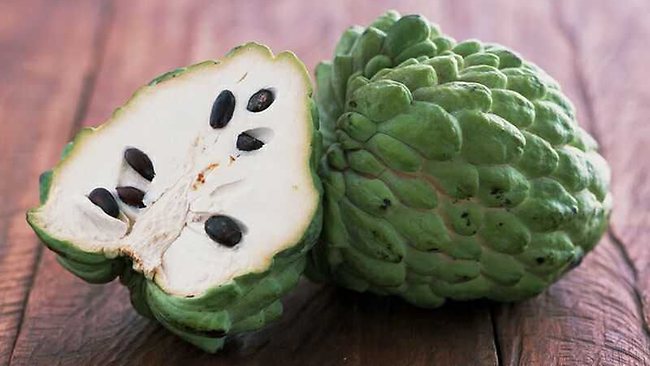
    Custard Apple is a sweet fruit, which is widely grown across the world. The fruit is compound in nature, measuring 3 to 6 inches (8-16 cm) in diameter. The shape of the fruit may be symmetrically heart-shaped, lopsided, or irregular. It may be nearly round or oblate, with a deep or shallow depression at the base. The skin or covering of custard apple is thin but tough, which is usually yellow or brownish when ripe. Beneath the thin covering, a thick, cream-white layer of custard like, granular, flesh is present, which surrounds seeds. The flavor of the fruit is sweet and agreeable. Besides, custard apple has many health and nutritional benefits. Given below is the nutrition value of the fruit.

    Benefits

    • Custard apple is a storehouse of Vitamin C, which is an anti-oxidant and helps in neutralizing free radicals.
    • Vitamin A present in the fruit is good for hair, eyes and healthy skin.
    • Custard apple contains magnesium, which plays vital role in relaxing muscles and protecting heart against diseases.
    • Potassium and Vitamin B6 are also present in custard apple.
    • Copper is yet another useful ingredient of custard apple.
    • It is a rich source of dietary fiber, which helps in digestion.
    • As it contains low fat levels, it is good for maintaining optimum health.
    • The paste of the flesh of the fruit can be used for local application on ulcers, abscesses and boils.
    • The fruit, in its unripe form, can be dried, crushed and used for treating diarrhea and dysentery.
    • Custard apple serves as an expectorant, stimulant, coolant and haematinic and is even useful in treating anemia.
    • The seeds of the fruit have insecticidal and abortifacient properties

    Amazing Health Benefits Of Custard Apples (Sitaphal)

    Custard apples, also well known as ‘sharifa‘ or ‘sitaphal‘ in Hindi, ‘Seetha Palam‘ in Telugu, ‘Seetha Pazham‘ in Tamil, ‘Sita Pazham‘ in Malayalam, ‘Sitaphala‘ in Marathi, ‘Sita Phal‘ in Gujarati and ‘Sharifa‘ in Punjabi. Custard apples are rich in anti-oxidants like vitamin C, which help get rid of free radicals from the body. It is also rich in calcium, magnesium, iron, niacin & potassium. This post on benefits of custard apple will change your mind.

    Custard apple, also known as chermoyas and are native to South America, West Indies and some parts of Asia. The fruit is soft and chewy with a hard exterior. The flesh is white in color and has a creamy texture. The pulp coats black shiny seeds that are not consumed, as they are slightly poisonous. Custard apple with its high calories and natural sugars are great as a dessert and as a nutritious snack.
    The fruit can be consumed just by itself or in the form of shakes, smoothies, deserts and ice cream. Moreover, this tasty fruit is an excellent alternative to dairy products, making it perfect for those who are allergic to dairy products as it provides the same nutrition.

    Benefits Of Custard Apple

    1. Healthy Skin and Hair:
    Thanks to the high-levels of vitamin A, custard apple is great for healthy skin, healthy hair and better eyesight. It plays a role in moisturisation and anti-aging. The creamy flesh or pulp can be used as a balm to treat boils and ulcers. The outer skin of custard apple is helpful in combating against tooth decay and gum pain.

    2. Healthy Weight:

    Custard apples are good for those who need to gain weight. A mixture of honey and custard apple when consumed regularly will help add on the required weight and those much required calories. All in the healthy way.

    3. Custard Apple During Pregnancy:
    Custard apple helps develop the brain, nervous system and immune system of a fetus effectively. Regular consumption of custard apple also reduces the risk of miscarriage during pregnancy and minimizes the extent of labor pain during childbirth. The pregnancy-wonder fruit also helps the expectant mother to cope with morning sickness, fight nausea, numbness and mood swings. Regular consumption during pregnancy is excellent for production of breast milk.

    4. Prevents Asthma:

    Custard apple is rich in vitamin B6, which help reduce the bronchial inflammation and help prevent asthmatic attacks.

    5. Prevents Heart Attacks:

    6. Aids Digestion:

    Custard apple is rich in copper and dietary fibre, which helps assist digestion, help ease bowel movement and relives from constipation. Sun dried custard apple pulp can be crushed into powder and consumption of the powder with water will help heal diarrhea.

    7. Excellent For Diabetics:

    Having custard apple for diabetes is considered very effective. The abundance of dietary fiber in custard apple helps slow down the absorption of sugar and reduces the risk of developing type-2 diabetes.

    8. Controls Blood Pressure:

    Custard apples are good sources of potassium and magnesium which help keep the blood pressure levels in control. For those with fluctuating blood pressure levels, a custard apple fruit a day will help keep them in control.

    9. Reduces Cholesterol:

    Custard apples contain high levels of niacin and dietary fiber, which help lower cholesterol levels effectively.

    10. Treating Anemia:

    Custard apples serve as a stimulant, coolant, expectorant and haematnic*. Moreover, the rich iron source is also useful in treating anemia.
    Hope you like custard apple benefits. Forget counting the custard apple seeds, instead, start counting the health benefits and relish the creamy fruit.
    [*haematinic
    (ˌhɛməˈtɪnɪk; ˌhiː-) or

    hematinic

    n
    (Medicine) Also called: haematic an agent that stimulates the production of red blood cells or increases the amount of haemoglobin in the blood
    adj
    (Medicine) having the effect of enriching the blood]
     

    Wednesday, June 7, 2017

    Our mission

    We believe that drinking water is the healthiest way to hydrate.

    Our Mission

    Our mission is to raise public awareness of healthy hydration, and encourage sustainable healthy hydration habits, by sharing scientific research, educational materials and practical tools.
    Nutritional advice typically focuses on food intake. Yet, the quantity and quality of the fluids we drink every day can have a significant impact on our well-being and long-term health. Therefore, one of our primary challenges is to communicate the fundamental need for healthcare policymakers and practitioners to proactively provide healthy hydration advice.

    Need for action

    In the context of the development of obesity worldwide and the development of kidney disease, there is a need to develop prevention approaches. Among other healthy lifestyle measures, drinking an adequate amount of water every day can significantly contribute to maintaining good heath. We believe there is a need to increase awareness on the scientific evidence supporting the need and the benefits of drinking enough water each day and to educate all stakeholders. This is precisely what the Hydration for Health initiative aims to achieve:
    • People need to be made more aware of the current worldwide obesity ‘epidemic’ and its implications for future health
    • Healthcare professionals should be encouraged to talk with colleagues and patients about the importance of encouraging water intake, particularly in children
    • Guidelines, particularly those covering hydration and health, should be made available for healthcare professionals to discuss with patients
    • Consumption of water in preference to other beverages should be highlighted as a simple step towards healthier hydration


    1. Professor Max Lafontan is a principal investigator at the French National Institute for Health and Medical Research (Inserm).
    Prof. Lafontan obtained a PhD and a Doctorat-es-Sciences thesis from University Paul Sabatier (Toulouse, France) in 1979. He was appointed as assistant-professor in 1970 and as associate-professor of Animal Physiology in 1979. In 1985, he moved to Inserm as principal investigator and from 1988-2002, headed the Inserm Unit 317 (Adrenergic Regulations and Metabolic Adaptations) and the Institute Louis Bugnard Research Centre from 1990-1997.
    His original team contributed to the identification of human fat cell alpha2-adrenergic and neuropeptide Y receptors and to the definition of the molecular determinants of the interplay between beta- and alpha2-adrenergic receptor mediated-events in fat cells of various species. The pioneering observation of lysophosphatidic acid (LPA) production by fat cells has been at the origin of the identification of a new adipocyte secretion (i.e., autotaxin, a lysophospholipase involved in LPA production). The discovery of the original role of Atrial Natriuretic peptides (ANP) in the control of lipolysis and lipid mobilization in humans in 2000 has opened an unsuspected field of research which is still under intensive exploration.

    Prof. Lafontan was a Council Member and President of the French Association for the Study of Obesity (AFERO) and Council Member of the European Association for the Study of 0besity (EASO). He was awarded the Friederich Wasserman Award of EASO in 2003 for his research activity in the field of adipose tissue metabolism and obesity.

    2. David Haslam graduated from St. Thomas’ Hospital Medical School in 1985 with a MB BS. He is a full-time GP with a special interest in obesity and cardiometabolic disease, a Physician in obesity medicine at the Centre for Obesity Research at Luton & Dunstable Hospital, Professor in obesity sciences at Robert Gordon University, Aberdeen, and Chairman of the National Obesity Forum in the UK.

    Prof. Haslam took charge of formulating guidelines for adult obesity management in primary care, and produced the first primary care guidelines for the management of childhood obesity with the Royal College of Paediatrics and Child Health.
    A visiting lecturer at Chester University and visiting Fellow at the Postgraduate Medical School of Hertfordshire and Bedfordshire, Prof Haslam is also a trustee and former chair of the ‘Foundations’ charity and co-founder of European Obesity Day 2010, supported by the European Parliament.

    Prof Haslam has published numerous articles in journals and papers and speaks regularly, at an international level, on obesity and obesity-related diseases.

    His books include 'Your Questions Answered - Obesity', ‘Fat, Gluttony and Sloth, Obesity in Literature, Art and Medicine’ with Fiona Haslam, and ‘The Obesity Epidemic and its Management’ with Terry Maquire.

    3. Hardinsyah is Professor of the Faculty of Human Ecology (FEMA) Bogor Agricultural University (IPB), President of the Indonesian Food and Nutrition Society (PERGIZI PANGAN), and President of the CSR Society of Indonesia (AP-CSR Indonesia). Having received his Bachelor and Master degrees from IPB, majoring in community nutrition, Professor Hardinsyah was awarded his PhD in Nutrition and Food from University of Queensland, Australia and was a visiting scholar at Cornell University in the United States. Previously he was the Dean of FEMA IPB, Director for the Collaboration of IPB, Executive Director of the Center for Food and Nutrition Policy Studies IPB, Head of Department of Community Nutrition and Family Resources IPB, and Vice President of the Indonesian Society of Nutrition.

    His current research includes the epidemiology of dehydration, malnutrition, food insecurity and poverty. Professor Hardinsyah is actively involved in a number of national task forces on food, nutrition and community empowerment.

    4. Professor Jean-Francois Duhamel is Chief of Paediatrics at the Medical University Hospital of Caen. He is a corresponding member of the National Academy of Medicine and competent with the AFSSA. He is the author of "Acute dehydration of newborns and infants" published in 2003 by John Libbey Eurotext.

    5. Dr. Barquera is a medical surgeon from the Universidad Autonoma Metropolitana in Mexico City with graduate MS and PhD degrees from the Friedman School of Nutrition Science and Policy at Tufts University in Boston MA. He has been a consultant for WHO, PAHO, IFPRI and the IAAE in the fields of nutrition, obesity and chronic diseases. He is co-author of diverse books and scientific papers such as the Third Report on the World Nutrition Situation of United Nations, the Mexican Nutrition Survey (1999), the Mexican Health Survey (2000) and the Mexican Health and Nutrition Survey (2006) reports. In 2003 he was a member of the team that received the Fred L. Soper award to the excellence in health literature for an article characterizing the obesity and nutrition transition situation in Mexico. Currently Dr. Barquera is president of the nutrition board of professors at the Mexican School of Public Health and Director of the Nutritional Epidemiology Division at the Nutrition and Health Research Center. He is member of the advisory board in chronic diseases and diet for the Ministry of health and has been recognized as National Investigator by the Mexican National Council of Science and Technology.

    6. Lawrence E. Armstrong, Ph.D., FACSM, is a Professor at the University of Connecticut’s Human Performance Laboratory with joint appointments in the Nutritional Sciences Department and the Department of Physiology & Neurobiology. He presently teaches undergraduate and graduate courses in Exercise Metabolism, Thermal Physiology, Exercise Physiology, Scientific Presentations, and Physiological Responses to Stressful Environments.  His research interests include the effects of mild dehydration with water replacement on cognitive performance, water-salt balance during exercise in hot environments, human temperature regulation, physiological effects of caffeine, and dietary interventions (i.e., low salt diets, glucose-electrolyte solutions) as they apply to laborers, athletes and military personnel. He serves as an Editorial Review Board Member for the International Journal of Sport Nutrition & Exercise Metabolism, and the journal Medicine & Science in Sports & Exercise.  He has authored/coauthored over 145 peer-reviewed scientific articles and published the book ‘Performing in Extreme Environments (2000)’; in 2003, he edited the book ‘Exertional Heat Illnesses’.  He formerly held the position of Research Physiologist, Research Institute of Environmental Medicine, Natick, MA.  Dr. Armstrong is a present member of the Danone Research Scientific Advisory Board; past member of the U.S. National Research Council, Institute of Medicine, Committee on Military Nutrition Research; past member of the Board of Trustees of the American College of Sports Medicine; and a Past-President of the ACSM New England Chapter.