CLICK HERE TO LOOK INSIDE THE MANUAL
CHAPTER ONE
WALK RIGHT - WALKACTIVE
'This has been an amazing thing for my body - I really can feel the intelligent exercise working on me from the inside out!'
Dear Healthy Wealth regular or first time visitor,
Before I teach you exactly how to walk right, I want you to learn a little bit about the science behind my technique - to understand exactly what it is you are doing wrong as you walk, and why this Walkactive Course is walking 'right'. This is your first vital Walkactive step. It will help you to appreciate why Walkactive is different and why it will connect you with your body, bringing radical healthy results. So don't be tempted to skip this knowledge and science , for they are crucial.
You may be wondering if this Walkactive Course is right for you?
To find out, ask yourself whether any of the following applies to you:
• You walk a reasonable amount every day, but while you feel healthier your body never changes.
• You experience back discomfort or pain after completing a walk.
• When walking or doing a longer-distance walk you notice discomfort in your back.
• Your knees sometimes feel sore from walking.
• You like the idea of getting fit, healthy and losing excess weight with walking, but are sceptical as to whether it could ever bring you the transformation you long for.
• You love exercise, but struggle with time ー getting to a gym three times per week just isn't always possible.
• You like the idea of making your walk to work or anywhere a highly effective and productive workout without the blood, sweat and tears. Just enjoyment and fun.
If you identify with any of the above, you're ready to embark on Walkactive Course and I'l love you to join me.
WHY YOU WALK WRONG
We're going to start by unpicking exactly what is going wrong with the way you are walking now. To do this, it's important to understand a bit about your body works.
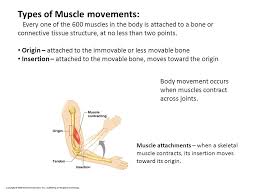
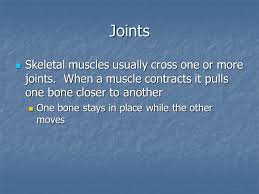
Together, the skeletal muscles work with your bones to give your body power and strength. ... Tendons are cords made of tough tissue, and they work as special connector pieces between bone and muscle. The tendons are attached so well that when you contract one of your muscles, the tendon and bone move along with it.

How your body muscles work.
When a muscle contracts (squeezes)

(I LEARN MORE WHEN I DIG DEEPER, CLICK HERE)

it can create movement in several ways - the most common being when it shortens. Imagine holding a weight (dumb bell) in one hand and doing a simple bicep curl: you need to bend at the elbow in order to bring the weight up and, as your hand moves towards your shoulder, the muscle fibres in your bicep get shorter - both ends of the muscle, where they are attached to the bone, move closer together. When we exercise in traditional ways such as jogging or lifting weights we tend to use this contracting movement again and again.
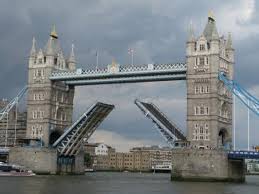
However, many people don't realise that it is possible for a muscle to carry on working hard as it lengthens back down too. Imagine a drawbridge⇧: it doesn't just come crashing down, it is lowered in a controlled way. It is the same with Walkactive technique.
Let's go back to that bicep curl again; this time, imagine loweing the same weight slowly, with control - don't just let that hand flop down uncontrollably. But with control. This takes effort, doesn't it? Your muscle is getting longer again, but as it lengthens, it is still working hard for you, with control. In fact, the fibres in the muscle are still contracting, even though the muscle is getting longer. Because it takes effort, with control movement, this lengthening movement tones the muscle. And with Walkactive this is happening all the time. Unlike most forms of exercise, such as running, where your muscles are primarily trying to contract, or shorten, most of the time, with Walkactive, we are trying to keep your muscles lengthened as they contract, creating tone and greater strength and range of motion around the joint.
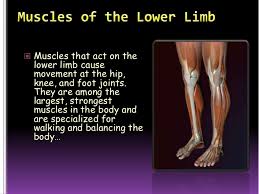
By doing this again and again, your muscles, quite literally, elongate. And this is why, with Walkactive , you can transform your entire appearance : you'll become taller, leaner, more streamlined and more poised.
Lifestyle and bad habits
Many of us spend hours every day hunched over computer screens, slumped in the car or in front of the TV. When we do move we may be carrying heavy bags or carrying children or talking on a mobile phone - often all three at once. To cope with these unreasonable demands and stresses our bodies begin to use the wrong muscles at the wrong time and in the wrong way. X X X Most people have already developed bad walking habits without even realising it, and these wrong habits cause long-term pain and discomfort, and in some cases, deformation of the body. They also stop us from using our body muscles to their full designed potential as we walk.
Exercise
It is also possible that your existing regime is making your muscles even shorter. If you are already making the effort to keep the body fit, then the chances are that you choose exercise such as running, playing sport or working out at the gym or outdoor fitness park. These kind of exercise use your big muscle groups - those muscles in your legs, bottom, and torso, ...

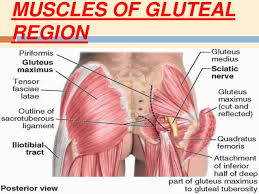
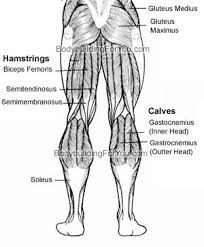
...and while this can burn off a lot of calories and improve your fitness, it can also make your body's problem worse. Working only the large muscle groups will:
• thicken muscles rather than streamlining them - you are strengthening and shortening the big muscles in your body at the same time and this gives you a bulky rather than elegant, streamlined silhouette.
• cause discomfort in your thoracic spine, neck and joints - specifically your hips, knees, shoulder - as the imbalance created by your shortened muscle puts them under strain
• cause even more postural problems because as you focus on the big muscles, the deeper, internal supportive muscles - those that are essential for good posture - are hardly simulated at all; again, this makes your structural alignment even worse, putting your body out of balance and causing all sorts of injuries, aches and pains.
CHAPTER ONE
WALK RIGHT - WALKACTIVE
'This has been an amazing thing for my body - I really can feel the intelligent exercise working on me from the inside out!'
Dear Healthy Wealth regular or first time visitor,
Before I teach you exactly how to walk right, I want you to learn a little bit about the science behind my technique - to understand exactly what it is you are doing wrong as you walk, and why this Walkactive Course is walking 'right'. This is your first vital Walkactive step. It will help you to appreciate why Walkactive is different and why it will connect you with your body, bringing radical healthy results. So don't be tempted to skip this knowledge and science , for they are crucial.
You may be wondering if this Walkactive Course is right for you?
To find out, ask yourself whether any of the following applies to you:
• You walk a reasonable amount every day, but while you feel healthier your body never changes.
• You experience back discomfort or pain after completing a walk.
• When walking or doing a longer-distance walk you notice discomfort in your back.
• Your knees sometimes feel sore from walking.
• You like the idea of getting fit, healthy and losing excess weight with walking, but are sceptical as to whether it could ever bring you the transformation you long for.
• You love exercise, but struggle with time ー getting to a gym three times per week just isn't always possible.
• You like the idea of making your walk to work or anywhere a highly effective and productive workout without the blood, sweat and tears. Just enjoyment and fun.
If you identify with any of the above, you're ready to embark on Walkactive Course and I'l love you to join me.
WHY YOU WALK WRONG
We're going to start by unpicking exactly what is going wrong with the way you are walking now. To do this, it's important to understand a bit about your body works.
Together, the skeletal muscles work with your bones to give your body power and strength. ... Tendons are cords made of tough tissue, and they work as special connector pieces between bone and muscle. The tendons are attached so well that when you contract one of your muscles, the tendon and bone move along with it.
How your body muscles work.
When a muscle contracts (squeezes)
(I LEARN MORE WHEN I DIG DEEPER, CLICK HERE)
it can create movement in several ways - the most common being when it shortens. Imagine holding a weight (dumb bell) in one hand and doing a simple bicep curl: you need to bend at the elbow in order to bring the weight up and, as your hand moves towards your shoulder, the muscle fibres in your bicep get shorter - both ends of the muscle, where they are attached to the bone, move closer together. When we exercise in traditional ways such as jogging or lifting weights we tend to use this contracting movement again and again.
However, many people don't realise that it is possible for a muscle to carry on working hard as it lengthens back down too. Imagine a drawbridge⇧: it doesn't just come crashing down, it is lowered in a controlled way. It is the same with Walkactive technique.
Let's go back to that bicep curl again; this time, imagine loweing the same weight slowly, with control - don't just let that hand flop down uncontrollably. But with control. This takes effort, doesn't it? Your muscle is getting longer again, but as it lengthens, it is still working hard for you, with control. In fact, the fibres in the muscle are still contracting, even though the muscle is getting longer. Because it takes effort, with control movement, this lengthening movement tones the muscle. And with Walkactive this is happening all the time. Unlike most forms of exercise, such as running, where your muscles are primarily trying to contract, or shorten, most of the time, with Walkactive, we are trying to keep your muscles lengthened as they contract, creating tone and greater strength and range of motion around the joint.
By doing this again and again, your muscles, quite literally, elongate. And this is why, with Walkactive , you can transform your entire appearance : you'll become taller, leaner, more streamlined and more poised.
Lifestyle and bad habits
Many of us spend hours every day hunched over computer screens, slumped in the car or in front of the TV. When we do move we may be carrying heavy bags or carrying children or talking on a mobile phone - often all three at once. To cope with these unreasonable demands and stresses our bodies begin to use the wrong muscles at the wrong time and in the wrong way. X X X Most people have already developed bad walking habits without even realising it, and these wrong habits cause long-term pain and discomfort, and in some cases, deformation of the body. They also stop us from using our body muscles to their full designed potential as we walk.
Exercise
It is also possible that your existing regime is making your muscles even shorter. If you are already making the effort to keep the body fit, then the chances are that you choose exercise such as running, playing sport or working out at the gym or outdoor fitness park. These kind of exercise use your big muscle groups - those muscles in your legs, bottom, and torso, ...
...and while this can burn off a lot of calories and improve your fitness, it can also make your body's problem worse. Working only the large muscle groups will:
• thicken muscles rather than streamlining them - you are strengthening and shortening the big muscles in your body at the same time and this gives you a bulky rather than elegant, streamlined silhouette.
• cause discomfort in your thoracic spine, neck and joints - specifically your hips, knees, shoulder - as the imbalance created by your shortened muscle puts them under strain
• cause even more postural problems because as you focus on the big muscles, the deeper, internal supportive muscles - those that are essential for good posture - are hardly simulated at all; again, this makes your structural alignment even worse, putting your body out of balance and causing all sorts of injuries, aches and pains.