Showing posts with label fruit. Show all posts

Wednesday, September 27, 2017

Discovering Dragon Fruit

Image result for Dragon Fruit

Botanical name: Hylocereus undatus
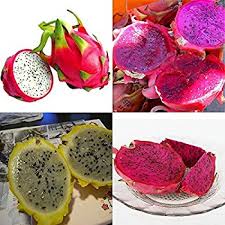
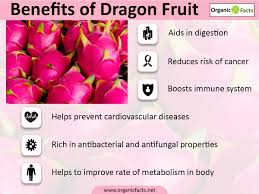
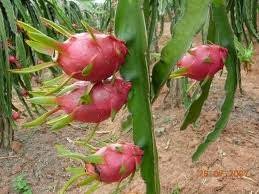
Image result for Dragon Fruit

What Is Dragon Fruit Good For?

Image result for Dragon Fruit

Image result for Dragon Fruit

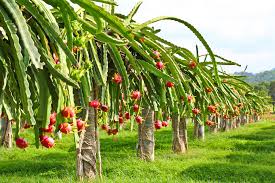
Who knew there was a plant with a flower like an explosion of flame, which produces a beautiful but short-lived fruit with the appearance of a brilliant pink rosebud? This is the pitya – dragon fruit – indigenous to Central America but is also grown and exported from several Southeast Asian countries, such as Thailand and Vietnam. Obtained from several cactus species, its succulent stem provides the uniquely delicious fruit with moisture in the arid climates where it grows.

Some dragon fruits have red or yellow skin (which looks a little like a soft pineapple with spikes) and white or red flesh, but always the beginnings of overlaid leaves, similar to an artichoke, and an abundance of small, black, edible seeds. The flavor is mildly sweet, like a blend of kiwifruit and pear, and it has a crunchy texture.

While it may seem a little strange at first, it's easy to get to the fruit. Simply slice lengthwise and either scoop out the flesh, or quarter it and peel back the leathery skin. Eat only the white part with seeds, removing any residual pink parts, which are bitter.

Health Benefits of Dragon Fruit

Image result for Dragon Fruit

Dragon fruits have a surprising number of phytonutrients. Rich in antioxidants, they contain vitamin C (equivalent to 10 percent of the daily value), polyunsaturated (good) fatty acids, and several B vitamins for carbohydrate metabolism, as well as carotene and protein. Calcium is present for strong bones and teeth, iron and phosphorus for healthy blood and tissue formation. The benefits are realized in a number of ways, from a strengthened immune system and faster healing of bruises and wounds to fewer respiratory problems.

Dragon fruits have zero complex carbohydrates, so foods can be more easily broken down in the body, helped by vitamin B1 (thiamin) and other B vitamins. The phytochemical captin, used as a medication to treat heart problems, is present in the fruit itself, and an oil in the seed operates as a mild laxative.

The seeds of dragon fruits are high in polyunsaturated fats (omega-3 and omega-6 fatty acids) that reduce triglycerides and lower the risk of cardiovascular disorders. Eating dragon fruit can help the body maintain such normal function as ridding the body of toxic heavy metals and improved eyesight. Lycopene, responsible for the red color in dragon fruit, has been shown to be linked with a lower prostate cancer risk.

However, consume dragon fruit in moderation because it contains fructose, which may be harmful to your health in excessive amounts.

Dragon Fruit Nutrition Facts
Serving Size: 3.5 ounces (100 grams), fresh
  Amt. Per Serving % Daily Value*
Calories 60  
Calories from Fat 0  

Total Fat 1.5 g  
Saturated Fat  
Trans Fat  
Cholesterol 0 mg 0%
Sodium  
Total Carbohydrates 9 g  
Dietary Fiber 1 g  
Sugar 9 g  
Protein 2 g  
*Percent Daily Values are based on a 2,000 calorie diet. Your daily values may be higher or lower depending on your calorie needs.

Studies Done on Dragon Fruit
Detailed studies aimed at determining the relationship between a healthy diet of fruits and vegetables, lifetime physical activity, and oxidative DNA damage with prostate cancer were measured. Many details were telling, such as the fact that men between 45 to 54 years of age who did not engage in physical activity had three times the risk of prostate cancer. The conclusion was that a diet of fresh fruits and vegetables, especially those containing lycopene, such as dragon fruit, and exercise were found to be protective against the disease.1

Since limited information on the capacities of tropical fruits is available, one study explored with positive results the ability of tropical fruits such as dragon fruit to inhibit human cytochrome P450, which is highly expressed in the liver, but also known to be present other tissues such as in the small intestine, lung, and kidney, and especially linked to congenital glaucoma.2

Dragon Fruit Healthy Recipe:
Truly Tropical Fruit Bowl

Image result for Dragon Fruit
Ingredients:
1½ cups fresh papaya, cubed
1 cup pineapple chunks
1 banana, sliced
1 cup mango, cubed
1 cup strawberries, sliced or cut into quarters
1 cup dragon fruit
Garnish: starfruit slices

Fruit Salad Dressing:
1 cup strawberries, sliced or cut into quarters
1 Tbsp. freshly-squeezed lime juice
2 Tbsp. stevia

Procedure:

1. Stir fruit salad dressing ingredients together in a cup until stevia dissolves. Set aside.
2. Place all the fresh fruit in a mixing bowl. Pour the dressing over and toss well to mix.
3. Pour or scoop the fruit salad into a serving bowl, or into a prepared pineapple boat. Garnish just before serving with a few star fruit slices drizzled with fresh lime juice to prevent browning. Ready for the luau!

Dragon Fruit Fun Facts
The main reason for dragon fruit's preciousness is that it lives only one night! First, a climbing cactus produces a beautiful pink or yellow flower. Sometimes called "moonflower" or "Queen of the night," the plant blooms from evening to midnight, only to wither in strong sunlight. During the night, the pungent flowers are pollinated by moths and bats. Although the flower dies, the cactus bears pitya fruit about six times every year.

Summary
It could easily be called a "crazy" fruit, as its appearance is so improbable. Dragon fruit is low in calories yet offers numerous nutrients, including vitamin C, B vitamins, phosphorus, protein, calcium, fiber, captin, and antioxidants. It's proven to lower blood sugar levels as well as blood pressure, strengthen bones and teeth, promote healthy blood and tissue formation, strengthen the immune system, heal bruises and wounds faster and prevent respiratory problems.

Like other red fruits, dragon fruit contains lycopene, which helps protect against cancer and heart disease. How can all these benefits be taken advantage of in this visually beautiful, exotic fruit? It's best eaten chilled, chopped into cubes and added to fruit salad or blended into a refreshing drink or smoothie. This may become your new favorite fruit, and you don't even have to slay a dragon.

Is dragon fruit is good for diabetes?
Dragon fruit contains a high amount of fiber that helps a person stabilize his blood sugar levels. It also avoids sugar spikes that are often observed after eating high glycemic index foods. Therefore, it is good for a diabetic patient to incorporate into their diet. Dragon fruit is low in calories.

Is dragon fruit Pitaya?
Pitaya was first discovered in Central America, centuries ago, and has traveled to all corners of the globe. Early missionaries brought Pitaya to Asia where it has since been renamed and is more commonly known as, Dragon Fruit.

Now let’s examine the nutritional value of dragon fruit.

This fruit has a surprising number of phytonutrients, vitamins, and minerals. They are rich in antioxidants, vitamin C, polyunsaturated fatty acids, carotene, and proteins. They also have zero complex carbohydrates and thiamine that assist in the easy breakdown of food in our system. Dragon fruit also has a phytochemical captin that is essential for a healthy heart.

Is Dragon Fruit Good For You And Why?
Benefits of dragon fruit for skin, hair health are surplus. Here you will learn what is dragon fruit good for.


Skin Benefits
Fights Signs Of Aging
Treats Acne
Soothes Sunburned Skin
Promotes Skin Health
Provides Essential Moisture To Dry Skin
Hair Benefits
Treats Colored Hair
Promotes Healthy Hair
Health Benefits
Lowers Cholesterol
Helps With Stomach Ailments
Lowers Blood Sugar
Improves Cardiovascular Health
Cuts Low Hemoglobin Risk
Helps In Weight Management
Prevents Cancer
Prevents Congenital Glaucoma
Boosts Immunity
Helps Suppress Arthritis Pain
Dragon Fruit During Pregnancy
Prevents Renal Bone Disease
Stronger Teeth And Bones
Is Good For Dengue Patients
Repairs Body Cells
Improves Appetite
Improves Vision
Boosts Brain Function
Cures Respiratory Disorders
Healthy Snack Option For Kids
Skin Benefits Of Dragon Fruit
 ⇑benefits of dragon fruit 


This strange looking fruit is the answer to all your skin woes. It helps treat even the serious cases of sunburns and acne, making your skin like never before.

Here’s how you can incorporate dragon fruit in your daily skincare regime:

1. Fights Signs Of Aging
Wrinkles, sagging skin, fine lines, dullness—all these signs appear when your skin starts aging. It’s an embarrassing phase that can make you seek refuge in cosmetic brands that make tall claims.

But why trust a chemical solution when you have a natural remedy in hand?

Aging is caused by cellular damage done by the free radicals loitering in our body. While this is a natural process (you are bound to get old one day, fellas), its untimely attack is what makes us worry this much. Who would like to look older than they actually are? Absolutely none. And this is where natural ingredients like dragon fruit come into play.

This exotic fruit is a rich source of antioxidants which helps fight the free radicals and slows down the aging process (1). This makes your skin look younger and smoother.

Use the following face pack once every week to get tighter and fuller skin devoid of any wrinkles and lines.

What You Need
1/2 dragon fruit
1 tablespoon yogurt

What You Have To Do
1. Scoop out the pulp of the dragon fruit and make a smooth paste from it.
2. Add the yogurt to the paste.
3. Apply the pack to your face and neck, and keep it on for 20 minutes.
4. Rinse it off with lukewarm water. Pat dry with a soft towel.
5. Repeat this process once a week for two months to get rid of all those signs of aging.

2. Treats Acne
Acne—Another gift from oily skin that gets tagged along in the early years of puberty, sometimes not leaving you until you turn thirty. It’s annoying really, but mourning over the unexpected pop-outs is no solution, neither is going after one market product to another.

The solution comes in the form of an exotic fruit which when applied topically can reduce acne. This is due to the abundance of vitamin C in dragon fruit (2), (3).

Here’s how you can use this amazing fruit for your pimples.

What You Need
¼ dragon fruit
3-4 cotton balls

What You Have To Do
1. Scrape out the pulp of the dragon fruit, and mash it into a smooth paste using a fork.
2. Using a cotton ball, dab it on the affected area. To apply it on another area, use a fresh cotton ball so that you don’t spread the bacteria.
3. Rinse off with lukewarm water after 20 minutes. Let it air dry.
4. Repeat this process twice every week for a flawless and acne-free skin.


3. Soothes Sunburned Skin
While basking in the warmth of the precious sun is a pleasant treat, its unprotected acquaintance can cause severe blisters. In such cases, a pack made of dragon fruit can help soothe the redness and inflammation.

As mentioned earlier, dragon fruit is an excellent source of vitamin C. A combination of vitamins E and C has been proven to protect your skin against UV rays and soothe sunburns (4).

What You Need
¼ dragon fruit
1 vitamin E capsule

What You Have To Do
1. Scoop out the pulp of the dragon fruit and mash it with a fork to make a puree.
2. Puncture the vitamin E capsule and add it to the dragon fruit.
3. Apply the pack to the sunburned area. Keep it on for 30 minutes for it to be effective.
4. Rinse it off with cold water and let it air dry.
5. Use this pack every alternate day until the symptoms subside.


4. Promotes Skin Health
Attaining a healthy and glowing skin is no longer a tough task. Just keep a watch on what you eat and exercise more, and you will witness a change for yourself.

Adding dragon fruit to your diet too can do a lot good to your skin.

Drinking one glass of tangy dragon fruit juice is a good way to start your mornings. It will not only make you healthy but will also help release all the toxins from the body, leaving behind a glowing skin.

This fruit has a very high antioxidant content which works well in scavenging the free radicals, saving you from the sagging and dull skin. Additionally, dragon fruit is rich in vitamin C that helps brighten the skin.


5. Provides Essential Moisture To Dry Skin
Dragon fruit also has an incredibly high water content (a whopping 90%) which is essential in providing hydration to your skin, especially when you have dry skin (5).

So make it a point to include dragon fruit in your diet during winters to save yourself from the perils of the season.


Hair Benefits Of Dragon Fruit
Strong and healthy hair is not that easy to attain and maintain. Trust me; I tried and failed.

But that was when I was busy experimenting with almost every new brand in the market after paying heed to the words of almost every other person. Sounds familiar? Then you must read what I did next…

I continued the practice leading that did more harm than good until I discovered this wonder fruit. Agree that the fruit costs more than any other fruit, but it’s far lesser than any of your cosmetic products. If you are looking forward to know what are the benefits of dragon fruit for your hair, Watch out?

6. Treats Colored Hair

Trends always have a great impact on our life. Fashion, accessories, footwear, gadgets—we choose these based on what’s in vogue, right? And Same is the case with hair color too.

Remember wanting those Shakira blonde streaks back in the mid-2000s? Or the bottom half dye of Kylie Jenner that hit the trending chart in 2014?

But with every hair color comes hell lot of care. From fading to damage and dryness, unattended colored mane can bring about a ton of hair troubles. And who is to deny the side effects posed by the handful of chemical compounds fed to your hair roots?

The chemicals that lend your hair color also leave it dry and dull. Using dragon fruit for your hair can mitigate some of the damage done.

How?

Dragon fruit is rich in nutrients, which is why it works really well on hair that has been colored or chemically treated (6).

What You Need
1 dragon fruit

What You Have To Do
1. Scoop out the flesh of the dragon fruit and process in a blender to make a smooth paste.
2. Apply this paste to your hair and scalp.
3. Keep it on for 15-20 minutes, and wash it off with a mild shampoo.
4. Repeat this process once a week and see the change yourself.

7. Promotes Healthy Hair
As explained earlier, dragon fruit can bring in health and shine to your dull and lifeless hair.

All you need is to become a devoted and loyal dragon fruit juice drinker. It might be a bit tangy and different, but nothing comes easy in life, right?

Not a big fan of exotic drinks and fruits? No problem, we have a solution for you too. Simply apply some dragon fruit pulp to your hair and scalp. Yep, just like a hair mask. It might be a little bit runny and gooey, so wearing a shower cap is the best solution for making the mask stay till the required time. Oh yeah, keep it on your head for at least 20 minutes and then wash it off with plain water at first. You can use a mild shampoo later. No need to use this mask every time you wash your hair, though doing it once a week is fine too. Repeat this process for a few months and you will see a drastic change in your hair texture.

Alternatively, you can make use of that dragon fruit juice as well. It works the same as the pulp.

Why it works?

Dragon fruits, especially the red variety, contain abundant antioxidants and enzymes that can make your hair smoother and healthier.

Health Benefits Of Dragon Fruit
After beauty comes health. I know this topic technically should be on the top, health comes first as they say, but the list is quite long and descriptive and nothing you ever expected the humble dragon fruit to do.

So without further ado, I will start with this surprising list of dragon fruit health benefits. I bet it will make you love it even more.

8. Lowers Cholesterol
Okay, what do you think is the most common disorder in today’s time?

No idea? Well, let me give you a hint; it is related to lifestyle and bad food choices.

There you got it. It is high cholesterol. I’m sure you won’t be surprised if I tell you that more than 39% of the world population is under its sharp claws. The rate is even higher in women; 40% to 37% of the male population. It is also said to cause approximately 2.6 million deaths every year.

Sounds scary, right?

But no worries, certain lifestyle changes and including certain fruits and veggies in your diet can save you from this disorder. Dragon is one of the most trusted ones.

And lowering cholesterol levels doesn’t mean totally cutting off on all the fats. In fact, some fats are absolutely essential for proper function of our body system, just like unsaturated fats. Dragon fruit seeds are rich in polyunsaturated fats, omega-3, and omega-6 fatty acids that help lower cholesterol (7).

All this, with the addition of abundant antioxidants, make dragon fruit a good weapon to fight dangerous levels of LDL.

9. Helps With Stomach Ailments
 benefits of dragon fruits

This special fruit can help in curing several stomach ailments such as indigestion and constipation without harming you.

Dragon fruit is rich in fiber and has high water content, which makes it ideal for people suffering from constipation (8). They help improve our body’s bowel movements by facilitating the proper passing of digested food through the tract. The fiber present also helps bulk up the stool, further helping in the treatment of Irritable Bowel Syndrome (IBS).

10. Lowers Blood Sugar
After cholesterol comes another scary disease, diabetes. Fluctuating blood sugar levels can make you do serious sacrifices—‘no sugar’ and ‘no carb’ diet. This phase can be particularly painful if you have a sweet tooth like me.

Thankfully, there are several fruits which are helpful in keeping your blood sugar level from reaching the ‘danger mark’ so you can enjoy your life without any deprivation.

In fact, several studies have demonstrated that the dragon fruit can actually help regulate the blood sugar levels in diabetics.

But, what are dragon fruit benefits for diabetes?

This is simple. Dragon fruit is a rich source of polyphenols, carotenoids, thiols, tocopherols, and glucosinolates, all of which help lower blood sugar (9). Additionally, they have a high fiber content, which helps inhibit the sugar spikes that happen after every high glycemic index meal.

One study published in the journal of Pharmacognosy Research showed that dragon fruit also has a valuable effect on the oxidative stress from aortic stiffness which is commonly seen in the diabetics.

11. Improves Cardiovascular Health
Eating dragon fruit can help in keeping your heart healthy.

The first reason comes in the form of point No. 8, the cholesterol factor (10). It also controls the oxidative damage caused by free radicals and reduces the stiffness of arteries, which lowers the risk of a heart attack, a point that we already discussed in the previous point (11).

Additionally, this fruit is rich in the correct amount of monosaturated fats that is essential to keep your heart in a healthy shape.

12. Cuts Low Hemoglobin risk
Anemia, a common disorder amongst women, should never be ignored. While you may think less about the fluctuating levels of your hemoglobin, dangerously low levels can even lead to kidney failure.
Dragon fruit is a good option to beat the chances of anemia.

It is rich is iron, meeting approximately 8% of our daily iron requirements. On top of that, dragon fruit has plentiful vitamin C, an agent that enhances our body’s ability to absorb more iron. So what are you still waiting for, go on, test this incredible fruit.


13. Helps In Weight Management
Weight watchers, this point is especially for you.

We know and deeply understand the whole concept behind bringing in a change of taste on our regular meals, without compromising on the weight factor. Obviously, it’s a big deal to stay loyal to one or two diet plans all throughout your fat loss regime, and most of us really can’t stay loyal to it. Two words—repetitive and boring.

Add some spark to your weight loss diet plan by adding dragon fruit or dragon fruit tea to it.

Apart from being lip-smackingly delicious, this fruit is also considerably low in calories (60 calories in every 100 gram), which makes it a perfect replacement for your regular fruit diet. Additionally, this fruit is approximately 90% water and has a high amount of fiber. This property makes you feeling full for a longer period, preventing overeating (12).

14. Prevents Cancer
It might sound pretty far-fetched, but studies have shown that dragon fruit has the ability to curb the multiplication of dangerous cancer cells.

Dragon fruit is rich in an enzyme called lycopene, in addition to the essential vitamin C and carotene, which is said to have anti-carcinogenic qualities (13). They together help prevent the formation of tumors.

Additionally, the peels of the dragon fruit are full of polyphenols, chemicals that may protect us from certain cancers.

15. Prevents Congenital Glaucoma
One published study has shown that having dragon fruit can help prevent congenital glaucoma.

It stated that this fruit has the power to inhibit human cytochrome P450, a protein usually found in the liver, and can help proper functioning of lungs and kidney. This protein is also linked to the possibilities of congenital glaucoma (14).

16.  Boosts Immunity
The immunity boosting property of dragon fruit is a given because of its high vitamin C content.

Dragon fruits also help stimulate the activity of other antioxidants, and the presence of several essential and strong vitamins and minerals like niacin, vitamin B1, pytoalbumin, calcium, phosphorus, iron makes it an even powerful weapon against any bacterial and viral attacks.

17. Helps Suppress Arthritis Pain
Arthritis often leads to serious pain, irritation and immobility, all due to its direct effect on our joints. Thankfully, several fruits and veggies can help you fight these ailments, including our fruit of the day.

In fact, dragon fruit has a huge hand in easing arthritis pain that it often dubbed as the ‘anti-inflammatory fruit’ (15).

So start including this amazing fruit in your daily routine to bid farewell to arthritis pain within no time.

18. Is Good During Pregnancy
 
Benefits of dragon fruit.
Expecting mothers should most definitely include dragon fruit
in their diet. Have patience, we have a long list on what makes this fruit a valuable addition to the pregnancy diet.

This fruit has iron essentials required for the production of red blood cells (RBCs). If the present disturbing trend is any indication, six in every ten women tend to have some anemia experience during her nine months. Dragon fruit, with its rich source of iron, is a good way to beat the dropping hemoglobin levels. And not only the mother, this is also essential for the growing fetus as RBCs also have a big role in providing them with the much-needed oxygen and nutrients.

Next, comes the presence of carbohydrates. You might know this, but a ‘would be’ is needed to have as much as carbs as possible. It helps provide the much-needed energy boost to the mothers.

Another essential requirement for pregnant women is folate. This vitamin, apart from assisting in the formation of RBCs, help prevent the baby from the neural tube defects.

The presence of high content of fiber helps prevent the common digestion troubles during pregnancy.

All in all, introducing dragon fruit to expecting mothers is a great idea. Don’t you think?

19. Prevents Renal Bone Disease
This particular disease is associated with kidney failure wherein the bones start becoming weak and fragile. This is because a weak kidney or renal system cannot activate vitamin D to absorb calcium, which is most essential for the maintained strength of the bones.

Having dragon fruit is a good way to prevent this pretty scary disease as it is high in calcium. Every 100 grams of this fruit contains 8.8 grams of calcium, which is a good amount to beat this bone disease.

20. Stronger Teeth And Bones
Dragon fruit is rich in calcium and phosphorus, the most essential nutrients for strong bones and teeth.

Both these nutrients are highly co-dependent on each other, which means that having a calcium-rich diet alone can’t fight serious bone and teeth disorders. This is why dragon fruit is a good solution; it literally provides you best. It helps increase the bone density and mass while strengthening the roots of the teeth.

21. Is Good For Dengue Patients
Those suffering from the vector-borne disease like dengue see a serious dip in their platelet count, which can even cause death if not treated in time.

While a normal person has a platelet count of 150,000-450,000 for every microlitre of blood, dengue patients can have as little as 10,000.

The primary function of these platelets is to stop the bleeding by clotting the blood vessels injuries, and their depletion can cause hemorrhage.

Don’t worry; you can increase your platelet count by simply adding some special fruits and vegetables in your diet. Dragon fruit helps improve the platelet count in dengue patients due to its strong antioxidant properties.

22. Repairs Body Cells
Dragon fruits have special proteins and enzymes that can help our body in regenerating and repairing cells.

This property comes handy during the treatment of burns and injuries. And trust dragon fruit for its impressive healing properties.

23. Improves Appetite
Don’t feel like eating?
It might be because of certain diseases and disorders like fever and anemia that just killed your appetite. Good news, a certain fruit can bring back your desire to eat and enjoy.

Dragon fruit helps treat stomach ailments, further increasing your appetite. On top of that, the heavenly odor will certainly lure you.


24. Improves Vision
Those complaining of blurry vision and pain in the back of their eyes should include dragon fruit in their diet.

This fruit is a boon for your eyes—courtesy the presence of beta-carotene and other essential plant pigments. These elements can protect our precious orbs from the harmful effects of free radicals, further preventing eye diseases like cataract and macular degeneration.

25. Boosts Brain Function
Undoubtedly, brain holds the top position on the list of vital organs in the body. Therefore, its proper working is most essential for the proper functioning of the rest of our organs.

Dragon fruit, with its ability to boost the RBC production in the body, contains essential vitamins and minerals that can protect our precious brain from any damage. These nutrients also promote healthy nerve function, further boosting our brain function.

26. Cures Respiratory Disorders
Respiratory disorders such as asthma or a cough, caused by the common flu can be annoying to deal with on a daily basis. Seriously, who likes a blocked nose, or troubled breathing which generally arrives with the winter season?

The solution is vitamin C, my friend. And dragon fruit, being super-high in this essential nutrient, automatically qualifies to be the most trustworthy choice for beating respiratory disorders. Additionally, vitamin C can also keep the loitering infections at bay.

27. Healthy Snack Option For Kids
The next time you run out of ideas for sending healthy snacks in your kid’s dabba, think of dragon fruit. Not only is it a healthy option but tasty too.

Selection And Storage
 
Dragon fruit is not available easily. As its cultivation is limited to tropical and subtropical areas, it needs to be imported by other countries.

When selecting a dragon fruit, look for uniformity in color, and avoid the ones that have spots or have started browning. Also, see if the fruit has filled out properly. How to store dragon fruit? Dragon fruit should be stored in the refrigerator, where it stays fresh for two to three weeks. It should be stored in a cool place, else it may rot.

How to eat dragon fruit? The most popular way of eating dragon fruit is by cutting it in half, and eating it right out of the rind.

Dragon Fruit Nutrition Facts
Dragon fruit, which is a rich source of nutrients including vitamins C and B, iron, calcium, and potassium, is extremely beneficial for our health.

NUTRITIVE VALUE PER 100 G OF DRAGON
PRINCIPLE NUTRITIVE VALUE
Total Fat 0.61g
Protein 0.229g
Ashes 0.68g
Water 83.0 g
Potassium 436 mg
Calcium 8.8g
Cholesterol 0 mg
Dietary Fiber 0.9g
Calories 99

A Word Of Caution
Every natural substance has a flip side, and this is also true for our precious dragon fruit.

Here are a few dragon fruit side effects which when ignored can cause serious damage.

First of all, dosage is the key. Avoid over consumption of dragon fruit as it contains fructose, which can add flab to your body and come in the way of your weight loss goals.
Avoid having the outer skin of this fruit, as it may contain pesticides which can harm your health.
And that’s it. Keep these pointers in mind, and you will do well.

Expert’s Answers For Readers’ Questions

How many calories in dragon fruit?
One cup of dragon fruit contains about 91 calories which is a fair amount if you want to use it for weight loss.

How to peel dragon fruit?
The easiest way is to cut the fruit into two halves and then scooping out the flesh with the help of a spoon.

I understand how confusing it is to choose the perfect food item, amongst the limitless and promising possibilities offered by the grocery stores and supermarkets. I hope this article convinced you to pick this incredible exotic fruit seeing the plethora of health and beauty benefits of dragon fruit.

Friday, June 2, 2017

WATER AND YOU

1. WE LOSE ABOUT 0.5L THROUGH OUR SKIN, EVEN WHEN WE'RE COOL AND INACTIVE.

2. WATER IS THE ONLY NATURALLY OCCURRING ZERO-CALORIE DRINK.

3. MAINTAINING GOOD HYDRATION ENSURES PHYSICAL ENDURANCE.

4. MAINTAINING GOOD HYDRATION ENSURES OPTIMAL COGNITIVE PERFORMANCE.

5. HUMAN BREAST MILK CONTAINS AROUND 87% WATER.

6. AS YOU AGE, YOUR SENSATION OF THIRST DIMINISHES.

7. YOUR MUSCLES ARE COMPOSED ON 75.6% OF WATER.

8. YOUR BRAIN IS COMPOSED OF 74.8% OF WATER.

9. YOUR BONE IS COMPOSED OF 22% OF WATER.

10. THE MORE YOU FILTER WATER, THE MORE ARTIFICIAL IT BECOMES.

11. A NORMAL ADULT BODY IS MADE UP OF 60-70% WATER.

12. YOUR BLOOD CONTAINS APPROXIMATELY 83% WATER.

13. DARK OR STRONG-SMELLING URINE IS A SIGN THAT YOU ARE PROBABLY ALREADY DEHYDRATED.

14. UNLIKE OTHER LIQUIDS, WATER CONTAINS NO CALORIES, NO ACIDS, NO ADDITIVES.

15. WE LOSE 2.6L OF WATER PER DAY.

16. WATER IS THE ONLY LIQUID WE NEED TO HYDRATE.

17. WATER IS FREE FROM SUGARS, ACIDS AND ADDITIVES.

18. WE CAN SURVIVE SECONDS WITHOUT AIR, DAYS WITHOUT WATER, AND WEEKS WITHOUT FOOD.

Dehydration and Aging

Stay hydrated by drinking plenty of fluids and eating fruit and vegetables.

Dehydration occurs when your body doesn’t have enough water and other fluids to function normally. Dehydration can happen to anyone, but it is a problem that is more common in people who are older.

Your body loses water every day when you breath, perspire, urinate, and have bowel movements. For your body to work right, you need to keep it well hydrated.

As you age, your sense of thirst lessens and the kidney isn’t able to conserve body water as well. Over the age of 50, you may feel tired and draggy rather than thirsty, and may opt for a nap instead of a tall glass of water. If you remain dehydrated, you can end up suffering complications, some of which can be serious. 

Drugs Can Dry You Out

Medications — not only diuretics that make you urinate more water, but also drugs for blood pressure and other cardiac conditions — can compound the effect of dehydration on blood pressure.

These medications are usually taken first thing in the morning and reach their peak effect in the late morning. Sometimes eating a meal high in salt can shift body fluid to the stomach and intestine to aid digestion, which is a perfect recipe for making you faint if you are already dehydrated.

Other, more serious, complications may include heatstroke, swelling of the brain, seizures, kidney failure, and, if you become severely dehydrated, even death.

Symptoms

For mild dehydration look out for:

Dry, sticky mouth
Sleepiness or tiredness
Thirst
Decreased urine
Headache
Lightheadedness

Severe dehydration, which is a medical emergency, may cause:

Extreme thirst
Irritability and confusion
Very dry mouth, skin, and mucous membranes
Lack of sweating
Little or no urination
Low blood pressure
Rapid heartbeat
Fever
Delirium or unconsciousness
Thirst sometimes is not a good gauge of how much water your body needs, especially for older adults. A better way to check is to look at the color of your urine: clear or light-colored urine means you’re getting enough water, and dark yellow urine may mean you’re dehydrated.

Dehydration Prevention
The best way to prevent dehydration is to make sure you drink enough water and eat plenty of foods high in water content such as fruits and vegetables. Also remember that your body needs more water if you live in a hot climate, you are sick, or you are exercising.

The Centers for Disease Control recommends adults drink almost 2 liters of water a day — that’s about eight 8-ounce glasses. The Institute of Medicine recommends adults drink 3.7 liters of water a day (or roughly 15 8-ounce glasses daily).

Most doctors recommend drinking eight or nine glasses of water a day. If you have a chronic medical condition, such as congestive heart failure, talk to your doctor first about how much fluid you require.


Anytime you are feeling faint, tired, or dizzy, don’t just go lie down.  Consider that your body is trying to tell you something — and it could be that it’s thirsty. Go get a glass of water.  It could change your whole day!


Expert Working Group
Our Expert Working Group meet regularly to discuss the importance of healthy hydration and to develop strategies to encourage patients and the general public to adopt healthier hydration practices.

Prof. Max Lafontan
Prof. Max Lafontan
INSERM Unit 858, University of Toulouse, France

Prof. David Haslam
Prof. David Haslam
Watton-at-Stone, Hertfordshire / National Obesity Forum, UK

Prof. Hardinsyah
Prof. Hardinsyah
Bogor Agricultural University, Indonesia

Prof. Jean-François Duhamel
CHU de Caen, France

Dr. Simón Barquera
Dr. Simón Barquera
National Institute of Public Health, Cuernavaca, Mexico

Prof. Lawrence E. Armstrong

University Professor, specialist in sports physiology and expert in hydration, Connecticut, USA

Senior Services
We're here to help you maintain an independent, optimal quality of life.

We offer a wide range of educational programs, assessment services, and resource information for older adults, their families and those caring for them. 


Geriatric Care Coordination
We have licensed and experienced social workers available to help with concerns related to aging, health, and care needs. If the older adult has a primary doctor, we will provide an assessment of all the factors affecting the older adult’s health and independence. We will communicate with the doctor and coordinate a care plan that supports the health and independence of the individual, couple or family.

We also provide information and connect you to resources and services in the community for the older adult and family. There is no fee for this service. Common concerns we address include:

Dementia or signs of memory loss
Elder neglect or abuse
Caregiver concerns and support
Decline in ability to care for oneself
Loss of independence
Falls and risks related to falls
Frequent hospitalizations or emergency visits
Depression, anxiety and other mental health conditions
Loss, grief, bereavement and loneliness
Unable to manage in current living situation
End of life concerns

Patient Navigators
Our patient navigators are available to serve as your link to information about health and health care and coordinate your Health services. Our patient navigators also provide health education materials and assist with referrals to community resources for older adults, families, and caregivers.

Memory Screening
We offer free memory screening for adults 65 years or older who are experiencing memory loss or cognitive changes. These screenings can identify potential risks and memory changes that may indicate the need for further evaluation.  We will assist patients in getting further follow up if indicated and in coordinating a plan to address your memory loss with your primary care physician. Need a Health primary doctor? Find a doctor now.

HICAP – Health Insurance Counseling and Advocacy Program.
Our volunteer counselors are here to help you 

Educational Programs

Regularly scheduled educational seminars are offered on a variety of topics including health and wellness, caregiving, dementia, and more. Most of the classes are free of charge and are available to all members of the community. 

Tuesday, January 17, 2017

Noni Fruit

An Analgesic 
Immune Booster and Skin Healer 


Noni fruit is a tropical superfruit variety used extensively by the Polynesian people for its many diverse health enhancing properties. The entire noni tree is considered an extremely valuable and versatile therapeutic plant species in which all parts of the tree, including the leaves, roots and stems, as well as the fruits, have been utilized for over 2,000 years among many cultures throughout the South Pacific.

The fruits, containing a broad range of active compounds, are generally the most popular part consumed and used topically as a medicinal fruit and tonic beverage with multiple medical uses for treating a wide variety of conditions.  


Receiving widespread attention in recent years for its actions as an immune booster, anti-inflammatory, digestive aid, mood uplifter, skin healer and overall beautifying agent, the fruit juice and powdered concentrates are sold around the world where fresh noni is unavailable.

Composed mostly of long-chain sugars, noni is a low sugar fruit variety with a less edible pulp that is a bit different than other fruits you would typically pick and eat straight from the tree. Ripe noni is usually eaten after it softens slightly after 1-3 days and is generally either blended and strained, pressed through a juicer or is customarily fermented to release its juice concentrate.

While freshly picked noni is a hard and somewhat attractive looking fruit, it rapidly becomes considerably less striking as it ripens off the tree. After harvest it quickly begins to break down and becomes very mushy, frequently developing dark horizontal bands and tends to take on a rotten-looking appearance. 

Noni, with its tart sour flavor, is also not a particularly appetizing fruit or juice. It is, however, an acquired taste that often becomes increasingly pleasant the more you drink it. The fruits are known for their distinctive strong pungent odor that smells a lot like blue cheese, hence its other name "cheese fruit."

Typically, noni juice is taken in small tonic doses throughout the day for therapeutic effects, rather than consumed as a beverage-type drink.

Dried powders are also available which have a slightly sweeter taste with a less odoriferous scent and are more favorable for those who don't care for the strong smell or taste of the juice concentrate. They are a convenient option for adding to water, blending into drinks and can also be taken in capsule form. 

Noni fruit contains a diverse spectrum of health promoting substances such as polysaccharides, polyphenols, flavonoids, iridoids, terpenes, glycosides, alkaloids, like xeronine, as well as anthraquinones.


The juice or powder used as a dietary supplement has shown to be helpful as an analgesic for pain management and is reported to exhibit immune regulating activities useful for conditions like chronic fatigue, fibromyalgia and other immune deficiencies. Noni is a potent antimicrobial and antifungal when used topically for skin issues and often beneficial when taken internally for gastrointestinal disorders and various ailments like candida overgrowth.

What is Noni Fruit?

The noni tree (Morinda citrifolia) is a tropical evergreen tree or shrub related to the coffee family that grows both as a wild and cultivated tree throughout many regions of the South Pacific including the Polynesian islands, like Tahiti and Hawaii, as well as parts of Southeast Asia (Indonesia), Australia, New Guinea, Africa, Central America and New Zealand.

Morinda citrifolia is a low-elevation understory species and is very adaptable to environmental conditions such as high winds, flooding and saline waters. Being a very persistent, resilient weed-like tree, it easily spreads from branching off-shoots and is one of the first plants to propagate in harsh volcanic lava flows.

Continuously bearing fruit throughout the entire year in balmy tropical climates, the fruits themselves are usually the size of a small russet potato with an irregular egg-like shape. They are also referred to as Indian mulberry as noni looks similar to an enlarged version of a mulberry fruit.

All parts of the tree are used for either industrial applications or therapeutic purposes. This includes the thick shiny leaves which are commonly infused in hot water to provide an energizing delicious tasting tea.


Noni tree production has attained substantial importance as an export crop in recent years as the fruit, root and leaves are sold commercially as a dried herb or as a liquid or powdered concentrate in health and beauty products.

Morinda Root in Chinese Medicine

In Chinese medicine the noni plant and especially its roots, called ba ji tian or morinda root, are prized as a valuable Yang Jing tonic with similar properties to that of eucommia bark. Morinda root is a strength building herb useful for encouraging healthy bones and joints. Morinda root, decocted as a tea, is warming to the kidneys and is used to treat kidney yang deficiency and certain sexual issues such as premature ejaculation, impotence and infertility. 

Both the noni tree bark as well as the roots have a deep red and yellow color and have been used for centuries as a clothing dye in many Polynesian cultures.

Names for Noni Fruit

Hawaii - Noni
India - Indian mulberry
Samoa and Tonga - Nonu
Tahiti - Nono
Caribbean - Painkiller tree
Guam - Lada
Malaysia - Mengkudo
Southeast Asia - Nhau
Vietnam - Grand Morinda
Australia - Cheese fruit
Fiji - Kura
Africa - Bumbo
Noni Juice Benefits

Polysaccharides and Antioxidants Boost Immune System

Noni fruit contains very high amounts of polysaccharide long chain sugars, like 6-D-glucopyranose penta-acetate. The juice concentrate is said to contain a third more polysaccharides than aloe vera, which is one of the highest polysaccharide-rich superfoods known in the plant world.

The polysaccharides in noni are believed to enhance white blood cell efficiency and boost immune system functions. The fruit extracts have been studied for their ability to modulate immune response by activating immune cells, like T and B cells.

Fermented noni concentrates were shown to stimulate lymphocytes, like natural killer cells (NK cells) and "were demonstrated to be markedly involved in fermented noni exudate-induced antitumor activity", in a 2013 study published in the journal of Molecular and Clinical Oncology.

In another study entitled "Immunostimulant Activity of Noni (Morinda citrifolia) on T and B Lymphocyte", it was shown that noni extracts significantly increased the cell-mediated immune response and it was concluded that, "The results of this study confirm the cellular and humoral immunostimulant properties of M. citrifolia fruits and justify its usage in traditional medicine." 

Noni is also extremely high in many beneficial compounds, antioxidants, alkaloids, glycosides and polyphenols including xeronine, rutin, coumarins like scopoletin, terpenes and anthraquinones. Each of these constituents exhibit certain effects on immune function by either defending against free radical damage and/or providing antibacterial characteristics that increase overall immune response.

Antimicrobial and Antifungal

Noni is well-known and researched for its antimicrobial, antiseptic and antifungal attributes, containing a number of compounds, like limonene and anthraquinones, which have been shown helpful for those with compromised immune systems.


In a study entitled "Anti-fungal Activity of Morinda citrifolia (noni) Extracts Against Candida albicans", noni fruit extract was shown to have an antifungal inhibitory effect on C. albicans in a dose dependent manner.

Anti-Inflammatory and Analgesic Properties

Noni and its juice has long been used as a medicinal plant for treating inflamed conditions and associated aches and pains. Modern research now confirms that several constituents, including scopoletin, rutin, iridoid glycosides and xeronine, are accountable for these effects as both an anti-inflammatory agent as well as a pain reliever.

In a study entitled "Analgesic and Anti-Inflammatory Activity of Morinda citrifolia (Noni) Fruit", an alcohol extract and fruit concentrate demonstrated effectiveness for treating  painful inflammatory conditions with results indicating that "preparations of noni fruit are effective in decreasing pain and joint destruction caused by arthritis."

Another study published in the 2014 edition of The Scientific World Journal it states that "scopoletin has been reported to exhibit antioxidant, analgesic, and anti-inflammatory effects", while "rutin has been reported to exert numerous pharmacological activities including antioxidant, anticarcinogenic, neuroprotective, and anticonvulsant activity."

In addition, most iridoid-containing plants are known to provide anti-inflammatory benefits. Iridoid glycosides, specifically deacetylasperulosidic acid and asperulosidic acid, are found to be predominant in the fruit but also present in the leaf, root, seed and flower of the noni plant. The yellow-pigmented root, in particular, is additionally a source of anti-inflammatory compounds and is known to contain twice the curcuminoids to that of turmeric.

Noni contains proxeronine, which is a precursor for the alkaloid called xeronine, first identified in noni fruit in 1981 by chemist Dr. Ralph Heinicke at the University of Hawaii. Xeronine was shown to have the ability to modify the molecular structure of proteins, an essential mechanism for many biological activities. 

Xeronine converts certain brain receptor proteins which help to increase the release of endorphins, numbs pain and produces feelings of euphoria. Xeronine is believed to be one of several key compounds responsible for noni's reputation as a natural painkiller or analgesic.

For maximum absorption and uptake of xeronine in the large intestine, it is more beneficial to consume noni juice or powders on an empty stomach. 

Natural Detoxifier and Skin Healer

High quality commercial noni juice, homemade fermented juices or powdered concentrates are naturally detoxifying to the body and are healing as well as softening to the skin tissue and hair follicles when consumed internally or used topically.

These effects are due to several active ingredients in the fruit which help to normalize digestive, metabolic and bowel functions, all beneficial activities for cleansing the blood, lymph and intestines. Clear and beautiful skin, especially as we age, is often a reflection of the livers ability to process toxins effectively and noni liquid or powdered supplements can largely assist in achieving this goal.

One key component in the fruit that supports the detoxification process is a terpene called limonene, also present in citrus rinds and peels. 

Noni is also a source of MSM or sulfur, nature's "beauty mineral" necessary for the generation of the skin enhancing constituents like keratin and collagen. In addition, noni fruit is high in polysaccharide content and very nourishing, lubricating and detoxifying to the body, promoting supple soft skin and hair. The fruits are also high in selenium which helps maintain skin firmness and elasticity.


Noni, as we mentioned, is prized for its antiseptic and antifungal properties and can be used as a liquid juice or applied directly on the skin for a variety of fungal related issues.

Natural Energizer and Mood Elevator

Morinda citrifolia and its juice extracts have been shown to be useful as a naturally energizing substance with mood elevating effects. Noni fruit is slightly stimulating, though it does not contain caffeine. This influence is believed to be a result of its high alkaloid content and other primary constituents which also promote mentally uplifting qualities.

Some studies on noni have identified two active ingredients in the fruit, rutin and scopoletin, to be responsible for actions on the dopaminergic system.  In one study analyzing the effects of noni fruit and these two principle compounds, it was "demonstrated that scopoletin and rutin, respectively, showed antidepressant activity." 

Another study performed evaluating the "ergogenic potential of noni juice" confirmed its use "to combat fatigue, improve endurance and increase overall physical performance."

Harvesting and Preparing Noni Fruit


Unlike many seasonal fruit trees, noni is in season throughout the entire year. The fruits ripen individually and must be selectively harvested according to their level of ripeness, ultimately when the fruit is a white-yellow color, not when it is green. This is the best time to capture the full spectrum of enzymes and beneficial compounds. The fruits are then left out to soften and can be used fresh in blended drinks or fermented when they soften, become mushy and begin to liquefy. Fresh noni can also be dried into pieces or processed as a powder. 

How to Make Noni Juice

Noni is a high water content fruit and will slowly start to exude its liquid juice shortly after being picked. In tropical regions like Hawaii, noni fruits are placed in a container and allowed to ferment in the sun for a number days or even weeks. There is some controversy about whether or not this technique is the traditional way noni was prepared by ancient Polynesian's or Hawaiian Kahuna's, but today it is now a commonly acknowledged preparation method. This fermentation process produces a dark golden-brown juice and enzyme-rich liquid.

When making fermented noni juice it is considerably important that all equipment used is thoroughly sanitized. The noni fruit itself should be freshly harvested and rinsed in pure water to remove dirt, debris or any potential contaminants, but the skins should be left on the fruit. The whole fruits are typically placed in a glass jar so that you can visually see the color and juice extraction process, which will continue to rise as it ages.

Organic noni is available online by mail order in some countries, if you don't happen to live in a tropical location.

Steps for Fermenting Noni:

Stack whole clean ripe noni in a jar, with a loose lid on top to avoid pressure build up, and cover with a clean cloth.
Leave out in partial sun or in a sunlit window or counter-top.
After several days or weeks you will have mostly juice and less and less fruit material. The juice when properly fermented should be a darker color. 

The fruit pulp is then strained out and the juice can be preserved for later use when refrigerated or frozen.

Steps for Making Unfermented Noni Juice:

With skins on, blend the fruit with or without water, depending on desired concentration.
Strain through a fine mesh strainer or nut milk bag.
Enjoy by itself or blended into drinks with natural sweeteners, citrus, mint or vanilla.
 The pulp is less edible to consume, but can be used on the skin as a poultice or facial mask for rejuvenating and beautifying purposes.
Purchasing Quality Noni Products

Noni is a highly marketed superfruit variety, like mangosteen or acai, there are many inferior products available made with low quality ingredients, very little noni and many fillers or additives. It is important to be aware of this when looking to purchase noni juices or powders.

The best noni fruit and products are organically grown without the use of pesticides and are selectively harvested at peak ripeness. 


To ensure that you receive maximum potency and beneficial health enhancing compounds, it is also imperative that you purchase unpasteurized noni juice and raw noni powders which preserve nutritional qualities and enzyme content. Second best options are flash pasteurized juices which still may retain some vital nutrients.

Types of Noni

Noni Fruit - Whole fresh ripe noni fruit sourced from wild or cultivated trees.
Noni Powder - Loose powder or encapsulated noni powder, preferably dried at low temps and slowly drum dried.
Dried Noni Fruit Pieces - These are slices of the whole fruit optimally dried at temperatures below 115° F (45°C).
Raw Unpasteurized Fermented Noni Juice - High quality noni fruit juice, usually fermented and aged.
Flash Pasteurized Noni Juice - Fermented juice of a lesser quality but a better option over others.

Noni Extracts - These are a blend of liquid concentrates preserved in an alcohol solution.


How to Use

Noni is most commonly consumed as a liquid dietary supplement in small amounts, depending on one's specific health issues.

One to two ounces of homemade fermented noni liquid concentrate or purchased high quality juice can be added to a quart jar of pure water (or coconut water) and consumed throughout the day. Citrus fruits also blend well with the juice and help to mask its slightly strong flavor.

In our opinion, the best way to consume the juice is on an empty stomach, preferably first thing in the morning or at least two hours before and after meals.

On occasion we also take noni with other superfoods like camu camu and aloe vera, both excellent skin nourishing supplements.

Because the noni fruit, like durian, tends to have a strong scent, it can also be ingested as a more mild smelling powder which can conveniently be blended into drinks and smoothies.

It is important to be aware of low quality noni products and juices often sold and highly marketed containing "less than healthy ingredients" with very little actual noni content.

Precautions

Noni is relatively free of side-effects and safe to consume for most people. However, you should seek the advice of a medical physician if you are taking prescription medications or have serious health conditions.


Thursday, December 1, 2016

Health & Science : There’s not much that’s better for your body than plain old water

 
Plain old bottled water is sharing more shelf space these days with flavored and fortified drinks. The labels on many drinks say they contain added minerals and even vitamins, or suggest that they pack the benefits of fruit and vegetables. Those minerals, or electrolytes, help regulate muscle function and water balance, which you can lose during intense exercise.
But are those drinks more hydrating (and more healthful) than regular water? It’s unlikely, Consumer Reports’ experts say.
Few people exercise so vigorously that they need to replenish electrolytes. And Leslie Bonci, a dietitian and director of sports nutrition at the University of Pittsburgh Medical Center, says that “any liquid is going to be hydrating, even coffee,” adding, “Do vitamins and minerals add to hydration? No. What’s hydrating is the fluid.”
Most Americans simply don’t need fortified drinks. More than 90 percent of us get enough of the important nutrients, according to a 2012 report from the Centers for Disease Control and Prevention. And because of fortified foods and supplements, we might even get too much of some of them.
In addition, many of those beverages are packed with calories, sodium and sugars. Some labels list food coloring, sweeteners, preservatives and other agents.
Consumer Reports experts evaluated the ingredients and nutritional value of 20 flavored and fortified beverages. (They didn’t test these products to ensure that they contained claimed levels of nutrients.) They also had expert tasters try the drinks. Here’s what they found:
Sports drinks
These beverages were developed to help athletes replace carbs used for energy, and electrolytes and fluids lost through perspiration. For years, Gatorade and Powerade were the top ones. Now there are “premium” sports drinks with natural flavoring or ingredients such as coconut water that are marketed to all health-minded consumers.
But most sports drinks have a lot of sugar. A 16-ounce container of Bodyarmor, for example, which costs $2.70, has 140 calories and 36 grams of sugar. Compare that sport drink with a 16.9 fluid-ounce bottle of Pepsi, which has 210 calories and 58 grams of sugar.
All of that added sugar increases the risk of Type 2 diabetes and obesity, according to a 2014 report from the Atkins Center for Weight and Health at the University of California at Berkeley. Zero-calorie and low-calorie sports drinks might not have any sugar (or as much sugar), but they might have artificial sweeteners. And both types might have food coloring, preservatives or other added ingredients.
The takeaway: Unless you’re working out intensely for more than an hour, you’re unlikely to lose significant electrolytes. So stick to water, says Marvin M. Lipman, Consumer Reports’ chief medical adviser. For dealing with pure thirst, the Berkeley report says, water is the “gold standard.” Drinking it before, during and after exercise should quench your thirst and restore lost fluids.
Coconut water and more
Sales of coconut water, the mildly sweet liquid found in coconuts, have zoomed, increasing more than five-fold between 2008 and 2012. The craze seems to have spurred the introduction of a variety of other plant-based drinks, such as artichoke water, maple water and cactus water.
Many manufacturers claim that the drinks offer better hydration. Zico, for example, says that its Pure Premium Coconut Water, which costs $2.25 for 14 ounces, is a “miracle of hydration and replenishment.”
Other companies make more far-reaching promises. Arty claims that its artichoke water, which has many other ingredients in addition to artichokes and costs $2.70 for eight ounces, can “elevate antioxidants, increase metabolism, enhance digestion, purify toxins.”
Happy Tree says that its Organic Raw Maple Water is 100 percent maple sap with “nothing added,” and has 48 calories and 12 grams of sugar in a 16-ounce bottle. Consumer Reports’ tasters described it as “sweetened water.” It costs about $4.
The takeaway: If you’re tired of the same old same old, coconut water and maple water can make for a nice — but pricey — change once in a while.
Water with vitamins
These drinks might contain the daily recommended amount or more of certain vitamins. Vitaminwater’s orange-flavored drinks, $1.20 per 20-ounce bottle, have 150 percent of recommended vitamin C and 100 percent of three B vitamins.
But there’s no need to replenish vitamins just because it’s hot out or you went for a run. “You don’t lose vitamins when you sweat,” Lipman points out.
More might not be better when it comes to vitamins. And fortified drinks can displace food sources of vitamins and nutrients in children’s diets, according to the Berkeley report. The drinks also might have a lot of sugar: A 20-ounce Pomegranate Cherry Sobe Lifewater, $1.10, has 25 grams of sugar and 100 calories.
The takeaway: An occasional vitamin-supplemented water is fine if it helps you get enough fluid, but you’re still much better off getting your vitamins from a balanced diet.
Purified water drinks
There’s a booming market in bottled water that’s been through a purification process. One such process is reverse osmosis, which forces water through a membrane to remove contaminants. Another is distillation, which involves boiling water and then turning the vapor back into liquid water.
Those processes strip away minerals that give water body and taste, so some manufacturers add electrolytes such as sodium to restore flavor. Propel’s Purified Water with Electrolytes, $6 for six 25.4-ounce containers, has 107 milligrams of sodium in an eight-ounce serving, and it does taste a tad salty. Others brands have artificial sweeteners, but you might not know it unless you read the ingredients list on the back.
The takeaway: Next time you’re looking for a refreshing, noncaloric drink, try chilled tap water with a squeeze of lemon.

Friday, February 7, 2014

About Water

“Owners of dogs will have noticed that, if you provide them with food and water and shelter and affection, they will think you are god. Whereas owners of cats are compelled to realize that, if you provide them with food and water and shelter and affection, they draw the conclusion that they are gods.”

 “Don't be ashamed to weep; 'tis right to grieve. Tears are only water, and flowers, trees, and fruit cannot grow without water. But there must be sunlight also. A wounded heart will heal in time, and when it does, the memory and love of our lost ones is sealed inside to comfort us.”

“Cry. Forgive. Learn. Move on. Let your tears water the seeds of your future happiness.” 

“For whatever we lose (like a you or a me),
It's always our self we find in the sea.”

“The only drink I like ice in is water, because you can’t water down water. I’m like that with love, too. Don’t you dare add any ice to the hot liquid loving I’m trying to pour all over you.” 

“Anger is like flowing water; there's nothing wrong with it as long as you let it flow. Hate is like stagnant water; anger that you denied yourself the freedom to feel, the freedom to flow; water that you gathered in one place and left to forget. Stagnant water becomes dirty, stinky, disease-ridden, poisonous, deadly; that is your hate. On flowing water travels little paper boats; paper boats of forgiveness. Allow yourself to feel anger, allow your waters to flow, along with all the paper boats of forgiveness. Be human.”

“The cure for anything is salt water - tears, sweat, or the sea.” 

“Eventually, all things merge into one, and a river runs through it. The river was cut by the world's great flood and runs over rocks from the basement of time. On some of the rocks are timeless raindrops. Under the rocks are the words, and some of the words are theirs.
I am haunted by waters.”

“It is life, I think, to watch the water. A man can learn so many things.” 

“Water does not resist. Water flows. When you plunge your hand into it, all you feel is a caress. Water is not a solid wall, it will not stop you. But water always goes where it wants to go, and nothing in the end can stand against it. Water is patient. Dripping water wears away a stone. Remember that, my child. Remember you are half water. If you can't go through an obstacle, go around it. Water does.”

“A Kiss is a terrible name for a piece of chocolate shaped like a water droplet, because kisses are hot and would melt chocolate—even if it is wearing an astronaut suit made out of tinfoil.
”  At even one penny, this blog would be overpriced. In fact, free is too expensive, because you'd still waste time by reading it. 

“She loves the serene brutality of the ocean, loves the electric power she felt with each breath of wet, briny air.”

 “I just bought a small condo overlooking the water. The water is in a cup, one floor below my unit. 
”

 “Human nature is like water. It takes the shape of its container.”

 “No matter how much water a sink takes on, it never lives up to its name. The Titanic would never have sunk if it were made out of a sink. 
”

 “Full fathom five thy father lies;
Of his bones are coral made;
Those are pearls that were his eyes:
Nothing of him that doth fade,
But doth suffer a sea-change
Into something rich and strange.
Sea-nymphs hourly ring his knell: Ding-dong
Hark! now I hear them,—Ding-dong, bell.”
― William Shakespeare, The Tempest

 “The ocean was the best place, of course. That was what she loved most. It was a feeling of freedom like no other, and yet a feeling of communion with all the other places and creatures the water touched.”

 “I don’t drink water, because if water can erode rock, think what it can do to flesh.
”

 “Until justice rolls down like water and righteousness like a mighty stream.” ― Martin Luther King Jr.

 “Water is the driving force in nature.” ― Leonardo da Vinci

 “Ocean: A body of water occupying two-thirds of a world made for man - who has no gills.”

 “You never really know what's coming. A small wave, or maybe a big one. All you can really do is hope that when it comes, you can surf over it, instead of drown in its monstrosity.”

 “I read once that water is a symbol for emotions. And for a while now I've thought maybe my mother drowned in both.”

 “In one drop of water are found all the secrets of all the oceans; in one aspect of You are found all the aspects of existence.” ― Kahlil Gibran

 “An over-indulgence of anything, even something as pure as water, can intoxicate.”