Showing posts with label physiology. Show all posts

Sunday, October 22, 2017

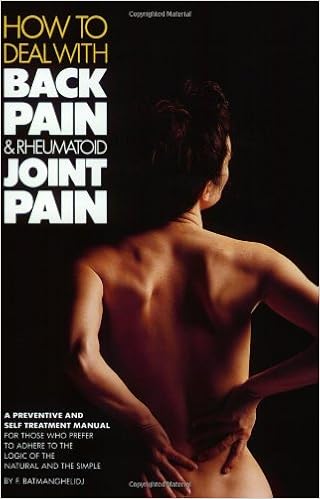
HOW TO DEAL WITH BACK PAIN & RHEUMATOID JOINT PAIN.

How to Deal with Your Back Pain and Rheumatoid Joint Pain: A Preventive and Self Treatment......

 About the Author
  Dr. Fereydoon Batmanghelidj ( "Batman-ge-lij" ー who did not wish to be licensed for "practice of pharmaceutically oriented and invasive medicine in the U.S.") received formal medical training at St. mary'd Hospital Medical School (London University). He research into the phenomenon of pain and water metabolism of the human body has dictated a paradigm change in the basic understanding of science applied to the practice of medicine. His views are published in scientific journals. The underlying principles of the recommendations in his treatment procedures are the most current knowledge of anatomy and the science of physiology.
    Since a highly significant and basic paradigm change is the practice of medicine, in the face of very stiff commercial and professional resistance, will be difficult to institute unless there is a concurrent public educational program to force the change, it has become necessary to begin a highly coordinated public awareness program. The author believes: " To end major diseases in earth within two decades is now a possibility. A paradigm change in the science of medicine will do it, but the public must demand the change. the time to act is now." - 1991, F. Batmanghelidj.

  For production of educational materials for public, under legal advisement, it became necessary to establish Global Health Solutions Inc.*, a legally independent enterprise. This self-treatment manual, How to Deal Simply with Back Pain & Rheumatoid Joint Pain, and the videotape How to Deal with Back Pain  are the first of these educational products. 


*NOTE: About Us: Global Health Solutions
Global Health Solutions, GHS, a worldwide publishing house, founded and developed by F. Batmagnhelidj, M.D., the world's foremost medical researcher on the medical properties of water, is a center of education for those who prefer to adhere to the logic of the natural and the simple in medicine.
GHS is dedicated to spreading the information of new science in medicine and promoting the public awareness of the hidden wonders of natural, simple, pure water in improving the public health and well-being.
GHS publishes Dr. F. Batmanghelidj¡'s pioneering work on dehydration that identifies different health problems caused by persistent dehydration of the human body - a totally different perspective to the cause and cure of many human diseases until now thought to be incurable.
Dr. B's two decades of research revealed a simple truth that unintentional chronic dehydration can cause diseases; it also demonstrated that many of the chronic degenerative diseases are preventable, and some of them can even be cured by increasing daily water intake. Dr. B's groundbreaking work provides new knowledge and new possibilities for improving and maintaining good health that the public need and deserve to know.
GHS is proud to be the publisher of all of Dr. B's six books in the series of You're Not Sick, You're Thirsty, as well as some of his most informative and inspiring public lectures and seminars in audio-visual formats.
GHS is committed to fulfilling Dr. B's mission - a mission to educate the public about the truth of dehydration so that we will not become unnecessarily over-drugged; to promote the public awareness of the healing powers of water so that we can become healers of our own bodies; to transform the expensive sick-care system so that we can have a more nature-friendly, people-friendly health care system.

LOOK INSIDE THE BOOK, CLICK HERE

How to Deal with Back Pain and Rheumatoid Joint Pain is a practical manual based on the author's many years of research and numerous clinical observations. The book introduces a new medical technology to treat and prevent back pain and rheumatoid joint pain. 

* Learn the vital information on the mechanics behind your spinal column, the role of the disc and its needs for water. 

* Learn the simple body movement that will promote fluid circulation in the disc spaces that will result in relief of the back pain and sciatic pain. 

* It is simple, safe and inexpensive. 

Don't hate yourself for missing out on this information.

The Cell
Let us take a  look at the most basic life-generating element in the human body, the cell. The cell is  surrounded by a very thin outer "skin" or membrane that protects it from being flooded by unregulated entry of water, salt, sugar, fats and many other elements that constitute the serum solution that is outside the cell wall.
  Since the cell is constantly bathed in serum solution, it regulates its intake and output by means of many, many small pumping units. Fluid inside the cells should be neutral, neither too acidic nor too alkaline; it has a pH of 7.4 under normal circumstance. The way this neutral pH maintained is very simple : the cation (cat-i-on) pumps constantly pump out hydrogen ion, which is the acid substance not used by the cell. The entire human body ー nerve tissue, bone, cartilage, ligament, muscle, blood, brain, you name it ー is made up of these tiny cells, each performing this regulation of intake and output of elements to maintain function. Each cell is just like an underwater city, with canal systems and waterways; outside of it, arteries and veins are its highways. 

Friday, August 11, 2017

Physiology of Urinary Concentration

The physiology of urinary concentration: an update.
Sands JM1, Layton HE.

Abstract
The renal medulla produces concentrated urine through the generation of an osmotic gradient extending from the cortico-medullary boundary to the inner medullary tip. This gradient is generated in the outer medulla by the countercurrent multiplication of a comparatively small transepithelial difference in osmotic pressure. This small difference, called a single effect, arises from active NaCl reabsorption from thick ascending limbs, which dilutes ascending limb flow relative to flow in vessels and other tubules. In the inner medulla, the gradient may also be generated by the countercurrent multiplication of a single effect, but the single effect has not been definitively identified. There have been important recent advances in our understanding of key components of the urine concentrating mechanism. In particular, the identification and localization of key transport proteins for water, urea, and sodium, the elucidation of the role and regulation of osmoprotective osmolytes, better resolution of the anatomical relationships in the medulla, and improvements in mathematic modeling of the urine concentrating mechanism. Continued experimental investigation of transepithelial transport and its regulation, both in normal animals and in knock-out mice, and incorporation of the resulting information into mathematic simulations, may help to more fully elucidate the inner medullary urine concentrating mechanism.

Sunday, July 9, 2017

Thirst and hydration: Physiology and consequences of dysfunction

The constant supply of oxygen and nutriments to cells (especially neurons) is the role of the cardiovascular system. The constant supply of water (and sodium) for cardiovascular function is the role of thirst and sodium appetite and kidney function. This physiological regulation ensures that plasma volume and osmolality are maintained within set limits by initiating behaviour and release of hormones necessary to ingest and conserve water and sodium within the body. This regulation is separated into 2 parts; intracellular and extracellular (blood). An increased osmolality draws water from cells into the blood thus dehydrating specific brain osmoreceptors that stimulate drinking and release of anti diuretic hormone (ADH or vasopressin). ADH reduces water loss via lowered urine volume. Extracellular dehydration (hypovolaemia) stimulates specific vascular receptors that signal brain centres to initiate drinking and ADH release. Baro/volume receptors in the kidney participate in stimulating the release of the enzyme renin that starts a cascade of events to produce angiotensin II (AngII), which initiates also drinking and ADH release. This stimulates also aldosterone release which reduces kidney loss of urine sodium. Both AngII and ADH are vasoactive hormones that could work to reduce blood vessel diameter around the remaining blood. All these events work in concert so that the cardiovascular system can maintain a constant perfusion pressure, especially to the brain. Even if drinking does not take place ADH, AngII and aldosterone are still released. Furthermore, it has been observed that treatment of hypertension, obesity, diabetes and cancer can involve renin–AngII antagonists which could suggest that, in humans at least, there may be dysfunction of the thirst regulatory mechanism.

Angiotensin, thirst, and sodium appetite.

Abstract

Angiotensin (ANG) II is a powerful and phylogenetically widespread stimulus to thirst and sodium appetite. When it is injected directly into sensitive areas of the brain, it causes an immediate increase in water intake followed by a slower increase in NaCl intake. Drinking is vigorous, highly motivated, and rapidly completed. The amounts of water taken within 15 min or so of injection can exceed what the animal would spontaneously drink in the course of its normal activities over 24 h. The increase in NaCl intake is slower in onset, more persistent, and affected by experience. Increases in circulating ANG II have similar effects on drinking, although these may be partly obscured by accompanying rises in blood pressure. The circumventricular organs, median preoptic nucleus, and tissue surrounding the anteroventral third ventricle in the lamina terminalis (AV3V region) provide the neuroanatomic focus for thirst, sodium appetite, and cardiovascular control, making extensive connections with the hypothalamus, limbic system, and brain stem. The AV3V region is well provided with angiotensinergic nerve endings and angiotensin AT1 receptors, the receptor type responsible for acute responses to ANG II, and it responds vigorously to the dipsogenic action of ANG II. The nucleus tractus solitarius and other structures in the brain stem form part of a negative-feedback system for blood volume control, responding to baroreceptor and volume receptor information from the circulation and sending ascending noradrenergic and other projections to the AV3V region. The subfornical organ, organum vasculosum of the lamina terminalis and area postrema contain ANG II-sensitive receptors that allow circulating ANG II to interact with central nervous structures involved in hypovolemic thirst and sodium appetite and blood pressure control. Angiotensin peptides generated inside the blood-brain barrier may act as conventional neurotransmitters or, in view of the many instances of anatomic separation between sites of production and receptors, they may act as paracrine agents at a distance from their point of release. An attractive speculation is that some are responsible for long-term changes in neuronal organization, especially of sodium appetite. Anatomic mismatches between sites of production and receptors are less evident in limbic and brain stem structures responsible for body fluid homeostasis and blood pressure control. Limbic structures are rich in other neuroactive peptides, some of which have powerful effects on drinking, and they and many of the classical nonpeptide neurotransmitters may interact with ANG II to augment or inhibit drinking behavior. Because ANG II immunoreactivity and binding are so widely distributed in the central nervous system, brain ANG II is unlikely to have a role as circumscribed as that of circulating ANG II. Angiotensin peptides generated from brain precursors may also be involved in functions that have little immediate effect on body fluid homeostasis and blood pressure control, such as cell differentiation, regeneration and remodeling, or learning and memory. Analysis of the mechanisms of increased drinking caused by drugs and experimental procedures that activate the renal renin-angiotensin system, and clinical conditions in which renal renin secretion is increased, have provided evidence that endogenously released renal renin can generate enough circulating ANG II to stimulate drinking. But it is also certain that other mechanisms of thirst and sodium appetite still operate when the effects of circulating ANG II are blocked or absent, although it is not known whether this is also true for angiotensin peptides formed in the brain. Whether ANG II should be regarded primarily as a hormone released in hypovolemia helping to defend the blood volume, a neurotransmitter or paracrine agent with a privileged role in the neural pathways for thirst and sodium appetite of all kinds, a neural organizer especially in sodium appetite.

Role of brain angiotensin II in thirst and sodium appetite of sheep.

The contribution of brain angiotensin II (ANG II) to thirst and Na+ appetite of sheep was evaluated. Thirst was stimulated by water deprivation, intracarotid or intracerebroventricular infusion of ANG II, or intracarotid or intracerebroventricular infusion of hypertonic solution. Intracerebroventricular infusion, over 1-3 h, of the ANG II type 1 (AT1) receptor antagonist, losartan, decreased or abolished water intake caused by all of the stimuli tested. Intracerebroventricular infusion of ZD-7155, another AT1-receptor antagonist, blocked ANG II-induced water intake. Neither losartan nor ZD-7155 infused intracerebroventricularly altered the Na+ appetite of Na(+)-depleted sheep. Intracerebroventricular infusion of losartan over 3 h, however, did block the increase in water intake and the decrease in Na+ intake caused by intracerebroventricular infusion of hypertonic NaCl in Na(+)-depleted sheep. Intracerebroventricular infusion of the ANG II type 2 (AT2) receptor antagonist, PD-123319, over 1-3 h, did not alter ANG II-induced water intake or Na+ depletion-induced Na+ intake. These results are consistent with the proposition that brain ANG II, working via AT1 receptors, is involved in the neural system controlling some aspects of physiological thirst and Na+ appetite. A role for AT2 receptors in physiological thirst or Na+ appetite is not supported by the present results.


Conditions for secretion of vasopressin in pressor amounts in water-replete rats. By Iriuchijima J.
Abstract

Conditions for secretion of pressor amounts of vasopressin were sought in conscious, water-replete rats. The characteristic lowering of arterial pressure on injection of a vasopressin antagonist was used to detect vasopressin secretion in pressor amounts. The absence or marked abatement of both baroreceptor impulses and adrenomedullary secretion were found necessary for secretion of vasopressin in pressor amounts: the vasopressin antagonist lowered arterial pressure in rats with sinoaortic denervation and ganglion blockade or adrenalectomy. Besides baroreceptor activity and adrenomedullary secretion, anesthetics were also found inhibitory on vasopressin release in pressor amounts. The adrenomedullary hormone signaling the presence of adrenomedullary activity to the vasopressin releasing mechanism was identified as noradrenaline and not adrenaline. It is suggested that the vasopressin pressor mechanism is recruited to sustain arterial pressure when the sympathoadrenal system fails.

[Role of vasopressin in arterial hypertension].
[Article in French]
Thibonnier M, Sassano P, Daufresne S, Menard J.
Abstract

On isolated arteriole preparations vasopressin behaves as an extremely potent vasoconstrictor. In healthy animals and man its pressor effect is counteracted by several compensatory mechanisms, including stimulation of the baroreceptor reflex with reduction of sympathetic activity, decrease in renin secretion, sodium loss and reduction of vascular response to vasopressor agents. Alterations of these mechanisms unmask the hypertensive effect of vasopressin as shown by several experimental hypertension models in animals. In human pathology vasopressin has been shown to be a good indicator of the severity pf arterial hypertension, but its role in that disease will only be determined when vascular antagonists of vasopressin devoid of paryial agonistic activity become available.

[Cardiovascular effect of the antidiuretic hormone arginine vasopressin].
[Article in German]
Rascher W.
Abstract

The two major biological actions of vasopressin are antidiuresis and vasoconstriction. The antidiuretic action of low concentrations of vasopressin is well established and concentrations 10 to 100 times above those required for antidiuresis elevate arterial blood pressure. Antidiuresis is mediated by V2-receptors at the kidney, whereas vasopressin constricts arterioles by binding at V1-receptors. Pharmacological effects of specific antagonists of the vasoconstrictor activity of vasopressin (vascular or V1-receptor antagonists) are presented. Low concentrations of vasopressin do have significant hemodynamic effects. Physiological concentrations of vasopressin cause vasoconstriction and elevate systemic vascular resistance. In subjects with intact cardiovascular reflex activity, however, cardiac output falls concomitantly and blood pressure therefore does not change. In animals with baroreceptor deafferentation or in patients with blunted baroreceptor reflexes (autonomic insufficiency) a rise in plasma vasopressin causes vasoconstriction and an increase in blood pressure, because cardiac output does not fall under these conditions. Vasopressin contributes substantially via increase in systemic vascular resistance to maintain blood pressure during water deprivation. During hemorrhage and hypotension vasopressin has a major role to restore blood pressure. In experimental hypertension vasopressin contributes to the development and maintenance of high blood pressure in DOCA, but not in genetic hypertensive rats. The role of vasopressin in human hypertension is not yet clear. Vasopressin in extrahypothalamic areas of the brain affects circulatory regulation by interaction with central cardiovascular control centers. The exact mechanism of how vasopressin is involved in central regulation of blood pressure remains to be established. In contrast to our previous opinion vasopressin is a vasoactive hormone also at low plasma concentrations. Its cardiovascular action is more complex than previously assumed.


PHYSIOLOGY & BEHAVIOR
EDITORS-IN-CHIEF
Founding Editor, MATTHEW J. WAYNER

Editorial Advisory Board
MICHAEL BAUM, Boston University, Boston, MA
TIMOTHY J. BARTNESS, Georgia State University, Atlanta, GA
GARY K. BEAUCHAMP, Monell Chemical Senses Center, Philadelphia, PA
LARRY L. BELLINGER, Baylor College of Dentistry, Dallas, TX
D. CAROLINE BLANCHARD, University of Hawaii, Manoa, Honolulu, HI
RICHARD J. BODNAR, Queens College of the City University of New York,
Flushing, NY
THOMAS W. CASTONGUAY, University of Maryland, College Park, MD
LIQUE M. COOLEN, University of Cincinnati, Cincinnati, OH
WIM E. CRUSIO, Laboratoire de Neurosciences Cognitives, Talence, France
SIETSE F. DE BOER, University of Illinois at Urbana-Champaign, Urbana, IL
JUAN M. DOMINGUEZ, The University of Texas at Austin, Austin, Texas
DAVID A. EDWARDS, Emory University, Atlanta, GA
D.P. FIGLEWICZ LATTEMANN, VA Puget Sound Health Care System,
Seattle, WA
CHERYL A. FRYE, SUNY at Albany, Albany, NY
RONALD J. JANDACEK, University of Cincinnati, Cincinnati, OH
ROBIN B. KANAREK, Tufts University, Medford, MA
KEITH KENDRICK, AFRC Babraham Institute, Cambridge, England
SARAH F. LEIBOWITZ, The Rockefeller University, New York, NY
BRUCE S. McEWEN, The Rockefeller University, New York, NY
MARILYN Y. McGINNIS, University of Texas at San Antonio, San Antonio, TX
KLAUS A. MICZEK, Tufts University, Medford, MA
GUY MITTLEMAN, University of Memphis, Memphis, TN
PIERRE MORMEDE, University de Bordeaux, Bordeaux, France
RANDY J. NELSON, The Ohio State University, Columbus, OH
MELLY S. OITZL, Leiden/Amsterdam Center for Drug Research and Leiden
University Medical Center, Leiden, The Netherlands
JAMES G. PFAUS, Concordia University, Montréal, Québec, Canada
SUSAN RITTER, Washington State University, Pullman, WA
ROBERT J. RODGERS, University of Leeds, Leeds, UK
NEIL E. ROWLAND, University of Florida, Gainesville, FL
PAUL A. RUSHING, National Institute of Health, Bethesda, MD, USA
NORBERT SACHSER, Westfalische Wilhelms Universität,
Münster, Germany
GARY J. SCHWARTZ, The New York Hospital–Cornell Medical Center, White
Plains, NY
ANTHONY SCLAFANI, Brooklyn College, Brooklyn, NY
ANDREA SGOIFO, University of Parma Via Usberti, Parma, Italy
GERARD P. SMITH, The New York Hospital–Cornell Medical Center,
White Plains, NY
WILLIAM P. SMOTHERMAN, State University of New York, Binghamton, NY
VOLKER STEFANSKI, Dept. of Animal Physiology, Universitätsstr. 30, 95440
Bayreuth, Germany
URSULA STOCKHORST, Institute of Psychology, Osnabrueck, Germany
JOHN G. VANDENBERGH, North Carolina State University, Raleigh, NC
ZOE S. WARWICK, University of Maryland, Baltimore, MD
RICHARD S. WEISINGER, La Trobe University, Victoria, Australia
MARGRIET S. WESTERTERP-PLANTENGA, Maastricht University, Maastricht,
The Netherlands

STEPHEN WOODS, University of Cincinnati, Cincinnati, OH

Thursday, May 25, 2017

Human Body Organ Systems: An Orientation

Human Body Organ Systems

The human body is made up of 11 organ systems that work with one another (interdependantly). These systems include the 
1. integumentary system, 
2. skeletal system, 
3. muscular system, 
4. lymphatic system, 
5. respiratory system, 
6. digestive system, 
7. nervous system, 
8. endocrine system, 
9. cardiovascular system, 
10. urinary system, and 
11. reproductive systems. 

We will briefly discuss the major functions of each organ system below.


1. Integumentary system– (skin, hair, nails) Forms the external body covering and protects deeper tissues from injury. Houses cutaneous receptors, sweat glands, oil glands, and synthesizes vitamin D.

2. Skeletal system– (bones, joints) Supports and protects the body’s organs. Provides a framework muscles use (movement). Bones also store minerals and create blood cells.

3. Muscular system– (skeletal muscles) Maintains posture and produces movement (locomotion). Produces heat.

4. Lymphatic system– (red bone marrow, thymus, lymphatic vessels, thoracic duct, spleen, lymph nodes) Houses white blood cells (lymphocytes) involved in immunity. Returns leaked fluid from blood vessels to the blood and disposes debris within the lymphatic stream.

5. Respiratory system– (nasal cavity, pharynx, larynx, trachea, bronchus, lung) Removes carbon dioxide and continually supplies blood with oxygen. Gaseous exchanges occur in the respiratory system (lungs).

Human Body's 11 organ systems
11 organ systems


7. Digestive system– (oral cavity, esophagus, liver, stomach, small intestine, large intestine, rectum, anus) Breaks down food to be absorbed and eliminates indigestible waste.

8. Nervous system– (brain, spinal cord, nerves) Control system of the body, responds to internal and external changes, activates muscles and glands.

9. Endocrine system– (pineal gland, pituitary gland, thyroid gland, thymus, adrenal gland, pancreas, ovary, testis) Glands from the endocrine system secrete hormones that regulate many processes like growth, metabolism, and reproduction.


10. Cardiovascular system– (heart, blood vessels) The heart pumps blood and blood vessels transport it. Blood carries oxygen, carbon dioxide, nutrients, waste and more throughout the body.
Urinary system– (kidney, ureter, urinary bladder, urethra) Eliminates nitrogenous wastes from the body. Regulates acid-base, electrolyte and WATER balance of blood.

11. Reproductive systems

MALE (prostate gland, penis, testis, scrotum, ductus deferens)

FEMALE (Mammary glands, ovary, uterus, vagina, uterine tube)

The main function of the reproductive system is to produce offspring. Sex hormone and sperm are produced by the male testes. Male ducts and glands help deliver the sperm. Ovaries produce female sex hormones and eggs. Other female reproductive structures serve as sites of fertilization and development. For instance, the mammary glands produce milk for the newborn.

11 organ systems

Tuesday, April 4, 2017

How to Deal With Back Pain and Rheumatoid Joint Pain


This educational and preventive treatment manual gives you easy-to-use techniques for relieving chronic back pain and rheumatoid joint pain. This new approach to prevention and treatment of back pain is simpler, inexpensive, less dangerous and more effective.
-- Learn the vital information on the mechanics behind your spinal column, the role of the disc and its needs for water
-- Learn the simple body movement that will promote fluid circulation in the disc spaces the twill result in relief of back and sciatic pain.

Dr. F. Batmanghelidj ( "Batman-ge-lij"- who did not wish to be licensed for "practice of pharmaceutic-ally oriented and invasive medicine in the U.S.") received formal medical  training at St. Mary's Hospital Medical School (London University) . His research into the phenomenon of pain and water metabolism of the body has dictated a paradigm change in the basic understanding of science applied to the practice of medicine. His views are published in scientific journals. The underlying principles of the recommendations in his treatment procedures are the most current knowledge of anatomy and the science of physiology. 

How to Deal with Back Pain and Rheumatoid Joint Pain is a practical manual based on the author’s many years of research and numerous clinical observations. The book introduces a new medical technology to treat and prevent back pain and rheumatoid joint pain. * Learn the vital information on the mechanics behind your spinal column, the role of the disc and its needs for water. * Learn the simple body movement that will promote fluid circulation in the disc spaces that will result in relief of the back pain and sciatic pain. * It is simple, safe and inexpensive.  Don’t hate yourself for missing out on this information. Dr. Batmanghelidj received his formal medical education at St. Mary’s Hospital Medical School of London University. He provides for the layman a clear and comprehensive book on the origins of chronic pain. His clinical and scientific research exposes, for the first time, that recurring “chronic pains” are a signal system of the body indicating severe general or local dehydration. Most of these pains can be relieved simply by drinking enough water. Instead, however, the patient often receives costly pharmaceutical medications which treat rather than cure.   In this book, back pain and rheumatoid joint pain as indicators of local chronic dehydration are explained. The mechanisms involving the important role of water in holding the spinal column together are discussed. Based on years of detailed study of the human anatomy and the science of physiology, Dr. Batmanghelidj has devised a new exercise approach for the successful hydration of the disc core, the retraction of the displaced discs, and immediate relief of pain, even sciatica. These exercises are clearly explained and demonstrated, and may be the only way to save yourself from the surgeon’s knife.   This book is unlike any other “how-to” book on the market. It is an instructive presentation about the very simple way of finding comfort and relief from two of the most commonly occurring pains of the body low back pain and rheumatoid joint pain.

The Foundation For The Simple In Medicine

In 1983, the Foundation for the Simple in Medicine, a charitable medical research (think tank) foundation, was founded to establish grounds for a change in the present fundamental understanding of the basis on which all human applied research has been done. The present basic assumption in practice of medicine (paradigm) is that it is the physico-chemical properties of ions ( "i-ons" are the purest form of the basic elements, such as sodium, potassium, calcium, magnesium, etc.) that regulate the water intake of the human body, and that the substance we call "water," the solvent of the body, performs a passive role to these basic elements and everything else that is dissolved in the same solvent.

Why? Because early in research , it was recognized that solutes (substances that are dissolved in the body fluids) are highly reactive substances. Clinical experience has shown that this assumption cannot be complete , because the human body can become dehydrated as we progress in age. The Foundation for the Simple in Medicine holds the opinion that since the sensor regulators to ion exchanges that regulate the water movement in the human body are proteins, and proteins by nature are obedient in the presence of water, the more free water there is around them, the more efficiently these proteins function. It therefore follows that it must be water that ultimately regulates its own intake.

Clinically , this view can be validated by the fact that people who do not acknowledge thirst even though dehydrated, after a few days of regulating their water intake on a "forced voluntary" basis, will rediscover their thirst sensation -- their body's craving for water. The Foundation for the Simple in Medicine is making another statement which follows the logic  of the previous view: Since all functions of the human body are water-dependent, let us revise our approach to medical treatment procedures; let us recognize a primary water regulatory role for the neurotransmitter systems that has been recognized to be involved in the water intake mechanisms of the body. In the medical condition where these systems are being chemically manipulated to make the patient "better,"  let us try to satisfy the natural urge of these systems for water before there is any chemical interference with their systems' other natural emergency regulatory functions. The systems recognized for water regulation for the body are : serotonergic (which regulates the calcium movement of the cell, and pain registration among many other functions, histaminergic (which regulates cat-i-ons --cations are the basic elements that carry a positive electric charge-- exchange in the cell, also recognized in many other functions, induction of pain and allergy) and renin-angiotensin (which is stimulated into activity by the two previous systems independently and possibly simultaneously, manipulated in hypertension.)

To introduce its ideas into the practice of medicine all over the world, The Foundation for the Simple in Medicine has begun the publication of its scientific views in its own Science in Medicine Simplified (Sci. Med.Simplified), which is periodically printed and distributed to research centers and medical libraries in different parts of the world.

Our Invitation to Worldwide Readers
" Let us lobby together and ask the scientists in medicine to begin the evaluation of the statements dictated by the new paradigm that recognizes the regulatory and reactive hydrolytic functions of water in the human body. Under the new paradigm , you can rest assured , the practice of medicine will become a much gentle preventive, as well as curative , physiological approach to early disease emergence , before the damage is done.

We are most interested in hearing your reactions to this book and invitation, and about results success or relief you may achieve by following the suggestions and exercises presented herein.

If you follow the program and recommendations and do not experience relief, we would like to hear about that as well. the comments of physicians and other health-care professionals will be particularly appreciated.

Please sent  comments, reactions, and suggestions to:

Back Pain
P.O.Box 3189
Falls Church, Virginia 22043, USA.

All responses will be held in strictest confidence.

Back Pain, Disc Displacement,
Rheumatoid Joint Pain : Water and Exercise

This educational preventive-treatment manual will deal with chronic back pain and rheumatoid joint pain in language as simple as possible , although the impact of what is being said will eventually fill volumes of written material. The reader is advised not to judge the value of this book by its simplicity of presentation, but should try to evaluate the essence of what is being said. Justification of confused views will always produce voluminous verbiage, particularly when held views have to have an application appeal for the people who are at the receiving end, and if it eventually will mean expensive surgical interferences.

If we are to prevent decompensation and/or achieve relief from pain of disc displacement , we have to make sure that our human body is optimally hydrated so that water can leave the main blood circulatory systems and hydrate the disc core; also, from the front angle of the intervertebral spaces is kept widely open, until corrective restitution to the physical properties and position of the disc have taken place: How do we do this?

Image result for Decreased Intervertebral Disc Space

Image result for Decreased Intervertebral Disc Space

You are encouraged to read this book in its entirety; however, a preliminary reading of the first part of the manual will clearly illuminate how it is possible to alleviate the pain and anxiety of back discomfort , mild or excruciating. The more detailed part of the manual should then be read to revise and learn more about the physiology of pain, the cell, the nerves sensitive to pain ; referred pain and/or muscle weakness caused by a prolapsed intervertebral disc; weight and motion and their effect; the foot and its arches; special points about pelvic anatomy and distribution of forces; the relationship of the disc to the vertebra; the disc and its functions; and the cartilage and the joints.

Simple exercises and hydrolic treatment (regulated water intake) are carefully explained.

Here, then, is a guide to the care and preventive treatment of back pain and disc displacement , as well as rheumatoid joint pain.

Chronic Pain : What Does It Signify?

This book started as a simple address of back pain, which, as everyone  knows, is a devastating chronic pain of the human body. as my research at the Foundation (The Foundation for the Simple in Medicine) into the phenomenon of pain has steadily progressed, I realized that this book would be incomplete  if some explanation on the "other" chronic joint pain of the body -- rheumatoid arthritis -- was not included. After all , most back pain originates at the vertebral joints, and if book was to be a grass-roots  approach to pain, rheumatoid joint pain is an equally devastating condition that also deserved discussion. The fundamental explanations about the origin of  rheumatoid joint pain are equally simple, and, at the onset, it is even more simply treatable than back pain.

A news item in the 31st July,1990 Health Section of The Washington Post gave me sufficient emotional shock to re-structure this book, which was at that time already in the printer's hands.

A 47-year-old child psychiatrist had been suffering from severe  rheumatoid arthritis for some time. She had been given the customary medications until she had developed addiction, apparently, and the combination of addiction and pain had totally incapacitated her. She had a daughter of 17, who was brain-damaged and asthmatic, and a son who was bright. The stress in the family setting had become so great that even the housekeeper suffered a heart attack. The psychiatrist's husband, himself a doctor and a prominent cancer researcher, eventually found the situation unbearable enough that he took the lives of his wife and two children and then committed suicide.

To my mind, this tragedy --- along with similar , daily-occurring tragedies, --- stemmed from a most absurd ignorance and the "ostrich" policy of those involved in the politics of medicine. The scientific knowledge that can offer simple solutions to major health problems --- most particularly , at a preventable stage that would not cause severe genetic damage -- does exist.

For the innocent and trusting sick to benefit from the solutions offered within the science of physiology, medicine will need a change of stand by some key policy-makers and the government administrators of health who support the present commercial attitude of the health-care industry; medical professionals will need to give support to alternative ideas and the more plausible science-based solutions to the health problems of the sick. This change of attitude might not serve the profit motivations of the industrial and commercial arms of the health-care institutions, but it should be remembered that simple, nature-serving solutions to major public health problems are less costly to the society they are obligated to serve.

Monday, April 3, 2017

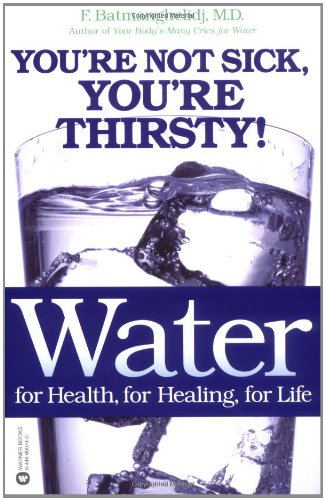
Water: For Health, for Healing, for Life: You're Not Sick, You're Thirsty!

―Asthma, allergies, arthritis, hypertension, depression, headaches, diabetes, obesity, and MS. These are just some of the conditions and diseases that are caused by persistent dehydration. But there is a miracle solution that is readily available, all natural, and free: water.


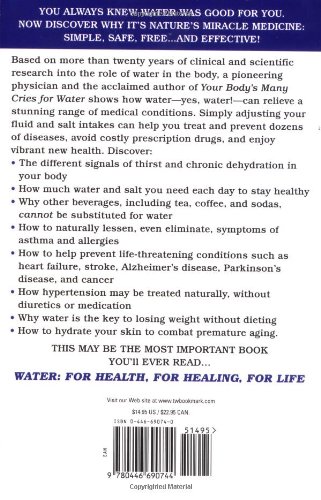
YOU ALWAYS KNEW WATER WAS GOOD FOR YOU. NOW DISCOVER WHY IT'S NATURE'S MIRACLE MEDICINE: SIMPLE, SAFE, FREE ... AND EFFECTIVE!

Based on more than twenty years of clinical and scientific research into the role of water in the body, a pioneering physician and the acclaimed author of Your Body's Many Cries for Water shows how water


To medical maverick Professor Emeritus Howard Spiro, M.D., of Yale University. He was the first medical scientist to realize the merit of my clinical research and introduce it to the Western medicine; he published my editorial article, " A New and Natural Method of Treatment  of Peptic Ulcer Disease," in his Journal of Clinical Gastroenterology in June 1983. His interest and encouragement gave me the incentive to pursue my research to this date, the product of which is the information you have in your hands.


THE DAWN OF A NEW MEDICAL ERA

Only IF YOU begin to suffer from a health problem that may eventually kill you will you begin to search high and low for an explanation and solution to your predicament. Until then , you cannot appreciate what an emotionally draining impact a doctor's visit and the pronouncement of his or her serious findings has on the life and soul of another person. Let us hope you or  anyone you care for never confronts such a situation -- which thousands face daily. The reason we have a health-care crisis in America (and around the world) today is because many disease prematurely devastate and kill millions of people. At the same time, the health-care crisis costs us about US$1.2 trillion in 2001, and it is predicted that this cost will increase by 11 per cent every year. In 2016 , the health-care crisis costs the nation US$6.37 trillion.

It is true that we are scientifically the most advanced nation in the world and spend billions of dollars a year on medical research. If you look at recently published medical textbooks, however, you will see page upon page of explanation about diseases that kills; yet when the authors of these books reach the point of having to shed  light on the cause of the disease, they confess  -- "etiology unknown." This means most doctors do not know the cause of the major diseases of the human body, yet society has given them license to prescribe various treatments that often do not benefit their patients, but can slowly and prematurely kill them. The good news is that this license is about to be withdrawn.

What you are about to read here is new knowledge , and represents a new perspective within the science of physiology -- not a form of science used by drug manufacturers, but the discipline of science that defines the way the living tissues and organs within the body work  naturally.  This book deals with some important health problems and the cause and natural correction -- cure -- of these problems. When the cause and cure of any health problem becomes clear, the use of excessive language and tongue-twisting jargon becomes unnecessary. What you will read here is based on extensive clinical and scientific research. I have researched,  studied, and written about the information in this book for more than twenty-two years, in addition to my medical training, which began in 1950, when I entered St. Mary's Hospital Medical School of London University.

The topic I am about to discuss is the physiological ramifications and metabolic complications of chronic unintentional dehydration as the primary cause of many serious diseases. Some say it is the greatest breakthrough in modern medicine.

This simple presentation about some of our modern health problems is an introduction to the eventual science-based and logic-based transformation of medicine all over the world. It is prepared with the immediate "shot-in-the-arm" needs of society in mind, particularly for the 15 million asthmatic children whose parents urgently need to understand the cause of this disease (asthma) and its simple, cost-free prevention and potentially life-saving treatment.

WHERE DID MODERN MEDICNE GO WRONG?

The greatest tragedy in medical history, in my opinion is the assumption that dry mouth is the only sign of the body's water needs.  Based on this mistaken assumption, modern medicine has made three other confounding mistakes that have cost society dearly. Let us look at these four mistaken assumptions.

1. The whole structure of modern medicine is built on the pitifully flawed premise that dry mouth is the only sign of dehydration. This false premise is responsible for the lack of understanding about various painful health problems that result in premature death to many millions of people. They suffer because they do not know they are seriously thirsty. Modern "science-based" medicine is structured upon the simple dry mouth mistake that became established many years ago. In 1764, Albrecht von Haller, a German, first claimed dry mouth as a sign of thirst. In 1918, Walter Bradford Cannon, an English doctor, supported Haller's view; since he was an influential person, his view become fashionable and are reflected in accepted scientific literature to this day. Frenchman Moritz Schiff, however, had claimed in 1867 that thirst is general sensation ; "It is not more a sensation than hunger." We now know that Haller and Cannon were wrong -- but since theirs were the views that took root in the infrastructure of medicine, the same mistake has been passed on from one generation of medical students to another until the present day. This traditional flaw in the scientific understanding of the human body's water regulation altered the path of medicine. Schiff understood the human body better.

Actually, dry mouth is not a sign to rely on. The human body uses a different logic; To be able to chew and swallow food, and to facilitate and lubricate this function, ample saliva is produced, even if the rest of the body is short of water. In any case, water is too important to the body to signal its shortage only through the experience of a dry mouth. The human body has many other sophisticated signals to indicate when it is short of water. The body can suffer from deep dehydration without showing a dry mouth. Dehydration produces severe symptoms, even to the point of causing life-threatening crises. As a result, toxic medications are prescribed to treat "diseases' rather than the dehydration.

Dry mouth is one of the very last indicators of dehydration of the body. By the time dry mouth becomes an indicator of water shortage, many delicate functions of the human body has been shut down and prepared for deletion. This is exactly how the aging process is established -- through a loss of enzyme functions.  A dehydrated body loses the sophisticated and versatility. One example is juvenile diabetes , in which the insulin-producing cells of the pancreas are sacrificed as a result of persistent dehydration.

2. The second major mistake in the basic science of medicine is the thinking that water is a simple substance that only dissolves and circulates different things. Water is not a simple inert substance. It has two primary properties in the human body. The first one is its life-sustaining properties. The other, more important, role of water is its life-giving functions. Modern medicine recognizes only the life-sustaining properties of water. That is why chronic unintentional dehydration is ultimately an unrecognized life-threatening process. You need to recognize and understand the process to save your health and your life -- naturally.

3. The third serious error in medicine is the premise that the human body can regulate efficiently its water intake throughout the lifespan of the person. As we grow older, we lose our perception of thirst and fail to drink water adequately, until the plum-like cells in vital organs become prune-like and can no longer sustain life. We need to recognize the onset of dehydration and its manifestations to prevent the irreversible stages of the process.

4. The fourth nail in the coffin of present-day medicine is the thought that any fluid can replace the water needs of the body. This is a major problem at present. Some of the manufactured beverages in common use do not function in the body like natural water. If you begin to understand the natural reason some plants manufacture caffeine, or even cocaine , you will then recognize the problem.

The information in this book is about one of the greatest of all health discoveries in the world, because it exposes an important tragedy in medical history --the erroneous assumption that the dry mouth state is the only sign of the body's water needs. Simply put, the new scientific understanding is that chronic unintentional dehydration in the human body can manifest itself in as many ways as we in medicine have invented disease. We have created an opportunity for the drug industry to thrive, and have given birth to the current "sick-care" health system, at the expense of people's precious lives and resources. The sick-care system survives and thrives when people are continuously sick. This is exactly what is going on now.

Tragically, the medical breakthrough about dehydration as the origin of most health problems is not reaching the public through the commerce-directed health-maintenance systems in this country.
If it did, it would mean the rapid extinction of these systems. Yet there is no sane reason why tens of millions in our society should be drug-medicated when all they suffer from is dehydration.

The statements in this introductory chapter are not meant to reflect badly on the dedicated staff employed within the sick-care system, who daily render compassionate service to the unfortunate sick. They are not to be blamed for the fundamental mistakes in standard treatment protocols in medicine. The blame is directed at the medical professionals in powerful positions and the national health institutes that have the power  to correct the problem, but have shown reluctance to do so.

Mainstream medicine and its fund-raising sidekicks will not of their own accord abandon pharmaceutical medicine. Why?  They do not want to allow natural solutions to the health problems of society to get clearance and reach the public. This book is designed to upset this self-serving trend, which benefits only the commercial health-care systems in our advanced society , to the detriment of the people.

It is now crystal clear that the human body has many different ways of showing its general or local water needs. these manifestations of drought in the body have been assumed to be indicators of this or that disease condition. Based on this ignorance, and protected and coddled by the pharmaceutical industry, mainstream  medicine has labeled the different complications of dehydration as various "disease." On the basis of this erroneous assumption, the trusting American public has to pay ever-increasing health-care costs with their health and hard-earned money.

We must understand that persistent dehydration brings about a continuously changing new chemical state in the body. When a new dehydration-produced chemical state becomes fully established, it causes many structural changes, even to the genetic blueprints of the body. This is why prevention of dehydration is crucial. This is also why childhood asthma is a major health issue with me, as is noninfectious ear-aches in infants. Dehydration, to the point of causing asthma in children, can ultimately cause genetic damage, autoimmune disease, and even cancer in their later years.

Understanding chronic dehydration will clear the way for the development of an infinitely more people-friendly health-care system. It will be possible in my estimation to have a decidedly healthier and productive nation at 30 percent of the present health-care costs. (in 2016, the health-care crisis costs US$6.37 trillion, at 30 percent it will be only US$1.91 trillion). As you see, I am not promoting a moneymaking product. I am only sharing a unique medical insight and the outcome of my many years of research that will help medical professionals and the public understand the basic cause of so many conditions of ill health.

We are in the 21st century, yet even at this stage of development, the outward manifestations of regional dehydration have not been understood by us in medicine. We have always looked for a drug solution to throw at a health concern. We have not succeeded at limiting these health concern; rather , we have constantly expanded the list and throw more drugs at them. We have truly caused a costly chaos in the name of modern medicine, with no end in sight. We now have significant problems that beg urgent solutions. As Albert Einstein observed: "The significant problems we have cannot be solved at the same level of thinking with which we created them."  We obviously need a new approach to medical science to solve our health problems.

Wednesday, March 22, 2017

There Is a Cure for Diabetes

Diabetes has become a seemingly unstoppable national epidemic, affecting more than twenty million Americans. Conventional wisdom calls it incurable, but renowned Dr. Gabriel Cousens counters that claim with this breakthrough book. There Is a Cure for Diabetes lays out a three-week plan for reversing the negative genetic expression of diabetes to a physiology of health and well-being. Dr. Cousens’s method, widely tested at his famous Tree of Life centers, is to reset the DNA through green juice fasting and a 100% organic, nutrient-dense, vegan, low-glycemic, low-insulin-scoring, and high-mineral diet of living foods in the first twenty-one days. Both practical and inspirational, the book explains how to abandon the widespread “culture of death”–symbolized by addictive junk food–that fosters diabetes in favor of a more natural, nurturing approach.

The program renders insulin and related medicines unnecessary within four days as the blood sugar drops to normal levels; and the diabetic shifts into a non-diabetic physiology within two weeks.

The third week focuses on live-food preparation, featuring 100 delicious raw recipes. Dr. Cousens emphasizes regular consultations, monitoring blood chemistries, and emotional support, and includes a one-year support program to help maintain a diabetes-free life.

Click here to Look Inside the book .....

There Is a Cure for Diabetes, Revised Edition: The 21-Day+ Holistic Recovery Program Paperback – April 9, 2013
To review all previous posts related to diabetes cure ... just click here  


Saturday, February 11, 2017

Minerals In The Body

Why We Have Minerals In The Body

Next to water, minerals are the backbone of cell physiology.  Although they are represented in the blood to a lesser extent, potassium, calcium, magnesium, zinc, selenium, chromium, copper, manganese, boron, vanadium, silicon, and some others maintain life inside the cells of the body.  There are more of them inside the cells than there are in the blood.  The first thing they do is osmotically hold on to water and regulate the plum-like volume and structure of the cells from inside.  They also regulate the acid-alkaline balance inside the cell.

When these elements are adequately present in the cell interiors, they osmotically and naturally pull and keep water in the cell.  When these elements are less than adequately available, the method of water delivery into the cells is by forced injection through “showerheads,” which are formed in the cell membrane to let only water in.  To do this, added pressure-injection pressure-is needed.

Proportionate to the level of mineral deficiency in the cell interior, injection pressure is adjusted to do the work.  At a certain level, the rise in injection pressure becomes significant and is called hypertension.  Hypertension denotes mineral deficiency in the interior of the cells of the body-a state of general mineral deficiency.  Once this deficiency is corrected, and in conjunction with adequate salt intake, the blood pressure becomes normal once again.  The more functionally important intracellular minerals are:  Potassium, Calcium, Magnesium, Zinc and Selinium.

High Blood Pressure Testimonials

On 8/20/2015 2:34 PM, 
Mark Kupfer wrote: 

Hi Bob, Excuse me for the belated response. I will try to keep this brief and spare you from all the boring details. Prior to my starting the water cure, I had been suffering from gout, dangerously high blood pressure and a whole slew of problems. 

After taking a blood and urine test the doctor stated, "Mr. Kupfer you've got serious kidney damage among other issues." He wrote a prescription. I remember walking into the pharmacy, about to pick up medication. 4 sets of drugs. Holy smokes, I thought to myself. There has got to be a better way. I simply excused myself walked out without taking the medicine. 

Yes a dangerous move. I do take the bp medication. Searching for alternatives, not wanting to drastically alter my lifestyle, I discovered the watercure. Starting the process January 2014. Over the course of 6 month's my lab workup improved substantially. I can safely state there was a 80% improvement. I eradicated the gout, lowered but not yet normalized my bp. Kidney functions are normal. Lost weight. Many other readings are normal. 

Bear in mind. During that 6 month period I had an intensive blood and urine test each month. I told the doctor, "check off everything, even the pregnancy test!" Lol. That's how serious and firm I was. 

After 6 months as doc reviewed the progress, he was amazed. He asked, "Did you become a vegetarian?" "Vegan? No way!" I said. I showed him the watercure. Doc was in denial. I said my lab work is proof. This ain't quackery. I must state while watercure allowed my health to improve, 85% of the issues are now gone. But, some exercise and dietary changes must be incorporated into your daily lifestyle. 

I promote the watercure to everyone I talk to. My family already knows I will talk "watercure" where ever we go. I tell people "I am living testimony". Feel free to publish my name and contact info. 

Sincerely, Mark Kupfer

**********

Click And Listen


Excerpt On High Blood Pressure

From the soon to be released book
'Goof Proof Health'
by Jim Bolen and Jim Rising

High Blood Pressure

14 years ago my blood pressure was 265 over 120…..Besides being sky high what do those numbers mean. Well, simply put, the top number is the pressure in your arteries and the bottom number is how hard the heart (pump-muscle) is working to create the top number. The accepted normal blood pressure range is 90 over 60 to 130 over 90.

If the top number stays at 160 or goes even higher for a long period of time it can cause a stroke, because the thin veins and arteries in your brain are not designed to handle high blood pressure for long periods of time. 

If the bottom number stays at 95 or even higher for a long period of time (years), it will cause the heart (pump muscle) to enlarge. As the heart gets bigger and bigger it will stretch or pull apart the heart valves causing leaks or heart failure. 

*High blood pressure can cause:
Strokes
Heart failure
Heart attack
Hardening of the arteries
Kidney damage
Retina damage in the eyes

Temporary high blood pressure is required by our body to get us out of bed, climb stairs or go running. When we get scared our blood pressure goes way up in case we need to react to an emergency. This high blood pressure is required to supply the oxygen and other chemistry to the body.

Blood pressure is measured "at rest", meaning your pulse (heart beat) should be some where around 60-65 beats per minute. If the pulse rate is above 65, then the blood pressure will not be the true "at rest" reading. 

Dr Batman talks about a flaw when you or your doctor takes your blood pressure. The compressing of the arteries in the arm causes a temporary blockage (stopping the flow of blood). In a healthy system this tells the brain you have no flow of blood in the arm. Your brain will increase the blood pressure to try to remove the blockage. This can give you a false reading.

Dr Batman suggests several readings should be taken one after another (no waiting in between). It can take up to 5 tries to get an accurate reading. When you get two readings the same, then the brain knows you were only doing a test. Try this yourself and you will see the numbers go down with each reading. Remember, if the pulse is higher than 65 then the reading will not be your true "at rest" reading.

If your blood pressure is up all the time you should go on medication to lower it until you can find the cause and fix it.

The main cause of high blood pressure, according to Dr Batman, is being low on water. Our blood is 94% water. When your blood is low on water, then your heart must pump the lower volume of blood harder thru the constricted (tightened up) veins and arteries.

You should slowly increase your water intake by adding just one, 8 oz glass of plain water (250ml) each day while stopping any commercial beverage's like alcohol, coffee, soda, tea and ginseng until you reach the required amount. Juices don't replace the need for plain water, but a couple glasses per day are okay.

You need half your weight in ounces of plain water every day. You need at least 1/8 tsp (3/4 gram) of salt (sodium chloride) for every 16 oz (500ml-half a liter) of water. Unrefined sea salt is the best to use because it contains over 80 trace minerals that are not in your everyday brand of table salt. It also tastes better.

Please read "Important Tips to Know Before Starting the Water Cure Program" on page 120. This information is CRITICAL for you to be able to use the water & salt program properly.

Doctors suggest we should stay away from salt and sugar because we get too much in our food. All that flies out the door when you have a medical emergency and go to the hospital. What do they do there…they will give you an IV of saline (salt water) and an IV of dextrose (sugar water). They may also give you an IV of vitamins and minerals. 

Why, when you leave the hospital and go to your doctor's for a follow-up, at some point he will tell you to stay away from salt and sugar once again?

Putting salt on your tongue will:

Clear up any congestion in your lungs or sinuses
Stop a runny nose (antihistamine)
Stop muscle cramps. 
Possibly improve your vision temporarily 

By following Dr Batman's program I was able to lower my blood pressure from 265 over 120 down to 120 over 80. That was 14 years ago and it is still the same today. 

Dr Batman's complete program simplified is:

Drinking plain water
Getting the required amount of salt
Taking supplements 
Eating foods to supply the body with amino acids 
Walking each day 

You must read the chapters on water, salt, food and exercise to better understand the complete program. This chapter on high blood pressure is to educate the reader and point you in the right direction.

If you are having problems with drinking the water or taking the salt then go to the trouble-shooting chapter on page 115. 

This is suggested information only to educate a person on what we have learned and experienced from following Dr Batman's published books. Try it at your own risk.

Note: About 1 in 150,000 people that are either drinking water or taking salt for the first time in a long time may see their blood pressure go up for 1 to 2 days. If this is you, consider yourself special, go out and buy a lottery ticket. Your cells are adjusting to the water and salt you have been taking. When they are done your blood pressure will come down.

If you become light headed, dizzy or weak after either drinking water or taking salt for the first time, get some ice and place it on the right side of your neck until you can't stand it anymore. Then place the ice on your left side of the neck, again until you can't stand it. Keep repeating this and you will slowly start to bring your self out of this sensation.

Now, when you begin the program again, you must start drinking water and taking the salt at a slower pace. See page 116 for information on how to do this.

* Texas Heart Institute @ St. Luke's Episcopal Hospital website

My name is Stephen Knight. I am 58 years old and live in Lake Ariel Pa. My girlfriend told me about the water cure after it cured her high blood pressure but I was very, very skeptical. I suffered with dangerously high blood pressure and the thought of “consuming salt” is unheard of . After talking with Bob Butts and constant nagging from my girlfriend I decided I’d d try it for 2 days (just to shut her up)! The very first night I slept without interruption. That’s something I haven’t done in years. The next day my BP was 146/85, I couldn’t believe it! I lost my medical insurance and cant afford to go to a doctor. The only thing he’d do is prescribe medication that I cant afford anyway. I’ve been on the water cure for 2 weeks and the affects are phenomenal. Not only is my BP at normal levels but, I have more energy, I’m more alert, have a better appetite, sleep much better and it goes on and on. For a skeptic like myself to participate in something like this is shocking in itself. I cant dispute these results and I am very excited about them. So why aren’t we told about this? 
*****

From: Michael V. Krol 
            R.R. #2 Box 1645 
           Honesdale PA. 10431
           (570) 253-2259

To: Bob Butts 
       Cee-Kay Auto
       4949 Birney Ave.
       Moosic, PA. 18507
My life changed after two months on the "Water Cure." As the result of an accident on Oct. 5,1954, I suffered a broken back, dislocated shoulder, dislocated knees, a smashed foot and a fractured skull. I've had severe pain and discomfort ever since. I was taking Lasix, a diuretic for edema of both legs. I also took atenolol and lisinopril for high blood pressure and was told to use no salt. I was a heavy consumer of alcohol most of my life. It got to where I was drinking one or two six-packs of beer each day and sometimes as much as a full case. I prayed to God to help me stop drinking. 

I first heard about the "Water Cure" on "Positive Press on the Air." My wife and daughter went to Cee-Kay Auto and spoke to Bob Butts about the "Water Cure." I sat in the car. It wasn't easy for me to come in. I read the literature and it made sense to me, so I tried the "Water Cure." The day I started drinking a gallon of water a day while using sea salt liberally, I quit drinking alcohol. I've had no desire for any since, even when in the company of others drinking alcohol. My pain is diminished to the point that I don't park in handicap spots. I am now off all pain medication. The edema in my ankles disappeared in two days. In two weeks my blood pressure returned to normal and I've been off the medication since. Before going on medication my pressure was 166 over 126. On medication it would be about 156 over 83. Now it is 141 over 78. My energy also greatly improved. It's incredible how much my life changed for the better in just two months. 

I recommended the "Water Cure" to my daughter Kelly, who was suffering from compacted bowels. In five days she was restored to health. Her complexion also greatly improved. She had very severe blemishes and skin texture that was so bad it resembled alligator hide. It returned to almost normal in five days. She now feels like a million dollars Feel free to share my success with your listeners and readers. You may use my name, address and telephone number. Our E-mail address is Mike_Krol@onebox.com
******
Amazing Results With Salt Baths

I have personally seen my blood pressure drop to normal virtually every time in 5 to 15 minutes after being in a salt bath consisting of 2.5 cups (2 cups for our large tub, 1 cup is fine for a regular size tub) of salt (unprocessed sea salt is best, but even junk table salt is very helpful) and about 1/2 cup of baking soda. Keep the water temperature at 98.6 or lower so your body isn't isn't being stressed trying to maintain the proper temperature. My problem is that even though I drink a lot of water & use plenty of salt, there are times when I get dehydrated. Rather than drink enough salt & water, I started researching the salt baths and the results were amazing. This is great for people whose MD tells them not to use salt & you can bet he/she would have no problem if you swam in the salt water in the ocean. That's why dehydrated people feel much better when they swim in the ocean. Incidentally, the salinity of the ocean and the water environment of a an unborn baby is exactly the same according to Dr. Batmanghelidj.

Bob Butts

******
Why We Have Minerals In The Body

The Cause & Cure of HBP

Next to water, minerals are the backbone of cell physiology. Although they are represented in the blood to a lesser extent, potassium, calcium, magnesium, zinc, selenium, chromium, copper, manganese, boron, vanadium, silicon, and some others maintain life inside the cells of the body. There are more of them inside the cells than there are in the blood. The first thing they do is osmotically hold on to water and regulate the plum-like volume and structure of the cells from inside. They also regulate the acid-alkaline balance inside the cell.

When these elements are adequately present in the cell interiors, they osmotically and naturally pull and keep water in the cell. When these elements are less than adequately available, the method of water delivery into the cells is by forced injection through “showerheads,” which are formed in the cell membrane to let only water in. To do this, added pressure-injection pressure-is needed.


Proportionate to the level of mineral deficiency in the cell interior, injection pressure is adjusted to do the work. At a certain level, the rise in injection pressure becomes significant and is called hypertension. Hypertension denotes mineral deficiency in the interior of the cells of the body-a state of general mineral deficiency. Once this deficiency is corrected, and in conjunction with adequate salt intake, the blood pressure becomes normal once again. The more functionally important intracellular minerals are: Potassium, Calcium, Magnesium, Zinc and Selenium. More info on page 202 to 209 in Dr. Batgmanghelidj's book, Obesity, Cancer and Depression, their common cause and natural cure,


Tuesday, December 6, 2016

What Is The Cause & Natural Cure For Depression

Treat Depression With These Proven Natural Remedies

Depression is estimated to affect 350 million people worldwide.Traditionally it's treated with medication, but new evidence suggests certain foods …

Inflammation Now Being Recognized as the Physical Cause of Depression

Antidepressants may not be the best way to treat or survive depression. Dr. Mercola, Guest Depression is increasingly recognized as a problem rooted…

Humoristic Illustrations Show What Anxiety and Depression Feel Like

As Grenville Kleiser (1868–1935) said: "Good humor is a tonic for mind and body. It is the best antidote for anxiety and depression. It is a business a…

Inflammation Increases Depression: Here’s What to Do

Have you ever noticed that when you are stressed or depressed that you hurt more? Maybe you have noticed that you are more sore in your muscles or join…

The Real Cause of Depression May Have Nothing at All to Do With Your Mind

Depression is epidemic in our society, and the mainstream solution is a trip to the psychiatrist and an indefinite prescription for pharmaceuticals.

Natural and Supplemental Remedies for Managing Anxiety and Depression

Moving past any type of addiction can be extremely difficult. Unfortunately, your situation may also be exacerbated by feelings of anxiety or depression…
Antidepressants May be Worsening Depression, Not Treating it

Anti-depressants May be Worsening Depression, Not Treating it

For years we’ve been told that depression is caused by low serotonin levels in the brain. Now, a leading professor of psychiatry is warning that belief…

Your Smartphone Usage is Linked to Your Level of Depression

April McCarthy, Prevent Disease :You can fake a smile, but your phone knows the truth. Depression can be detected from your smartphone sensor data by…

Being Too Nice Can Contribute to Depression

There is such a thing as being too nice, too giving and too caring. To overcome depression you must stop the habit of bending over to gain people’s approval…

Study: 70% of People on Antidepressants Don’t Have Depression

Mike Barrett, Natural Society If sales for antidepressants such as Zoloft, Lexapro, or Prozac tell us anything, it’s that depression is sweeping the n…

Mindfulness Is More Effective Than Drugs For Both Anxiety and Depression. Here’s How

Michael Forrester, Prevent Disease Mindfulness is “the intentional, accepting and non-judgemental focus of one’s attention on the emotions, thoughts…

Feeling Intense Emotions like Depression Doesn’t Necessarily Mean You’re Crazy, It Means You’re Human.

“The thing about people who are truly and malignantly crazy: their real genius is for making the people around them think they themselves are crazy. …

What Is Depression? Let This Animation With A Dog Shed Light On It

Probably the only dog video on the Internet that will make you reflect on your own life. At its worst, depression can be a frightening, debilitating c…

New Research Reveals the Real Causes of Depression

By: Dr. Mercola. Guest Depression is thought to affect about one in 10 Americans.1 In 2010, antidepressants were the second most commonly prescribed t…

Natural Cure for Depression Silenced?

By: Dr. Michelle Kmiec, Originally featured on Wake Up World | Depression affects over 25 million Americans a year. But did you know there is a highly …

What If Everything We Know About Treating Depression Is Wrong?

Scientific studies indicate that current medications target the wrong parts of the brain. A new study is challenging the relationship between depressi…

4 Ways Exercise Treats Depression Naturally

It doesn’t matter if you are a depressed teenager or an anxiety-ridden elderly patient; either way, exercise can help you fight depression without using…

Study: Magic Mushroom Compound Could Help with Depression

At least three different formal psychiatric studies on the effects of psilocybin, extracted from “magic mushrooms”, were performed on voluntary subject…

New Study: the Conscious Alertness is a Key to Happiness

We believe that our life is sensible and valuable if and when our objectives are congruent with our internal selves, and we are committed to reach our …

Ancient Yogic Technique Could Help 41 Million People Throw Out Their Antidepressants

Scientists have just proven that a yogic technique called Kriya yoga is highly effective at treating those who suffer from depression. Currently 41 mil…

Surprise Surprise: New Study Reveals Antidepressants Double the Risk of Suicide and Violence in Healthy Adults

Its long been exposed that antidepressants at best don't work and at worst cause serious damage. Yet according to a new study conducted on healthy a…

How to Supercharge Your Dopamine Levels to Never Feel Sad, Stressed or Depressed Again

(Healthy Food House) Our brain releases a neurotransmitter, dopamine, which is crucial for numerous essential bodily functions. Dopamine is great for t…

How to Feel Less Stressed and Less Sad

There’s no doubt an increasing amount of anxiety and depression in our modern world. This is partly because the standard combination of pharmaceutical …

New Study: Chronic Stress Damages Brain, Causes Mental Illness

A new scientific study is warning people that they need to find ways to reduce their chronic anxiety and stress. If people don't find ways to balance o…

CHAPTER 5 : THE CHEMISTRY OF DEPRESSION
PERCEPTIVE MARKERS OF DEHYDRATION

When the human body becomes dehydrated, the brain can still get water delivered by "raindrops" through the filter system in its cell membranes, but this is not enough to energize it as fully as when the human body is well hydrated. This discrepancy in the rate of water supply to the brain produces a certain number of sensory outcomes that I consider to be thirst perception. They are as follow : 
THIRST PERCEPTIONS
1. Feeling Tired.
2. Feeling Flushed.
3. Feeling Irritable.
4. Feeling Anxious.
5. Feeling Dejected.
6. Feeling Depressed.
7. Feeling Inadequate.
8. Feeling a "Heavy Head".
9. Cravings.
10. Agoraphobia. 
Figure 5-1. This illustration above should help you recognize the earlier stages of depression before it becomes deeply established. Bear in mind that untimely tiredness could be an early marker of depression. When you are too tired to get out of bed first thing in the morning, you are in fact so dehydrated that your brain is refusing to get engaged in your daily routine. Drink up your water on time and do NOT let the problem turn into full-blown depression. 

WHAT IS DEPRESSION ?
 If it is the hot season and you are too preoccupied to water your grass, it will die of "brown grass disease." First the grass wilts ; then patches of it begin to go yellow, and then brown. If these symptoms of dehydrated grass do NOT register in your mind the need to get out the water hose and thoroughly soak the yard, all the grass in your charge will die, prematurely. And if, God forbid, the importance of water as a medication against the browning of grass and foliage is not held in the safekeeping of your brain , you might wonder what specialist could come and save you from having to re-grass your lawn. And, since specialists are by nature hard to come by and expensive, you would have no choice but to listen to their pearls of wisdom, particularly if the occurrence of brown grass disease is thought to be a genetic problem of the grass in your garden. 

You would have no choice but to have the whole area of brown grass dug up and replanted with a different strain of grass.  Since your new grass has to be watered to grow, you come away with the idea that your specialist knows what he's talking about, and totally in the dark that even your old grass needed to be watered regularly to stay green and healthy. 

In its early stages, depression is like the brown grass disease of the brain cells.  It is a direct outcome of NOT DRINKING WATER on a REGULAR BASIS and, worse, of drinking caffeinated beverages in place of water. Caffeine is a  dying agent and dehydrates the human body. Nine trillion brain cells need water all the time. The human brain is 85 percent water and needs every drop of water to perform its most complicated functions.  Depression is much like the wilting stage of brown grass, but sadly, you cannot dig up the brain cells and plant new gene-improved models in their place, at least not yet. You will have to make do with what you have --water it. Drink your water regularly. 

Depression is only a label given to the physiological state of a dehydrated brain that is not able to perform all its sophisticated functions.  Depending on what area of the brain is more affected by dehydration, different subsets of labels have generated for the same basic problem. And because jargon-peddling is the way of "knowledgeable professionals," the simple shortage of water, water deficits, and the material resources it would bring with it to the needs of the brain, has been responsible for the creation of psychiatry as a field among the medical disciplines.  The difference between psychology and psychiatry is in the way the patient is treated. In the one discipline they talk to you out of your concerns, and in the other they medicate you into conformity.

Since you have been initiated into the field of psychiatry by the advertising programs of the drug industry, you likely want to know all about the relationship of water to serotonin and its reuptake inhibitors, and so on, before you can begin to value water as an effective natural medication against depression.

There are 20 amino acids. From these, the human body manufactures different proteins for construction of both body tissues and the active messenger agents that regulate the human body's functions.  The body has the ability to manufacture 10 of these amino acids, but the other 10 cannot be manufactured and must be imported. The 10 amino acids the human body can make are alanine, glycine, proline, serine, cysteine, aspartic acid, glutamic acid, asparagines, glutamine, and tyrosine.  However, at least two of these amino acids -- cysteine and tyrosine -- are derivatives of other essential amino acids that the human body cannot manufacture but must consume. Cysteine is manufactured from methionine, and tyrosine is manufactured from phenylalanine. 

The body can manufactured some histidine , but not enough of it during childhood and old age.  For this reason, histidine should also be considered an essential amino acid. 

The essential amino acids -- listed in the order of their importance for brain function -- are histidine , tryptophan , phenylalanine, methionine , lysine, threonine , valine, arginine, leucine, and isoleucine. 

Histidine gets converted to the neurotransmitter histamine and is responsible for the water regulation and resource management of the human body.  It operates your thirst sensations and regulates the water-rationing programs of the human body.  It is with us from minute one of life when the ovum is fertilized by the sperm, but has not yet divided into two cells. Histamine has to "wet-nurse" the ovum for it to be able to expand in volume and then divine, and divide, until the baby is born -- histamine is there all the time.  In childhood, when the human body is growing, histamine acts as a strong growth factor, much like growth hormone.  The difference is that histamine becomes more and more active as we grow older, while growth hormone activity diminishes very rapidly from the third decade of life. From your 30th birthday onward. 

The tremendous need for the actions of histamine in childhood and old age makes its precursor amino acids, histidine, essential. Many neurological disorders, such as multiple sclerosis, seem to be produced because of histidine metabolism imbalance. Many emotional problems are associated with excess activity of histamine during its water-regulation. 

The more the human body becomes dehydrated, the more histamine activity takes over the physiological functions that were the responsibility of water. If there is not enough water to energize the mineral pumps, or cation pumps, and regulate the balance between sodium (which has to stay outside the cells) and potassium ( which must be forced back in), histamine stimulates the release of energy to jump-start  the protein pumps and bring about osmotic balance in the environment of the cells -- most vitally in the brain. 

Histamine acts as a natural energy manager in the absence of water and shortage of hydroelectric energy. Brain function is not efficient without histamine when the body is short of water.  Nor is it efficient for long if it has to rely only on histamine as a substitute for the functions of water. In essence, this state of inefficient brain physiology, caused by the missing action of water, is what we call depression. 

Histamine is in charge of the ionic balance inside the cells. It forces potassium ions that leak out of the cell wall back into the cell. It releases energy energy for the pumps that handles the process. The trigger mechanism that gets histamine going is a rise in the level of potassium in the environment around the cells. The action of histamine in the body is what preserves life until water becomes available and can perform its natural functions : The use of antihistamine medications, when water itself is a better natural antihistamine, is tantamount to a criminal act. The tricyclic antidepressants, medications, and in fact even the more modern antidepressants , function as very strong antihistamines. 

The essential amino acid tryptophan gets converted into at least four neurotransmitters and hormones : serotonin, tryptamine, indolamine, and melatonin. 
Two enzymes, one unique to serotonin-producing cells and the other distributed more generally in the brain, act on tryptophan in this conversion process.  Nature has selected tryptophan as the most important amino acid for the brain's control of all the sensations and functions of the human body.

Serotonin is the kingpin chemical, needed for many events that silently regulate the human body physiology.  This is why a shortage of the serotonin that should normally be available is one of the hallmarks of depression. It's also why the pharmaceutical industry has produced a number of chemicals that slow down the rate of serotonin's  destruction in the nerve terminals after it is secreted to perform one of the many functions:
1. Serotonin alters the threshold of pain sensation and produces analgesia.
2. Serotonin control production and release of the growth hormone.
3. Serotonin controls the level of blood sugar.
4. Serotonin controls the blood pressure levels of the body -- it has a tendency to lower blood pressure.
5. Serotonin and tryptophan control appetite. You remember I talked about motilin , which is considered a kind of gut serotonin.  It is the hormone that causes the santiety sensation.
6. Serotonin and tryptophan regulate the human body's salt intake, whereas histamine controls the intake of potassium and its insertion into the cells. 
7.Serotonin has a direct effect on calcium movement into the cells and its involvement in neurotransmission.
8. Serotonin release inhibits histamine's release and its action. 
9. Serotonin production by the brain is reduced when the blood levels of three amino acids -- valine, leucine,  and isoleucine -- rise above normal, such as in starvation, dehydration, lack of exercise, and other conditions that affect protein metabolism of the body.
10. Serotonin strengthens the contractile properties of certain muscles. 
11. The serotonin-stimulated nerve system (serotonergic system) is the medium through which analgesics such as morphine and hallucinogenic drugs like LSD register their effects. It is this kind of stimulation of the serotonergic system that becomes addictive when people get hooked on a drug, be it caffeine or cocaine. 

The brain cells that convert tryptophan to serotonin have the ability to make this conversion at the same rate as it arrives.  These cells do not store tryptophan itself, but store serotonin in vesciles and even pass these vesicles on the nerves' transport system down the track to the nerve endings, to be used when the nerve is stimulated. Thus, low serotonin levels in the nerve system -- seem in depression -- are only caused if tryptophan cannot be delivered to the nerve cells. 

You now understand the physiological upheaval that occurs as a result of tryptophan shortage in the brain tissue. After 20-plus years of research into the relationship of water to pain regulation of the body, I have reached a broad understanding of how to avoid  serotonin depletion in the brain and prevent depression.

WATER : NATURE'S ANTI-DEPRESSANT MEDICATION

Directly or indirectly, water maintains an efficient and effective rate of tryptophan flow into the brain tissue for its immediate conversion into serotonin. Here is how :
1. Normally , when the human body gets dehydrated and cannot produce adequate urine to get rid of its toxic waste and the acid buildup in its cells, certain amino acids are sacrificed to neutralize this acid and make the human body more alkaline. The term usually used is antioxidant. Tryptophan, tyrosine, cysteine, methionine, and more are all sacrificed in an attempt to keep the acid-alkali balance of the human body chemistry within the normal range. 
( NOTEBut by making a few simple changes to your diet and lifestyle, you'll not only balance your body's pH, but experience incredible healing results like increased energy, improved immunity, the reduction or elimination of pain, and a powerful return of your body's ability to heal itself. Many who return balance to their body chemistry help avoid heart disease, arthritis, osteoporosis, diabetes, kidney disease, and cancer. 
Imagine that acid and alkaline are two teams in a tug-of-war contest, each one holding the end of a long rope and trying to shift the balance to its side, and you'll get a good sense of what happens every single second in your body. The pH spectrum ranges from 0 to 14, with 7 being neutral, 0 to 6.9 being acidic, and 7.1 to 14 being alkaline. Normal water pH is 7 . Average human blood pH is roughly 7.365. When your pH balance tips toward either the acidic or the alkaline side of the spectrum, you are vulnerable to a variety of health problems. Because of the current eating habits of most people, it is rare for anyone to become excessively alkaline for an ongoing basis. Excessive acidity is much more common, even among health-conscious eaters. Your blood must stay at pH 7.365. If your diet and lifestyle choices consistently acidify the blood, they will deplete alkaline minerals from your bones and muscles, as well as tax the detoxification organs just to maintain the balance, which can result in many harmful health effects. The bulk of your diet should be made up with alkalizing foods, such as leafy greens (dandelion, kale), round vegetables (onions, cabbage), and legumes (edamame, lentils). Remember: it doesn't matter whether a food itself is acidic or alkaline; it is more important how it affects your body. Strive for a diet consisting of at least 70% alkaline-forming foods.)

2. Regularly drinking enough water to create colorless urine -- resulting in the washing of excess acid out of the body -- would automatically conserve these essential amino acids, enabling them to perform their normal roles in the body. Thus adequate urine production, which should occur with water intake -- not through the use of diuretics, caffeinated beverages, or alcoholic drinks -- is a major safeguard against depression. 

3. All elements that need to get into the brain and reach its cells have to be carried on special transporter systems.  These transporter systems are specific to various  elements. Trytophan shares its transporter system with five other amino acids : valine , leucine , isoleucine, phenylalanin, and tyrosine.  The rate at which tryptophan can cross the blood-brain barrier (BBB) depends on the level of those other amino acids that are in circulation.

4. In starvation, dehydration, and lack of exercise, blood vessels of valine,  leucine, and isoleucine increase. This reduces the available transport system for the passage of trytophan across the BBB, thus causing a gradual depletion of the available tryptophan in the brain.  If dehydration and lack of exercise become established trends in the lifestyle of any individual, the serotonin levels in the brain of that person will decrease.

5. Valine, leucine , and isoleucine are energy-laden amino acids that can be used by the brain or the muscle tissues in the human body for their energy needs -- not to manufacture a product, but rather to perform a function.  Exercise enables muscle tissue to mop up these amino acids from the circulation and make an intermediate product that the liver will then complete the process and make sugar for the brain to use. As a result of the muscles' collection of these amino acids from the circulating blood, increased space on transporter system (which exists only in the capillaries that feed the brain ) is made available for the amino acid tryptophan to catch a ride and reach the brain side of the circulation. 

6. In the same way, the rate of tyrosine transfer to the brain side of circulation will increase and cause a buildup of the dopamine levels that complement serotonin activity in the brain for increasing motivation and purpose.  Thus , adequate exercise is an effective way to replenish brain serotonin levels and ward of depression. Yours truly love to walk in the the forest and parks. Keep walking for at least 2 hours everyday, that way, your body’s natural fat burner will work well for the next 24 hours, even during your sleep. 

7. Another role of adequate hydration in boosting the serotonin levels of the brain is too complex to explain here in this blog. Briefly, tryptophan is extremely heat excitable. Water serves the purpose by producing high heat of activation at the cell membranes.  This is most effectively done at the blood-brain barrier (BBB).

The local heat excites tryptophan. It dislodges itself from the transporter protein in the blood, and attaches itself to another transporter system in the wall of the better-hydrated brain capillaries.  The new transporter system in the capillary wall will more efficiently and effectively deliver it to the brain. In the brain, it gets converted to serotonin, melatonin, tryptamine, and indolamine -- the chemicals that regulate entire human body physiology, including your mood and outlook on life. 

With its simple local heat generation, water causes a speedier shift of tryptophan into the brain.  Water also has many other indirect effects that help tryptophan reach into the brain cells. Thus, water is a natural medication against depression. 

To prevent disease, you must prevent dehydration from getting established in the interior of your body's cells. To reverse a disease process, you need additional insight into the metabolic complication associated with prolonged water shortage in the human body. Naturally, there are other treatment pointers that need to be followed. These are fully explained in the last three chapters . 

Having learned about the missing role of water in depression, let us now see some stupendous results