Showing posts with label allergies. Show all posts

Tuesday, June 6, 2017

Your Water requirements for daily life

How much should people drink? Official recommendations give guidelines for daily requirements.

The most recent official recommendation about water requirement has been published by the European Food Safety Authority in 2010.1 This extensive scientific review has enabled the definition of adequate water intakes, based on European fluid intakes, desirable urine osmolarity and energy intake. The reference values assumed a moderate climate and moderate level of physical activity.

Table: Dietary Reference Values for water1

A table showing dietary reference values for water
 
These values include water that originates from both consumed fluids and food. The European Scientific Authority has also stated that the contribution of food to total water intake represents about 20% in adults. On this basis, it means that male adults should drink 2 L per day, and female adults 1.6 L.

No maximal tolerable intake level has been set by EFSA. This is justified by the great ability of healthy individuals to excrete excess water intakes within a large range of observed intakes. In healthy subjects the kidneys have the ability to excrete up to 0.7 to 1L/hour.1

Reference

EFSA Panel on Dietetic Products, Nutrition, and Allergies (NDA); Scientific Opinion on Dietary reference values for water. EFSA Journal 2010; 8(3):1459. doi:10.2903/j.efsa.2010.1459. Available online:www.efsa.europa.eu.

Thursday, March 2, 2017

ABC of Asthma, Allergies and Lupus

ABC of Asthma, Allergies and Lupus 
by  F. Batmanghelidj, MD

For over twenty years Dr. Fereydoon Batmanghelidj (pronounced Batman-ge-lij) has been researching the effects of water and dehydration on the human body. Dr. Batmanghelidj explained the many effects of dehydration in his first book Your Body's Many Cries for Water. Water, which makes up 75% of the body and 85% of the brain, is more than a solvent. Just as water is needed for seeds to grow into plants, our bodies need it to perform metabolic chemical reactions, to create energy, and to remove waste and acid from tissues. Every day we lose at least two quarts (eight 8-oz-glasses) of water and some salt (which is necessary for maintaining acid/ alkali balance) via urine, respiration, and perspiration. Instead of replacing lost water by drinking more water, many people drink caffeinated beverages. Caffeine found in soda pop and in coffee acts as a diuretic that forces more water from the body than is contained in the caffeinated beverage itself.

Dr. Batmanghelidj's research indicates that dehydration causes fatigue, depression, anxiety, localized chronic pain and, eventually, a number of chronic dysfunctions. In his newest book, Dr. Batmanghelidj explains the correlation between dehydration and asthma, allergies, and autoimmune disease, specifically lupus. He begins ABC of Asthma, Allergies and Lupus by describing the huge increase in the numbers of people suffering from asthma. From 1980 to 1994, the number of children with asthma, ages 0-4 years, rose from 2,000 to 6,000 per 100,000 population. The rate of asthma among 5-14 year olds rose from 3,500 to over 7,000. Older age groups have also shown an increase. Conventional medical treatment includes the use of antihistamine drugs. Dr. Batmanghelidj asserts that this suppression of histamine ignores physiology and the effects of dehydration.

During dehydration, the body produces more histamine. Histamine is a neurotransmitter involved in water rationing. It also regulates the thirst mechanism. The spasms that histamine incites in the bronchiole tubes are actually an attempt to conserve water, needed by the air sacs. (alveoli) in order to maintain their shape. Asthma tends to affect children more severely because their bronchial tubes are smaller and less rigid than adults', allowing greater constriction. Children also produce more histamine in their bodies because, in addition to being a water regulator, histamine is a growth factor. The demands for water created by a growing body and a lack of water reservoirs make children especially susceptible to dehydration.

Dehydration can also account for the runny nose and watery eyes that accompany allergies. During dehydration the immune system becomes suppressed. In order to cope with pollens and other antigens, histamine and its subordinate chemicals direct water to the nose and eyes in an attempt to remove pollens through tears and nasal secretions. Dr. Batmanghelidj notes that while a well-hydrated body is able to produce more antibodies to neutralize organic antigens, this same mechanism cannot protect the body from toxic chemicals and gases. Instead, the body tries to prevent entry by constricting breathing. In susceptible, dehydrated people, exposure to the smell of some chemicals can lead to shortness of breath, an irritating cough, and even an asthma attack.

As stated before, conventional medicine treats asthma and allergies with antihistamine medications. Instead of using drugs to block histamine, Dr. Batmanghelidj uses water and a bit of salt (about 1/2 tsp. per 10 cups of water) to reduce the body's histamine production. He says that "[a] rough rule of thumb of how much water a person needs a day is half one's body weight in ounces of water....Some children might need three-fourths of their body weight in ounces of water." People with heart or kidney problems are warned to increase their water intake slowly, preferably under the supervision of a doctor. As people drink more water, urine production should also increase. Thus, more minerals and water-soluble vitamins may be excreted, so Dr. Batmanghelidj recommends taking supplements. He also gives information on beneficial foods, exercise, and sunlight's role in converting cholesterol into vitamin D. ABC of Asthma, Allergies and Lupus contains letters from several people - including doctors - who have been able to greatly reduce or eventually discontinue their own asthma medication, or that of their children's, by adhering to the water and salt program.

Dr. Batmanghelidj chose to examine lupus after encountering the Townsend Letter's special issue on lupus and autoimmune disease (August/September 1999). In ABC of Asthma, Allergies and Lupus, he describes the symptoms of systemic lupus erythematosis (i.e., fatigue, persistent headaches, malar flush, LE cells, muscle and joint pain, Raynaud's Phenomenon) and how the symptoms relate to water deficiency. One of the hormones produced by the brain when it is stressed and dehydrated is vasopressin, an antidiuretic. Vasopressin is also a strong cortisone release factor (CRF). CRF stimulates the secretion of interleukin-1 (IL-1) and inhibits interleukin-2 and interferon. Histamine also inhibits the production and release of interleukin-2 and interferon. Without the presence of interleukin-2 and interferon to neutralize it, interleukin-1 levels rise and the body produces more CRF. Eventually, the body begins secreting other chemicals that break down tissue in an attempt to "recycle some primary raw materials [including cellular water] that the brain/body needs." Dr. Batmanghelidj explains, "In this type of process, the CRF and IL-1 that should only temporarily become engaged in releasing some primary materials from the body's own tissues, get stuck on the job and 'remain commissioned' - their production is not stopped by their feedback mechanism because of dehydration. The outcome of one form of this type of crisis management of a stressed/dehydrated body that has to resort to cannibalism of its own tissues is called autoimmune disease. One form of autoimmune disease is lupus." Research by F. Tjernstrom and associates (Journal of Lupus #8, 1999, pp 103-108), found that "[people] with constant IL-1 activity in their bodies are 700 percent more likely to suffer from lupus than those without IL-1 activity."

The skeptical mind finds it hard to believe that something as simple as water and a bit of salt can have any effect on conditions as serious as asthma and lupus. When one looks at the cascade of biochemical reactions that occur when cells become dehydrated, however, one begins to understand how vital this one substance is for maintaining health. The body produces histamine and other chemicals for a reason. Doesn't it make sense to try to understand that reason instead of simply trying to block their activity with drugs? Dr. Batmanghelidj has done that, and he has provided ABC of Asthma, Allergies and Lupus to help more people understand the power of water.

Global Health Solutions, Inc., P.O. Box 3189, Falls Church, Virginia 22043 USA

Phone 703-848-2333 or 800-759-3999; fax 703-848-2334; www.watercure.com


Softbound, ISBN 0-9629942-6-X, 2000, 237 pp., $17.00.

The Water Cure Recipe:

Drink 1/2 your body weight of water in ounces, daily.

Example: 180 lb = 90 oz. of water daily.

Use 1/4 tsp. of sea salt for every quart (946.35 mL)of water you drink. Use a good sea salt without additives.
-----------------------------------------------
Books by Dr. F. Batmanghelidj:

1.Your Body’s Many Cries for Water (1992),

2.How to Deal with Back Pain & Rheumatoid Joint Pain (1991),

3.Water: Rx for A Healthier, Pain-free Life (1997),

4.ABC of Asthma, Allergies and Lupus: Eradicate Asthma – Now!,

5.Water For Health, For Healing, For Life (2003),

6.Water Cures: Drugs Kill: How Water Cured Incurable Diseases, (2003)


7.Obesity Cancer Depression; Their Common Cause & Natural Cure, (2005)

Thursday, February 16, 2017

Lyme Disease


After 13 years of suffering with Lyme disease, a possible cure has been stumbled upon. A cumulative effect of much research has produced the possibility that salt and vitamin C may be all that is needed to beat this elusive illness. Without going into a lot of detail, our theory is that Lyme is not just a bacterial disease, but also an infestation of microfilarial worms. Bacteria, worms, internal mites and the possibility of other creatures have been quite horrifying. Ticks can transfer many types of pathogens into the body of their host. It is also possible that the tick could pick up a new pathogen and pass it on to their next host, explaining why Lyme patients have different types of organisms within their bodies. Shortly after starting the treatment, we were shocked by the presence of the worms. Microfilarial worms live symbiotically with bacteria. They protect the bacteria from being exterminated by the antibiotics. Our theory is that the microfilarial worm, though possibly a nematode, is a parasitic nematomorph which we name Paragordius Lyme Incorporehumani. The Lyme bacteria is Borrelia burgdorferi, named after Willy Burgdorfer.

From experimenting with the treatment of salt and vitamin C, we settled on a dosage of 3 grams of salt and 3,000 mg of vitamin C, each dose taken 4 times per day.Depending upon one's weight this would approximate one gram for each ten pounds of body weight. We think total daily dosage should not exceed 18 grams of salt or Vitamin C per day, and 15 grams would be the average adult's dosage for a full 24 hour period. If the pills cause a problem they can be crushed or dissolved in water. To get an idea of the dosage, one teaspoon equals 5 grams; thus, one tablespoon would equal 15 grams. Please remember to drink plenty of water. We had been using CMC (Consolidated Midland Corporation), NDC#0223-1760-01, ordered through a pharmacy (no prescription required). This seems to be currently unavailable and pure salt in tablet form may be hard to find. Pure salt can be ordered over the internet at Saltworks. And for those who wish to remain with tablets buffered salt is available from Americarx.com. The vitamin C used is a GNC product, though any good quality vitamin C pill should work. We have no relationship with any company mentioned.

The Treatment can be grueling; taking it with food may aid in digestion. The results should be almost instantaneous. The Herxheimer reaction is an excretion of toxins from dying organisms; this will be experienced. Diarrhea will occur as your body sheds itself of the pathogens. The die-off will occur in cycles. Try to stick with it; it is well worth the inconvenience. Remember to drink plenty of water. Water is an important factor, not just in keeping yourself hydrated, but to make sure the treatment is circulating through your entire body. Salt is an electrolyte which your body needs to function properly. Please proceed through the next 16 pages on our journey to a cure. You can click on any photo and get a larger view and a little more info. The photographs are untouched and no dyes were added. Our specimens have been saved in case the integrity of the website is questioned. The last page will attempt to explain how this conclusion was reached.

Insects, arachnids, and ticks carry many different types of bacteria, viruses, nematodes, and nematomorphs. We have found many strange things, which we have tried to explain. We must say we are not medical professionals. We were just desperate people looking to get better. We have lost all faith in the medical profession. We were tired of having doors closed in our faces. We researched, contemplated, and came up with an idea. Research the late, great Linus Pauling. He took at least 18,000 mg of vitamin C every day. We tried to read everything we could about Lyme disease. Supposedly cows somehow beat Lyme disease. We considered, why cows,why not other animals? Cows love salt. Humans consume less salt today than they ever have. Early Americans consumed approximately 20 grams a day. The consumption has been drastically decreasing with each decade. Could it be that the decrease in salt consumption has allowed these new illness, such as Lyme, Chronic Fatique Syndrome,Fibromyalgia, Alzheimer's Disease, and Gulf War Syndrome to flourish. Now just lately, the whole salt scare has reversed and the researchers admit that they were wrong. So go ahead and shake that salt! As far as treatment goes, the results were forthcoming with the taking of 8 grams or more. We have actually increased to as much as 24 grams, but find that no one really wants to take that many pills in one day. Remember it is a one-two punch: the treatment is both salt and vitamin C. After years of suffering, finally life is back to normal. We still do not know if organisms lie dormant in our body; therefore, the treatment continues, simply as maintenance. The extreme pain no longer exists. The knot on the side of the neck is gone. We are at peace. We wish you all good health! 

* * * * * * * * * * 

In a message dated 6/16/2009 2:09:54 P.M. Eastern Daylight Time, wrotek@poczta.fm  writes:

Hi. I am suffering from Lyme Disease since 2001 Been diagnosed with fibromyalgia and chronic fatigue syndrome, depression, anxiety. Even psychosis at one point. Have You had any friends curing Lyme Disease infection with water cure ?

sincerely Yours Maciej from Poland

Drew4HD@aol.com  wrote:


I had Lyme disease, fibromyalgia, chronic fatigue, cancer, asthma and allergies--all gone since using the water cure. You can see from our web site that we drink water 6 times a day like doses of medicine. Goal is 1/2 our body weight in ounces of water daily-we start less and work up to it. If any swelling of face or feet--we start even less. Sea salt-mineralized- not processed is eaten while drinking our dose of water then we eat food no later than 1/2 hr after drinking each dose. This varies with how soon we urinate after drinking. Our first dose of water and eating sea salt we urinate in a half hour. Doses 2-6 we urinate 2-3 hrs after having. If you urinate too much too soon, we have advise on web page called "bagel magic". We do not drink again unless thirsty for 2 hrs at least. Our web shows the foods we use and we walk at least 15 minutes twice a day, especially after dinner.* * Staying hydrated this way allows our immune system to strengthen and our DNA in our cells to repair damage done. The web site is **www.watercure2.org* * Look at "important information to know before using the water cure" and "the water cure recipe" which has many links you should read. Keep in touch and I will try to coach you while using this. Best wishes and God bless you. *Drew*

* * * * * * * * * * *

From: C.R. 
Date: Thursday, August 03, 2006 10:58 AM
Subject: Message From C.R.
To: info@boblivingstonletter.com  


Hi Bob, I subscribe to your newsletter. The recent one on salt made me think you would appreciate this information on how salt can cure Lyme disease.

Why This Works

Our theory is that due to the decreased consumption of salt in our daily diets, we have allowed the invasion of parasites into our bodies and those of our pets and livestock. Over the centuries, man has traditionally consumed approximately 20 grams of salt daily. The only time, other than current day, that man's consumption has drastically decreased was during the Medieval Ages, when the landlords deprived the poor of salt, and the Black Death ravaged the population. Salt is an ancient bactericide and killer of many of man's pathogens. For centuries, twenty grams of salt daily was the average intake due to the way meats were cured and foods were preserved. Man certainly lived a more outdoors-man's lifestyle, yet there was no mysterious illness. Was it the presence of sodium chloride in his body that prevented Lyme from occurring? Lyme was first documented in the 1970's. It is around the same time we were inundated with the "No Salt Diet" craze. For years Japan had no cases of Lyme disease, and only recently with the new low salt soy sauce have cases been documented. As far as our animals go, cows were always given large blocks of salt licks, which were pure sodium chloride. The old ways protected our livestock from many pathogens that are coming into focus in today's society. Just recently, these blocks have become mineralized salt licks with minerals, medicines, and vitamins, that manufacturers claim is what our livestock need. They actually need the sodium chloride. This may explain the recent appearance of new illnesses such as Lyme, Mad Cow, and other parasitic illnesses among our livestock. They crave the sodium chloride. It is a natural instinct. Just the same way that a hunter knows that if he puts out a block of salt, the deer will come. Bear reportedly tear the bark off fallen trees to lick salt. There are salt caves in Africa that draw herds of elephants at night, and the mothers break off chucks of salt and fed it to their young. Maybe it is time we take a lesson from the animals. Eat more salt!

Sunday, February 12, 2017

CAFFEINE and the BODY

CAFFEINE and the BODY

Heath Effects, Reproductive Issues, and Short-Term Memory
Bennett Alan Weinberg, Esq. and Bonnie K. Bealer.
Mr. Weinberg is a medical and science writer.
Ms. Bealer is a researcher, writer and editor.

Opinion

Editor's Note: The following is excerpted from the book The World of Caffeine: The Science and Culture of the World's Most Popular Drug.by Bennett Alan Weinberg and Bonnie K. Bealer (Routledge, 2001).

What is it in man's devious make-up that makes him round on the seemingly more wholesome and pleasurable aspects of his environment and suspect them of being causes of his misfortunes? Whatever it is, stimulants of all kinds (and especially coffee and caffeine) maintain a position high on the list of suspicion, despite a continuing lack of real evidence of any hazard to health.
-Editorial, British Medical Journal, 1976, I:1031       

Coffee and caffeine have long been suspected of causing illnesses ranging from myocardial infarction, arrhythmias, hypertension, hyperlipidemia, gout, and anxiety, to fibrocystic breast disease, various cancers and birth defects, and osteoporosis. No other agent in the human environment has been as frequently associated with such a variety of chronic-degenerative, even malignant diseases.        

-Siegfried Heyden, "Coffee and Cardiovascular Disease," 1993       

Caffeine and, before caffeine was identified, coffee, tea, and chocolate, have been said to cause, exacerbate, palliate, or cure an enormous variety of diseases and have also been said to confer marvelous benefits, including increases in both intellectual and physical capacities. If, like the great majority of people in the world, you use caffeine regularly, you are faced with a complex, confusing, and often apparently contradictory cacophony of traditional and contemporary claims about its effects on human health. ... In the last half of the 20th century, an explosion of general medical knowledge and a large number of controlled experiments have shed scientific light on many of caffeine's effects. It has been often and truly said that caffeine is the most studied drug in history. Yet, because of its nearly universal use, the variety of its modes of consumption, its presence in and effects on nearly all bodily systems, and its occurrence in chemically complex foods and beverages, together with the complexity of the social and psychological factors that shape its use, caffeine may also be one of the least adequately understood. Despite tremendous scientific scrutiny, many central health questions about caffeine remain unanswered or even unaddressed.

Caffeine is like the air. You don't see it and usually hardly notice it, but it's there all the same, and it becomes part of you in a critical metabolic exchange that involves every cell in your body. Considering that the sensorium and biomass of the human race is virtually awash in caffeine, and has been besotted so for hundreds of years, and that an overwhelming majority of people in almost every nation, including young and old, healthy and infirm, rich and poor, has made the regular use of this psychoactive stimulant more popular than the habitual use of any other drug, what do we really know of caffeine? What do we know of what it is doing for us, doing to us, even doing to our unborn children? The answer, as should become clear after reviewing the very impressive record of studies presented in the following chapters and the appendices, and evaluating both the findings and limitations of this research, is, "not nearly as much as we need to know."

The great majority of babies begin life with detectable levels of caffeine in their blood. The lack of adequate information about caffeine's health effects is evident in the disagreements that exist among experts. For example, the FDA, as recently as the late 1980s, reaffirmed its earlier position that medical evidence demonstrated no adverse health consequences from caffeine in soft drinks, and the National Academy of Sciences' National Research Council and the U.S. Surgeon General's office agreed that no risk to health had been shown for moderate caffeine intake. In contrast, many researchers, adducing the complexity of caffeine's effects on the human body and the many aspects of these effects that have received limited research attention, argue that such a "clean bill of health" is not fully justified. ...       

Caffeine and Birth Defects       

The nature of caffeine's effects on birth abnormalities and fertility is probably the most urgent unresolved question that remains to be addressed by future researchers...

The consensus of the medical and scientific community is that, to avoid risk to the fetus, women ought to curtail caffeine use during pregnancy, although authorities differ about the nature or extent of the dangers of failing to do so. But the worrisome fact is that, despite this admonition, most women using caffeine continue throughout pregnancy, with an average intake among users of more than 200 mg a day. As a result, the great majority of babies begin life with detectable levels of the drug in their blood. Because fetal exposure to caffeine is so pervasive, any unfavorable effect on the health of the newborn, even one with a very low incidence, could mean tens of thousands of defective births a year in the United States alone. It is therefore critical to investigate the effect of caffeine exposure on the outcomes of pregnancy as exhaustively as possible.       

Two facts about caffeine metabolism increase concern over the harm that could be posed by maternal caffeine use.        

    First, caffeine metabolism dramatically slows during gestation. The metabolic rate drops progressively, falling to one-half normal during the second trimester, and to one-third normal during the third trimester, before returning to normal within the week following delivery. This means that caffeine that is ingested by the woman in the last few months of pregnancy will remain in her system three times longer than usual and, consequently, that the exposure of her unborn child to caffeine will last three times longer.        

Second, the livers of the fetus and newborn are unable to metabolize caffeine. Because of the incapacity of their hepatic enzyme systems, their livers cannot transform caffeine into its metabolites, so the drug lingers in their systems much longer than in either children or adults, until it is finally excreted, virtually unchanged, in the urine. One researcher found the mean elimination time in infants being treated for apnea with caffeine was one hundred hours, 15 times the adult average, and other scientists report a range up to about 350 hours in premature infants. These dramatic metabolic decrements, however, are short-lived. The infant's capacity to metabolize caffeine progressively increases in the first months of life until it reaches the adult level of three to seven hours by the eighth month, though full maturity of the metabolic pathways of caffeine may not be achieved until the end of the first year.    

Caffeine and Memory       

    In recent years, in addition to continuing studies of caffeine's effects on complex mental activities such as reasoning and learning, researchers have paid increasing attention to its effects on short-term memory. Overall, the results show that caffeine improves performance on tasks that require remembering small amounts of information and impairs or leaves unaffected performance on tasks requiring remembering a great deal. An example of a more demanding sort of memory task is a test in which subjects listen to or read long lists of words and are then asked to remember as many as possible. The experimenters note either no effect from caffeine or perhaps even a small impairment. Another way of conceptualizing these effects is provided by the Humphreys-Revelle model, according to which tasks that are primarily dependent on information processing, such as vigilance, simple arithmetic, or reaction time, are improved, because they make relatively small demands on short-term memory, while tasks with a high short-term memory component may be unaffected or adversely affected. Unfortunately, there is much ambiguity in the data that do exist about these effects. When weighing the conclusions of existing research, we would do well to remember a well-designed 1974 memory experiment by researcher V. E. Mitchell and his colleagues, the cautionary results of which were reminiscent of the title of Luigi Pirandello's play Right You Are, If You Think You Are, because they seem to demonstrate that performance was improved by caffeine when and only when the participants were told that they had ingested the drug.       

Caffeine may help you to stay awake, but it won't necessarily improve your intellectual skills. Nevertheless, millions of students use caffeine to fuel "all-nighters." Based on the available scientific evidence, how does this use of caffeine affect studying and test taking? Caffeine helps people to feel less drowsy and less fatigued, be better able to perform some manual or perfunctory tasks, such as typing or calculating, and, under certain circumstances, to be more capable of sustaining rapid thought and to remember more. However, some studies have found that caffeine does not significantly alter numerical reasoning, short-term memory of complex data, or verbal fluency. In other words, caffeine may help you to stay awake, but it won't necessarily improve your intellectual skills.       

Students depending on caffeine to extend their study time should also be aware of its possible adverse effects when taken in large quantities and be prepared for the crash after its stimulating powers subside. As Socrates suggested, the best guide for students is to know themselves: From a couple of Vivarin tablets, the sensitive may experience restlessness, anxiety, nausea, headache, tense muscles, and sleep disturbances, or a subsequent letdown, while others, from a much higher dose, might feel fine.

Excerpt from 'ABC's of Asthma, Allergies and Lupus'
by Dr. F. Batmanghelidj

Naturally, the quality of drinking water is most important to health. Water should be water and not just any drink. Asthmatics should observe this instruction to the letter.

Water should be free of chemicals, particularly caffeine and alcohol.

Please bear in mind that caffeine and alcohol are toxic chemicals – addictive drugs – as far as the cells of the human body are concerned. It is true that the manufacturers of these agents have unrestricted permission to contaminate good drinking water with these toxic chemicals and to sell them to the public, but, sooner or later, their detrimental impact on society will also become the focus of attention like the tobacco industry presently is.

It is my sincere belief that many of our society’s problems of ill health can be blamed on the marketing tactics and unceasing pushes of the beverage industry. They tend to cultivate the palates of younger people toward the selection and use of their products in preference to the water that young bodies need to develop naturally and normally. Once teenagers - the target of the industry – became addicted to caffeine, the industry has converted them to cash machines for the rest of their shortened lives! The unfortunate outcome of addiction to caffeine is the “upgrade” effect that forces some children to experiment with harder drugs.

Caffeine is a natural diuretic. It forces more water out of the body than is contained in the caffeinated beverage. Caffeine also acts directly on the brain cells and forces them to use some of their critical energy reserves on trivial actions and whims. It lowers the threshold for triggering an action from cells that would otherwise remain quiet until a more serious engagement is deemed necessary. The effect of caffeine on the brain is energy depletion. Caffeine, if taken repeatedly, eventually exhausts the brain. When the brain needs energy reserves to cope with a crisis, it will be far less effective because it is energy-depleted and depressed. The energy-reserve-depleting effect of caffeine on the brain is one of the primary causes of Attention Deficit Disorder (ADD).

Caffeine has another detrimental effect on the brain that should be considered as the second main impact that pushes the brain in the direction of reaching an ADD status. The brain maintains its energy reserves to use for new confrontations, experiences, dangers, and exciting, fresh ideas. This is how it learns selectively and from new experiences. Caffeine not only depletes the stored energy pools in the brain, it also inhibits the enzyme system initiated by PD (phospho-diesterase). PD activity is a vital step in “memory making” by the brain cells.

All seeds that are designed to create the next generation of a plant contain in their covering shell one or other chemical to deter food scavengers, such as ants and beetles, from eating the protein-rich seeds before they sprout. If this were not so, these plants would become extinct. Legumes such as lentils, peas and green beans possess a chemical called CCK (chol-e-cysto-kinin), a digestive enzyme inhibitor that causes a form of indigestion in the systems of critters that eat the seeds. It causes gas formation in humans who eat lentils without soaking them well and discarding the skin, or boiling them briefly first, washing them well, and then boiling them a second time until cooked. This is the way to “de-gas” legumes that would normally produce indigestion. Get rid of the CCK.

Caffeine is naturally designed to produce stupefaction of the brain.  Caffeine is used by a number of plants as a nerve warfare chemical against their predators. The coffee plant produces caffeine in its seeds to defend itself. Caffeine inhibits the nervous system and the memory mechanisms in its “food-chain” predators in such a way that they lose their “wit” and their art of camouflage. They become less alert and less reactive, and thus less able to protect themselves. They become much easier prey for their predators.

This is why the coffee plant is plagued by fewer bugs than most other plants during its growth period. Bugs know better than to eat it. But we humans take the caffeine-containing coffee beans, brew them to our desired concentration, and consume the plants chemical poison as a pleasure-inducing beverage. High soda consumption, in my opinion, is the reason so many kids in American school have reading and learning problems. Despite all the money that is spent on their education, their average standard is far below children in less- privileged societies, whose access to caffeine-containing beverages is much more limited.

The beverage industry grows and thrives on the addictive properties of caffeine. A report published in the magazine, The Nation, April 27, 1998, states: “The most conservative estimates have children and teens guzzling more than sixty-four gallons of soda a year – an amount that has tripled for teens since 1998, doubled for the 6-11 set and increased by a quarter for under-5 tots (from a 1994 survey by the Agriculture Department).” This finding confirms what I published several years ago in my book, Your Body’s Many Cries for Water, on pages 104-113. It is also interesting to note that the increased consumption of sodas by infants under five years is most probably why the rate of asthma occurrence in that age group tripled in the years between 1980 and 1994.

The beverage industry’s recent name selection of new brands – Surge, Zapped, Full Speed, Outburst, Josta, laced with caffeine and the pick-me-up herb guarana, that hypes “raw primal power” – is designed to attract children and teenagers to consume more and more sodas. The 12-oz cans of soda that contains high amounts of caffeine include Jolt with 72 mg., XTC with 70 mg., and Pepsi-Cola’s Surge with 51 mg. And you get near double dose when you buy the 20-oz bottles.

At schools, the kids often take sodas in place of milk and the schools profit from the sale of these addictive beverages. They serve the regular 12-oz cans of soda, with Mountain Dew containing 55 mg. Of caffeine per can, Coke containing 45 mg., Sunkist with 40 mg., and Pepsi with 37 mg.

Grown-ups consume so much coffee that coffee bars are growing like mushrooms. It is said that a regular 12-oz cup of regular Starbucks coffee contains 190 mg. of caffeine.


In my professional opinion that caffeine by itself has all the detrimental effects on the brain cells to produce the type of brain physiology that dislocates the brain from stimuli received from outside. In addition, the dehydration caused by extensive caffeine intake produces different health problems, devastatingly and early. Among the symptoms are asthma and allergies. Thus, my protocol for the treatment of asthma excludes any form of caffeine-containing beverage until the body has recovered from caffeine’s unhealthy side effects, particularly on the brain and its nervous system. After that, wisdom will have to take over.  

Thursday, December 1, 2016

ON WAITING TO GET THIRSTY

MUST- READ LETTER AND ARTICLE 
ON WAITING TO GET THIRSTY.

LETTER TO DR. LAWRENCE APPEL

(Back To The Letter's Page, click here to read)

Professor Lawrence Appel, M.D., M.P.H.

Chairman: Food and Nutrition Panel,
National Academy of Sciences (NAS), 26 February, 2004.

Dear Dr. Appel:

Follow Your Thirst, Report Says : Washington Post

Wrong! A large percentage of people get sick as a result of chronic unintentional dehydration without sensing thirst!

The view presented by your NAS panel about waiting to get thirsty before drinking water is exactly what is wrong with medicine in America, and possibly the single cause of 
escalating costs of the "sick care" system in this country. This is the reason we have a sick care system in place of having a health care system that understands disease prevention instead of medicating  people until they get sicker by the millions. At least 200,000 of these die every year from medication-related problems.  This is the very reason that after heart disease and cancer, chemicals used in patient treatment are the third most prevalent licensed and protected cause of death in this country, more that the other common diseases. 

None of the honorable members of your panel, whose report made news in all the major media, seemed to be aware that PA Phillips, PA. and associates, New England J. Medicine, Sept. 1985 --Reduced Thirst Water Deprivation in Healthy Elderly Men -- have shown that sharpness of the perception of thirst is lost after a certain age until obviously dehydrated elderly do not recognize they need to drink water and do not reach for water that is put next to them. Otherwise your panel would have used different wording in their report.  the elderly are the sickest sector of society as a result of waiting to get thirsty before they drink water , exactly what your report is recommending people  should do.

Worse still, the panel seems to be unaware of the primary role of the neurotransmitter histamine as the water regulator and the drought management program coordinator in the human body : that it gets more and more manufactured as the body begins to get dehydrated, producing the major localized pains and systemic conditions like allergies, asthma, the "inflammatory diseases," and others : that water is the best natural anti-histamine that should be used instead of the antihistamine chemicals drugs on the market : that water is the best natural diuretic that should be used in place of drugs for this purpose.  With their drastic limitation of knowledge about the water regulatory processes in the human body , to dictate to people to drink water only when they get thirsty without doubt will harm most of those who trustingly heed the instruction.   The abstract of presentation on histamine is attached.

Your panel has reiterated what Heinz Valtin, M.D., professor emeritus of Dartmouth medical School, published in the American Journal of Physiology in August of 2002. My attached rebuttal articulate to Dr. Valtin's obsolete views about initiation of the thirst mechanism by the kidney --"Waiting to Get Thirsty Is to Die Prematurely and Very Painfully"-- was published in the Townsend Letters for Doctors and Patients, january 2003.  The article is also posted on www.watercure.com .

This article explains fully why the esteemed members of your panel need to review the published materials on unintentional dehydration and reverse the emphasis in their report on "waiting to get thirsty before drinking water" -- as soon as possible . They need to realize that the human body has many other emergency thirst signals that precede the dry mouth indicator of thirst. They need to advise people to minimally over-hydrate -- prevent dehydration -- rather than wait for dehydration to cause a "dry mouth" before drinking water.  A large percentage of people get sick as a result of locally settled and inflammation-producing chronic unintentional dehydration without sensing "thirst."

The members of your panel need to realize that water should be  placed on top of the list of nutrients.  After all, it is the primary instrument of energy release -- its hydrolytic chemical action -- for all functions on the human body. People who drink water to prevent thirst are doing the right thing. They are preventing dehydration-effect to even begin in their body systems. They are preventing the diseases of dehydration (DOD) that we in medicine have assumed to be this or that disease condition and treated with inventive cocktails of toxic medications.  This is the dark side of modern medicine that is getting exposed for the shameful , licensed and protected,  medical ignorance that it is. 


Thursday, November 17, 2016

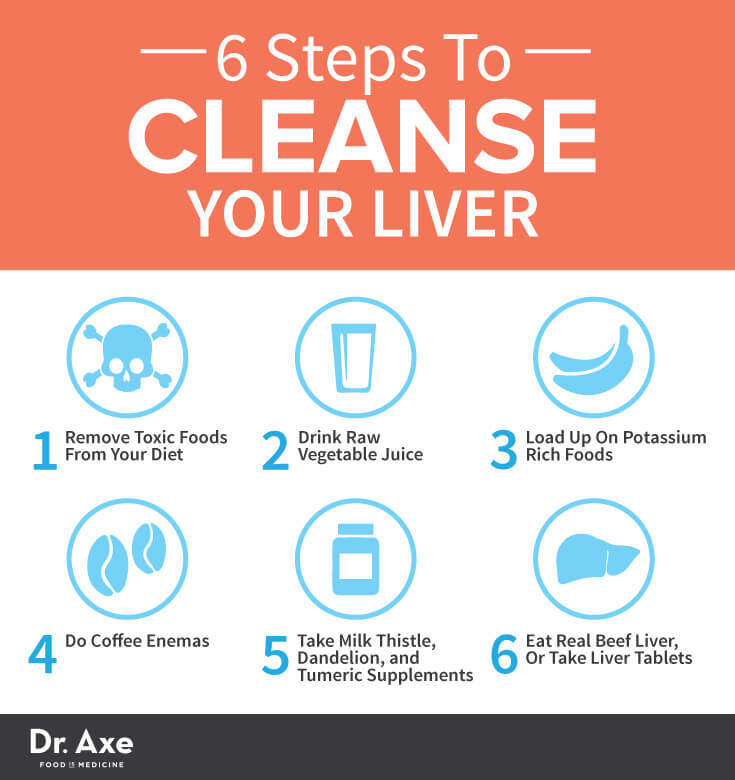
Gallstone Flush & Liver Detox – Recipe & Cleanse Info

Gallstone Flush & Liver Detox – Recipe & Cleanse Info

[You Are Encouraged To Watch This Youtube (CLICK HERE)And Self Educate Yourself Here. Did you know that cancer cannot hold into your body when your liver is working well? Lets find out how to look after your liver and health; the only organ in your body that has the capability to regrowth itself.]

With the exception of the skin, the liver is the largest organ in the body and performs over 500 functions, far more than any other organ in the body. We cannot be healthy or recover from illness without a strong, clean well-functioning liver. If the liver is unable to carry out its full function, not only does it become congested and weak; all other organs will be more challenged as a result.
Imagine how much happier you liver feels after releasing these!
If you want to do more specific liver cleansing, you can try a Liver/Gallstone Flush at home. This flush can be done in just 24 hours, so it is easy to fit into a busy schedule. It is recommended that you have done a full 7-day cleanse prior to this flush, mainly to take the toxic pressure off your organs and to be sure that your body is alkaline.
In the days before the cleanse, it is important to avoid fried and fatty foods so your liver is not over-worked or stressed. Avoid avocado, cheese, nuts and fatty meats for at least 3 to 5 days before this cleanse. If you work a normal Monday – Friday work week, it is best to plan to do this cleanse on Friday night, that way you have the entire weekend to rest, relax and recover.

Mix Olive Oil and Fresh Lemon Juice in a bottle
The most common recipe to use for this cleanse comes from Dr. Hulda Clark’s book A Cure for All Diseases. If this is the first time you are trying this cleanse, I recommend that you use this formula, outlined below. If you release more than 200 stones in the first flush, it is recommended that you repeat the cleanse every 6-8 weeks until you have less than 20 stones come out. It is believed that you may have to release up to 2,000 stones to rid yourself of allergies linked to liver congestion. On my first Gallstone/Liver Flush, I released 600 stones – no joke!
Please note that with Dr. Clark’s recipe, she recommends using ornithine to help you sleep and she also recommends to do a parasite cleanse before you do the Gallstone Flush. If you want to do those things, that’s ok; personally I have never used ornithine and I’ve done this cleanse 13 times in the past 10 years. I did not do a parasite cleanse initially, although I have done them since…in my opinion you do not have to do a parasite cleanse prior to this flush, but admittedly you may get better results if you do so.

Preparation

Eat a diet high in alkaline-forming foods and low in fats for at least 3-5 days before the cleanse.
Help to gently prepare the liver by having a glass of fresh apple juice every day for 1 week prior to the cleanse. Apple juice helps to dissolve the stones.

Gallstone Live Flush Ingredients

  • Epsom salts (Magnesium Sulfate): 4 tablespoons. (You can usually buy this at your local pharmacy.)
  • Olive oil: 1/2 cup or 125 ml (light olive oil is easier to get down).
  • Fresh pink grapefruit: 1 large or 2 small, enough to squeeze 1/2 cup (125 ml) juice. (Or use 7-8 fresh lemons/limes: squeezed into 1/2 cup juice.)
  • 1 liter jar with lid.

Gallstone Liver Flush Instructions

Choose a day like Friday or Saturday for the cleanse, since you will be able to rest the next day. Take no medicines, vitamins or pills that you can do without; they could prevent success. Stop the parasite program too, the day before. Eat a no-fat breakfast and lunch such as cooked cereal, fruit, fruit juice, bread and preserves or honey (no butter or milk). This allows the bile to build up and develop pressure in the liver. Higher pressure pushes out more stones.
Mix Epsom Salts and Water, marking the bottles with a black marker to know how much to drink each time
2:00 PM. Do not eat or drink after 2 o’clock. If you break this rule you could feel quite ill later. Get your Epsom salts ready. Mix 4 Tbsp. in 3 cups (750 ml) water and pour this into a container or jar. This makes four servings, ¾ cup (185 ml) each. Set the jar in the refrigerator to get cold (this is for convenience and taste only). Note: I also make the 9:45pm drink described below at 2pm and I put it in the fridge, ready to drink later. Making all the drinks at my last meal makes me feel more committed to do the cleanse, and I can prepare everything while not feeling hungry. I highly recommend that you do this too, and do not allow any re-negotiation to skip the cleanse for another day just because you feel slightly hungry at 6pm.
6:00 PM. Drink one serving (¾ cup) of the Epsom salts and water drink. If you did not prepare this ahead of time, mix 1 tbs. in ¾ cup water now. You may add 1/8 tsp. vitamin C powder or 1/4 fresh lemon squeezed to improve the taste. You may also drink a few mouthfuls of water afterwards or rinse your mouth.
8:00 PM. Repeat by drinking another ¾ cup (185 ml) of Epsom salts and water drink. Get your bedtime chores done. The timing is critical for success.
9:45 PM. Pour ½ cup (measured) olive oil into the pint jar. Squeeze the citrus fruit (fresh grapefruit, lime or lemon) by hand into the measuring cup. Remove pulp with fork. You should have at least ½ cup. Add this to the olive oil. Close the jar tightly with the lid and shake hard until watery. Do not drink it yet!
Now visit the bathroom one or more time, even if it makes you late for your ten o’clock drink. Don’t be more than 15 minutes late. You will get fewer stones.
10:00 PM. Drink the potion you have mixed. Take it all to your bedside if you want, but drink it standing up. Get it down within 5 minutes (fifteen minutes for very elderly or weak persons).
Lie down immediately. You might fail to get stones out if you don’t. The sooner you lie down the more stones you will get out. Be ready for bed ahead of time. Don’t clean up the kitchen. As soon as the drink is down walk to your bed and lie down on your right side with your knees pulled up close to your chest. Try to think about what is happening in the liver. Try to keep perfectly still for at least 20 minutes. You may feel a train of stones traveling along the bile ducts like marbles. There is no pain because the bile duct valves are open (thank you Epsom salts!). Go to sleep, you may fail to get stones out if you don’t. Try to sleep in this position.
Next morning. Upon awakening (6:00 am) take your third dose of the Epsom salts and water drink. If you have indigestion or nausea wait until it is gone before drinking the Epsom salts. You may go back to bed. Don’t take this potion before 6:00 am.
8:00 am (2 Hours Later.) Take your fourth (the last) dose of the Epsom salts and water. You may go back to bed again.
After 2 More Hours you may eat. Start with fruit juice (see note below). Half an hour later eat fruit (see note below). One hour later you may eat regular food but keep it light. By supper you should feel recovered.
*NOTE – Fresh apple juice is the best juice to break the fast. At 10:00am, make fresh apple juice using 5-6 large apples in a juicer and drink it. The apple juice helps dissolve gallstones and is a nice transition for the liver from the detox back to normal eating. After 30 minutes, prepare a chopped apple salad or a plain apple smoothie using 3-4 apples (with the skin is ok). If feeling unwell, stay with apples and apple juice for the entire day. Only transition to light foods, salads and regular eating when you are feeling good again.
How well did you do? Expect diarrhea in the morning. Use a flashlight to look for gallstones in the toilet with the bowel movement. Look for the green kind since this is proof that they are genuine gallstones, not food residue. Only bile from the liver is pea green. The bowel movement sinks but gallstones float because of the cholesterol inside. Count them all roughly, whether tan or green. You will need to total 2000 stones before the liver is clean enough to rid you of allergies or bursitis or upper back pains permanently. The first cleanse may rid you of them for a few days, but as the stones from the rear travel forward, they give you the same symptoms again. You may repeat cleanses at two week intervals. Never cleanse when you are [acutely] ill.
Sometimes the bile ducts are full of cholesterol crystals that did not form into round stones. They appear as a “chaff” floating on top of the toilet bowl water. It may be tan colored, harboring millions of tiny white crystals. Cleansing this chaff is just as important as purging stones.
How safe is the liver cleanse? It is very safe. My opinion is based on over 500 cases, including many persons in their seventies and eighties. None went to the hospital; none even reported pain. However it can make you feel quite ill for one or two days afterwards, although in every one of these cases the maintenance parasite program had been neglected. This is why the instructions direct you to complete the parasite and kidney cleanse programs first.

CONGRATULATIONS

You have taken out your gallstones without surgery! I like to think I have perfected this recipe, but I certainly can not take credit for its origin. It was invented hundreds, if not thousands, of years ago, THANK YOU, HERBALISTS!

Gallstones can be flushed easily and naturally with no pain!
This procedure contradicts many modern medical viewpoints. Gallstones are thought to be formed in the gallbladder, not the liver. They are thought to be few, not thousands. They are not linked to pains other than gallbladder attacks. It is easy to understand why this is thought: by the time you have acute pain attacks, some stones are in the gallbladder, are big enough and sufficiently calcified to see on X-ray, and have caused inflammation there. When the gallbladder is removed the acute attacks are gone, but the bursitis and other pains and digestive problems remain.

Gallstones Released Naturally
The truth is self-evident. People who have had their gallbladder surgically removed still get plenty of green, bile-coated stones, and anyone who cares to dissect their stones can see that the concentric circles and crystals of cholesterol match textbook pictures of “gallstones” exactly.
From the book The Cure for All Advanced Cancers by Dr. Hulda Clark.

Some info from The Liver – Cleansing & Rejuvenating the Vital Organ by Dr. Richard Anderson
This article is not meant to diagnose any disease. For any serious medical concerns, always consult with your doctor.

Image result for gallbladder and liver detox steps

Image result for gallbladder and liver detox steps

Related image

Have you tried the latest health cleanse? It’s SO great. It’ll help you feel better about your body inside and out, and jump-start your healthy choices so you’ll have the motivation to be active and feel A-MA-ZING. THIS cleanse is brand new. None of the celebrity health gurus or fitspiration icons have tried this, and you’ll NEVER hear about it from an actress in US Weekly. You don’t have to drink cayenne pepper juice OR forego solid foods for days and you’ll STILL remove countless toxins from your body. But this time, the toxins are in your mind and they’re just as harmful to your health.

Those mental toxins have built up from years of taking in distorted, profit-driven messages about what it means to have a healthy and fit female body. Whether it’s health and fitness magazines featuring airbrushed celebrities in bikinis with the latest strategies to get “sleek and sexy” in 3 days without ever moving an inch, or fitspiration models with exposed buttocks, breasts and oiled-up abs all over Instagram and Facebook — you’ve likely got a pretty specific image in your mind of what it means to be a “fit” and “healthy” woman. (We’re not even going to show you an example here, because you already have it in your mind.) This is a trending beauty ideal that is parading as a fitness ideal — made to look attainable for any woman willing to put in enough effort, willpower and sacrifice.

But what about the vast majority of women who will never, ever have six-pack abs, jutting hip bones, cellulite-free thighs that don’t touch, and every other appearance ideal that is held up as a sure indicator of fitness — regardless of how many squats they do, how “clean” they eat, how many marathons they run, etc.? This image of what it looks like to be a fit woman is so ingrained in our cultural wallpaper that we are completely desensitized to it. It is so common and unquestioned that it has become natural and invisible. THIS cleanse will start to rid you of that numbness.

It’s called the media fast. Rather than cutting out food, you cut out media. You cleanse your mind in order to cleanse your body. Choose a time period — 3 days, a week, a month, or more — and avoid media as much as humanly possible. All of it. No Twitter/Instagram/Facebook, TV, Netflix, movies, blogs, radio, any advertising you can avoid. Without this never-ending stream of biased, $-driven, idealized, Photoshopped, self-promoting messages and images (even well-meaning ones from friends and family and people trying to encourage their version/depiction of health), you give your mind the opportunity to become more sensitive to the messages that don’t look like or feel like the truths you experience in real life, face to face, with real fit people and your own health choices. Without those messages, you can see how your life is different and how your feelings toward your own body are affected. When you return to viewing and reading popular media, you will be more sensitive to the messages that hurt you, that hurt your self-perception and those that are unrealistic for you. Then you can make personalized, critical, well-informed media choices for yourself and your household that will uplift and inspire, and promote health rather than objectification and unattainable appearance ideals that may shame you into poor health choices. 

The following is a personal story of a Beauty Redefined supporter and health blogger named Kate, who shared her health and fitness journey with a large community of fans at This is Not a Diet — It’s My Life. She has written about her experience with a media fast, and provides some fantastic insight into what makes this type of cleanse crucial for anyone genuinely seeking health and fitness — not just the appearance of health and fitness. Here is her story: 

I’ve been a larger person for the great majority of my life. I’ve never experienced being someone who has teeny little invisible-to-others flaws they pick apart in the mirror. In fact, for most of my adult life I thought it would just be fantastic to wear a size 14 so I could shop somewhere that sold clothes I liked. I never coveted a “thigh gap” or a stomach with so little fat you could see my abdominal muscles. I thought it would be great if my thighs didn’t chafe when I walked from all the rubbing. 

The closest I ever got to the nit-picking your body phase was at the end of my weight-loss and the year that followed. I flew past original goals, to wear that size 14 and be able to walk anywhere I wanted to without getting out of breath or chafing my thighs. I was wearing size 8, even 6 in some things. My thighs didn’t chafe. In fact, they didn’t touch at all. In clothes, my stomach looked flat. I lost most of my breast tissue and went from a DD-cup to a small C or even a large B. 

While I was deep in the process of obsessively losing weight, I became a consumer of a type of media I previously never knew existed: fitness and health. I started looking at pictures of fitness models. I started following them and reading about their workout routines and diets. I worked out at least 6 times a week, for 1-2 hours each time. It was all very intense. No walks in the park for me! I weighed myself every morning and I adjusted my diet accordingly. I was the thinnest I had ever been in my life and I kept it that way with constant vigilance. But I still didn’t look like the fitness models. There was a time when I thought I should, and could, look like them if I just tried a little harder. Why not? I lost 125 pounds. I could do anything. All it takes is enough “will-power” right? If I didn’t get the six-pack, I must be full of lazy-excuses. That’s what those fitness model types said, and look at them! It must be true…

mediafastExcept that it’s not true at all. My body is my body. The reason I do not, and never will, look like one of those headless ab posters actually doesn’t have anything to do with laziness or excuses. It’s just not the way my body is going to look due to my genetics and personal history. It took me a long time to recognize and be able to accept that, especially with all the messaging telling you that if you just Tried a Little Harder, you could make all your perfect body dreams come true.

The fitness and health world is not at all what it seems to be. My outlook on myself was far healthier before I ever started reading about health and fitness. Isn’t that just backwards? Shouldn’t the health industry be promoting actual health and fitness, not obsessive body re-composition?

I had long ago stopped looking at fashion magazines and models. I knew they were underweight and that it was crazy to think I would ever look like them. But the fitness look seemed so “healthy” and that’s how it was promoted. Anybody can do this, they tell you. You just have to want it bad enough. Just eat a “clean” diet, lift weights, and wake up one day looking like Jamie Eason!

Fast forward to now. My outlook is totally different. I’m never going to look like Jamie Eason. I’m me. I look like me. Kate. Hi! Nice to meet you. My thighs touch and my belly is not flat. I am strong and healthy. The 2013 picture was taken a few months ago. I’m wearing the same outfit today, so I must be a similar size. I don’t weigh myself anymore though, so I can’t say for sure.

I went on a new type of diet, you see. I went on a Media Diet. I already didn’t watch much TV or read magazines, but I do spend a lot of time online. Throughout my changing lifestyle I had managed to build up quite the repertoire of places to consume other people’s tight, toned, surgically and digitally enhanced bodies online and read about their endless nit-picking of their imperceptible flaws, Facebook being the most gluttonous. 

magazinesThe most important tool of the Media Diet for me is the Facebook UNLIKE button. Does the page post fitspo? Unlike. Does it go on about counting carbs after 3 pm to get the flattest belly? Unlike. Does it tell me I’m not good enough the way I am? Unlike. Does it send me the message that if I don’t look like the model in the picture, I’m a lazy, full of excuses waste of space? UNLIKE at the speed of light! 

If it does not lift me up and support actual health and actual fitness, I don’t need to consume it. 

We are bombarded with messages about not being good enough every single day. You cannot completely escape this. I can’t stop going to the grocery store and seeing the headlines about which celebrities are too fat and which are too thin. But I can take an active role in many parts of my life. I can choose.  

You do not have to buy those magazines or follow those pages to be healthy. If you’re like me, you might be a lot saner and healthier without them.  My New Year’s Resolution this year was to stop reading weight/health/nutrition books. I am proud to say that in 2013 I have only read fiction and art books. Come to think of it, ever since I went on my Media Diet, I am doing a lot of things I enjoy that are important to me that I wasn’t doing before. I’m not working out 6 days a week anymore. I am walking in the park. I am hiking. I am practicing yoga. I only go to the gym 1 time a week, for BodyPump, which is just plain FUN. I have drawn in my sketchbook almost every day this year, something I kept telling myself I would do that I never did. I guess I needed to free up the mental space for it. When I get sick or am too exhausted, I do a crazy thing: I REST. I do not worry about what it might do to my weight the next day. 

I don’t track anything anymore, except my menstrual cycle. When I exercise, I do it for myself, for my mental and physical health, and because I want to, not for calories burned. I don’t do it to earn my dinner. I’m going to eat dinner either way. And sometimes it’s going to be pizza. I have allowed myself time and space to think about what is really important to me, how I really feel about my body, and to stop comparing myself to anyone else. Comparing yourself to other people is stupid. A person with my body and my history is never going to look like someone who has always been thin. That’s a great big “DUH.” right? But I think a lot of people still don’t get it. 

Many people would look at my body and find things to dislike about it, but I am not them, so it’s okay. My hips? They are glorious. My stomach and thighs that touch once more (but don’t chafe) — so nice, so comforting, so warm and soft. Fat is not an enemy, it is part of my body. It gives me my hourglass shape. It gives me my fabulous D-cups. I gives me warmth. I am no longer constantly cold. I don’t feel dizzy. I have a lot more energy. I am more comfortable sleeping. I feel more attractive and less self-conscious. 

Contrary to what I thought, being the thinnest ever didn’t make me happier. It didn’t make me better. It just made me look different. I remember how I felt when I took the middle picture you see above, and I kept staring at it thinking “Wow, I am actually thin.” It was strange and intriguing. It was an out of body experience for sure. When I look at the picture of me now, I see me. It’s not weird, it just is. Living the life I want to live naturally returned me to the body I was meant to have. The funny thing is, this is the body I probably would have had if I had never dieted at all. If I had just let my body mature as it was meant to. But everything told me I wasn’t okay the way I was, and I believed it. I don’t believe it now. And anyway, it’s not for anyone else to say. 


You shouldn’t consume things that make you feel like crap. That includes food and media. Are there people in real life or online in your life who treat you like crap? Do they talk down to you? Do they act like they know you better than you know yourself? Do they make you doubt yourself? Cut them out. You deserve better. And make sure you’re not one of them.


Thanks to Kate for sharing her work with us! Her original post appeared here. For more information on how Beauty Redefined seeks to turn the conversation from focusing on looking healthy to actually being healthy, see our two-part Healthy Redefined series on how health is traditionally defined and how we’re redefining it. See also our popular piece on how to tell if the fitspiration images/messages you’re viewing are helping or harming your health goals. For in-depth help to reframe  your health perceptions and improve your body image, check out our 8-Week Body Image Resilience Program!

Related image

A Brand New Nutrient for PCOS Treatment: N-Acetyl-L-Cysteine
Improves Insulin Sensitivity and Fertility while Reducing NDLF and NASH
Hormone-Balance-Specific-Nutrient-N-Acetyl-l-Cysteine
Watch an Expert Talk About PCOS

NAC Proves a Powerful Tool in The Fight Against Hormonal Imbalance
NAC is a stable derivative of the amino acid L-cysteine. It’s main importance in the body can be categorized into two main areas. The first comes from its necessity for the production of glutathione, one of the body’s most powerful antioxidants. Both NAC and glutathione are both strong antioxidants that are vital for protecting your cells from oxidative damage. Women suffering from PCOS tend to need greater amounts of antioxidants as they are under greater oxidant stress.

The second is due to it being one of only two amino acids that contain sulphur, an element plays a major role in metabolism and liver function (Both of which are important for PCOS). Unfortunately, NAC can’t be obtained from your diet and is solely available through nutritional supplementation.

Improves Insulin Sensitivity
Take a Look at What Insulin Resistance can Do to Your Body and Mind

"NAC may be a new treatment for the improvement of circulating insulin levels and insulin sensitivity in hyperinsulinemic patients with polycystic ovary syndrome." (Abu 2010)

Heightened insulin sensitivity is a known symptom of PCOS and a major one!

A 2002 study conducted an experiment to test the impact of NAC on insulin secretion in women with PCOS (Fulghesu 2002). The results of the study showed a clear link between NAC and normal insulin levels. Subjects who had exaggerated insulin levels prior to the trials showed a significant reduction of said levels. The NAC treatment also resulted in a significant decline in testosterone levels. Stabilizing hormone levels treats the PCOS itself and can often lessen or even reduce completely the associated symptoms.

Increases Fertility
"N-Acetyl Cysteine is proved effective in inducing or augmenting ovulation in polycystic ovary patients." (Badawy 2007)

NAC also has the effect of improving fertility in women with PCOS. In one study, the ovulation rates of 573 women with PCOS, taking Clomid, a widely used fertility drug, were monitored. NAC significantly improved ovulation rates by almost 200% from 18% (without NAC) to 52% (with NAC).

Similarly, a study of Clomid-resistant women concluded that NAC makes Clomid more effective. 150 Clomid-resistant women with PCOS were observed. Within those given NAC, 49.3% ovulated and 1.3% became pregnant. In contrast, within those not given NAC, only 21% ovulated and there were no pregnancies. (Rizk 2005)

NAC is Not Only Helpful for PCOS But for Fertility Issues as well

Reduced NFLD and NASH (Non-Alcoholic Fatty Liver Disease)

"NAC...appears to ameliorate several aspects of NASH, including fibrosis."

A shocking 55% of women with PCOS also suffer from a fatty liver degeneration disease called Nonalcoholic Fatty Liver Disease (NFLD). This disease can also worsen to become a more serious medical condition called "nonalcoholic steatohepatitis"(NASH), a form of liver inflammation to which there is no treatment.

Learn about NAFLD as a Progressing Condition

Conclusion
The main causes of both NAFLD and NASH appear to be oxidative stress and insulin resistance, both conditions that women suffering from PCOS also tend to have. A recent study from the University of São Paulo School of Medicine in Brazil has shown that NAC may be effective in treating NASH. After 12 months of a regular daily dose of NAC, both liver fat deposits and liver fibrosis were reduced.

The bottom line is that NAC has been shown to be helpful in treating a lot of PCOS symptoms including weight issues, increased hair growth, irregular menstrual cycle, infertility and more.

A Brand New Nutrient for PCOS Treatment: N-Acetyl-L-Cysteine

Improves Insulin Sensitivity and Fertility while Reducing NDLF and NASH


Hormone-Balance-Specific-Nutrient-N-Acetyl-l-Cysteine

Watch an Expert Talk About PCOS


NAC Proves a Powerful Tool in The Fight Against Hormonal Imbalance
NAC is a stable derivative of the amino acid L-cysteine. It’s main importance in the body can be categorized into two main areas. The first comes from its necessity for the production of glutathione, one of the body’s most powerful antioxidants. Both NAC and glutathione are both strong antioxidants that are vital for protecting your cells from oxidative damage. Women suffering from PCOS tend to need greater amounts of antioxidants as they are under greater oxidant stress.
The second is due to it being one of only two amino acids that contain sulphur, an element plays a major role in metabolism and liver function (Both of which are important for PCOS). Unfortunately, NAC can’t be obtained from your diet and is solely available through nutritional supplementation.

Improves Insulin Sensitivity

Take a Look at What Insulin Resistance can Do to Your Body and Mind
"NAC may be a new treatment for the improvement of circulating insulin levels and insulin sensitivity in hyperinsulinemic patients with polycystic ovary syndrome." (Abu 2010)
Heightened insulin sensitivity is a known symptom of PCOS and a major one!
A 2002 study conducted an experiment to test the impact of NAC on insulin secretion in women with PCOS (Fulghesu 2002). The results of the study showed a clear link between NAC and normal insulin levels. Subjects who had exaggerated insulin levels prior to the trials showed a significant reduction of said levels. The NAC treatment also resulted in a significant decline in testosterone levels. Stabilizing hormone levels treats the PCOS itself and can often lessen or even reduce completely the associated symptoms.

Increases Fertility

"N-Acetyl Cysteine is proved effective in inducing or augmenting ovulation in polycystic ovary patients." (Badawy 2007)
NAC also has the effect of improving fertility in women with PCOS. In one study, the ovulation rates of 573 women with PCOS, taking Clomid, a widely used fertility drug, were monitored. NAC significantly improved ovulation rates by almost 200% from 18% (without NAC) to 52% (with NAC).
Similarly, a study of Clomid-resistant women concluded that NAC makes Clomid more effective. 150 Clomid-resistant women with PCOS were observed. Within those given NAC, 49.3% ovulated and 1.3% became pregnant. In contrast, within those not given NAC, only 21% ovulated and there were no pregnancies. (Rizk 2005)
NAC is Not Only Helpful for PCOS But for Fertility Issues as well

Reduced NFLD and NASH (Non-Alcoholic Fatty Liver Disease)

"NAC...appears to ameliorate several aspects of NASH, including fibrosis."
A shocking 55% of women with PCOS also suffer from a fatty liver degeneration disease called Nonalcoholic Fatty Liver Disease (NFLD). This disease can also worsen to become a more serious medical condition called "nonalcoholic steatohepatitis"(NASH), a form of liver inflammation to which there is no treatment.
Learn about NAFLD as a Progressing Condition

Conclusion

The main causes of both NAFLD and NASH appear to be oxidative stress and insulin resistance, both conditions that women suffering from PCOS also tend to have. A recent study from the University of São Paulo School of Medicine in Brazil has shown that NAC may be effective in treating NASH. After 12 months of a regular daily dose of NAC, both liver fat deposits and liver fibrosis were reduced.
The bottom line is that NAC has been shown to be helpful in treating a lot of PCOS symptoms including weight issues, increased hair growth, irregular menstrual cycle, infertility and more.