Potassium Foods
Potassium is an essential nutrient that is, thankfully, naturally present in many foods. It is also readily available as a dietary supplement to boost your potassium intake. Potassium is required for normal cell function because of its role in maintaining intracellular fluid volume and transmembrane electrochemical gradients. (1)
According to multiple scientific studies, the regular adult is recommended to have over 3.5 grams of Potassium a day. Most of these will come from a proper healthy diet along with fibre, protein, and other essential vitamins and minerals. Unfortunately, over 98% of all US adults are not getting their recommended daily intake. (2)
An essential mineral and electrolyte, Potassium can be found in a lot of whole foods such as leafy vegetables, legumes, and fish. Potassium plays a very vital role in your body, such as regulating muscle contractions, heart function, and managing the water balance. (3)
When considering to go on a diet, it is crucial to be aware of the amount of Potassium that you are consuming to successfully determine the health impact of your food on your body. In fact, it is recommended by specialists that we must consume 4,700 mg of Potassium to have a balance of acids and bases in the body that has not yet dissolved in water. (4)
You can even check out this nutrient ranking tool to determine the number of nutrients needed to sustain a healthy life. (5) Consuming the right amount of Potassium recommended by the FDA is essential to ensure proper maintenance of bones and muscle in a person’s body. You may find this element in organic, unprocessed food, such as fruits and vegetables. (6)
Potassium Rich Fruits
Raisins
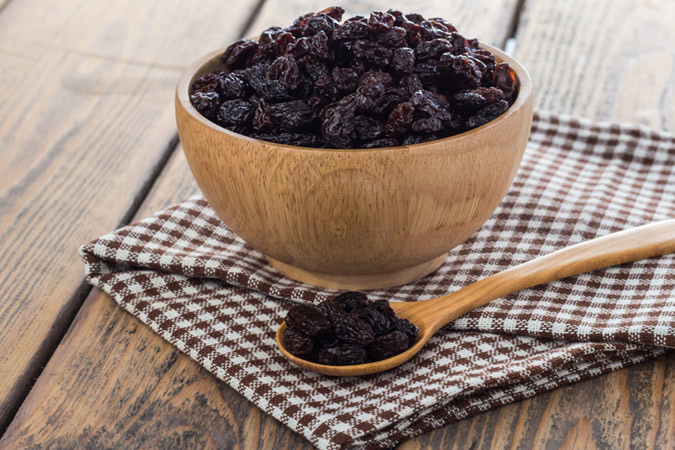
Originating from dried up grapes, raisins (7) are a dried fruit that contains 1/5 of the daily Potassium serving with only 100 grams. But just like any other dried fruit products, raisins contain more sugar than its grape equivalent. Therefore, a 50-gram pack of raisins would contain about 30 grams of sugar. These are the right mix to add more nutrition to healthy meals (8) such as yoghurt, salad, or cereal meals.
In fact, a study in 2011 (9) has proven raisins to be useful as an alternative to Sports jelly beans for athletes that are taking up rigorous endurance training. This is a much cheaper and healthier alternative since you can quickly get a bag of raisins instead of spending on sports chews and gels. It also helps you to keep on going since it keeps your stomach full by slowing down the emptying of your stomach.
SUMMARY
Raisins have 749mg of Potassium per 100 grams, 21 % of your Daily Recommended Value
Figs
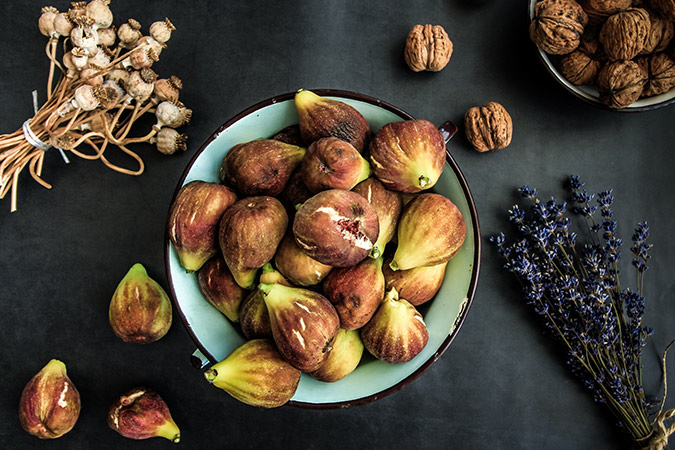
Although they are not a popular fruit, they still have enough Potassium to be included in the list. Dried figs (10) have a higher potassium value than fresh figs, so that type of preparation must be considered as well. It may seem challenging to consume figs directly, but once you have gotten used to the taste, it will be possible to eat this creamy texture straight just like any ordinary fruit.
A study in 2005 (11) has proven figs to be a great supporter of your body’s antioxidants. Another study conducted in 2003 (12) has stated that figs help prevent and control a person’s diabetes treatment by normalizing body types and stocking up on nutrients.
Those undergoing skin issues (13) will also find Figs to be an excellent solution to treating diseases such as anaemia, cancer, leprosy, and other various illnesses that cause harm to the skin.
SUMMARY
Figs have 680 mg of Potassium per 100 grams, 19% of your Daily Recommended Value
Avocado
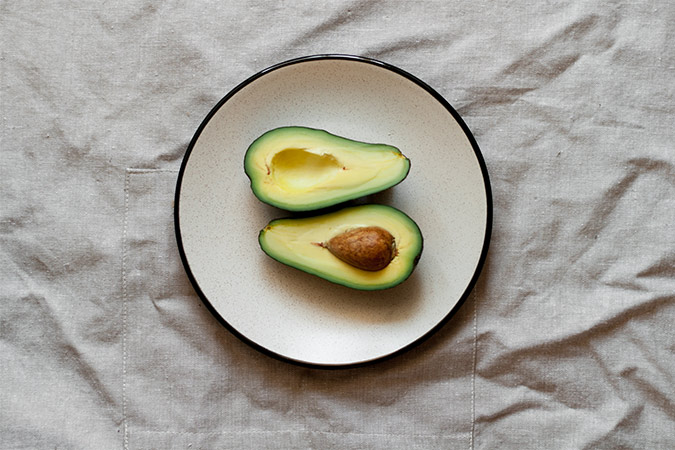
This famous fruit can be added in multiple recipes due to its rich flavour and unique taste. The avocado (14) is a tasty delicacy that provides enough Potassium to sustain an individual’s body. In fact, they contain over 100mg more Potassium than bananas and are available to eat in both its organic and conventional form. At 160 calories (15) per serving, you do not need to worry about gaining weight with this fruit even if they can be pretty filling after consumption. You may put this in ice cream, smoothie, or only a dip for other recipes.
An interesting fact about Avocados is that the fruit itself is not the only way you will be able to absorb nutrients, but due to its fat solubility (16) the vitamins A, D, E, and K allow your body to absorb nutrients from other plant foods that you consume.
SUMMARY
Avocados have 485mg of Potassium per 100 grams, 14% of your Daily Recommended Value
Coconut
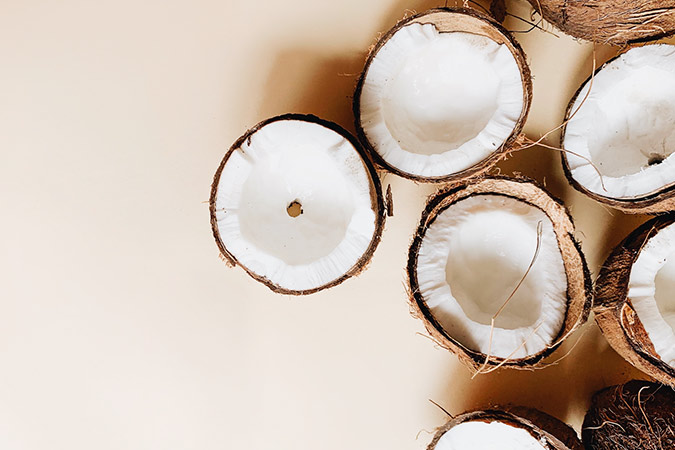
Coconut (17) that is at its most organic form, contains large amounts of Potassium. The water inside it alone is enough to sustain a person. The fillings within the coconut shell are also large suppliers of the said nutrient. Having an utterly organic coconut is vital to extract all of the nutrients. You could serve coconut (18) as a drink, smoothie, a dip, or even a salad.
It is also an excellent investment to consume coconut since it is proven in a study by doctors that it is a superior factor in the prevention of heart diseases. The oil found in coconuts helps promote good cholesterol while reducing the bad cholesterol called HDL and LDL, respectively.
This also helps in lowering your blood sugar (19) and helps in properly maintaining it at a healthy level.
SUMMARY
Coconuts have 356 grams of Potassium per 100 grams, 10% of your Daily Recommended Value
Peaches
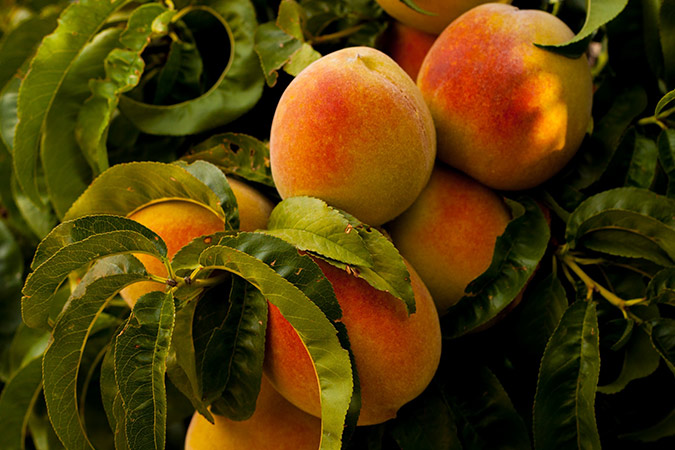
For only 100g, peaches (20) will provide the average human body with 5% potassium. Even with this amount, it is essential not to consume too much since it still has some sugar in its confines. The fuzz of the peach is a good thing to eat if you wish to increase your health benefits (21). Peaches are good to have after a meal since they are a healthy alternative to other desserts due to its sweet taste.
Aside from its sweet taste, another reason for peaches to be eaten after a meal is because they aid in digestion (22) and could prevent you from experiencing constipation thanks to its insoluble Fiber. They also lower the risk of heart diseases (23) and high blood pressure by binding the bile acids that spike your blood pressure up.
SUMMARY
Peaches have 190mg of Potassium per 100 grams, 5% of your Daily Recommended Value
Kiwi
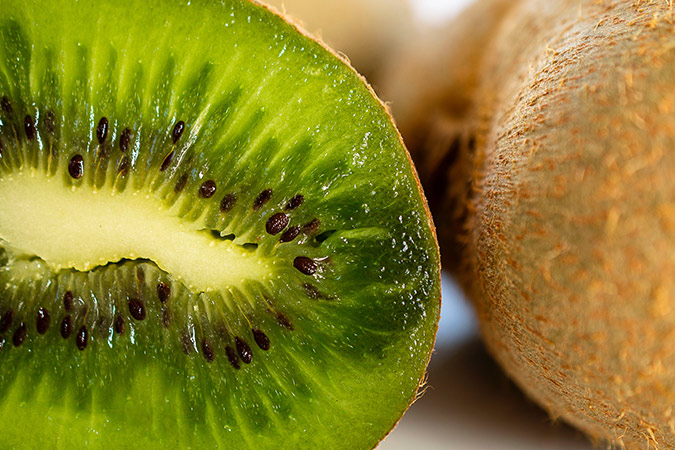
Kiwi makes a great addition to your shopping cart as they are not only a good source of Potassium but also Vitamin C and Fiber. Not only are you getting these nutrients, but you are also boosting your immune system, helping your digestive system, and keeping your Potassium up to avoid the symptoms of Potassium deficiency. (24)
One interesting fact about Kiwis is that Kiwi is a much better option than an Orange if you are trying to boost your Vitamin C numbers. When you compare Kiwis to Oranges, you are essentially getting much more Vitamin C from a Kiwi than from an Orange. (25)
Kiwi is a great snack to eat solo. You can easily slice up a few pieces of Kiwi and have a healthy snack for you, ready to boost your Potassium for the day.
SUMMARY
Kiwis have 312 mg of Potassium per 100 grams, 9% of your Daily Recommended Value
Potassium Rich Vegetables
Spinach
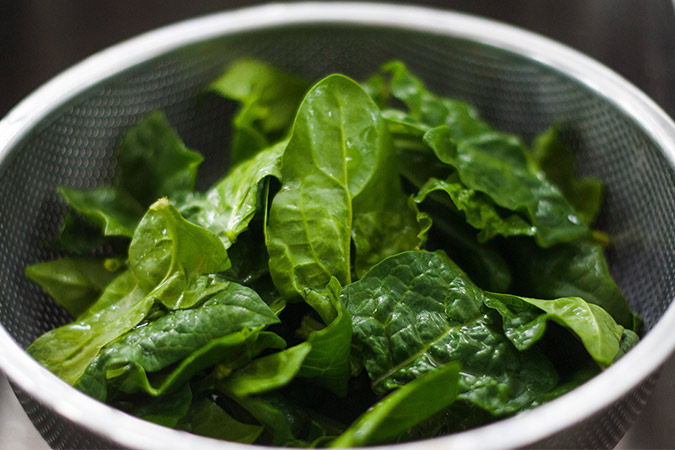
Spinach, scientific name Spinacia oleracea, is an edible, leafy green flowering plant. It may be eaten both cooked or raw, depending on the taste that you want. It is no surprise that Spinach tops the list as one of the vegetables with the highest Potassium content. Spinach is well-known for its many health benefits, and Potassium is just one of the good things that you can get from eating a bunch of it.
Spinach has built up its image of being a healthy vegetable by bringing a lot of benefits to the table. It is also a great source of Iron, Fibre, and Protein, making it one of the most well-rounded vegetables that you can include as a side dish to your meals. Another reason, perhaps, as to why you should eat more Spinach is because it has been found that adding Spinach into your diet is an effective anti-cancer and heart-healthy diet plan.
Spinach is readily available at most grocery stores. It is also affordable, leaving you no excuse to not buy this handy vegetable. If you are turned off from the earthy taste of Spinach, you can opt to buy Baby Spinach instead, which has a more delightful taste and is much easier to mix into smoothies and soups. (See: 8 Creative Ways To Eat Spinach)
People may be familiar with Spinach since it reminds them of the old cartoon called Popeye. Due to this, Spinach has become synonymous to strength, which is precisely why it has made the list. Aside from this, it also assists in reducing potential risks in eye health, reduces stress (26) from oxidants, and prevents cancer.
Given the stereotype of being a vegetable that increases your strength, a 284-gram bag of spinach (27) contains 1,585 mg of Potassium. Stocking up on this lessens sodium and maintains your blood pressure. It is recommended by the Institute of Medicine (28) that we must consume 4,700 mg of Potassium per day, and Spinach allows us the required amount of intake if the right amount is eaten. Make sure to look for bright green leaves so that the Spinach you will consume is fresh and edible.
SUMMARY
100 grams of Spinach gives you over 558 mg of Potassium, 16% of the Recommended Daily Value.
Kale
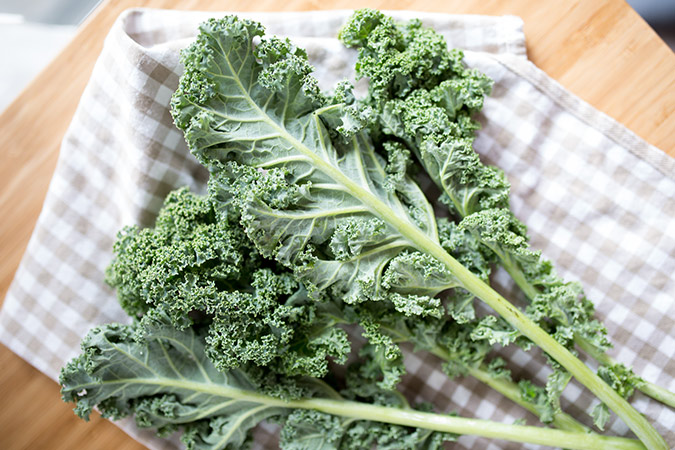
Kale. Who hasn’t heard of Kale in the past year or so? Gaining popularity as one of the healthiest and most nutritious plant foods in existence, it has wormed its way through almost every diet fad. Blended into smoothies, mixed with salads, and even eaten as a snack, there is no denying that Kale has become one of the ultimate vegetables around the world.
Coming from the Cabbage family, Kale is loaded with essential nutrients and minerals. It provides a wide variety of vitamins, minerals, Protein, Fibre and most importantly, Potassium. (29) (30)
Kale is not just a trendy vegetable that you try out one time and let go of. Kale should be one of the food items that you cannot remove from your grocery list. It makes for a great backdrop to a smoothie as well as a healthy base for a salad. You can also bake it to create Kale chips, an excellent alternative for potato chips. (See: Kale Recipes, Nutrition, Health Benefits & FAQ)
SUMMARY
100 grams of Kale gives you over 491 mg of Potassium, 14% of the Recommended Daily Value.
Potatoes
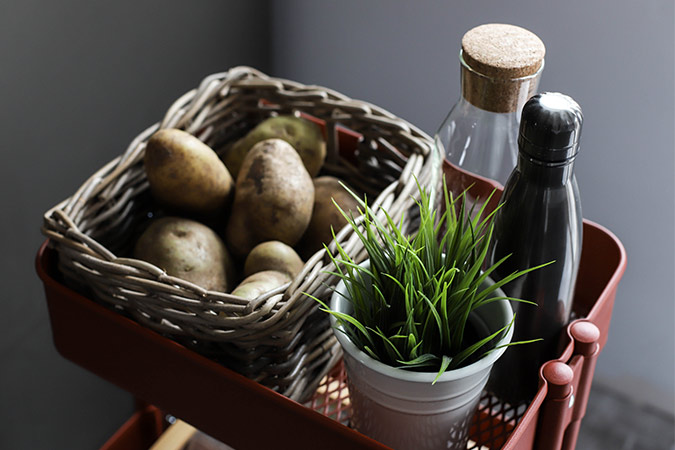
Despite its reputation as an unhealthy companion to every meal, Potatoes are actually one of the healthier vegetables in the market. The only reason that it is considered as harmful is because of the prevalent way of eating potatoes — through French Fries and Potato Chips, two sodium-laden, oil-heavy food.
These contain the most abundant source of Potassium is one example of the health benefits of potatoes. One medium-sized potato (31) contains 541 mg or 12% of Potassium AI. Sweet potato also contains nutrients and are low in fat, yet high in carbohydrates and Fiber. There are many ways to prepare potatoes (32), so you would not get tired of making use of this ingredient in order to sustain nutritional benefits.
Filled with starchy goodness, potatoes are a great source of Potassium. Of course, there are numerous ways to enjoy potatoes that lessen the unhealthiness of it. For example, baking potatoes or boiling them removes the oil factor, which makes it a much healthier snack or side dish.
In addition to this, you can opt to substitute your regular potatoes with Sweet Potatoes, which is another healthier alternative thanks to Vitamin A and extra fibre that it has. (33)
Potatoes are a very versatile ingredient that can go on any meal and side dish. It can be baked, fried, boiled, sauteed, air fried etc. If you want to save up on the time and gas used for cooking, you can cook up a batch at the start of the week and then just put them in the fridge. When it loses its consistency, you can just mash them up, and you have mashed potatoes.
The consumption of the right amount of potato reduces heart health risk factors (34) by lowering the blood pressure of an individual, which then lengthens the lifespan and prevention of disability in a person’s body. In fact, the mortality rate for those suffering from high blood pressure has lessened since discovering the treatment given by the nutrients of potatoes (35).
SUMMARY
100 grams of Potatoes give you over 421 mg of Potassium, 12% of the Recommended Daily Value.
Brussel Sprouts
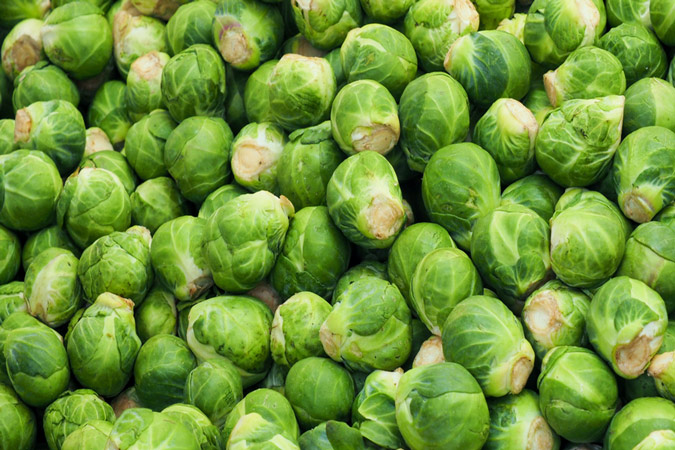
Brussel Sprouts may not be on top of the list of tastiest vegetables there is, but they do rank reasonably high for Potassium and other vitamins and minerals. Part of the cruciferous vegetable family, like Kale, Brussel Sprouts is consistently linked to being an anti-cancer food.
Brussel Sprouts also provide a load of fibre and a ton of Vitamin C — much more than an orange gives. Vitamin C is usually not something that is prominent in vegetables, but Brussel Sprouts is an exception.
If you are like me who has a bad experience with eating Brussel Sprouts because of the taste, then there are alternative ways to cook them to get rid of the feeling. Baking Brussel Sprouts with Olive Oil, Salt, Pepper, and Balsamic Vinegar will give your side dish a fantastic flavour and will surely load you up with Potassium. (36)
SUMMARY
100 grams of Brussel Sprouts provide you over 389 mg of Potassium, 11% of the Recommended Daily Value.
Artichokes
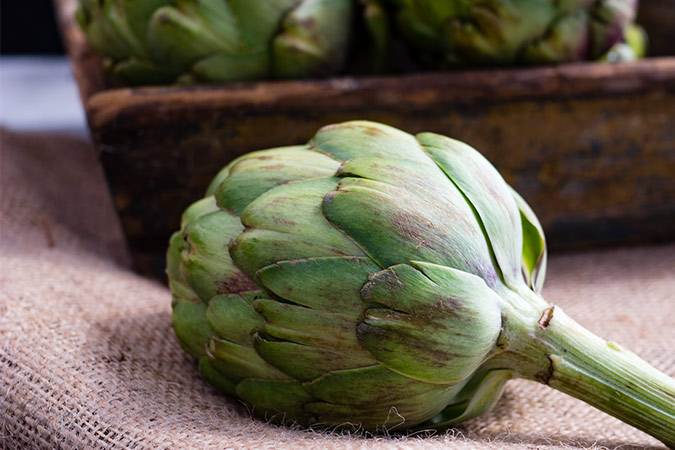
When you think about Potassium, Artichokes may not be the first thing that pops in your head. However, you would be surprised to know that Artichokes are a Potassium-filled vegetable that provides your body with the necessary Potassium intake.
If you are not familiar with how to prepare artichokes, then it might be time to start browsing through cookbooks, both print and digital, now. There are a lot of health benefits that Artichokes give, so learning how to enjoy them would be great. At first, it may be off-putting because of the size and shape, but once you get a handle on taking raw artichokes and making them edible, you’ll have another Potassium-giving tool at your disposal. (37)
One Artichoke dish, however, that you should avoid are artichoke dips. They may contain Artichokes, but the dip in itself is so filled with fat that it negates the benefits of Artichokes.
SUMMARY
100 grams of Artichokes give you over 370 mg of Potassium, 11% of the Recommended Daily Value.
Portobello Mushrooms
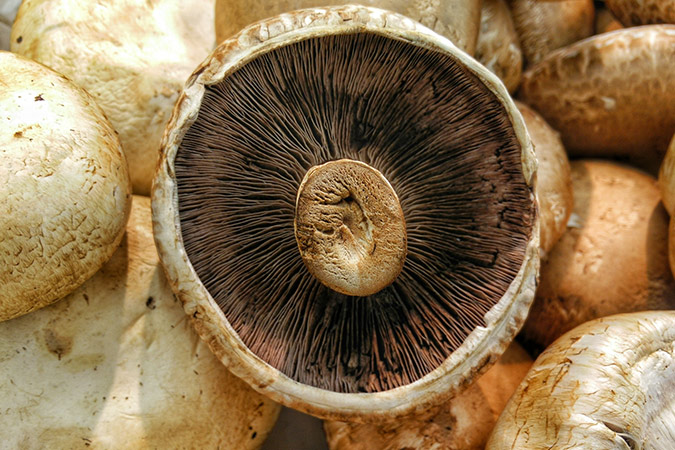
You really cannot go wrong with Portobello Mushrooms when it comes to increasing your Potassium intake. As one of the most famous Mushrooms, there is, you can easily buy Portobello Mushrooms at any grocery store.
While other mushrooms like Chanterelle, Enoki, Oyster, and Shiitake also provides a lot of Potassium, Portobello is on top of the list. When you’re in the grocery store, make sure to buy Portobello Mushrooms. Mushrooms can be used as a meat substitute or as a side dish to a grilled chicken breast. (38)
SUMMARY
100 grams of Portobello Mushrooms give you over 364 mg of Potassium, 10% of the Recommended Daily Value.
Winter Squash
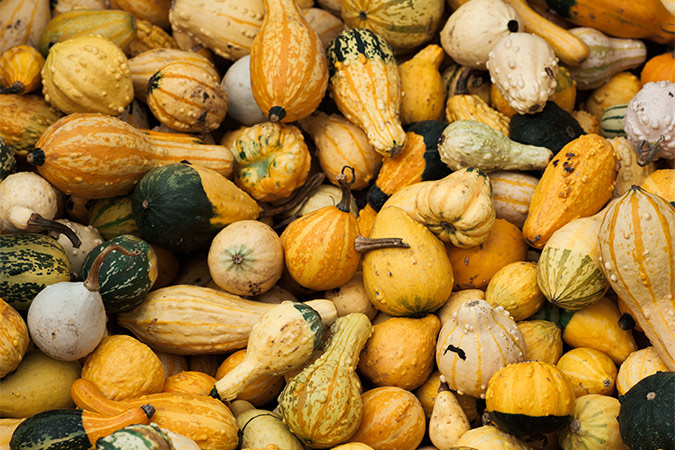
Winter Squash is one of the best foods to eat when you want to hit your daily requirement of Potassium. As the name implies, Winter Squash is best eaten in the winter. They are harvested at the perfect time to help us get through the cold winter months. (39)
Depending on the season, you may find different squash types are more available than others. Acorn squash is another excellent source of Potassium if there are no Winter Squash available. Baking your squash is the best way to go as it softens up to the point of being al dente and locks in plenty of the roasted flavours.
SUMMARY
100 grams of Winter Squash give you over 350 mg of Potassium, 10% of the Recommended Daily Value.
Beets
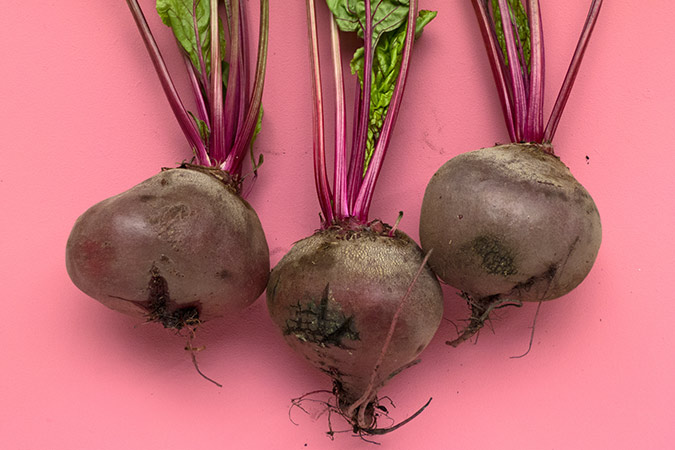
Beets have gained popularity in recent years because of the betalain that they contain, a powerful antioxidant so rare that it can only be found in a limited number of foods. It is a quality source of Potassium that will definitely fulfil a decent percentage of your total Potassium requirement. (40)
Beets are also known to provide a considerable amount of Fiber, which makes it an all-around vegetable to eat. Rich in Magnesium, Iron and Protein, Beets are perfect as a side dish to any of your meals. Buying fresh Beets can be intimidating at first due to how much Beets stain. However, it’s time to upgrade the way you consume Beets. Fresh Beets provide much more nutrients in it than Pickled Beets. Baking cubed Beets would definitely ensure that you eat more. (41)
SUMMARY
Description Here
Summary: 100 grams of Beets give you over 325 mg of Potassium, 9% of the Recommended Daily Value.
Carrots
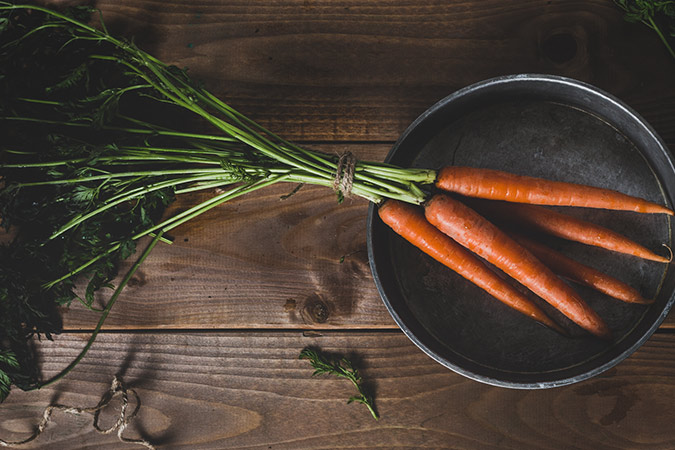
Carrots are mostly known for their beta-Carotene content and their ability to help improve eyesight. However, another benefit of eating this orange vegetable is due to its Potassium content.
Carrots also contain Fiber as well as a considerable amount of Vitamin C, which makes Carrots a great food that offers a full nutritional profile. There is no question that you should try to eat more of this crunchy vegetable as several areas of your body will definitely benefit due to the nutritional makeup of Carrots.
There are many ways to incorporate carrots into your diet. Roasting them gives them a different flavour profile as to boiling or putting them in stews. However, Carrots can also be eaten raw or added to smoothies and juices. (42)
SUMMARY
100 grams of Carrots give you over 320 mg of Potassium, 9% of the Recommended Daily Value.
Broccoli
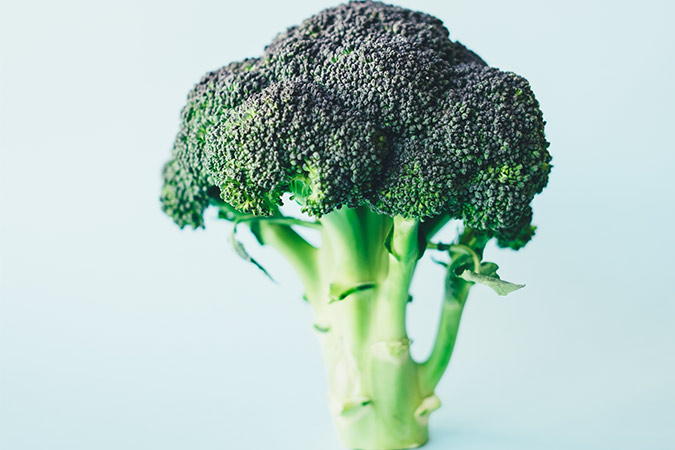
With so many health benefits, you would think that Broccoli would not appear on our list of Potassium Rich Foods. Considered as one of the healthiest vegetables on the planet, Broccoli has a considerable amount of Potassium in its many florets. (43)
Low in saturated fat and cholesterol, Broccoli should be one of the staple vegetables when you are looking to lose weight. (44) The Fiber and Protein in the Broccoli help you feel full longer, which lessens your food intake.
Broccoli has also been found to prevent cancer. The chemoprotective properties of Broccoli allow the cells in your body to stay at a safe anti-inflammatory pace that stops the overdevelopment of cells. (45)
SUMMARY
D100 grams of Broccoli gives you over 316 mg of Potassium, 9% of the Recommended Daily Value.
Asparagus
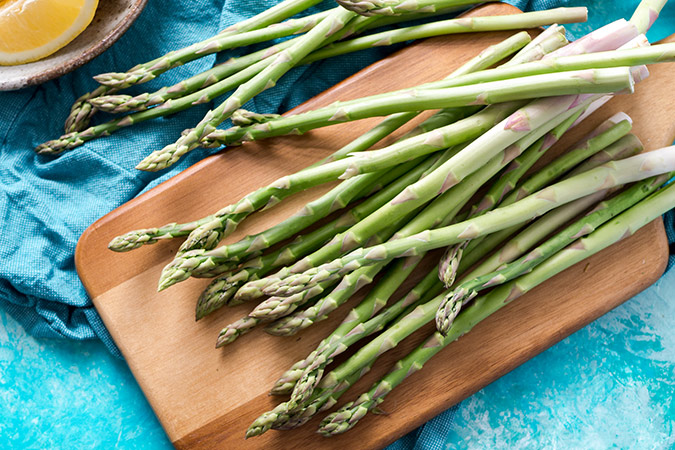
Low in calories yet very high in nutrients, Asparagus gives its consumers a lot of health benefits. The number of oxidants present in one serving of Asparagus is impressive since it helps prevent your body from experiencing harsh radicals. (46)
Asparagus is a great agent that is linked to weight loss due to its high fiber content. Aside from that, Asparagus helps balance blood pressure, which is excellent as many has already lost their lives due to low or high blood pressure. The Potassium value of Asparagus allows the blood vessels to relax and let the blood move freely throughout your body. (47) (48)
SUMMARY
100 grams of Asparagus gives you over 202 mg of Potassium, 6% of the Recommended Daily Value.
Conclusion:
Fruits and vegetables are seasonal, and uncommon foods such as avocado and peaches have a short shelf life that causes products to be quickly taken out of the market. It may be challenging to take care of these, but having an ensured amount of nutrition in your body definitely becomes worth it. Therefore, investing and partaking in demand for these kinds of food is essential so that prices may be altered lower and production will increase, making availability more open for everyone.


 Your brain does its best work when your potassium level is maintained. Go a long time without enough potassium and your brain could end up paying the price. It’s best to avoid the situation altogether by ensuring you’re getting adequate potassium.
 Getting enough potassium each day helps keep your internal fluids balanced correctly. Potassium is just one part of the equation, and you’ll want to make sure you’re getting all of your important minerals to maintain a balance of electrolytes in your bloodstream.
 Potassium helps knock out a sluggish metabolism and gets it back on track to natural levels of effectiveness. If you’ve ever had trouble losing weight while dieting, it could have been due to a slow metabolism brought on by, or worsened by, low potassium levels.