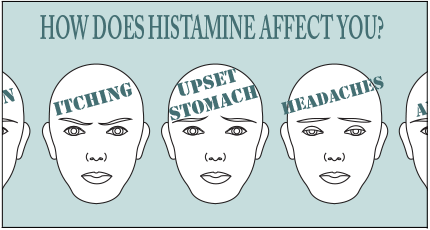
The many faces of histamine intolerance
By Shari Cheves on December 17th, 2012.
I am astounded at how many of us unknowingly suffer from excess histamine. Some of us itch or sneeze while others get headaches, migraines, joint pain, or nausea – within minutes or several hours after exposure! Our “histamine bucket” fills up based on factors such as genetics, allergies, medication, diet, environment, nutritional deficiencies, intestinal damage, and UV exposure. When our body cannot break down excess histamine, we suffer with histamine intolerance and increased inflammation. When we realize what is really happening, we can better prevent and treat this misunderstood condition!
Most of us know histamines through antihistamine drugs that relieve our suffering from allergies to pollen, insect bites, and even foods. Histamine is naturally produced in our body by mast cells or white blood cells, and it performs different functions by binding with histamine receptors. Depending upon their location, histamine receptors control very different body functions:
•Histamine H1 receptors: Smooth muscle and endothelial cells affecting skin; blood vessels (Benadryl and Claritin block activity of these receptors)
•Histamine H2 receptors: Cells in the intestines control acid secretion, abdominal pain, and nausea; heart rate (Histamine H2 receptor antagonist drugs have been used to reduce symptoms of dyspepsia and GERD)
•Histamine H3 receptors: Central nervous system controlling nerves, sleep, appetite and behavior
•Histamine H4 receptors: Thymus, small intestine, spleen, colon, bone marrow and white blood cells; immune function and inflammation
Keep in mind, histamine is essential for us to properly function and fight off invading toxins. But when histamine accumulates faster than we can break it down, it triggers inflammation in dreaded patterns of histamine intolerance unique to each person and episode. Our battle with histamine can hide behind less obvious symptoms like headaches, foggy thinking, diarrhea, arrhythmia, sinus congestion, or itchy skin appearing within minutes or even several hours after exposure. Extreme histamine levels can trigger breathing difficulty and swelling called anaphylaxis. The concept of histamine intolerance is rarely discussed by doctors but clearly outlined in scientific research.
So why haven’t we heard about this?
Histamine intolerance is hugely underestimated in the population. Most people respond to symptoms of histamine intolerance with an aspirin, antacid, or other quick-fix pill that does not address the root problem. Sometimes histamine levels are raised due to allergy, but histamine intolerance is not a true allergy and it won’t show up on allergy tests.
Unlike allergy testing, confirming a serious histamine intolerance isn’t easy or profitable for doctors. An elaborate study discovered that “histamine-intolerant subjects reacted with different organs on different occasions.” Each person has a unique set of symptoms that may not always recur in the same location or intensity. The only true test for histamine intolerance requires a strict histamine-free diet followed by a double-blind food challenge. With a true diagnosis, the standard treatment is even more dismal – a low-histamine diet for life. But don’t give up yet!
What causes histamine levels to rise?
Reduced or inhibited enzymes:
One of the more common reasons we suffer from histamine intolerance is the lack of enzymes diamine oxidase (DAO) and histamine-N-methyl transferase (HNMT). These enzymes break down histamine and keep it in check. DAO and HNMT levels may be genetically low in some individuals, blocked by drugs, or reduced from intestinal damage or diseases such as celiac. Though human research is lacking, caffeine inhibited DAO in animal studies. Though DAO testing has typically been limited to countries outside of the United States, Dunwoody Labs in Georgia appears to offer DAO analysis of blood tests shipped from a practitioner.
Many factors affect the body’s histamine levels, and there are ways we can help reduce the load. Our exposure to allergens, diet, drug use, temperature, hormones, and nutritional deficiencies dramatically impact our histamine levels throughout the day. Imagine your histamine as a “bucket” that fills up and only reveals symptoms after overflowing.
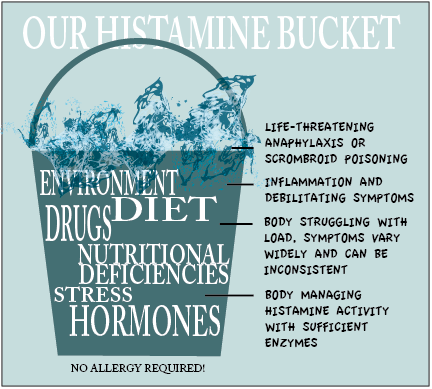
Allergies:
Large amounts of histamine are promptly released when we are exposed to our allergens, and the most common allergens include mold, dust mites, animal dander, pollen, medications, insect stings, latex, and food. Interestingly, scientists are beginning to suspect that these allergies have developed in order to protect us from environmental toxins. It is important to avoid exposure to known or suspected allergies, especially when histamine levels are a potential problem. Get tested and avoid the triggers to start emptying the bucket!
The most common food allergies include dairy, wheat, shellfish, eggs, and nuts. Contact allergies can include a wide range of substances such as rubber, nickel (in jewelry), acrylates (artificial nails), pine resin, and sunscreen or shampoo ingredients (such as benzophenone). Some people experience an early response to allergens, while others might only notice a late-phase response that can appear up to 10 hours later. Symptoms of this delayed response can last up to 24 hours.
If any type of food allergy is suspected, consult with an allergist and start carefully taking notes about diet and symptoms. ChartMySelf.com can help you keep online records of your health. Blood tests for both immediate and delayed food allergies are available to doctors from Great Plains Laboratory, US Biotek, and many others. Depending on the type of allergy exposure and related damage, a body may require days, weeks, or even months to fully recover.
Air pollution and pollen:
New research shows that air pollution contributes to cardiovascular disease by the increase in histamine and inflammation. Genetics also play a role in a person’s susceptibility to pollution.
These collective studies suggest that both short- and long-term PM inhalation can enhance thrombotic and coagulation tendencies, potentially via increases in circulating histamine and inflammatory cytokines and/or activated white cells and platelets. – Circulation, 2010
Interestingly, new research shows that some of us can experience inflammation from pollen without any specific allergy! Future studies will undoubtedly reveal how particles in our environment can affect our immune system beyond the classic allergy response.
Water pollution:
Studies have shown that common environmental contaminants trichloroethylene and tetrachloroethylene raised histamine levels in lab rats by increasing their sensitivity to allergens.
Drug interference:
Drugs can inhibit our vital histamine enzymes even more than food, possibly increasing the risk of food poisoning and other symptoms of excessive histamine. According to a research report, NSAIDs such as aspirin, ibuprofen and naproxen can cause histamine levels to rise. Opoid drugs and analgesics are the most common drugs used in hospitals, releasing histamine that results in uncomfortable itching for many patients. Excessive histamine can also result from drugs including (but not limited to) acetylcysteine, acetylsalicylic acid, alcuronium, alprenolol, ambroxol, amiloride, aminophylline, amitriptyline, cefuroxime, cefotiam, chloroquine, cimetidine, clavulanic acid, cyclophosphamide, D-tubocurarine, dihydralazine, dobutamine, isoniazid, metamizole, morphine, pancuronium, pethidine, prilocaine, propafenone, metoclopramide, pentamidin, thiopental, and verapamil.
Foods high in histamine:
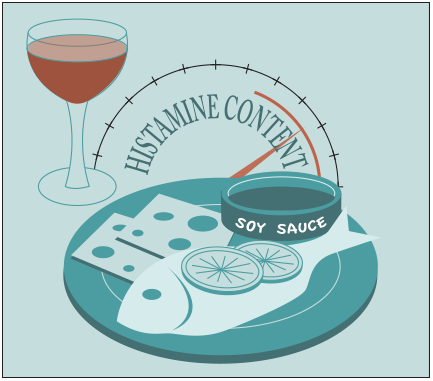
Symptoms can often be prevented by avoiding foods high in histamine:
•Fermented foods like wine, aged cheese, aged or smoked meats, fermented soy products (including tofu and soy sauce), vinegar (including pickles, ketchup and prepared mustard), and sauerkraut
•Foods exposed to high amounts of bacteria such as fish/shellfish
•Leftover meats can quickly accumulate microorganisms which result in histamine formation
•Chocolate/cocoa, spinach, eggplant, nuts, pumpkin, tomato, strawberries, citrus fruits, and seasonings like cinnamon, chili powder, and cloves can stimulate the release of histamine
•Wheat-based products
•Beverages such as tea (herbal or regular) and soy milk are high in histamine
•Any type of alcohol interferes with the body’s ability to break down histamine
•Prepackaged meals
[ An introduction to food intolerance
Michelle Berriedale Johnson explains what food in tolerance is, how you might diagnose it and then, how you might manage it.
I think I have a food intolerance…?
BBQ You think you may have a food intolerance. You may have been feeling under the weather—tired, bloated, headachy, no energy—or maybe you have more specific and more debilitating symptoms. Your GP can find nothing wrong. You may have been to a complementary practitioner who has suggested food intolerance—or even taken a high street test. Or maybe you just have this feeling that certain foods do not agree with you. So, what to do?
First of all, if you haven’t already done so, consult your doctor.
Go to your GP, explain your symptoms and let him or her do some basic tests—just so as you are sure that there is not anything organically wrong.
Once you are sure that you are sure that there are no other underlying problems that explain your symptoms, this guide will help you to identify if you are indeed intolerant to certain foods.
What’s the difference between allergy and intolerance?
Food intolerance is much more common than food allergy. However, many people believe they are allergic to certain foods when they are actually intolerant, so it’s you need to understand the difference.
Allergies
Food allergies are caused when the immune system reacts to a particular food; these reactions are usually severe and happen very quickly; very occasionally they can sometimes be life-threatening. Someone who is allergic to a particular food must not eat it.
Intolerance
In contrast, food intolerance does not involve the immune system and is never life-threatening (although it can sometimes make life very unpleasant). People with an intolerance may well be able to eat the food that troubles them, but if they eat too much of it, or have it too often, then they will develop symptoms. These symptoms may take hours or even days to develop.
Typical symptoms of food intolerance:
•Stomach cramps
•Bloating
•Nausea (sometimes vomiting too)
•Fatigue
•Joint pain
•Night sweats
Note that someone who is food intolerant may only have some of these symptoms; it is unusual to have all of them!
The problem with wheat and dairy
If you have had a high street test, they will almost certainly have highlighted wheat and dairy as being an issue. This is not because there is intrinsically anything wrong with whole wheat or dairy products as foods. On the contrary, they are both very nutritious.
However, the average person living in the US or Europe eats a prodigious amount of both refined wheat and gluten (often added as a processing aid). Breakfast cereals, toast, biscuits with coffee, pizza for lunch, pasta for supper… This can overload your digestive system, so reducing the amount of refined wheat and gluten that you eat may be a good idea anyhow.
As regards dairy products: although milk is a highly nutritious food, we were basically designed (like every other animal) to drink milk when we were babies, but to stop doing so when we were weaned. At the point of weaning, our bodies stop producing the enzyme—lactase—that allows us to digest the sugars that are in all milks. In fact, because humans go on drinking milk even after they are weaned, most peoples’ bodies will go on making lactase, but not necessarily that efficiently. As a result many people have some difficulty metabolising the sugar in milk, suffering to a greater or lesser extent, from lactose-intolerance.
Identifying which foods you are intolerant to
So, the most common problems are with either refined wheat products or with dairy—or both! That is not to say that there are not many other foods to which you can be, or can become intolerant. Tomatoes and citrus fruits are frequent offenders but, because food intolerance is very individual, you can react to almost anything.
The first thing is to try to establish what foods are causing your problems. If you have done a high street test then you can certainly start with the foods it highlighted. If not, the best way to start searching out the culprits is a food diary.
For two weeks ideally—at the very least, a week—note down everything that you eat —and I mean everything, down to finishing off what was left in the baby’s bowl and licking the jam spoon. And make an accurate note of the time at which you ate it.
Then in a separate ‘timed’ column, note how you felt and what symptoms you had and when they started. You will be amazed how often such simple lists will reveal that, for example, your headache always seems to start half an hour after you had orange juice for breakfast.
Excluding the problem foods: in the short-term
Once you have identified foods which you think may be causing the problems, then you need to confirm that with an ‘exclusion diet’. Now this may be quite simple—just excluding citrus fruits, for example—or it may be a lot more complicated if you are trying to exclude, say, refined wheat flour.
Dietitians worry about patients doing exclusion diets without proper medical oversight but, provided you are sensible, they are not dangerous. So, a few things to bear in mind:
Only exclude one suspect food initially. If you try to exclude several, it will be harder to do and, if you do feel better, you won’t know which food was the culprit.
If you have been to an alternative practitioner, or done a high street test, and you have been told to exclude more than one food, you can certainly do so. Although, if you do feel better, you will need to revisit those foods to make sure that they are all implicated, and that it is not just one. There is no point in restricting your diet more than you need to.
Be rigorous. If you want to pinpoint the food that is causing problems, you must exclude it completely—just cutting down a bit will not give you the answer you need.
Do NOT carry the diet on for more than three weeks’ absolute maximum. Two weeks should be enough to give you some idea as to whether you have got the right food.
If you do not feel any better after you have been on the diet for two weeks, then you will not have got the culprit food. You may then need to go through the same procedure with another suspect food. This is a pain and time consuming but it is the only really reliable way to find out whether a food is affecting your health.
If you do feel better, then you need to test out your conclusion by re-introducing that food again—and see whether your symptoms return. If they do, then you know that you got the right food and can continue to exclude it from your diet for a further period.
If you are excluding a food group (such as refined wheat flour or dairy products), you will need not only to read labels carefully but to be aware that flour is used in all kinds of products where you might not expect it. The new regulations which came into force in 2014 make this a lot easier as all 14 of the major allergens (which include wheat and milk/dairy products) now have to be highlighted in the ingredients list. However, you will probably find that many of your regular foods will now be off the menu!
You may well find that you need to cook more foods from scratch, so you can avoid certain ingredients. Although this may come as a bit of shock at first, cooking your own food is so much better for your health! The freefrom food market has grown hugely in recent years, so there’s a pretty wide range of alternative wheat-free and dairy-free foods available on most high streets; there’s also plenty of natural alternatives such as corn or buckwheat-based breads and coconut-based yogurts and ice-creams.
Eating Out.
You certainly can continue to eat out but you will need to be careful to choose an eaterie which is used to catering for allergic people and can offer you good alternative foods. It pays to call up in advance to discuss your need with them and, if you are not confident that they can cope with your needs, go somewhere else!!
You can check on our FreeFrom Eating Out Awards site for awards winning eateries and you can also check CanIEatThere? – an on-line guide to allergy aware eateries across the UK.
Excluding the problem foods: in the long-term
If, as a result of your exclusion diet you decide that a specific food (or foods) are causing you a problem, the you should exclude them for a further three to six months. However, you must take care to ensure that you are replacing them with other similarly nutritious foods.
After three months, ‘challenge’ yourself again with a small amount of the offending food and see how you get on. If it does not cause any symptoms, then re-introduce it but in small quantities. And try to ensure that you continue to eat it in moderate, not excessive quantities. Hopefully, you may already have found several new substitutes so will continue to eat a more varied and healthy diet.
If you still react to that food when you challenge yourself, then exclude it for a further three months and then try again. It may take quite a long time (many months or even years) for your gut to heal so be patient. The fact that you are still reacting after three or six months does not mean that you will never be able to eat the food, just that you shouldn’t yet.
Your health and food intolerance
Unlike a true allergy, a food intolerance usually reflects a more general health issue which affects the digestion’s ability to process and metabolise food properly. This could be as a result of almost anything—a bug picked up when travelling, long periods of stress or some more immediate trauma, too much ‘high living’, overuse of anti-biotics etc. But the result is that the bacteria in your gut may have become compromised, you may not be producing enough of the enzymes needed to digest your food, your gut wall may have become ‘leaky’, allowing food particles and proteins to leach out into your blood stream.
All of these things will mean that foods which your digestion, when in good shape, could deal with perfectly well, now cause it to struggle.
So a crucial part of dealing with a food intolerance is to address general health issues at the same time. The very fact of excluding the foods that are causing your digestion to struggle will already reduce the stress under which it is labouring. But if you are able, try to address other health issues at the same time—trying to get good sleep, taking more exercise, reducing stress levels with yoga or meditation or mindfulness classes, reducing the amount you smoke or drink, maybe taking some all purpose vitamin or mineral supplements and/or probiotics etc.
As your general health improves, so will your digestive health and the chances are that, in time, you may well be able to tolerate the foods that currently give you problems, at least in small amounts.
Severe food intolerance
This article covers low-key food intolerance; the kind that most people suffer from. But, food intolerance can be a great deal more serious and, in really extreme cases, can result in sufferers’ diets being reduced to only a handful of foods and, occasionally, to no foods at all. ]
Foods high in histadine (over 1000 mg) may also be problematic, as histadine converts to histamine:
Game meat including buffalo, elk, moose, caribou
Pork including loin, chops or other cuts, ham, bacon
Soy protein
Chicken and turkey
Veal and beef, pastrami
Lamb
Fish including tuna, pike, cod, sunfish, perch, grouper, and others
Cottage cheese
Source: Nutritiondata.self.com
Foods high in fat:
New studies show that fat absorption may dramatically increase the release of histamine and contribute to chronic inflammation.
Nutritional imbalances:
When the body is low in B vitamins, vitamin C, and copper, histamine may not break down sufficiently to overcome symptoms of intolerance. Foods high in Bs include potatoes, sunflower seeds, and soybeans. Foods high in vitamin C include bell peppers, broccoli, brussels sprouts, kiwifruit, cantaloupe, and kale. Researchers found that vitamin C may work by increasing the activity of the DAO enzyme.
Copper is required to form the DAO enzyme and copper deficiency associates with low DAO enzyme activity in animals. More research is necessary to confirm that copper supplementation increases DAO activity. Foods high in copper include fresh basil, cocoa powder, cashews, soybeans (mature), herbal tea, sesame seeds, sunflower seeds, garbanzo beans, and lentils.
Some foods like potato are also high in oxalate which can release histamine in certain people. Keep in mind that while citrus is high in vitamin C, it releases histamine within the body and can aggravate symptoms. A food allergy to any of the above foods will also increase histamine.
Heat and UVB light:
Studies show that UVB light caused histamine release in vitro, though it was protected by ascorbic acid (vitamin C). Some people notice that rashes and skin conditions can worsen with exposure to sun and heat.
Exercise:
Some episodes of anaphylaxis have been triggered by moderately intense exercise, particularly in warm environments. These extreme reactions are typically related to food allergens that were consumed prior to physical activity. Strict avoidance of allergens may help prevent symptoms of histamine intolerance that occur during exercise – particularly dynamic exercises such as jogging, running, and aerobics that involve less resistance. Recent studies indicate that the amino acid L-carnosine is released during these exercises and then converted to histamine.
Hormones – including stress hormones:
Rising estrogen levels have been associated with elevated histamine, and women might notice increased sensitivity and symptoms of histamine intolerance at different times in their monthly cycle. Periods of high estrogen link to sinus sensitivity to histamine. Environmental estrogens such as pesticides, agricultural growth hormones, and PVC in plastics may also activate histamine release. Conversely, histamine appears to stimulate estrogen levels as well and exacerbate symptoms. Diamine oxidase levels are much higher in the luteal phase of the menstrual cycle, theoretically reducing the risk of excess histamine during that phase.
The “stress” hormone cortisol appears to increase histamine in stomach and intestines in lab studies. Reducing stress can lower the amount of stimulating hormones that activate mast cells which release histamine and other factors of inflammation.
How can we manage a histamine overload?
At times we can reach a “point of no return” where our histamine levels start the cascade of inflammation and aggravating symptoms. Nausea, diarrhea, skin rashes, headaches, and mental distress are common ways our body expresses inflammation from excess histamine, though each person experiences this differently. Seek immediate medical attention for any signs of anaphylaxis!
• Avoid further triggers in diet and environment. Don’t take risks until seeking medical advice and getting tested for true allergies.
• Add a cold blast or slow warm-up. Ice packs can relieve affected skin and reduce histamine. Interestingly, cryotherapy is used to relieve pain with arthritis through the reduction of histamine. Frozen gel packs even helped relieve migraines in 50% of patients in one study – applied for 25 minutes – with benefits increasing in subsequent tests. Make it very cold and quick, because a short-term moderate decrease in temperature will likely increase any itching.
• Cortisone cream and colloidal silver are quick, simple remedies for skin reactions. Topical hydrocortisone cream relieves itching and may consequently help prevent infection. Avoid complex medications or herbal remedies that expose the skin to more allergens and harsh chemicals. Colloidal silver spray is a natural antibacterial remedy that helps prevent infection.
• Oral antihistamines do not reduce histamine, but they block histamine receptors to help us sleep, heal, and fight inflammation. First-generation antihistamines make us drowsy with occasional side effects of insomnia and confusion. Second-generation, newer antihistamines do not make us drowsy but may cause headache and dry mucous membranes. Long-term use of oral antihistamines is associated with weight gain, and oral antihistamines do not improve DAO enzyme activity.
• Corticosteroids are used locally as in the case of nasal sprays or systemically in pill form. While corticosteroids may provide immediate relief for some allergy symptoms, their side effects can be dangerous, crippling, or fatal with prolonged use.
• Bee propolis as a powder from capsules can be applied to itchy skin to quickly reduce inflammation and histamine and relieve symptoms. This supplement can stain clothing so cover with a bandage or gauze. Individuals with asthma or an allergy to pollen or bee stings should avoid bee propolis.
• Stinging nettle extract reduces allergic and inflammatory activity in vitro. Interestingly, experimental topical treatment also relieves osteoarthritic pain.
• Probiotics show promising signs for alleviating allergic disease, and we are beginning to learn how these “good” bacterial strains can benefit the body in different ways. Probiotics like L. reuteri help produce histamine in the gut that suppresses inflammation. Studies also suggest that probiotic L. rhamnosus reduces activation of mast cells and H4 receptors. In this manner, probiotics can shift immune activity to a more “intracellular” Th1 response rather than the “extracellular” Th2 response that characterizes excessive histamine activity in allergy, asthma, and autoimmune diseases. In fact, taking different strains of probiotics including L. reuteri, L. rhamnosus, L. casei, and B. bifidum may work best to reduce the allergic response that can trigger excessive histamine.
• Flavonoids – Naturally occurring flavonoids fisetin, kaempferol, myricetin, quercetin, and rutin inhibited histamine release in lab studies. These antioxidant compounds are found in kale, broccoli, capers, buckwheat, onions, apples, and asparagus. Mast cell activity is also inhibited by flavonoid luteolin found in carrots, peppers, celery, olive oil, peppermint, thyme, rosemary, oregano, lettuce, pomegranate, artichoke, chocolate, rooibos tea, buckwheat sprouts, turnip, capers, and cucumber.
• Enzymes – Enzyme diamine oxidase (DAO) breaks down histamine internally, and routine intake of a food supplement like DAOsin and Histame can help prevent episodes in the long-term.
What other behaviors and health conditions are related to histamine?
• Food poisoning symptoms – Many outbreaks of food poisoning are actually caused by excessive histamine consumption in certain high-histamine foods. Scrombroid food poisoning results from eating spoiled fish containing toxic levels of histamine – not bacteria. Histamine poisoning resembles a food allergy and is often misdiagnosed.
• Migraines – There is much evidence to support the link between allergy and migraine, including the elevated levels of histamine in blood plasma of migraine patients. Yet typical antihistamine drugs that target histamine H1 and H2 receptors have not been effective for migraine. Future studies may target histamine H3 or H4 receptors with better results.
• Atopic dermatitis – This inflammatory skin disease can be relieved with a low histamine diet in some patients who do not respond to food allergy tests.
• Motivation, appetite, and addiction – Fascinating research describes how diminished histamine in the brain may relate to feelings of apathy and increased appetite. In women this behavior may be enhanced by hormones, as histamine rises with elevated estrogen and luteinizing hormone throughout the monthly cycle. Indeed, women generally experience increased appetite in the last half of their cycle as their estrogen and histamine drop. Similarly, allergic symptoms can be more pronounced in mid-cycle.
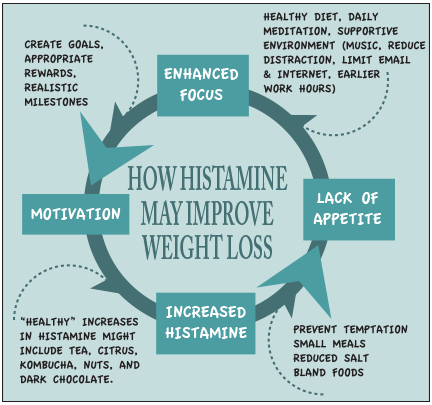
Histamine feedback loops may also contribute to the success of very-low-calorie diets. In fact, histidine supplementation suppressed food intake and fat accumulation in rats. Even chewing plays a role in triggering the histamine release that reduces appetite. Chewing has even been effective for reducing fat in obese animals!
Too much of a good thing? Excessive histamine in the brain is linked to addiction and alcohol dependence in preliminary studies. Interestingly, females have higher levels of brain histamine and are more prone to addiction than males.
• Cancer – Although we may suffer from an excess of histamine and consequential inflammation, exciting new research shows that histamine controls some types of cancer growth. Research shows that histamine and histamine receptors affect growth of cancers of the stomach, pancreas, colon, and liver in different ways. Certain cancer cells produce a form of histamine (histidine decarboxylase) that represses inflammatory cell activity. Other studies show that histamine and mast cells may both promote and inhibit cancer at different stages! In fact, melanoma skin cancer appears to be stimulated by histamine in lab tests and inhibited by a topical drug that blocks histamine called H2 antagonist. This type of drug has been used to treat acid reflux, ulcers, and indigestion.
Furthermore, histamine is being considered to prevent the damaging effects of cancer radiation therapy.
“…histamine significantly protects two of the most radiosensitive tissues, small intestine and bone marrow, from high doses of radiation. In addition, histamine has the ability to prevent functional and histological alterations of salivary glands exerted by ionizing radiation.” – Current Immunology Reviews, 2010
• Parkinson’s Disease and brain degeneration – Accumulated histamine in the brain can cause damage to neurons through inflammation. Studies on patients with Parkinson’s Disease have shown abnormal, reduced ability to break down histamine in the brain and an accumulation of histamine methyltransferase. Furthermore, manganese exacerbated this altered histamine activity in lab rats.
• Multiple Sclerosis – Recent studies revealed that multiple histamine receptors are involved in multiple sclerosis, with some receptors promoting the disease and others inhibiting it.
• Inflammation – Histamine and its receptors are constantly engaged in a vital balancing act, preventing excessive inflammation while promoting homeostasis and healing. A variety of inflammatory diseases involve histamine activity.
Animal models indicate that mast cells, through the secretion of various vasoactive mediators, cytokines and proteinases, contribute to coronary plaque progression and destabilization, as well as to diet-induced obesity and diabetes. – Trends in Pharmacological Sciences, 2011
Periodontis shows high levels of histamine in inflamed gum tissue, and topical H2 antagonist drug cimetidine dramatically improves conditions. Patients with inflammatory (rheumatoid) arthritis have pain relief from cryotherapy which has been shown to reduce histamine levels for extended periods. Certain types of histamine receptors in joint tissues are suspected to play a role in chronic conditions like arthritis.
Yet histamine may also protect us by inhibiting AGE activity which contributes to chronic inflammatory diseases such as cancer, diabetes, heart disease, and brain degeneration. Researchers found that histamine and H2 receptors inhibited AGE activity that increases plaque in diabetes, proposing that stimulating H2 receptors might help prevent atherosclerosis.
• Osteoporosis – Mast cells which release histamine appear important to bone health, and a deficiency or excess of them can be associated with osteoporosis. It has even been suggested that inhibiting mast cells might eventually become a treatment for osteoporosis! Estrogen deficiency (associated with calcium deficiency) may contribute to increased mast cell activity and low bone volume that leads to osteoporosis.
• Dilated blood vessels – Typically histamine lowers blood pressure and dilates blood vessels which leads to low blood pressure and increased permeability. Even hemorrhoids are dilated blood vessels associated with increased mast cells and histamine. Again, histamine can switch directions and constrict and dilate arteries and cause chest pain.
• Nausea and motion sickness – Histamine can play a role in symptoms like vertigo, motion sickness, and nausea, and vitamin C supplementation may provide relief. Antihistamines have also been used to reduce post-operative nausea and vomiting.
• Sleep disorders – First-generation antihistamines made us drowsy, revealing how histamine helps keep us alert. Normally, histamine H3 receptors reduce histamine activity so we can properly fall asleep or stay awake. Studies suggest that damage or deficiency of these receptors can result in permanently excessive histamine which can contribute to chronic sleep disorders.
• Hypothermia – Histamine released by the hypothalamus helps control body temperature which affects various body functions. Experiments on mice showed that histamine injected in the spinal cord can even produce hypothermia. Higher histamine levels that induced hypothermia were associated with low vitamin B1 (thiamine) levels in another study.
• Diverticulitis – Some types of diverticulitis appear linked to allergies and histamine activity which generate massive inflammation.
• Meniere’s disease – This condition involves chronic dizziness, tinnitus (ringing ears), and hearing loss which are associated with histamine levels. Betahistine works to relieve symptoms in a mixed manner by inhibiting histamine H3 receptors while enhancing H1 receptors.
• Vulnerability to disease – Histamine increases the permeability of the blood-brain barrier which can leave us vulnerable to bacterial infections and other diseases. Disruptions of the blood-brain barrier play a role in the development of epilepsy, Alzheimer’s Disease, meningitis, and multiple sclerosis.
Histamine on the horizon
We can now begin to imagine how to change our diet, avoid certain drugs, and adjust our lifestyles to better regulate our histamine levels. By first identifying our allergens through thorough testing, we can reduce exposure and dramatically empty our “histamine bucket” and lower inflammation. Even if we have no allergies to avoid, we can improve our ability to breakdown non-allergic histamine with B and C vitamins. Ideally we can better prepare our bodies to handle histamine “spikes” as needed for fighting disease, increasing motivation, or simply tolerating delicious leftovers.
We desperately need a way to identify and “scan” histamine content in our food and supplements prior to purchase and consumption. Packages can differ widely based on their microscopic bacteria content – even within expiration dates. Austrian scientists have made suggestions for tolerable levels for certain foods including sausage, fish and cheese, but we need global standards for all foods and awareness of the risks surrounding fish, fermented foods, canned meats, alcohol, prepackaged meals, and other high-risk products.
Similarly, daily tracking of our own histamine metabolism would help guide our diet and lifestyle. Recognizing the triggers can help us map our journey to good health and beyond!
Update July 2013 – The Hidden Accomplices of Histamine Intolerance:
Researchers are finding that histamine and its toxicity can be affected by related substances in its family of biogenic amines including putrescine, tyramine, and cadaverine. Putrescine and cadaverine in foods can prevent the breakdown of histamine and contribute to symptoms of intolerance. Putrescine is highest in spoiled food, fruits and cheeses, while cadaverine can be high in aged meats, fish and cheese. Some migraine sufferers have noted sensitivity to tyramine-rich foods which can accumulate tyramine in bodies with reduced levels of monoamine oxidase (MAO). Tyramine builds up in foods such as aged cheese, meats, fish, red wine, and soy sauce as well as high-protein foods that have been stored over time.
A limited but useful food database was been developed that identifies polyamines in food sources. Grapefruit juice, orange juice and cooked soybeans showed higher levels of putrescine, while lentil soup and cooked soybeans showed higher levels of spermidine and spermine. Mature cheddar cheese was high in all three polyamines, demonstrating how fermentation and storage can dramatically affect levels in many products. A wide range of spices can reduce polyamine activity, though some like curcumin (turmeric) may also inhibit DAO according to animal tests. Yogurt and high fat milk showed lower levels of polyamines than other milk products, though more studies are necessary to find the relationship between fat, polyamines, and histamine burden on the body.
Like histamine, biogenic amines can be produced by bacteria in food but cannot be broken down by cooking or freezing. Substances like resveratrol (found in red grape skin) and green tea can reduce histamine production and the allergic response, and interestingly these substances are also inhibiting tumor growth. Research has associated elevated polyamines (putrescine, spermidine, and spermine) in the body with cancers of the breast, colon, lung, skin, and prostate.
181 comments to The many faces of histamine intolerance.
Shari Cheves
November 7, 2017 at 1:04 am
Thanks Diane, what a great discovery that colostrum helps with histamine and hives! Colostrum has powerful proline-rich polypeptides (PRP) that may help reduce allergic symptoms, but there is limited research so far. Histamine causes permeability in arteries and veins – often leading to swelling and itching – so it is not surprising that there would be improvement in your hands. Histamine is higher in some patients with varicose veins. These are great insights to share, and hopefully you can slowly reintroduce some of your healthy fermented foods with the right histamine support. Keep up the B6, vitamin C, zinc, and Bifido probiotics known to help break down histamine. Good work!
Diane Sperber
November 2, 2017 at 6:48 pm
I am 70 and have been suffering with chronic urticaria (chronic hives) for two years. It sent me to the emergency room several times. Of course they always want to put you on some drugs usually benedryl and prednisone which can have terrible side effects if taken for a long time. Out of fear I did give in and take it(predinisone) for short periods at a time. I regret the last two times I got on it as it was a slow process of tapering off it. The doctor ran all sorts of allergy tests with nothing found. I have always been eating what I thought was healthy but realized that it was all very high histamine, like homemade sauerkraut, kombucha, raw goat cheese, sardines etc. So I focused on eating only low histamine foods. I also discovered that quercetin was a great antihistamine and took it faithfully, like 800 mg every 4 to 6 hours. My last bout of hives was almost totally gone, but never completely. Every day I would check my entire body for any sign of the hives and there would always be a small spot here are there. But I was thankful as, at least, I had them under control. Most recently I have been taking Colostrum-LD by Sovereign Labs. Colostrum is the first milk a mother produces for her baby and contains all that is necessary to make her child’s immune system healthy. Colostrum’s life-giving process that is passed from mother to child is the same for all mammals including cows and bovine(cow) colostrum is bio-identical to human colostrum. I have been taking it now for two months and my hives are now totally gone. What I really noticed were the veins on the top of my hands. They had always(at least the last few years) been bulging and ugly. I thought it was just my age and genetics but now they have receded and my hands look amazingly younger. This colostrum is advertised to heal a leaky gut and balance the immune system. It dose not work overnight because it is healing your gut from the inside out, and it is definitely working for me. It is rather costly but when you consider all its benefits it is worth it. You should check it out!
Shari Cheves
October 29, 2017 at 9:22 pm
Dear Helen,
The links between menopausal hormone changes and mastocytosis are very complex and poorly researched. Histamine triggers would logically make things even worse for people going through hormone swings, and it appears that this phenomena is linked to the interactions between MAST CELLS and BONE. Bone density changes (including osteoporosis and frequent fractures) are features of both systemic mastocytosis and menopause.
http://www.sciencedirect.com/science/article/pii/S0889856114000125
https://link.springer.com/article/10.1007/s00198-016-3539-1
Since half of bone loss happens before menopause, it makes sense that mastocytosis would be aggravated during the perimenopause phase if it is driven by bone loss and estrogen depletion.
There appears to be benefits in tackling multiple angles of the problem – histamine deficiency actually prevented osteoporosis in animal studies. Another study showed benefits of probiotic Lactobacillus reuteri prevented bone loss associated with estrogen deficiency. This is even more useful when we see that certain Bifido probiotics have been used to help break down histamine and reduce inflammation.
The use of probiotics as therapy for osteoporosis is just now being investigated, and it’s probably even farther off for mastocytosis. Bacteria can release histamine in the gut and regulate allergic disease and immunity – for better or worse depending on the mix – so it’s not surprising that we are starting to work with probiotics on so many levels. Female hormones affect gut bacteria as well, so we can start to see why isoflavones (as in soy) can benefit postmenopausal women by increasing our phytoestrogens and beneficial bacteria. One study showed that genistein, an isoflavone, increases cell histamine but stops the spread of mast cells. As you see, we may need to look beyond reducing histamine in conditions like mastocytosis and try to alter the disrupted allergic response, hormone levels, and bone metabolism to see long-term success. I have personally found some health benefits in perimenopausal symptoms by adding specific probiotics like Bifidobacterium and reducing Lactobacillus, but each person is different. Yasmina discusses these in her post on lowering histamine with probiotics. Let me know if any of these supplements (along with low-histamine dieting) work for you!
Helen
October 21, 2017 at 8:35 am
Are there any medical studies re: histamine triggers with people who have mastocytosis & perimenopause.My masto symptoms have increased tenfold.
Shari Cheves
September 24, 2017 at 9:27 pm
Hi David,
Food contents are now labeled as gluten-free or with specific ingredients like wheat, but histamine is not an ingredient or measured value of a food product. Furthermore, one simple ingredient can have drastically different histamine levels than another sample based on many environmental factors. Hopefully we will see histamine monitoring in the future if the FDA decides to monitor histamine levels for sensitive people. There is a histamine test kit out there for food and beverage, so perhaps it can become part of regular food inspection as well: https://www.oxfordbiomed.com/products/food-science. In the meantime, help spread awareness about food and histamine content!
david
September 24, 2017 at 12:08 pm
Hi all,
My doctor told me…is worst than glutin intollerance!! in any restourant there are more dish gluten free then hinstamine free/trigger.
Shari Cheves
September 20, 2017 at 2:32 am
It sounds like you are on the right path. It is always surprising when allergies or intolerances associate with pain. Keep in mind that DAO reduces histamine in the intestines but doesn’t reach joints and tissues, so it might help lower the “bucket” but not empty it. Be sure to consider checking for mold with moisture meters, use HEPA air filters, and avoid potentially allergenic body care products until you find the worst offenders. Dust mites and mold are two of the most common airborne allergens, and they hide quite well. I had chronic sinus infections with lots of histamine intolerance before I learned about washing linens in hot soapy water, reducing drapery/upholstery, and giving away my feather and down pillows and comforters! Nasal rinsing is also essential after trigger events such as gardening, crowded theater events, or vacations away from home. Some of these simple remedies continue to help pay back lost years of health. Let me know what works best.
Penny
September 3, 2017 at 8:21 pm
Wow, I am now wading through all the information regarding histamine intolerance after a nutritionist I am working with suspected it. She asked me to take a Benadryl for 2 days to see if my joint pain symptoms improved. The pain I had had for 10 months was GONE….amazing. She suggested a low-histamine diet for 6 weeks with a DAO supplement. I have had genetic testing and have a heterozygous variation on my DAO gene among other variations. She also suspects mold. I will attempt to see my MD to request mold testing (she requested specifics) because it is so expensive to have this done privately but am not hopeful that this will be met with any enthusiasm. It is so much information, it feels quite overwhelming yet exciting that I may be able to address the myriad of confusing symptoms that I have had off and on my whole life. It started with being a sickly child and I am now 62 and feel somewhat resentful that this is taking so long to become an accepted diagnosis for people. I totally understand the individualism of the condition and therefore the difficulty in treatment recommendations but to just have a diagnosis and to not be made to think you are a hypochondriac would be a good place to start. Because I look and act healthy my complaints are blamed on aging. I accept that to a certain extent but when the solutions are suffer of take this prescription then that is where I find myself losing faith in the system. My goal is to enter my old age in as good health as possible to not burden the medical system, my family or myself with unnecessary illness/surgeries/medication dependence. Thank you for this very informative article and even though there is not a magic bullet plan out there it does give the most helpful advise on my personal wellness journey.
Mary Dean
August 21, 2017 at 3:39 am
Thank you so much. I am dealing with intense urticaria going on 2 months and am desperate for good info, so I deeply appreciate the generosity of people posting.
Shari Cheves
August 10, 2017 at 10:00 pm
Hi David,
I have successfully treated skin itching with a bee propolis/green tea paste, blending powders of both in a base of colloidal silver or purified water. Based on my research, I believe this combination simultaneously relieves inflammation, reduces bacterial load, and lowers histamine in top skin layers. In one difficult case I also found relief from an acupuncturist who used seed beads on specific points in the ear. Oddly, this auriculotherapy eventually led to some itching in the ear, but it was a tolerable solution as the more acute condition subsided. Let me know if you need to know the acupuncture points.
For mild itching, I have also had good results with Florasone homeopathic cream. Ice packs and keeping cool are always very helpful. I have not had to treat solar dermatitis, so please consult with a medical professional to confirm if these remedies will help. And let me know what works for you. Thanks!
-Shari
WESOLOWSKI David
August 7, 2017 at 1:21 pm
Thank you for this helpful article. I was diagnosed with solar dermatitis and have been experiencing severe itching since
June 2017. What is your best advice to relief severe itching skin.
Shari Cheves
August 3, 2017 at 7:01 am
Thank you for this opportunity to explore histamine, narcolepsy, autoimmunity, and hormones. First, type 1 narcolepsy is associated with up to 64% more histamine neurons than average. This finding is only showing up in human tests, explaining why we haven’t heard much about it. The histamine neurons are found in the hypothalamus which controls our sleep-wake sensations as well as temperature, hunger, thirst, etc.
It is very interesting to read how histamine might alleviate symptoms of narcolepsy. It was previously thought that only the loss of orexin was driving symptoms of narcolepsy and related disorders, but now it appears that histamine is involved. Even more surprising is research about what you suspected all along – that narcolepsy is an autoimmune disorder. Narcolepsy is strongly associated with many autoimmune conditions. I suggest diving into this recent paper that explains how narcolepsy might be triggered by viruses as well as autoantibodies. In fact, there are many conditions that involve both elevated autoantibodies and fatigue (Hashimoto’s, chronic fatigue syndrome, diabetes). Specifically, scientists have just started exploring the autoantibodies related to narcolepsy in animal studies. Some influenza A and H1N1 viruses also trigger narcolepsy, and you may have suffered from a viral infection before or during the Depo Provera exposure. Not all viral infections are obvious, and it is worth noting that Depo Provera (and progesterone in general) may increase susceptibility to viruses and reduce the immune response!
While I was never diagnosed with narcolepsy, I have suffered from fatigue and sleep disorders that were most prominent when I was eating gluten and eggs. My condition worsened for two years after first experiencing an infection and antibiotics after oral surgery. After getting IgG tests for these foods (IgE was normal), I avoided them and recovered. It is not easy to lower my theoretical “IgG bucket” to impact my fatigue levels. I have to keep a detailed health journal so I can track what works and doesn’t. Eggs still cause me to fall asleep within a few hours, and I suspect that some IgG antibodies pass into the brain more easily than others.
It is easy for us to point the finger at autoimmunity. But it looks like our IgG autoantibodies are simply serving to clear out cellular garbage related to other diseases or exposures that create inflammation. This great paper shifted my views on IgG autoantibodies and autoimmunity which is part of a larger balancing act within our body. In summary, some cases of narcolepsy may reflect a deeper struggle with autoantibodies as a result of a battle against bacterial, viral, or even food sensitivities. Allergy tests barely scratch the surface of antibodies in the body, as allergy measures IgE reactions to the environment and not reactions against our own body tissues, viruses, or bacteria. Some doctors can run IgG tests or autoantibody tests, but finding the real trigger among thousands of possible suspects is technically impossible.
I suggest discussing the possibility of a latent viral infection with your doctor. Try reviewing the natural remedies for viruses on websites such as Earthclinic.com. I often use apple cider vinegar, vitamin C, garlic, or other natural remedies to improve my energy and resistance to viral infections which are always a threat, especially at certain times of year. By increasing immunity while decreasing exposure to toxins and triggers, I’m able to have twice the success in achieving good health. Please let me know what works for you!
-Shari
Julie Ogden
July 25, 2017 at 1:58 am
I have gone several years with horrible itching and have to take antihistamines daily or I will get so bad I can’t sleep. I have had allergy tests and wasn’t showing any major allergies and at the time the dr said something about histamine but I didn’t really pay much attention. Just thought I would have to take antihistamines forever. Le and behold I also have narcolepsy. Found out just yesterday that there’s a link between histamine intolerance and narcolepsy. This explains so much!! I think it’s all autoimmune disorder and something triggers it in us. For me I will always be convinced the birth control shot called Depo Provera caused everything for me. I was fine until I had 3 shots. What else is this shot affecting besides female hormones?? I think it permanently altered my hormone production and hypothalamus.
Shari Cheves
July 18, 2017 at 6:30 am
Mast cell activation disorder is no fun! Thank you for pointing out its significance here. My report did not discuss this systemic problem that presents as severe histamine intolerance. It is so difficult to determine if cases of elevated histamine are a result of full-blown MCAD or just a simple DAO enzyme deficiency, for example. It is true that MCAD is more common than once thought, and it may be even more prevalent if we view it as a broad spectrum disorder with multiple subtypes. I have mentioned in multiple reports the problems with our volatile medical terminology – particularly when we refer to symptoms such as MCAD or histamine intolerance as root causes. The names do not begin to describe the depth about how or why we suffer.
There are some underlying associated conditions that may deserve attention such as MTHFR status and the need for methylated B vitamins. As with every unique case, it is so important to keep a detailed health journal and determine every possible trigger in the constantly changing environment. There is no way to test all of the thousands of chemicals that might raise IgE or other Ig compounds that set off mast cells and flood tissue with histamine. Something as simple as a type of soap, jewelry metal, or favorite pillow can be a hidden source of trouble. Mold in bathroom walls is also a common indoor trigger, and I’ve had to use moisture sensors to detect leaks behind surfaces.
The only substance that relieved my own mast cell degranulation (in skin) was bee propolis. Research indicates that it anti-allergy effect may vary based its location of harvesting. I used it topically and do not have a known allergy to bee stings. I experienced more trouble with mast cell degranulation when I was recovering from chronic pain associated with gluten intolerance (another symptom of much deeper vulnerabilities and imbalances, of course). Let me know if you have any success with bee propolis, as it is not widely known or discussed.
JAO
July 17, 2017 at 5:15 pm
I haven’t read through all the comments here, but I have read a lot on what is called ‘histamine intolerance’. And, I suspect that it’s a misnomer. I think that what is being called a histamine intolerance is actually a mast cell disorder because it is the mast cells that produce histamines. You probably know this. But, check out mastocytosis and mast cell activation disorder (MCAS/MCAD). People don’t get cancer due to histamine levels. The histamine intolerance is the signature, if you will. It’s the mast cell that you have to study. Not the histamine. And it’s very complex. Check out the blog Mast Attack. Everything you’d want to know is there. It’s a brilliant site, and the author is a biochemist who also has mastocytosis. I have MCAS which manifests as “anaphylaxis syndrome”. I can have an allergic reaction resulting in anaphylaxis at any time to anything, and my reaction is not IgE-mediated. My mast cells are defective. No amount of vitamins, low histamine diet, clean environment , or pure diet has helped me. It is a very complex disorder. But, yes, I follow all the histamine protocols. And I still have to carry Epipens everywhere I go and take high levels of antihistamines daily–just to stay alive. It’s a weird thing.
admin
July 8, 2017 at 9:29 pm
Interesting point to discuss, thank you. Climate is a complex factor in our health, especially since it doesn’t affect us all equally. Some people are sensitive to heat, some to cold – as seen in cholinergic urticaria. I personally cannot tolerate much heat without getting swollen red and purple skin, but I don’t get hives or itching. Perhaps we suffer from a form of cholinergic urticaria, a condition that actually involves sensitivity to sweat rather than heat. I find that my condition is worse if my histamine bucket is full from other triggers.
Changes in histamine certainly alter body temperature, but the effect doesn’t clearly happen in reverse. And hot yoga doesn’t have a reputation for causing anaphylactic shock! More likely we react to something in our local environment that increases with heat – elevated pollutants like dust, ozone, pollen, mold, and even VOCs from beautiful trees. Outgassing of natural and manmade products will increase outside and inside of our homes and cars in hot weather. Histamine content in foods will also go up when food bacteria levels rise with exposure to warm air. Until you identify the biggest triggers in your environment, systemic reactions may be a constant challenge. Of course there may always be a pet, cosmetic or body product, medication, supplement, or even daily food item that can slowly evolve into an overwhelming problem.
Allergy tests are generally limited in scope but can help identify the most popular triggers like pet dander, dust, mold, some foods, metals, chemicals, etc. But you will also benefit from keeping a detailed health journal while trying things like thorough housecleaning, vacationing away from home, allergy elimination diet, or new sleeping environments. A low histamine diet is helpful but not curative when there is constant exposure to something inflammatory or allergenic. An anti-inflammatory diet is equally important along with improving B and C vitamins that break down histamine in the body.
Let me know what helps, but don’t give up. I’ve seen severe cases improve with something as simple as one housecleaning, while others may be a combination of things like specific tree removal, replacement of bed linens, and avoidance of soy sauce.
-Shari
Jean
July 1, 2017 at 2:32 pm
Hi, I’ve read your article and other articles on HIT with great interest. Over years I’ve had symptoms that I’ve put down to allergies but never known what triggers it. Coughing fits, sneezing fits, headaches that last for days, hives, symptoms like IBS. heartburn, extreme fatigue and brain fog. As I’ve got older (I’m in my 50s) it has seemed to get worse, with family members saying ‘you’re always ill’, yet I never feel quite ill enough to go to the doctor and then it all clears up…till the next time. Recently we had extremely hot weather for several days(unusually for here), then I started to get eczema all up my arms from shoulder to wrist, intensely itchy and painful. I took some anithistamines which helped a little, then the headaches started, then the abdominal cramps and finally I was left exhausted and with brain fog and unable to function normally. When I googled the symptoms, I found this website and it all seemed to make sense. What I’d like to know is, can unusually hot weather bring on an increase in histamines? Could the weather have been a cause or should I be looking at what I’m eating and drinking? Thanks for all the help, I shall certainly be trying out all the suggestions!
admin
June 15, 2017 at 6:46 pm
Hi Tony,
Yes, histamine is produced when fighting any infection as part of the natural inflammation-based healing process. It is hard to predict which histamine receptors will get involved and how many other areas of the body (outside the mouth) will be affected. A constant release of histamine in a long-standing infection will drain the body and reduce functioning of immune, neurological, and digestive systems. This demonstrates the importance of eliminating any bacterial or viral infections to reduce histamine-related inflammation – thank you.
Tony
June 8, 2017 at 7:19 am
Hi I have a question will an abcess in your gums increase your histamine levels
admin
May 30, 2017 at 11:04 pm
Dear David,
Elevated histamine can result in flushing or digestive disturbances, and alcohol is a major trigger. Avoiding alcohol or fermented foods would be a simple solution. If you continue to have problems, an allergy test would be useful in identifying and eliminating allergens that raise histamine such as dust, mold, or chemicals.
david
May 29, 2017 at 5:37 pm
Im wondering if im suffering from histamine intolerance because about one year ago I was with a friend enjoying some alcoholic beverages and later that day I became severly ill with symtoms of flushing digestion issues and heartburn to this day im still under similar conditions trying to figure this a lot any help would be appreciated.
admin
April 30, 2017 at 10:25 pm
Dear Polly,
I have done research on indoor pollutants from printers of various sorts, and our government is not currently protecting people from these health risks. The process of measuring emissions is very difficult – even in laboratory spaces – and an accurate determination of health impact on an “average” person is truly impossible. Unfortunately, laser printers are sources of ultra fine particles that irritate the respiratory system. Furthermore, inks and toners contain chlorinated VOCs which can induce respiratory problems as well as cancer. It has been shown that people have hyper responsiveness to VOCs, especially if they are already prone to allergic symptoms or exposure to smoke. Just as VOCs can increase asthma, they will elevate histamine as they affect allergic inflammation.
It is a shame that we do not have stronger regulations regarding installation and operation of these polluting devices. We usually have to endure clear-cut cases of mortality over many decades for legislation to pass. We are creating printing technologies with nanomaterials and vaporized plastics faster than we can test them for human health safety. The concept of “well-ventilated” is very unclear and subject to money and space limitations. I would consider a job change if your health is at stake, and you may find some recourse by visiting a occupational health physician who has worked with similar cases.
Lydia Wexler
April 26, 2017 at 10:52 pm
What a delightfully thorough analysis oh histamine, in a simple format appropriate as a jump -off point for further research. I got a bunch of honeybee stings today while trying to capture a swarm, and one arm is very puffy and painful and I can tell the response was systemic, which I’ve never had before (mild hives and headache and joint pain) so I’ll be looking into some of your pointers and possible ameliorations. Thank you!
Teddi Alexander
April 23, 2017 at 4:32 am
Thank you for this article. I was diagnosed with food allergies/intolerances about 6 of them. Maybe it’s a histamine intolerance instead. I also have eczema and asthma and it’s probably all related. I will definitely look into getting tested for this. I would like more information too please. Please email me more information, thanks.
Polly
April 16, 2017 at 10:43 pm
Polly-
I started working in a copier shop…they have 9 commercial laser copiers. some regular big office, and large format and really big around 20 feet…Also, laminators, fax machines and they shred on a regular basis…The build ing they are located is very small no windows no ventilation. forced air heater and airconditioner….2 weeks ago wen to tdr. apt cause I have had one cold, sinus infections one after another, and severe asthma…well, my HISTAMINE LEVELS were through the roof…so I was given this shot…it worked for about 3 weeks…I know Im allergic to dustmites, and mold, but MY CONCERN is the PRINTER OZONE, toner effects. emmison of burning plastice (lamination) shredding…I am unable to remember the simplest things. Is this an health violation or violation of some codes…looked it up but couldnt find anything concrete…or I dont know where to look
admin
March 27, 2017 at 8:14 pm
Hi Judy,
I completely understand – I get a runny nose from the cold air and indoor chemicals at the grocery store. Exercise can definitely trigger allergic reactions, releasing more histamine in some of us than others. https://www.ncbi.nlm.nih.gov/pubmed/1371041 Keep in mind, allergy tests don’t scratch the surface (literally) of all of the potentially substances.
The experience of allergy after your workout is histamine-driven post exercise vasodilation, particularly problematic with dynamic exercise – as opposed to strength or resistance exercise. http://onlinelibrary.wiley.com/doi/10.1113/expphysiol.2012.066605/abstract
While I previously read about hot weather triggering episodes, cold weather can induce the allergic response, as seen in athletes with exercise-induced bronchospasm. https://www.ncbi.nlm.nih.gov/pmc/articles/PMC3445098/
This last paper mentions problems in swimmers that are inhaling chloramines in the pool water. There are so many environmental chemicals at the gym that can increase your sensitivity and “fill your histamine bucket.” While I cannot list all of the papers here, a blog article sums it up nicely: http://www.rodalesorganiclife.com/wellbeing/7-toxins-could-kill-your-workouts
Nasal rinsing after gym exposure might help until things get under control if there are airborne allergens at issue (NeilMed sinus kit works for me). Dr. Kaslow mentions improving calcium, methionine, and buffered C vitamins. I think B6 is another important one.
Diet will always be a contributing factor. Be sure to follow a low histamine diet for a while as you lower your histamine levels. There are a lot of food lists available online, note that soy and soy protein (common in energy bars) are extremely high in histamine. Let me know what works best.
-Shari
Judy
March 25, 2017 at 4:50 pm
I am a fitness Professional. I workout at least 5-6 times a week and have been doing this for years. I get an”allergic reaction” sneezing, runny nose ( extreme dripping—- totally clear but super annoying) and itchy eyes. This used to only happen a few times a year and seemed to happen when I ran outside when it was cool. It started happening more frequently when I started Crossfit. Sometimes the symptoms are mild. Sneezing and runny nose for 1-2 days. Sometimes the symptoms are so bad that I feel feverish and look like i have the flu for about 5 days. I went to an Allergist and I am really not allergic to anything. I was not having any symptoms when I went so it was hard to describe how the symptoms really effect my life. ( I can not bend over or my nose will drip…and it burns, this effects me at work. This keeps me from spotting my clients) My head feels like it is so congested and my eyes feel so itchy and they look terrible. Have you heard of anything like this with exercise. My throat gets scratchy but doesn’t feel like it is closing. This reaction is so random. I never know when it will come on until I am finished with my workout, then as soon as the workout is done within minutes my nose starts running uncontrollably and the sneezing starts, then the itchy eyes. Fitness and exercise is what I do and like I said it is random but I would love some advise.
Judy
david cecile
March 21, 2017 at 2:18 pm
…..An informative, interesting and complicated read….and a sometimes difficult read, but thank you..
admin
March 1, 2017 at 6:55 am
Hi Linda,
Yes, I should have clarified that it is important to avoid irritants as well – technically they are not allergens but can trigger a reaction. They include smoke, carbon monoxide, and VOCs that abound in our indoor environments. Aldehyde, benzene, polychlorinated biphenyl, and xylene are examples found in cleaning products, paint, and varnishes. VOCs are quite high in some car interiors, and I’ve had pretty severe symptoms if exposed for a long time in the heat. The TRUE Test for allergens includes chemicals and fragrances and usually involves differentiation between allergy and irritant. You may want to call ahead to the dermatologist to be sure they offer this or other tests that are more fine-tuned. Let me know what happens if you do!
Linda
February 25, 2017 at 3:18 pm
How does one identify airborne allergens when anything scented sets them off? A co-worker using cleaning supplies, someone wearing cologne or perfume, and for me – simply walking down the aisle of laundry detergents. It is frustrating.
admin
February 24, 2017 at 6:26 am
Hi Linda,
Great news about the l-methionine, as I have not heard much about that solution. Methionine, taurine, and cysteine are aminos that contain sulfur and play important roles in detoxification. One doctor describes the histamine details online: http://www.dcnutrition.com/amino-acids/sulfur-amino-acids-cysteine-taurine-methionine-homocysteine/ Don’t forget about taking B and C vitamins as well as identifying and eliminating airborne allergens. Sometimes it can be as simple as a feather pillow or down comforter!
http://healthypixels.com/?p=1044


 \