Showing posts with label medicine. Show all posts

Tuesday, October 31, 2017

Chapter 3 - The “pain medicine”


The “pain medicine” 


Nobody likes pain, but it is actually a super-medicine. Like diseases, it is a gift from nature. The “pain” here does not refer to the kind caused in accidents or fights, but the sensation felt when proactively practicing Paida and/or Lajin. Of the various recovery responses, pain is the most commonly experienced. Some may refuse to do Paida and Lajin because of the pain. Actually, it is precisely the reason that they should be practiced.

Pain is the secret weapon of their miraculous healing effects. The reasons are as follows:

Firstly, pain is a tool of precise diagnosis, just as an old saying goes, “where there are no blockages in the meridians, no pain will be felt.” Pain indicates the part of the body where an illness lies; and the intensity of pain indicates the severity of a disease. Patients with heart diseases or emotional problems are more afraid of pain than the average person. Heart diseases refer to disorders in the physical organ, the heart; whereas emotional problems refer to disorders of the intangible psyche, spirit, or mind. Heart diseases and emotional problems are interrelated and mutually influential; they are both manifestations of blockages in the Heart and Pericardium Meridians. If a part of the body where a meridian runs through is hurting, it signals that the corresponding organ is having problems.

“Pain” directly stimulates and opens up the heart, triggers willpower, and mobilizes yang-qi (right qi); it is a “medicine for the heart”. The heart, as sovereign of bodily organs, governs the spirit. It stimulates secretion of bio-chemicals that the body needs, i.e. “endogenous medicine”. Without pain, our self-healing power will not be activated, thus the endogenous medicine will not be produced. Our self-healing ability acts like a compound medicine, and pain is the catalyst that triggers generation of this endogenous medicine. Hence, pain is part of the process of producing endogenous medicine; it may even be an integral part of the medicine itself, i.e. the “pain medicine”. Moreover, pain is also the process of pinpointing the location of diseases so that further treatment can be carried out; it reveals its targets very clearly, i.e. at the area where the pain is felt. Hence, the “pain medicine” is a “precision medicine”; persistent pain means continuous treatment with precision medicine. Moreover, this pain is bearable; it can be self-regulated according to one’s condition and tolerance.

As the “pain medicine” is an “endogenous medicine” manifested as self-healing power, it is more accurate, symptomatic, eco-friendly and direct compared to medication. In Chinese medicine, self-healing power is referred to as yang-qi, or right qi; in Western medicine, it is referred to as immunity, repairing ability, hormones, insulin, stem cells, adrenaline, or enkephalin. With the advancement of medical science, new terms will be continually added to the list.

The degree of “pain” is proportionate to the efficacy of this “medicine”, i.e. the more hurting it is, the better the self-healing efficacy. During Paida and Lajin, when more pain is felt, yang-qi rises faster and the entire body immediately warms up and even starts to sweat. The time when most pain is felt is the time when yang-qi is conjured up the fastest; hence the best efficacy is gained. The Qi of diseases is yin-qi (evil qi); when it accumulates, more diseases will break out and life is shortened; on the contrary, when yang-qi is abundant, fewer diseases will break out and life is prolonged. When yang rises, yin will decline. Yang-qi is zheng-qi (or “right qi”), as described in Huang Di Nei Jing, “when zheng-qi is kept in, evils shall not enter”. This sentence sums up the true essence of Chinese medicine.

In case the pain becomes almost unbearable at the early stage of Paida and Lajin, the intensity can be reduced and the duration lengthened.

“Pain” makes us focused. We can experience the state of the body and soul becoming one, the state where giving and receiving is occurring in ourselves. Thus, pain is also a meditation method. During meditation, one may find it hard to concentrate. When you feel pain during Paida and/or Lajin, your mind is unprecedentedly focused; it is impossible at that moment to think about your children, the stock market or other matters. Your thoughts will focus on the part that hurts most, and that is almost invariably where the problems are. The ability to endure pain varies with changing state of mind, and it will be enhanced through continued Paida and Lajin. The ability to endure greater pain is a sign of better health.

“Pain” is our natural protection system that enables us to avoid danger; as such, the “pain medicine” is safer than medication. When the pain exceeds one’s endurance, one will instinctively stop using the “pain medicine”. Beginners, the seriously ill, and the elderly need not start Paida and/or Lajin with high intensity, they also should not anxiously try to gain significant efficacy at one go, but should instead take it one step at a time.

Our ability to endure pain will gradually improve with the increase in intensity and duration of Paida and Lajin. When the tolerance levels for the “pain medicine” and medication are compared, it is found that their effects on the human body are exactly opposite. Greater tolerance of the “pain medicine” indicates alleviation or curing of diseases, whereas greater tolerance of medication implies that the drug has become ineffective, or has even caused side effects.

The “pain medicine” is essentially a “medicine for the mind”; it is the result of interaction between the mind and the body. A person’s attitude towards pain is constantly changing; once you change your mindset and start to view pain as a proactive and positive therapy, you can instantly endure greater pain. Then, pain will no longer be an enemy or a devil, but instead a friend or an angel.

As smooth flowing meridians are considered a nourishing tonic to the body, and pain is the process of clearing meridians, thus the “pain medicine” is considered a tonic as well. 

Monday, October 30, 2017

Chapter 3. Overview of E-Tao Self-Healing Methods


E-TAO self-healing methods” are derived from Classical Chinese Medicine (CCM) and they differ from therapies of modern Chinese medicine. For better comprehension, I’ll use plain language to explain the relationship between CCM and “E-Tao self-healing methods”, where the understanding of several specific terms is of utmost importance.

Forget the disease name.

This is the primary term we use to interpret E-Tao self-healing methods”, and it is also one of the secrets to the success of self-healing we advocate.

Regardless of what disease one has, he/she must first forget its name. Please note that it is the name that should be forgotten, not the disease itself. A disease name is just the tip of an iceberg; there are likely other, more severe underlying diseases that even doctors and patients themselves are unaware of. 
Disease names are only labels affixed by doctors and drug producers based on known pathological indicators and statistics, yet these labels do not necessarily identify the actual diseases. A set of symptoms, or a disease with a particular name, may have different contributing causes. Dispensing prescriptions based solely on a disease name with no regard to its causes may worsen the condition.

Disease names can be very misleading. Here, I’ll use two very common ones — hypertension and diabetes to exemplify my point.

To doctors and patients of hypertension, it is natural that anti-hypertensive drugs should be taken to control blood pressure. The relationship between blood pressure and the heart, liver, spleen and other organs are simply overlooked. As a result, the body’s internal organs are often damaged by drugs taken.

Almost all anti-hypertensive drugs are diuretics that could do damage to the functions of the kidney. This will firstly lead to lowered libido, declined sexual function, prostate disorders and a variety of urinary system disorders such as frequent or involuntary urination, etc.; Secondly, it will lead to insomnia, bone loss, Alzheimer’s disease, hair loss, tinnitus, hearing loss, and shortened lifespan; in addition, Western medicine is considered acidic from the perspective of Chinese medicine, and the acidity will destroy the tissues of blood vessel walls, causing blood vessel ruptures that could lead to stroke and heart diseases.

The cause and effect mentioned above could be hard to grasp with only knowledge of Western medicine; however, it is clearly stated in the theory of Chinese medicine that “the kidney governs the bones, its health is shown in the hair, it opens at the ears, and it controls memory, the urinary and defecating functions, and governs natural lifespan.” Hence, without intake of anti-hypertensive drugs, as long as the Kidney, Heart, Spleen and Liver Meridians (energy channels in the body that are connected to their respective organs) are cleansed, blood pressure will naturally return to normal.


In effect, there is no definitive standard for “normal” blood pressure; it relates to one’s age, physique, mood, and many other factors. It also changes from day to day, and fluctuates with one’s mood and activities. Doctors and drug producers set standards and label diseases to establish benchmarks for reference and to boost drug sales. Taking antihypertensive drugs inevitably induces more disorders, such as liver, kidney, stomach and eye problems, and even more drugs will be needed to treat those new diseases. Many hypertensive patients die after years of medication, yet it is found that their deaths are not caused by high blood pressure. In this sense, the name “hypertension” is quite misleading.

Another good example is diabetes, whose name is also misleading due to the use of blood sugar indicators. Your doctor tells you that you are diabetic and should take hypoglycemic drugs, and then tells you if your blood sugar is not under control, it will easily lead to heart problems, even glaucoma (an eye disease) in severe cases. This is the kind of knowledge taught in medical schools all along. Without knowing it, doctors are brainwashed by drug producers to act as salespersons for their drugs.

Unfortunately, this has turned the causality upside down. By practicing Paida and Lajin, we’ve learned that in all diabetics, Sha (toxic waste that comes out during Paida) will appear when the Pericardium and Heart Meridians on the inner elbows are slapped. This signals that they already have heart problems but are unaware. When these people practice Lajin, they will feel pain at the back of the knees and also the root of thighs, which indicates that the Urinary Bladder, Liver, Kidney, and Spleen Meridians are all blocked, i.e. these organs all have problems. Problems with these organs are the real cause of high blood sugar levels. Further investigation reveals that all diabetics suffer from emotional problems, to varying degrees, such as tension, anxiety, depression and other mental disorders; such emotional turmoil can lead to endocrine disorders. Let alone adults, most teenage students are stressed out before sitting a major exam, thus suffering endocrine disorders or abnormal blood sugar levels.

In short, diabetes is caused by endocrine disorders, which is related to the heart, i.e. a condition due to emotional problems. Some people are overly obsessed with money, power, social status or their children, and these obsessions make them tense and anxious all the time. Naturally, the endocrine system will not function properly. Some people find relaxation and pleasure solely in dining, and they end up eating and drinking too well, too much, burdening the endocrine system. If hypoglycemic drugs are taken without taking into account the causes, it will only further damage the functions of the heart, kidney, liver, spleen and pancreas.

As a matter of fact, doctors and patients themselves are aware of the negative effects of medication. Drug descriptions clearly state that they are damaging to the kidney, liver, spleen, heart and other internal organs. Once the internal organs are damaged, the sensory organs and limbs will also be damaged. In effect, the term “diabetes” implies that there is an underlying group of other diseases,and this phenomenon is referred to as “complex disease”. According to Chinese medicine, the liver opens at the eyes. Thus, as long as the liver is functioning normally, the eyes will be healthy as well. This has nothing to do with blood sugar levels. Taking drugs or injecting insulin will damage the liver and lead to such eye problems as glaucoma and retinal detachment. Many diabetics take medicine as prescribed and end up with internal organ and eye problems. When the condition worsens, their feet will ulcerate and they could even end up being amputated. Therefore, to cure diabetes, one must not be misled by its name, but should instead identify the actual causes. Diabetics should first be happy and self-assured, and learn to let go; and practice Paida and Lajin to cleanse the Heart, Liver, Kidney, Spleen and Urinary Bladder Meridians. When the internal organs are functioning properly, the blood sugar levels will naturally return to normal.


This is why in Classical Chinese Medicine, regulating the heart” is the foremost, external treatment measures are used primarily, and medicine is taken as the last resort. “Forget the disease name” reminds us that there are many diseases behind one particularly labeled disease. “All diseases are complex diseases”, i.e. a complex of many diseases. Diseases indicate the blockage of many meridians, and their causes are also varied, hence, we should be cautious not to leave out any, or be misled by particular disease names or indicators; instead, we should focus on holistic health enhancement. We should try to cleanse all blocked meridians and not just one of them. Therefore, Paida and Lajin should be practiced on all parts of the body in a “carpet bombing” manner, so as to activate our internal “anti -virus software”, i.e. self-healing power, to clear away all diseases in the body.

In view of this, everyone should learn up some common sense knowledge of Chinese medicine. For instance, tinnitus, deafness, hair loss, backache, leg pain, declined sexual function, etc. are all associated with the kidney; failing vision, floaters, cataracts, Jin-Suo (contraction of tendons), etc. signal problems with the liver; in the same manner of deduction, if one gets too fat or too thin, the problem is related to the spleen which governs our muscles.

Complex diseases

This term relates to “forget-the-disease-name” concept. People seldom have only a single disease; there are always a number of other diseases behind a known one. Moreover, these diseases are interrelated; they are the causes and effects of other diseases, and are thus called “complex diseases”. In effect, all diseases are complex diseases.

All diseases with known names are so labelled according to identification and classification of modern medicine based on known standards, using known measures. However, no matter how accurate the diagnosis of Chinese medicine, Western medicine or medical appliances is, there are still realms of the complex human body where their diagnosis and treatments are yet to cover holistically. Thus, the key to curing a disease is not in knowing the name, but rather in locating the root causes. 


“Complex diseases” imply that there are still many unseen, undetected or undetectable pathological changes. That is to say, behind a known illness, there could be many more known and unknown ones, and the best way to tackle it is to have a thorough search, diagnosis and treatment in a manner similar to “carpet bombing” in military operations. This will trigger the body’s internal “precision bombing” to cleanse the meridians, similar to when an “anti-virus software” (i.e. the body’s self-healing power) is activated. Thus, “carpet bombing” and “precision bombing” work hand in hand to holistically cleanse meridians and expel toxic waste.

Out of the numerous practices of Chinese medicine, I have specially chosen Paida and Lajin to promote worldwide not only because they are simple to practice and produce quick effects, but also because they are universally applicable, i.e. when one practices Paida and Lajin, almost all “complex diseases” are targeted and treated. This is because from diagnosis to treatment, Paida and Lajin act holistically and not partially. People may find it quite a challenge to directly and accurately locate meridians and acupoints that is why many tend to give up on self-healing. Paida and Lajin may appear simple, yet they are more effective on complex diseases compared to mainstream medical practices. Many diseases that doctors find hard to treat are cured by ordinary folks using these two unbelievably simple methods. Treating complex diseases with simple methods is as people always put it, The truest way (Tao) is the simplest. This is indeed an accurate and concrete interpretation of the “way (Tao)”.

On top of that, through self-diagnosis and treatment of complex diseases, people will gain fresh insights into health and life. They will naturally go on to explore the lasting truths of Classical Chinese Medicine (CCM), hence changing their lives through health improvement. They will move from physical healing to spiritual healing, and from health management to life management. Persistent Paida and Lajin makes people healthier, more joyous and at ease.

Unfortunately, some only pay attention to their health when they are seriously ill. They are very concerned with maintenance and care of their cars and pets, but do not care much about preservation of their own health. They are only interested in “overhauls” or treatment of critical illnesses. Maybe this is the so-called “fate”.

“Carpet bombing” and “anti-virus software”

Huang Di Nei Jing states that all diseases are caused by blocked meridians, thus cleansing meridians cures diseases.

However, when one gets sick, the primary concern could be to find out exactly which meridians are blocked. Here, I will let you in on a big secret: There are 12 standard meridians in the body, and together with the Ren and Du Meridians along the middle of the front and back torso, these 14 meridians, when blocked, become the root causes of all diseases. That is to say, from minute inflammations of mosquito bites to tumor growth, whether insomnia or constipation, all diseases occur due to one, often several, of these 14 meridians being blocked. Therefore, no matter what diseases one suffers from, cleansing these 14 meridians will invariably cure all of them. The four general parts (elbows, hands, knees and feet) are specially chosen for Paida to clear the 14 said meridians.

“Carpet bombing” is originally a military term, which means thorough bombing of each and every inch of land. Using Paida and Lajin in a “carpet bombing” manner cleanses the body’s 14 meridians from all directions. This eliminates all known and unknown diseases holistically, instead of treating them according to divisions of medicine. Paida and Lajin act as both diagnosis and treatment of diseases: Sha (toxic waste) appearing during Paida indicates that meridians corresponding to the slapped areas are blocked, and the appearance of Sha means detoxification has begun; in Lajin, the pain felt during stretching indicates body parts where Jin-Suo occurs, and restoring flexibility of the Jin through further stretching will cure the diseases.

To enable people of the modern age familiar with computers to grasp the concept of “self-healing power”, I’ll use the term “anti-virus software”. Our body has an innate “anti-virus software” as part of our self-healing power, and its wisdom, sensitivity and sophistication go beyond human comprehension and imagination. It runs in the body’s meridians in the form of invisible “Qi (vital life energy)”. Once this “anti-virus software” is activated through Paida and/or Lajin, it will start to scan the entire body. When Qi finds a blockage or a problem area, it will lock-in the target and clear it, diseases or pain are thus alleviated or thoroughly cured. This process is as if launching missiles in “precision bombing” and the “anti-virus software” is the devise that sets off this process.

The number of meridians cleansed through Paida and Lajin is not one but many; the effect is not only localized but in all known and unknown systems of the body. The activated Qi and blood flow will act as the “anti-virus software”; not only does it locate the “viruses”, it automatically stimulates the body to produce antibodies against them. More specifically, this refers to the automatic endocrine secretions of insulin, stem cells, enkephalin, adrenaline, etc., needed to fight different diseases. Practicing Paida and Lajin is like an all-round mobilization of software and hardware systems in the entire body, and that is why it is described as “carpet bombing” and “complete virus removal”.

Image result for Lajin positions

Of all Lajin positions, stretching in “reclining position” (see picture above) delivers the most thorough effects: all the meridians are being cleared, though at varying degrees .

Related image

Paida works by radiating out from specific points: Paida the hands and elbows cleanses the six meridians along the arms and hands; Paida both knees and feet cleanses the six meridians along the legs and feet; the Ren and Du Meridians are also cleansed at relevant joints. Hands are holographic reflex zones of all the organs in the body ; hence, when the hands are used for Paida, they are being slapped as well. This creates a new round of “carpet bombing”. 

Monday, May 29, 2017

How people can and do drink water themselves to death

Liquid H2O is the sine qua non of life. Making up about 66 percent of the human body, water runs through the blood, inhabits the cells, and lurks in the spaces between. At every moment water escapes the body through sweat, urination, defecation or exhaled breath, among other routes. Replacing these lost stores is essential but rehydration can be overdone. There is such a thing as a fatal water overdose.

Earlier this year 2007, a 28-year-old California woman died after competing in a radio station's on-air water-drinking contest. After downing some six liters of water in three hours in the "Hold Your Wee for a Wii" (Nintendo game console) contest, Jennifer Strange vomited, went home with a splitting headache, and died from so-called water intoxication.

There are many other tragic examples of death by water. In 2005 a fraternity hazing at California State University, Chico, left a 21-year-old man dead after he was forced to drink excessive amounts of water between rounds of push-ups in a cold basement. Club-goers taking MDMA ("ecstasy") have died after consuming copious amounts of water trying to rehydrate following long nights of dancing and sweating. Going overboard in attempts to rehydrate is also common among endurance athletes. A 2005 study in the New England Journal of Medicine found that close to one sixth of marathon runners develop some degree of hyponatremia, or dilution of the blood caused by drinking too much water.

Hyponatremia, a word cobbled together from Latin and Greek roots, translates as "insufficient salt in the blood." Quantitatively speaking, it means having a blood sodium concentration below 135 millimoles per liter, or approximately 0.4 ounces per gallon, the normal concentration lying somewhere between 135 and 145 millimoles per liter. Severe cases of hyponatremia can lead to water intoxication, an illness whose symptoms include headache, fatigue, nausea, vomiting, frequent urination and mental disorientation.

In humans the kidneys control the amount of water, salts and other solutes leaving the body by sieving blood through their millions of twisted tubules. When a person drinks too much water in a short period of time, the kidneys cannot flush it out fast enough and the blood becomes waterlogged. Drawn to regions where the concentration of salt and other dissolved substances is higher, excess water leaves the blood and ultimately enters the cells, which swell like balloons to accommodate it.

Most cells have room to stretch because they are embedded in flexible tissues such as fat and muscle, but this is not the case for neurons. Brain cells are tightly packaged inside a rigid boney cage, the skull, and they have to share this space with blood and cerebrospinal fluid, explains Wolfgang Liedtke, a clinical neuroscientist at Duke University Medical Center. "Inside the skull there is almost zero room to expand and swell," he says.

Thus, brain edema, or swelling, can be disastrous. "Rapid and severe hyponatremia causes entry of water into brain cells leading to brain swelling, which manifests as seizures, coma, respiratory arrest, brain stem herniation and death," explains M. Amin Arnaout, chief of nephrology at Massachusetts General Hospital and Harvard Medical School.

Where did people get the idea that guzzling enormous quantities of water is healthful? A few years ago Heinz Valtin, a kidney specialist from Dartmouth Medical School, decided to determine if the common advice to drink eight, eight-ounce glasses of water per day could hold up to scientific scrutiny. After scouring the peer-reviewed literature, Valtin concluded that no scientific studies support the "eight x eight" dictum (for healthy adults living in temperate climates and doing mild exercise). In fact, drinking this much or more "could be harmful, both in precipitating potentially dangerous hyponatremia and exposure to pollutants, and also in making many people feel guilty for not drinking enough," he wrote in his 2002 review for the American Journal of Physiology—Regulatory, Integrative and Comparative Physiology. And since he published his findings, Valtin says, "not a single scientific report published in a peer-reviewed publication has proven the contrary."

Most cases of water poisoning do not result from simply drinking too much water, says Joseph Verbalis, chairman of medicine at Georgetown University Medical Center. It is usually a combination of excessive fluid intake and increased secretion of vasopression (also called antidiuretic hormone), he explains. Produced by the hypothalamus and secreted into the bloodstream by the posterior pituitary gland, vasopressin instructs the kidneys to conserve water. Its secretion increases in periods of physical stress—during a marathon, for example—and may cause the body to conserve water even if a person is drinking excessive quantities.

Every hour, a healthy kidney at rest can excrete 800 to 1,000 milliliters, or 0.21 to 0.26 gallon, of water and therefore a person can drink water at a rate of 800 to 1,000 milliliters per hour without experiencing a net gain in water, Verbalis explains. If that same person is running a marathon, however, the stress of the situation will increase vasopressin levels, reducing the kidney's excretion capacity to as low as 100 milliliters per hour. Drinking 800 to 1,000 milliliters of water per hour under these conditions can potentially lead a net gain in water, even with considerable sweating, he says.

While exercising, "you should balance what you're drinking with what you're sweating," and that includes sports drinks, which can also cause hyponatremia when consumed in excess, Verbalis advises. "If you're sweating 500 milliliters per hour, that is what you should be drinking."


But measuring sweat output is not easy. How can a marathon runner, or any person, determine how much water to consume? As long as you are healthy and equipped with a thirst barometer unimpaired by old age or mind-altering drugs, follow Verbalis's advice, "drink to prevent your thirst. It's the best indicator."

Friday, May 26, 2017

"Side Effects: Death, " by John Virapen

Whistle-blower Tells His Story.

Dr. John Virapen, born in British Guyana ......( click here)

In an effort to exorcise his demons and expose the tactics and dangers of the pharmaceutical industry, he wrote 

1. "Side Effects : Death". The international best seller: ‘Side Effects: Death’ has been translated into 14 languages.

2. "Medicine Cult" (click here) - A Prescription for Side Effects and Death by John Virapen.

Medicine Cult - A Prescription for Side Effects and Death

Just as the "all powerful" Wizard of Oz was unmasked in the 1939 film classic, the men behind the curtain who are controlling the pharmaceutical industry are about to be exposed!Whether you know it or not, the pharmaceutical industry (lovingly referred to as Big Pharma) controls many facets of your life - making the world a "medicine cult." The frightening thing is that the "cabal" is deeply mired in politics, deception, scandal and corruption. Instead of having the health and welfare of its customers in mind, many of those in control are primarily focused on money. Yet, thanks to skillful marketing tactics, everything seems rosy and everyone depends on the latest drug to combat their health woes.The author, John Virapen, has been called THE Big Pharma Insider. During his 35 years in the pharmaceutical industry internationally (most notably as general manager of Eli Lilly and Company in Sweden), Virapen was responsible for the marketing of several drugs, all of them with side effects. He shocked the world with his first tell-all confessional, "Side Effects: Death - Confessions of a Big Pharma Insider." Now he is ready to take on the "powers that be" again with this explosive followup!

Born in British Guiana, Dr. John Virapen went from being a door-to-door conman to a pop star, to a pharmaceutical representative to executive director of one of the largest drug companies in the world.


He admits to participating in bribery, false information and deception to help launch and market some of the most popularly prescribed (and most dangerous) drugs.

Listen to my true story ...

~ Pharmaceutical companies want to keep people sick.

~ They want to make them think that they are sick.

~ They increasingly target our children and they are "killing" them.

~ And they do this for one reason: MONEY!

Why do I know this? - I was one of the culprits myself. 

During my 35 years in the pharmaceutical industry internationally, ....

My book "Side Effects: Death" is the true story of corruptions, bribes and frauds.

The goal with what my current work is to contribute more transparency and more regulation of the criminal atrocities performed by big pharma!

I need your help to do this together. I just cannot do this alone. You can help by joining the cause. 

"Is your doctor your God?" Interview with John Virapen ,..watch the video, Part 1 ... https://youtu.be/jI72yO8ARSk

Watch Part 2 ... https//youtu.be/ML-EfzE31oc

Must dig deeper to expose the pharmaceutical evils to human race ... (click here only

Friday, March 31, 2017

Siddha Medicine

SIDDHA MEDICINE

Mother of all Medicine

Food is Medicine and Medicine is Food

Siddha Medicine is one of the oldest medical system in the world which is believed to be originated more than 10,000 years ago. Siddha system is the science which takes human and nature as part of closed system.

Mother of all Diseases in Toxic Accumulation- Nobel Prize Winner, Dr. Linus Pauling

Nearly all diseases can be traced to a nutritional deficiency.

Basics
Generally the basic concepts of the Siddha medicine are similar to Ayurveda. The only difference appears to be that the siddha medicine recognizes predominance of Vaadham, Pitham and Kabam in childhood, adulthood and old age, respectively, whereas in Ayurveda, it is totally reversed: Kabam is dominant in childhood, Vaatham in old age and Pitham in adults.


According to the Siddha medicine, various psychological and physiological functions of the body are attributed to the combination of seven elements: first is ooneer (plasma) responsible for growth, development and nourishment; second is cheneer (blood) responsible for nourishing muscles, imparting colour and improving intellect; the third is oon (muscle) responsible for shape of the body; fourth is koluppu/Kozhuppu (fatty tissue) responsible for oil balance and lubricating joints; fifth is elumbu (bone) responsible for body structure and posture and movement; sixth is elumbu majjai (bone marrow) responsible for formation of blood corpuscles; and the last is sukkilam (semen) responsible for reproduction. Like in Ayurveda, in Siddha medicine also, the physiological components of the human beings are classified as Vaadham (air), Pitham (fire) and Kabam(earth and water).

Concept of disease and cause
It is assumed that when the normal equilibrium of the three humors — Vaadham, Pittham and Kabam — is disturbed, disease is caused. The factors assumed to affect this equilibrium are environment, climatic conditions, diet, physical activities, and stress. Under normal conditions, the ratio between Vaadham, Pittham, and Kabam are 4:2:1, respectively.[13]


According to the Siddha medicine system, diet and lifestyle play a major role in health and in curing diseases. This concept of the Siddha medicine is termed as pathiyam and apathiyam, which is essentially a list of "do's and don'ts".

Herbs used for treating arthritis. Click here for review .

Diagnosis
In diagnosis, examination of eight items is required which is commonly known as "enn vakaith thervu". These are:

Na (tongue): black in Vaatham, yellow or red in pitham, white in kabam, ulcerated in anaemia.

Varnam (colour): dark in Vaatham, yellow or red in pitham, pale in kabam.

Kural (voice): normal in Vaatham, high-pitched in pitham, low-pitched in kabam, slurred in alcoholism.

Kan (eyes): muddy conjunctiva, yellowish or red in pitham, pale in kabam.

Thodal (touch): dry in Vaatham, warm in pitham, chill in kapha, sweating in different parts of the body.

Malam (stool): black stools indicate Vaatham, yellow pitham, pale in kabam, dark red in ulcer and shiny in terminal illness.

Neer (urine): early morning urine is examined; straw color indicates indigestion, reddish-yellow color in excessive heat, rose in blood pressure, saffron color in jaundice, and looks like meat washed water in renal disease.

Naadi (pulse): the confirmatory method recorded on the radial artery.

Drugs
The drugs used by the Siddhars could be classified into three groups: thavaram (herbal product), thadhu (inorganic substances) and jangamam (animal products). The Thadhu drugs are further classified as: uppu (water-soluble inorganic substances or drugs that give out vapour when put into fire), pashanam (drugs not dissolved in water but emit vapour when fired), uparasam (similar to pashanam but differ in action), loham (not dissolved in water but melt when fired), rasam (drugs which are soft), and ghandhagam (drugs which are insoluble in water, like sulphur).

The drugs used in siddha medicine were classified on the basis of five properties: suvai (taste), gunam (character), veeryam (potency), pirivu (class) and mahimai (action).

According to their mode of application, the siddha medicines could be categorized into two classes:

Internal medicine was used through the oral route and further classified into 32 categories based on their form, methods of preparation, shelf-life, etc.

External medicine includes certain forms of drugs and also certain applications (such as nasal, eye and ear drops), and also certain procedures (such as leech application). It also classified into 32 categories.

Treatment
The treatment in siddha medicine is aimed at keeping the three humors in equilibrium and maintenance of seven elements. So proper diet, medicine and a disciplined regimen of life are advised for a healthy living and to restore equilibrium of humors in diseased condition. Saint Thiruvalluvar explains four requisites of successful treatment. These are the patient, the attendant, physician and medicine. When the physician is well-qualified and the other agents possess the necessary qualities, even severe diseases can be cured easily, according to these concepts.

The treatment should be commenced as early as possible after assessing the course and cause of the disease. Treatment is classified into three categories: devamaruthuvum (Divine method); manuda maruthuvum (rational method); and asura maruthuvum (surgical method). In Divine method, medicines like parpam, Chendooram, guru, kuligai made of mercury, sulfur and pashanams are used. In the rational method, medicines made of herbs like churanam, kudineer, or vadagam are used. In surgical method, incision, excision, heat application, blood letting, or leech application are used.

According to therapies the treatments of siddha medicines could be further categorized into following categories such as purgative therapy, emetic therapy, fasting therapy, steam therapy, oleation therapy, physical therapy, solar therapy, blood-letting therapy, yoga therapy, etc.

Varmam
Varmam are vital points in the body that act as energy transformers or batteries. They form centres for boosting the vital life-force Uyir Sakthi flow through the intricate nadi system of the body. Nature, by its design, has protected these vital centres by placing them deep inside the body or by covering them with tissues inaccessible to normal attempts of breach.

Varmam is a holistic therapy on its own and tackles the body, mind and spirit. A varmam expert understands the underlying links between the body, vital life-force and the mind.

Varmams have been classified based on the type of pressure needed to injure: 
(a) Paduvarmam (varmam due to injury), 
(b) Thodu varmam (by touch); Thattu varmam (by blows); 
(c) Thaduvu varmam (by massage); 
(d) Nakku varmam (by licking i.e. tongue massage); and 
(e) Nokku (by staring). 

The widely used and recognised ones are the 12 Paduvarmams and 96 Thoduvarmams; there is less consistency with the other categories simply because of the way of application or the deeper knowledge needed to apply them. In these categories, the Nokku varmam is rarely seen practiced, as those masters who were able to do this are almost extinct. Nokku Varmam exploits the 3-d sense of balance by using subtle movements to induce the eyes of the recipient.


A varmam therapist needs to have a deep knowledge about the body's nerves and physical structure to do an effective treatment. There are only a few therapists existing in this world, and the modern siddha world is trying to preserve this art of healing.

Siddha today
Siddha has lost its popularity after modern medicine was introduced, as a scientific medical system, even in Tamil Nadu. Still, there are a few ardent followers of the system who prefer Siddha for only a few diseases like jaundice. After some modern doctors, such as Dr. Ramalingam, IMPCOPS, president, Chennai, C.N. Deivanayagam, tried to popularize the Siddha system,a few modern doctors have started suggesting Siddha. In 2012, VA Shiva Ayyadurai, a Tamilian and MIT systems scientist, launched an educational program for medical doctors through the Chopra Center with Deepak Chopra which integrates concepts from traditional systems medicine such as Siddha, Ayurveda, and traditional Chinese medicine, with systems science and systems biology.

Tamil distribution.png

The Tamil Nadu state runs a 5.5-year course in Siddha medicine (BSMS: Bachelor in Siddha Medicine and Surgery). The Indian Government also gives its focus on Siddha, by starting up medical colleges and research centers like National Institute of Siddha and Central Council for Research in Siddha.

There has been renewed interest in Siddha, as many started feeling modern medicine is not complete and changing its stands/theories frequently. The health minister of Tamil Nadu in 2007 claimed that Siddha medicine is effective for chikungunya.

Commercially, Siddha medicine is practiced by Siddha family doctors (traditional practitioners), often referred in Tamil as vaithiyars, have transferred knowledge to their children, and
medically certified Siddha doctors who have studied in government Siddha medical colleges.

EAST IS SUPERSTITIOUS

Food is Medicine and Medicine is Food

West is scientific

Mother of all Disease in Toxic Accumulation

You  desire to be healthy, but what is stopping you?

FEAR

Your behavior is the result of your attitude, in turn is the result of your belief or value system about life, in turn is determined by your mindset, in turn is caused by what you see or think or feel. 

Although there are many people who depend on CHEMICALS there are also many who DO NOT know about CHEMICALS  and are living very Healthy and also live even up to 90 to 100 years, gracefully. Visit Japan's Okinawa Island - The Healthiest Place on Earth Today.

I used to think that there were only a handful of people over the age of 100 in the world. How wrong was I! The Japanese island of Okinawa alone has about 457 of them. It is considered to be the healthiest place in the world, where the average life expectancy of an Okinawan woman is 86, and man’s is 78. Not only do they live long lives, they live very healthy and happy ones too. A fine example is 96-year-old martial artist Seikichi Uehara, who, at his age, defeated a thirty-something ex-boxing champion. And also Nabi Kinjo, the 105-year-old woman who hunted down a poisonous snake and killed it with a fly swatter.

The Okinawans’ secret, I’ve come to understand, lies in two things – their food, and their attitude towards life. As a happy bunch of people, the elders seem to have no worry etched on their faces, stress seems to be a foreign concept to them. An 88-year-old farmer who still works 11-hour days at the field, says, “I hardly ever get angry. I enjoy life because I’m happy at work and I think that’s the medicine for a long life.” I completely agree, and I wish I could look at life the way this brilliant guy does…


Most of the over-85-years-old elderly I’ve ever met seem to be waiting to die, sick of dealing with their physical pains and of struggling to survive on small pensions, but not the Okinawans. They have a child-like zeal towards life, wanting to live more. Even a 100-year-old woman says she would like to live a few more years to spend with her grandchildren. As the old Okinawan saying goes, “At 70 you are still a child, at 80 a young man or woman. And if at 90 someone from Heaven invites you over, tell him: ‘Just go away, and come back when I am 100.’” I think that perfectly illustrates their philosophy on life.


The Okinawan eating habits are certainly worth a mention as well. Their regular diet is not based on red meat, but largely on rice, fish and vegetables. One of their popular dishes, Mimiga, is made from pig ears – low in fat and high in calcium. They also eat plenty of tofu, and vegetables such as bitter gourd (Goiya) and sweet potato are a staple. The Okinawan sweet potato is especially nutritious – one medium sized baked potato is said to contain over 20,000 IU of beta carotene and Vitamin A. Sounds like an incredibly healthy diet but some of them do indulge in a cup full of a locally brewed rice wine called Awamori, each night.


Doing research on Okinawa’s high life expectancy has been very motivating for me; it’s great to know there are people in the world who have figured out the secret to a long and happy life. Unfortunately, the secrets accumulated by the elderly aren’t being imbibed with much enthusiasm by the present generation Okinawans. As in many other countries, Western fast food joints have invaded the island, which the youth prefer over traditional foods. One youngster chomping down on a burger says: “I like thick, greasy food.” “Goya is bitter,” says another, “so I don’t like it much.” The degradation of the healthy eating habits has taken its toll on the island, considerably reducing life expectancy. The rates of obesity and lung cancer are higher in Okinawa than compared to anywhere else in Japan. It appears that when the western world is awakening to the benefits of living life like the Okinawans, their very own youth are leaving it behind. It’s sad really, but the truth is the healthy people of Okinawa are nothing but living relics whose secrets of a truly healthy life will be lost in just a few years time…

Evidence-Based Gerontology
One of the most important things about the Okinawa Centenarian Study is the fact that it is based on solid evidence. The most important evidence needed for any centenarian study is reliable age-verification data. Throughout Japan (including Okinawa prefecture), every city, town, and village records birth, marriage and death data (among other data) in a koseki (family register). This system was instituted throughout Japan in the 1870's. The koseki is supplemented by a regular census undertaken every five years. Life tables calculated from this database show one of the world's longest life expectancies and prevalence data show the world's highest known concentration of centenarians for any country or state.
FOCUS AREAS AND FINDINGS
After examining over 900 Okinawan centenarians and numerous other elderly in their seventies, eighties, and nineties, some fascinating findings have emerged. One, genetic factors appear important to human longevity, including Okinawan longevity. Two, it has also become clear that the Okinawan lifestyle provides many reasons why older Okinawans are so remarkably healthy so far into their senior years. Discovering the reasons for the apparent genetic and environmental advantages could have an important impact on our health and well-being in the West. Below appear some of the key findings and what they mean in terms of healthy aging -- for the Okinawans, and the rest of us.

1. Genetics, Healthy Aging and Longevity
Identifying factors that help us remain healthy, vigorous and disability-free at older ages is one of our major research priorities. Since the completion of the Human Genome Project and the HapMap Project (a project to identify common variations in human genes), a promising novel strategy by some human longevity researchers is to try to identify genes (and variations of those genes) that impact human aging and longevity. If such genes and their genetic pathways can be identified then novel therapies might be created that affect the biology of these pathways. This may help prevent or treat age-associated diseases and perhaps even slow aging itself. Such therapies might include interventions as simple as diet and focused exercise, specific food compounds, neutraceuticals or pharmaceuticals.
How much of human longevity is due to genes? Estimates of the heritability of human lifespan vary from 10-50% with the most common finding being that about a third of human lifespan may be heritable. Phenotypes that suggest slower aging, such as survival to 90+ years, may have an even stronger genetic basis, which explains why centenarians and near-centenarians tend to cluster in families. But until the discovery of the apolipoprotein E (ApoE) gene, there was little evidence for a single gene effect large enough to impact human longevity. This discovery has been replicated in many populations, suggests that associations with some genes are large.

Studies of long-lived humans, such as American centenarians, have helped identify other promising genetic loci for longevity and healthy aging. However, these studies are often limited in scope due to small sample sizes, genetic admixture, and inappropriate selection of controls. Some success has been achieved through use of genetically homogeneous populations with smaller gene pools.


Our research group was the first to identify so called "human longevity genes" using centenarians as a study model when we published a study showing that Okinawan centenarians have HLA (human leukocyte antigen) genetic polymorphisms that place them at lower risk for inflammatory and autoimmune diseases (see figure below: Takata et al., Lancet 1987).

We also studied the mortality patterns of centenarian siblings. Past family studies in other populations have shown that there are familial (genetic) components to longevity. That is, longevity tends to run in families. In support of this, we found that a mortality advantage exists for centenarian siblings versus their age-matched birth cohorts. This advantage appears sustained over the course of the siblings' lives. At each 5-year age interval until age 90 years, siblings of Okinawan centenarians maintained approximately a 50% lower mortality risk. This resulted in an average of 11.8 years extra lifespan compared to their age-matched birth cohort. The sustained mortality advantage over the life course provides further evidence that human longevity has an important genetic component since most environmental mortality advantages, such as education, diminish or disappear completely in older age groups (see figure below from Willcox BJ et al. Siblings of Okinawan centenarians exhibit lifelong mortality advantages. J Gerontol A Biol Sci Med Sci. 2006;61:345-54).

In order to quantify the genetic contribution to Okinawan longevity, we studied the sibling recurrence risk ratio or "lambda of sib (ls)" in siblings of Okinawan centenarians. This is a calculation that has been shown to give a rough idea of how important genes might be to a given phenotype, such as a disease, or even to something more complex like human longevity.


We analyzed a population-based sample of 348 Okinawan centenarians (born between 1874 and 1902) and 969 of their siblings (507 females and 462 males) to explore the feasibility of a genome-wide study of Okinawan longevity. The ls for Okinawan centenarians was 6.5 (95% confidence interval: 3.9-10.7) for females and 5.1 (95% confidence interval: 1.8-14.2) for males, respectively. The weighted sex-combined ls was 6.3. These estimates in Okinawans appear to be higher than those obtained in past work on U.S. Caucasians. For example, a study of the familial component of longevity in Utah families estimated the ls to be 2.3. This suggests an important genetic component to Okinawan longevity and supports further work on the genetics of healthy aging and longevity in this population (see Willcox BJ et al., Substantial advantage for longevity in siblings of Okinawan centenarians. Genetic Epidemiology). 2005;29:286.

Does this mean that Okinawan longevity is all genetic? Not at all. We believe the Okinawans have both genetic and non-genetic longevity advantages -- the best combination. In fact, we have written extensively that the Okinawan traditional way of life -- the dietary habits, the physical activity, the psychological and social aspects, all play an important role in Okinawan longevity.
While most studies of humans have suggested that about a third of human longevity is due to genetics, this depends on the age, sex, ethnicity and environment of the study population. For example, studies of "model organisms" of aging, such as rodents, who share many of the same genes as humans, have shown that single genes can influence lifespan by 50% or more. On the other hand, studies of lifestyle interventions, such as eating fewer calories (a.k.a. "caloric restriction") have shown that this dietary intervention can also yield increases in lifespan of a similar magnitude (see Willcox DC et al., Caloric restriction and human longevity: what can we learn from the Okinawans? Biogerontology. 2006;7:173-77). The key is to study both genetic and non-genetic (environmental) factors and ultimately "gene-environment" interactions that lead to healthy longevity.

2. Caloric Restriction, Metabolic Damage and Aging

One of the most durable theories of aging is the free radical theory. This theory postulates that damage from free radicals (unstable molecules), generated mainly from metabolizing food into energy, ultimately damages vital body molecules (tissue, DNA, etc.). This damage accumulates with time until, like an old car, we fall apart. In support of this theory, one of the most important findings in free-radical research has been that eating fewer calories increases life span (Sohal RS, et al. Science 1996;273:59-63; Heilbronn LK, et al. Am J Clin Nutr 2003;78:361-9). The initial evidence that this may work in humans has been indirect and based on observation of the low caloric intake of the Okinawans and their long life expectancy (Willcox DC, et al. Biogerontology 2006). More direct evidence suggests that Okinawans following the traditional ways have low blood levels of free radicals. The elders had significantly lower levels of lipid peroxide-compelling evidence that they suffer less free-radical-induced damage. This may indicate healthier lifestyles but may also be due to gene variants that result in lower blood levels of free radicals. This is currently under investigation.

3. Cardiovascular Health and Aging
Elderly Okinawans were found to have impressively young, clean arteries, low cholesterol, and low homocysteine levels when compared to Westerners. These factors help reduce their risk for coronary heart disease by up to 80% and keep stroke levels low.
Their healthy arteries appear to be in large part due to their lifestyle: diet, regular exercise, moderate alcohol use, avoidance of smoking, blood pressure control, and a stress-minimizing psychospiritual outlook. However, there are also potential genetic aspects such as lower fibrinogen levels possibly due to differences in fibrinogen-related genes. A recent autopsy study that we conducted on a centenarian demonstrated that her coronary arteries were virtually free of atherosclerotic plague (Bernstein, Willcox et al. JGMS 2004).

Plasma homocysteine levels The chart to the right indicates that the higher the plasma homocysteine (a new risk factor) level is, the more people suffer from cardiovascular disease. Homocysteine is an amino acid that causes damage to arterial walls. It is higher in people who don't get enough folate (e.g. green leafy vegetables) and vitamins B6, B12 but low in Okinawans.

4. Cancer and Aging

Okinawans are at extremely low risk for hormone-dependent cancers including cancers of the breast, prostate, ovaries, and colon. Compared to North Americans, they have 80% less breast cancer and prostate cancer, and less than half the ovarian and colon cancers. Some of the most important factors that may protect against those cancers include low caloric intake, high vegetables/fruits consumption, higher intake of good fats (omega-3, mono-unsaturated fat), high fiber diet, high flavonoid intake, low body fat level, and high level of physical activity.

5. Osteoporosis and Aging
NK, a typical healthy centenarian was reported to be in particularly good health, completely independent, and still farming. He is shown here getting his bone density tested by heel bone ultrasound.
Okinawans have about 20% fewer hip fractures than do mainland Japanese, and Japanese have about 40% fewer hip fractures than Americans (Ross PD, et al. Am J Epidemiol 1991;133:801-9). Our research on Okinawan elders showed that their bone density, when adjusted for body size, is similar to Americans, and like the rest of us they continue to lose bone mass as they get older, but possibly at a slower rate. We compared bone mineral density in a group of Okinawans to two groups from mainland Japan and found that by age forty for women and age fifty for men the groups began to diverge. The Japanese began to lose significantly more calcium from their bones than the Okinawans, suggesting the Okinawans preserve their bone density at healthy levels for longer periods of time than other Japanese (Suzuki M, et al. Japanese J Bone Res 1995;63:166-72). Protective lifestyle factors that may play a role here include high calcium intake by Okinawans in both food and their natural drinking water, high vitamin D levels from exposure to sunlight, increased physical activity, especially at older ages, and high intake of dietary flavonoids (estrogenic compounds from plant foods).

6. Healthy Cognitive Aging and Dementia.
Prevalence of dimensia is significantly lower in Okinawa than USAPrevalence surveys suggest that the dementia rate is fairly low among the Okinawan elderly, compared to other elderly populations. Even into their late 90s Okinawans suffered lower dementia rates than reported for comparable populations in the United States and elsewhere.

7. The Role of Physical Activity in Healthy Aging.

Seikichi Uehara - karate master
Image result for Seikichi Uehara - karate master
Photo: 97 year old karate master Seikichi Uehara
Image result for Seikichi Uehara - karate master

Okinawan centenarians have been lean throughout their extraordinarily long lives, with an average body mass index (BMI) that ranged from 18 to 22 (lean is less than 23). The Okinawans have traditionally kept eating a low-calorie, low glycemic load diet, practicing calorie control in a cultural habit known as hara hachi bu (only eating until they are 80% full), and keeping physically active the natural way. Particular exercise interventions are under study for their role in healthy aging.


8. Women's Health and Aging
Women's health and aging is one of our research interests. For example, women in Okinawa tend to experience menopause naturally and non-pharmacologically with fewer complications such as hot flashes, hip fractures, or coronary heart disease. Lifestyle determinants include diet, avoidance of smoking and exercise in the form of dance, soft martial arts, walking and gardening. Okinawan women also have a very high intake of natural estrogens through their diet, mainly from the large quantities of soy they consume. Soy contains phytoestrogens, or plant estrogens called flavonoids. The other important major phytoestrogens are lignans, which are derived from flax and other grains. All plants, especially legumes (beans, peas), onions, and broccoli, contain these natural estrogens, but not nearly in the same quantity as soy and flax. Recent double-blind placebo controlled studies support the ability of soy isoflavones to slow the bone loss (Alekel D, et al. Am J Clin Nutr 2001;72:844-52) and hot flashes (Albertazzi P, et al. Obstet Gynecol 1998;91:6-11) that occur with menopause.

9. The Endocrine System, Hormones and Aging

Okinawan elders may have higher levels of sex hormones, including natural DHEA, estrogen, and testosterone than similarly aged Americans, suggesting that the Okinawans are physiologically younger. DHEA is a steroid produced in the human adrenal gland, and some studies suggest that it may help ameliorate the ravages of aging. However, taking DHEA supplements could increase risk for breast and other cancers so we do not recommend taking DHEA supplements. More supported by the scientific literature is that DHEA levels decline in direct ratio with age, so it may be a good marker of biological age. Okinawans appear to have higher DHEA levels than similarly aged Americans suggesting that Okinawans may age slower than Americans. As Okinawans age, both sexes maintain remarkably higher levels of estrogen which may help protect against heart disease and osteoporosis. Testosterone is the male equivalent of estrogen. Higher endogenous levels increase our muscle mass and our body hair, deepen our voices, and control our libidos, among other functions. This hormone also appears higher in older Okinawan men. Cross-national population studies are needed to confirm these differences and their biological significance. (Source: http://www.okicent.org/study.html )

Okinawa in Japan is one of the healthiest places on earth to grow old.

In Japan, there are 42,000 centenarians in 2010 (90% of which are female). It is projected that in 2030, there will be 239,000 centenarians in Japan (85% of them will be female). (Data: World Population Prospects, The 2012 Revision) 


Within Japan, the islands of Okinawa are known to have a high concentration of centenarians and known for good health among older persons.

To Overcome Fear, First we Need To Understand
1.Our Self
2.Nature
and the relationship between our Self and Nature. 

Who Created You?
Yourself.

Understanding the Overall Basic Function of a Human Body.

The Truth About Us You got to watch this documentary.
How Our Beliefs Affects Our Body And Biology! (Full Documentary)

Principles of Fracture Healing. An animated description of the stages of fracture healing and impediments to fracture healing. Click to watch the video...

1ST TRUTH You CREATE Yourself

2ND TRUTH You HEAL Yourself

The most AMAZING FACTS about The Human BRAIN

THE HUMAN BRAIN IS SURPRISINGLY THE FASTEST ORGAN IN THE BODY.

Our brains are comprised of 60% fat (making it the fattest organ in our body) and weighs about 3 pounds. 

Image result for BRAIN 60% FAT

Speaking of neurons, the brain has over 100 billion neurons that can send information/move at a speed up to 270 miles per hour, all dedicated to sending information throughout our body. Quicker than the Hennessey Venom GT, the world's fastest street car. Any movement that you make with your body, the words you speak, and what you’re thinking, was all information sent through your neurons. This means that your brain is working as we speak. 
Image result for Hennessey Venom GT

PAIN: THE HUMAN BRAIN ITSELF DOESN'T HAVE PAIN RECEPTORS AND THEREFORE CANNOT FEEL ANY PAIN. Since our brain is like a “central control” for our bodies, it doesn’t have any pain receptors. This means that the brain can’t feel pain. You may have seen news reports of neurosurgeons who have performed brain surgery while their patient is still alive. Making it possible for doctors to perform brain surgery on patients who are awake. It is a common practice, especially if the doctor is trying to fix a motor skill or basic function of the body and they need their patient awake through the process to test and check for success.

THOUGHTS: THE AVERAGE PERSON IS BELIEVED TO HAVE AROUND 70 THOUSAND THOUGHTS A DAY. You’ve probably daydreamed or have gotten lost in your thoughts a few times in your life. It has been shown that the brain has over 70,000 thoughts per day. MEANWHILE EXCESSIVE THINKING HAS BEEN LINKED TO STRESS, DEPRESSION, AND PARANOID. Some people can experience lack of sleep, depression, paranoia, and other types of stress. This is why the practice of meditation has become such a popular trend, as it can help calm the mind down and change. 

MEDITATION: NEUROSCIENTISTS HAVE REPORTED THAT BRAIN STRUCTURES CHANGE AFTER ONLY 8 WEEKS OF MEDITATION AND THE RESULTS ARE SHOCKING! THE PATIENTS WHO MEDITATED PROVED TO HAVE LESS ANXIETY, SHARPER MEMORY, MORE ENERGY, A LONGER ATTENTION SPAN, A HIGHER TOLERANCE TO PAIN, A HEALTHIER RELATIONSHIP WITH THEIR BODY AND AN OVERALL HIGHER QUALITY OF LIFE. WEALTH AND ABUNDANCE

NEURO-PLASTICITY: MANY PEOPLE MAY NOT REALIZE THAT THE BRAIN ACTUALLY CHANGES PHYSICALLY. Just as our bodies can change from our lifestyles, the brain can change as well and adjust based on what you’re doing in your life. MUCH LIKE THE WAY A MUSCLE GROWS ACCORDING TO THE DAILY DEMANDS OR OUR LIVES. THE MORE OFTEN YOU DO SOMETHING THE BRAIN WILL CHANGE IT'S PATHWAY IN ORDER TO MAXIMIZE IT'S EFFECIENCY, LIKE WIDENING A HIGHWAY TO ALLOW MORE TRAFFIC TO FLOW.  That’s where the saying, “Practice makes perfect” comes from. 

PSYCHIC ABILITIES: IN AN EXPERIMENT WHERE INDIVIDUALS WERE SHOWN EITHER A CALM OR AN EMOTIONAL IMAGE RANDOMLY SELECTED BY A COMPUTER , THE BRAIN AND THE BODY SHOWED REACTIONS TO THE IMAGE 6 SECONDS BEFORE THE IMAGE APPEARED ON THE SCREEN, PROVING THAT OUR SUBCONSCIOUS KNOWS WHAT IS GOING TO HAPPEN BEFORE IT HAPPENS. Also, thanks to mainstream media, people who possess psychic abilities have become extremely popular. But studies have shown that we all have psychic abilities one way or another.

THE POWER OF IMAGINATION: IT HAS BEEN SCIENTIFICALLY DOCUMENTED THAT THE NERVOUS SYSTEM DOES NOT KNOW THE DIFFERENCE BETWEEN REALITY AND IMAGINATION AND WILL REACT AS THOUGH IT WERE REALLY HAPPENING. FOR EXAMPLE: YOU MAY IMAGINE YOURSELF HANGING OFF THE EDGE OF A BUILDING AND YOUR PALMS WILL BEGIN TO SWEAT. THE BEST ATHLETES IN THE WORLD KNOW THIS SECRET AND PRACTICE VISUALIZATION TECHNIQUES TO IMPROVE THEIR SKILLS IN THE GAME WHILE RELAXING AT HOME. 


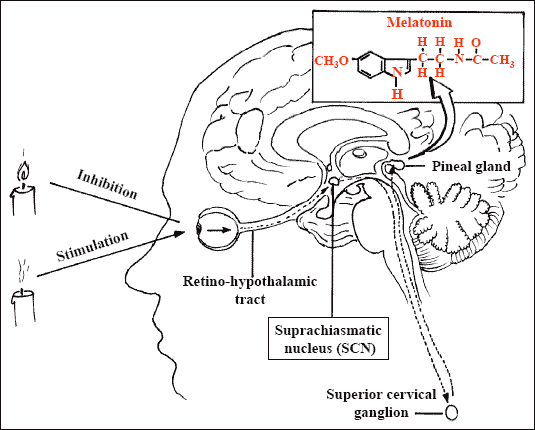
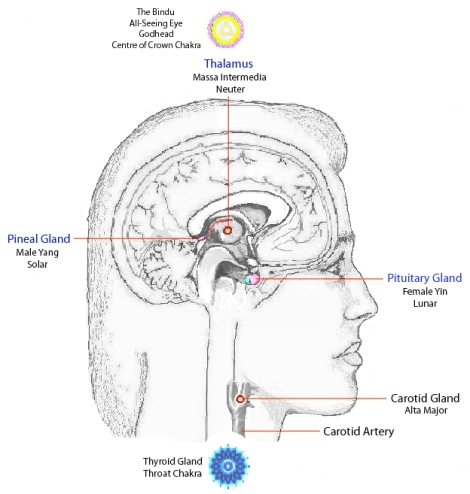
Image result for pineal gland brain diagram
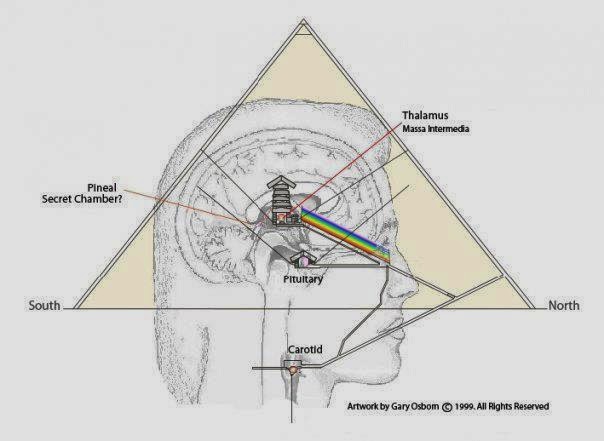
THE 3RD EYE: DOES EVERYBODY REALLY HAVE A THIRD EYE IN THEIR BRAIN? IN MODERN DAYS THE TERM "3RD EYE" IS LINKED TO THE PINEAL GLAND, SHAPED LIKE A PINE CONE AND CENTERED IN THE MIDDLE OF THE BRAIN. SURPRISINGLY THE PINEAL GLAND ACTUALLY HAS RETINAL TISSUE MADE UP OF PHOTO RECEPTORS JUST LIKE AN EYEBALL.
Image result for PHOTO RECEPTOR LAYER diagram


Image result for PHOTO RECEPTOR LAYER IN PINEAL GLAND diagram

Related image

Image result for PHOTO RECEPTOR LAYER IN PINEAL GLAND diagram

Related image

DMT: THE PINEAL GLAND IS ALSO THOUGHT TO PRODUCE A CHEMICAL KNOWN AS DMT N, N-dimethyltryptamine NICKNAMED "THE SPIRIT MOLECULE" OR "THE SEAT OF THE SOUL." DMT IS BELIEVED TO BE RELEASED DURING DREAMING, DURING SPIRITUAL AND MYSTICAL EXPERIENCES AND DURING BIRTH AND DEATH. KNOWN AS THE MOST POWERFUL HALLUCINOGENIC DRUG THAT CAN DRAMATICALLY AFFECT HUMAN CONSCIOUSNESS.  The brain naturally produces something called DMT,{CLICK TO WATCH VIDEOS} or “the spirit molecule” which causes the body to experience hallucinations and spiritual awakenings. DMT is usually released at birth, while sleeping (for our dreams), and death.
These are yet just a few of the amazing things that our brains can do. Which is essential that taking care of your brain is crucial for good mental health and physical health. 

3RD TRUTH You INFORM Yourself

Natural View of BODY 
Creates
1. New Cells every day.
2. Tooth after 12 to 18th months.
3. Semen after 10 years to 15 years.
4. Embryo after 9 years to 15 years.

Heals
Informs

But why so many people are sick?

Fear created by people around us without proper findings.  Example, when a doctor gives a prognosis that if you don't do surgery you have no chance to survive, if you don't take the drugs you cannot heal the body, and such like, inducing FEAR into the subconscious mind. 

No pain tolerance since young and many people are too pampered.

Easy way out ( means don't trust your body to heal itself)

Chemicals which are unwanted intake via food stuffs, water, and air.