Wednesday, January 21, 2026

第三个星期三下午祈祷 : 主啊,今天求你保护我,赐我力量。

 Third Wednesday Afternoon Prayer 

主啊,今天求你保护我,赐我力量。

亲爱的弟兄姊妹们:


在祷告之前,让我们先花点时间聆听神的话语,然后再一起祷告。


保护是父爱最清晰的表达方式之一。当一位父亲真正爱我们时,他不仅会供养,还会保护我们。

他会关注我们,也会承担责任。


诗篇103篇13节说:“耶和华待他的儿女如同父亲,怜悯敬畏他的人。”

诗篇68篇5节也提醒我们,他的关爱甚至延伸到生命中最脆弱的地方。 经上说:“神在他的圣所里,作孤儿的父,作寡妇的伸冤者。”


这意味着我们的天父不仅保护那些看起来强大的人,他也保护那些感到被遗忘的人。

他主动接近那些无人为他们发声的人。


大多数人想到家庭时,就会理解“保护”的含义。

一位好父亲不会说“我爱你”,然后对危险视而不见。


爱会付诸行动。爱会保护。

爱会守护珍贵的事物,使其免受伤害。


当你想到这种保护性的爱时,你会明白一个非常重要的道理。

如果一位人间的父亲都能如此强烈地想要守护自己的家人,那么我们这位圣洁完美的天父,岂不更会保护他所拣选的人吗?


神的保护并非建立在你掌控生活的能力之上,而是建立在他的品格之上。

你或许无法总是理解周围发生的一切,但你可以认识他。


他是 祂信实、智慧、警醒。

祂不会忽略你生活中的每一个细节。


耶稣用一幅简单的创造图景帮助你认识到自身的价值。

在马太福音6章26节,他说:“你们看那天上的飞鸟,也不种,也不收,也不积蓄粮食,我们在天上的父尚且养活它们。你们在他眼中岂不比飞鸟贵重得多吗?”


注意耶稣的用意。

他正在引导你摆脱恐惧,并将你的注意力引向神的眷顾。


飞鸟不明白明天,却依然得到喂养。它们不像你那样计划,却依然得到供应。如果神连你认为微不足道的事物都如此信实地喂养,那么,他岂不更会眷顾你吗?你可是他按着自己的形象所造,又藉着基督得蒙救赎的。

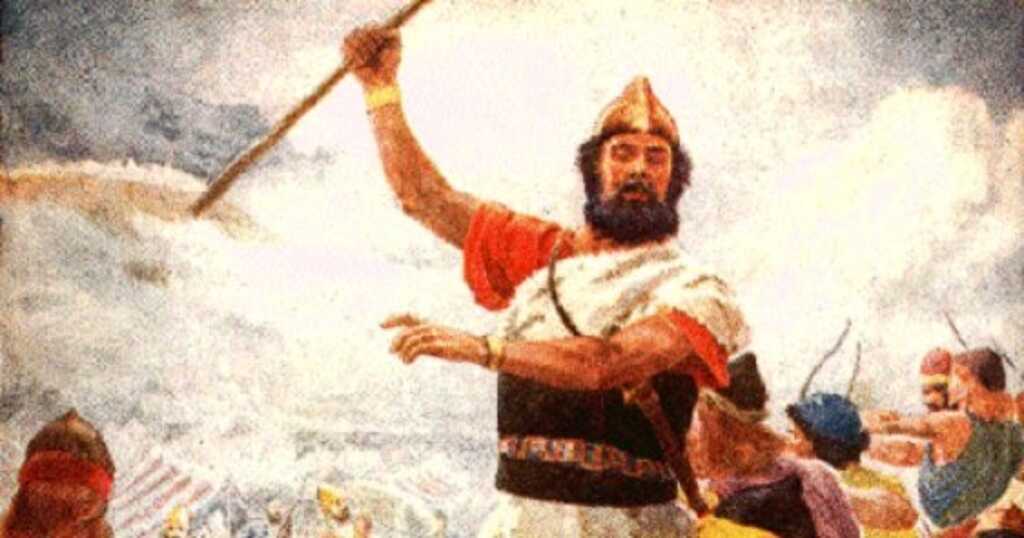
当基甸看似毫无胜算时,神保护了他。


三百人组成的小队,面对一支本应将他们彻底击溃的军队。然而,神使软弱的人显得刚强。

当但以理被放入狮子坑时,神保护了他。 原本应该是他终结的结局,却成了上帝大能的见证。


上帝保护了三个希伯来青年,他们被扔进火里,火焰没有吞噬他们。

上帝保护了大卫,当一个巨人战士站在他面前时,大卫挺身而出。看似必败无疑的失败,却证明了:


上帝能使用渺小的事物来使骄傲的事物谦卑。

这些都提醒我们上帝的作为。


他并非总是免除你的争战,但他不会在争战中抛弃你。

他并非总是阻止威胁的形成,但他能阻止威胁的得逞。


他并非总是为你安排你所期望的道路,但他会在你所走的路上与你同在。

这就是为什么你可以满怀信心地说,耶稣基督是我们的保护者。


祂仁慈而全能,祂宽恕而刚强。

当你归向耶稣基督时,你便会受到那位拥有至高权柄者的保护和捍卫。


有时,你会竭尽全力去保护你的家人、你的健康和你的未来。

你会做出明智的选择,你会祷告,你会负责任地计划。你也应该这样做。


但即便你尽了最大的努力,你所能掌控的事情也是有限的。

最终,只有上帝才能以你自身无法掌控的方式守护你。


诗篇121篇1-3节清晰地描绘了上帝每日的保护:“我要向山举目,我的帮助从何而来?我的帮助从造天地的耶和华而来。祂必不叫你的脚摇动,保护你的必不打盹。”


 想想看。我们的天父时刻关注着我们。

当恐惧袭来时,请记住帖撒罗尼迦后书3章3节的经文:“主是信实的,他必坚固你们,保护你们脱离那恶者。”


你的保护与神的信实息息相关。他坚固你,他守护你。

你或许仍会面临压力。


你或许仍会经历感到孤立无援、不被理解或疲惫不堪的时期。

但即便如此,你也并非毫无保护。


以赛亚书41章10节说:“你不要害怕,因为我与你同在;不要惊惶,因为我是你的神。我必坚固你,我必帮助你;我必用我公义的右手扶持你。”

这是我们天父的声音,祂在告诉你,祂的手正托着你。


所以,今天,抬起你的目光吧。你在祂眼中是宝贵的。 祂看见你。

在基督里,你不仅被爱,更被保护。


现在让我们一起祷告片刻。

🙏🏽


主耶稣,感谢您今天让我再次呼吸。

感谢您对我生命的保护。


感谢您在我感到脆弱、迷茫或受到威胁时,成为我的避难所。

感谢您一次又一次地赐予我怜悯。


即使我无法解释我的感受,您也理解我。

即使我无法用言语表达我的重担,您依然关心我。


主啊,有时我觉得自己像是在与人、事、物争战。

但您让我明白,在许多试图耗尽我力量的事情背后,也存在着一场属灵的争战。


以弗所书 6:12 说:“因我们并不是与属血气的争战,乃是与那些执政的、掌权的、管辖这幽暗世界的,以及天空属灵气的恶魔争战。”

所以,主耶稣,我不想假装自己很坚强,即使我并不坚强。 我不想依靠自己的能力,然后疑惑为何内心感到精疲力竭。


我无法靠人的力量战胜属灵的争战,也无法靠自己的意志力战胜黑暗。

我需要你的保护,我需要你成为我的保护。


训练我的心首先依靠你。

教导我坚定地信靠你的权柄。


当我的思绪纷乱,思绪混乱时,请引领我回到你的真理。

当情绪高涨时,请帮助我保持内心的平静。


愿我的反应由你的灵引导,而非由压力、恐惧或骄傲所驱动。

主啊,求你帮助我不要把精力浪费在与人争斗上,因为你呼召我祷告并信靠你。


求你帮助我记住,即使他们误解我、反对我或诋毁我,他们也不是我的敌人。


求你赐我智慧,让我以平和的心态回应。


求你赐我耐心,让我在沉默比争辩更安全的时候保持沉默。


求你赐我勇气,让我行义而不苛责。


求你提醒我,你为我争战,即使我看不见。


 哥林多后书 10:4-5 说:“我们争战的兵器本不是属血气的,乃是在神面前有能力,可以攻破坚固的营垒,将各样的计谋,和各样拦阻人认识神的自高之事,一概攻破了,又将人所有的心意夺回,使他都顺服基督。”


所以,主啊,今天我将我的思想交托在你的掌管之下。


我拒绝一切试图占据我心的谎言。我将这些恐惧的念头带到你面前。


求你用你的真理、平安和对你眷顾的坚定信靠,充满我心中的空虚。


父啊,当反对兴起时,我选择坚守你的应许。


当仇敌试图恐吓我时,我绝不退缩。我不会被威胁、压力或一时的感受所动摇。


我宣告你所应许的。


以赛亚书 54:17 说:“凡为攻击你而造的器械,都必不利用。” 所以,我紧紧抓住你的应许。 愿真理临到我的生命。


我宣告,仇敌的一切计划都将失败。一切针对我平安的阴谋都将被粉碎。


一切试图夺走我喜乐的企图都将被你的大能所阻挡。


即使攻击是通过困惑、拖延、指责或沮丧来袭,我也绝不给仇敌在我心中留下任何容身之地。


我属于耶稣基督,我站在他的权柄之下。主啊,我祈求你从天上赐予我遮盖。


我需要你保护我的思想,保护我的家,保护我的家人,保护我走的每一步。


当我独处时,求你遮盖我的思想。


当我说话时,求你遮盖我的言语。


当我选择道路时,求你遮盖我的决定。

当我无法陪伴我的亲人时,求祢保护他们。


诗篇34篇7-8节说:“耶和华的使者在敬畏他的人四围安营,搭救他们。你们要尝尝主恩的滋味,便知道他是美善;投靠他的人有福了。”


感谢祢赐予我这应许。


愿祢的天使环绕我,环绕我的家人。


愿我在感到困顿的地方得蒙拯救。


愿我在感到不安的地方得享平安。


愿我在感到威胁的地方得享安全。


愿祢的同在充满我的家,使所有进入的人都蒙福,所有离开的人都蒙遮盖。


主啊,求祢加添我的力量,使我能经受风暴而不至崩溃。


求祢加添我的力量,使我不至于在压力下崩溃。


求祢加添我的力量,使我能以平静的心灵和坚定的心面对试炼。


 帖撒罗尼迦后书 3:3 说:“但主是信实的,他必坚固你们,保护你们脱离那恶者。”


我今天接受这份恩典。我不倚靠自己的力量,我倚靠的是你的信实。


当我感到软弱无力时,请提醒我,你是我的帮助。


诗篇 46:1 说:“神是我们的避难所,是我们的力量,是我们在患难中随时的帮助。”


所以我不必惊慌或恐惧。你与我同在,你无所不能。


天父,我拒绝让恐惧与我为伍。


我拒绝让焦虑掌控我的决定。


当忧虑试图占据我的心房时,请提醒我回到你面前祷告。


教导我迅速降服,而不是日夜背负重担。

腓立比书 4:6-7 说:“应当一无挂虑,只要凡事藉着祷告、祈求和感谢,将你们所要的告诉神。神所赐出人意外的平安,必在基督耶稣里保守你们的心怀意念。”


主啊,愿这平安保守我的心怀意念。


愿你的平安如同坚固的保护罩,环绕我的思想,使我不致陷入恐惧的漩涡。


感谢你,我蒙福,因为我在天父的眷顾之下。


感谢你每日看顾我。你察看我的出入。


你察看我走过的路,我进入的房间。


 诗篇121篇7-8节说:“耶和华要保护你,免受一切灾害;他要保护你的性命。你出你入,耶和华要保护你,从今时直到永远。


我信靠你,将我的脚步交托给你。


主啊,因你与我同在,我选择欢喜快乐。


即使我尚未得到所有答案,我也选择感恩。


我选择相信我的生命有神圣的旨意,你在每个阶段都在塑造我。


求你帮助我在等待中也能看到你的手。


父啊,我相信你指引我的道路。


求你教导我聆听你的指引,行在智慧中。


当我感到软弱时,求你提醒我,我可以坦然无惧地来到你面前寻求帮助。


所以今天,我选择住在你的荫下,与你亲近。


主啊,我对你说,你是我的避难所,是我的坚固堡垒。


你是我的神, 我信赖您,愿您永远庇佑我。


我赞美您的圣名,感谢您垂听我的祷告。阿门。


尊敬的读者,如果您被这篇祷告感动,请回应“阿门”以示您的信心。我祈求这篇祷告中的所有祝福都临到您,奉耶稣的名求。如果您需要特别的祷告,欢迎在评论区留言。我们很荣幸能与您一同祷告,并为您代祷。愿我们主耶稣基督的恩典与平安与您同在。

Lord, Protect Me And Strengthen Me Today

 Dear brother and sister in Christ, 

Before we pray, let's first take a moment to listen to God's word and then we'll pray together. 

Protection is one of the clearest languages of a father's love. When a father truly loves, he does not only provide, he also shields. 

He pays attention. He takes responsibility. 

Psalm 103:13 says, "The Lord is like a father to his children, tender and compassionate to those who fear him." 

And in Psalm 68:5, reminded that his care reaches the most vulnerable places of life. It says, "A father of the fatherless, a defender of widows is God in his holy habitation. 

 That means our Father does not only protect people who look strong. He protects people who feel forgotten. 

He steps toward those who have no one to speak up for them. 

Most people understand protection when they think about family. 

A good father does not say, "I love you." And then ignores danger. 

Love moves into action. Love protects. 

Love stands between what is harmful and what is precious. 

And when you think about that kind of protective love, it helps you understand something very important. 

If a human father can feel a fierce desire to guard his family, then how much more does our father, who is holy and perfect, protect the people he calls his own? 

God's protection is not built on your ability to control life. It is built on his character. 

You may not always understand what is happening around you, but you can know who he is. 

He is faithful, wise, and watchful. 

He does not overlook the details of your life. 

Jesus helped you see your value with a simple picture of creation. 

In Matthew 6 26, he says, "Look at the birds. They don't plant or harvest or store food in barns, for our Father in heaven feeds them. And aren't you far more valuable to Him than they are?" 

Notice what Jesus is doing.

He is pulling your attention away from fear and pointing you to the care of God. 

Birds do not understand tomorrow, yet they are fed.  They do not plan like you plan, yet they are sustained.  And if God is so faithful to feed what you might consider small, how much more will he care for you, whom he created in his image and redeemed through Christ? 

God protected Gideon when the odds made victory look impossible. 

A small group of 300 stood against an army that should have crushed them. Yet God made the weak look strong. 

God protected Daniel when he was placed in a lion's den. And what should have been his end became a testimony of God's power. 

God protected the three Hebrew young men when they were thrown into fire and the flames did not consume them. 

God protected David when a giant warrior stood in front of him. And what looked like a certain defeat became proof that 

God can use what is small to humble what is proud. 

These are reminders of how God works.

 He does not always remove the battle, but he does not abandon you in it. 

He does not always stop the threat from forming, but he can stop it from succeeding. 

He does not always give you the path you expected, but he gives you his presence in the path you walk. 

That is why you can say with confidence that Jesus Christ is our protector.

 He is kind and mighty. He is forgiving and strong. 

 When you belong to Jesus Christ, you are protected and defended by the One who has all authority. 

 Sometimes you do everything you can to protect your family, your health, and your future. 

 You make wise choices. You pray. You plan9 responsibly. And you should. 

But even with your best effort, there are limits to what you can control. 

Ultimately, only God can keep you in ways you cannot keep yourself. 

 One of the clearest pictures of God's daily protection is found in Psalm 121: verses 1 to 3. "I will lift up my eyes to the hills, from whence comes my help. My help comes from the Lord who made heaven and earth. He will not allow your foot to be moved. He who keeps you will not slumber." 

 Think about that. Our Father watches with perfect attention.  

And when fear tries to rise, you can remember what is written in 2 Thessalonians 3:3. The Lord is faithful and He will strengthen you and protect you from the evil one. 

Your protection is connected to the faithfulness of God. He strengthens you and he guards you. 

You may still face pressure. 

You may still go through seasons where you feel outnumbered, misunderstood, or weary. 

But even then, you are not unprotected. 

 In Isaiah 41:10 says, "Do not fear, for l am with you. Do not be dismayed, for l  am your God. I will strengthen you and help you. I will uphold you with my righteous right hand.

 This is the voice of our Father telling you that His hand is holding you up. 

 So today, lift your eyes. You are valuable to him. You are seen by him. 

 And in Christ, you are not just loved. You are protected. 

Now let's take a moment to pray together. 

🙏🏽 

 Lord Jesus, thank you for letting me breathe again today.

Thank you for your protection over my life. 

Thank you for being a refuge for me when I feel exposed, uncertain, or threatened. 

Thank you for your mercies that meet me again and again. 

Even when I cannot explain what I feel, you understand me. 

Even when I cannot put words to my burdens, you still care. 

Lord, sometimes I feel like l am fighting people, situations, and pressures. 

But you show me that there is also a spiritual battle behind many of the things that try to drain my strength. 

 Ephesians 6:12 says, "For we do not wrestle against flesh and blood, but against principalities, against powers, against the rulers of the darkness of this age, against spiritual hosts of wickedness in the heavenly places. "

 So Lord Jesus, I do not want to pretend I am strong when l am not. I do not want to rely on my own ability and then wonder why my heart feels drained. 

 I cannot fight spiritual battles with human strength and I cannot overcome darkness with my own willpower. 

 I need your protection and I need you to be my protection. 

Train my heart to lean on you first. 

Teach me to stand firm with faith that rests in your authority.  

When my mind starts racing and my thoughts feel scattered, bring me back to your truth. 

When emotions rise, help me to stay steady inside. 

Let my reactions be guided by your Spirit, not by pressure, fear, or by pride. 

Lord, help me not to waste my strength fighting people when you are calling me to pray and to trust you. 

Help me to remember that people are not my enemy even when they misunderstand me, oppose me, or speak against me. 

Give me wisdom to respond with peace. 

Give me patience to stay quiet when silence is safer than argument. 

Give me courage to do what is right without becoming harsh. 

Remind me that you fight battles I cannot see. 

2 Corinthians 10: verses 4 to 5 says, "For the weapons of our warfare are not of the flesh, but have divine power to destroy strongholds. We destroy arguments and every lofty opinion raised against the knowledge of God and take every thought captive to obey Christ. 

 So today, Lord, I bring my thoughts under your rule. 

 I reject every lie that tries to settle in my mind. I take those fearful thoughts and place them before you. 

 Fill the empty spaces with your truth, peace, and with a confident trust in your care. 

 Father, when opposition rises, I choose to stand on your promises. 

 When the enemy tries to intimidate me, I will not shrink back. I will not be moved by threats, by pressure, or by what I feel in the moment. 

 I declare what you have spoken. 

 Isaiah 54:17 says, "No weapon formed against you shall prosper." So I hold on to that truth over my life. 

 I declare that every plan of the enemy will fail.  Every assignment against my peace will be broken. 

 Every attempt to steal my joy will be stopped by your power. 

Even if the attack comes through confusion, delay, accusation o discouragement, I will not give the enemy room in my heart. 

 I belong to Jesus Christ and I stand under his authority. Lord, l ask for your heavenly covering. 

I need your protection over my mind, protection over my home, protection over my family, and protection over every step I take. 

Cover my thoughts when lam alone. 

Cover my words when I speak. 

Cover my decisions when I choose a path. 

Protect my loved ones when I cannot be with them. 

Psalm 34: verses 7 to 8 says, "The angel of the Lord encamps all around those who fear him and delivers them.  Oh, taste and see that the Lord is good. Blessed is the man who trusts in him. "

Thank you for this promise. 

Let your angels surround me and surround my household. 

Let there be deliverance where I have felt trapped. 

Let there be peace where I have felt unrest. 

Let there be safety where I have felt threatened. 

Let your presence fill my home so that what enters is blessed and what leaves is covered. 

 Strengthen me, Lord, so I can withstand storms without falling apart inside.

Strengthen me so that I do not collapse under pressure. 

Strengthen me so that I can face trials with a calm spirit and a focused heart. 

2nd Thessalonians 3:3 says, "But the Lord is faithful, and he will strengthen you and protect you from the evil one. 

 I receive that today. I am not depending on my own strength. l am depending on your faithfulness. 

And when I feel small, remind me that you are my help. 

Psalm 46:1 says, "God is our refuge and strength, a very present help in trouble

So I do not have to panic or fear. You are present and you are able. 

Father, I refuse to let fear become my companion. 

I refuse to let anxiety take control of my decisions. 

When worry tries to settle in my chest, remind me to come back to you in prayer. 

Teach me to surrender quickly instead of carrying burdens for days and nights. 

Philippians 4 : 6-7 says, "Do not be anxious about anything, but in every situation by prayer an8d petition. With thanksgiving, present your requests to God. And the peace of God which surpasses all understanding will guard your hearts a8īnd your minds in Christ Jesus." 

Lord, let that peace guard my heart uúî7úand my mind. 

Let your peace stand like a strong protection around my thoughts so l do not spiral into fear. 

Thank you that I am blessed because l am under the care of our Father. 

Thank you that you watch over me each day. You see my coming in and my going out. 

You see the roads I travel and the rooms l enter. 

Psalm 121, verses 7 to 8 says, "The Lord will keep you from all evil. He will keep your life. The Lord will keep your going out and your coming in from this time forth and forever more. 

I trust you with my steps. 

 And Lord, because you are with me, I choose to rejoice. 

 I choose to give thanks even when I do not have all the answers. 

I choose to believe that my life has a divine purpose for me and you are shaping me through every season. 

Help me to see your hand even in the waiting.

 Father, I believe you order my steps. 

Teach me to listen for your direction and to walk in wisdom.

 When I feel weak, remind me that I can come confidently to you for help. 

So today, I choose to abide under your shadow, living near your heart. 

I say to you, Lord, you are my refuge and my strong tower. 

You are my God, and I trust You to be my defender now and forever. 

 I bless your holy name and I thank you for hearing me. Amen. 


Respected reader, if this prayer has touched your heart,  please respond "amen" as a sign of faith. I pray that every blessing in this prayer is now upon you in the name of Jesus. And if you need a special prayer, feel free to let us know in the comments. We would be honored to pray with you and for you. May the grace and peace of our Lord Jesus Christ be with you always.


Tuesday, January 20, 2026

Why Did Jesus NEVER Ask for the 10% TITHE?

      Most people believe that Jesus taught about tithing and that Christians should give 10% of their income to the church. 

     But get ready because what Jesus actually said about money completely contradicts what you've been taught for years from the pulpit. Because in all four complete gospels, Jesus mentions tithing exactly three times. And in none of those occasions did he ask his followers to give it. 

In this study, you're going to discover why Jesus never established the 10% as a rule for his disciples, what financial system he implemented instead that modern churches completely ignore, and the hidden secret in the scriptures that reveals how the first Christians actually handled money. 

     There's a passage in the gospel that most preachers quote to justify modern tithing. Matthew records Jesus speaking with the Pharisees about their religious hypocrisy in the temple of Jerusalem. 

     The religious leaders were meticulously giving 10% of their most insignificant aromatic herbs. They counted every leaf of mint, anis, and cumin to make sure they gave exactly the 10th part to the temple. Jesus tells them that this they should have done without leaving undone the more important matters of the law, justice, mercy, and faith. 

Many pastors stop exactly there and shout from the pulpit with their Bibles held high,  "See, Jesus completely approved tithing." 

But here's the devastating problem that everyone ignores. Jesus was speaking with Jewish Pharisees who lived under the law of Moses. He wasn't speaking with Christians who would live under the new covenant that he would establish with his blood. 

It was like a modern rabbi telling another Orthodox rabbi to follow kosher laws to the letter. 

He's not establishing universal rules for Catholics, Protestants, or evangelicals living 2,000 years later. 

He's reminding a religious Jew of his specific obligation under his own Old Testament legal system. The Pharisees had absolutely no choice in the matter of mandatory tithing. The Mosaic law established 1,400 years earlier in the burning desert of Sinai specifically commanded them to tithe. 

But here's the technical detail that completely changes the entire argument. 

The Old Testament tithing system looked nothing like what churches practice today. 

First, the Old Testament tithe was never cash money, silver coins, or gold bars. It was exclusively agricultural products, grains of wheat and barley, fresh fruits, pressed olive oil, fermented wine, and live livestock. 

A carpenter like Joseph, Jesus's earthly father, didn't tithe his income from making tables and chairs. 

A fisherman like Peter, didn't calculate 10% of the market value of his daily catch. 

A tent maker like Paul didn't set aside coins from each fabric sale he made. 

Second, the Old Testament tithe didn't go to a religious building with a mortgage to pay monthly rent and preachers salaries. 

 It went specifically to three vulnerable groups in Israelite society. 

The Levites who had no land inheritance, orphans  without parents, widows without husbands, and poor foreigners. 

Third, and this completely destroys the modern 10% argument, there were three different types of tithes that Israelites had to give. The Levitical tithe that was annual and sustained the landless priestly tribe, the festival tithe that was given each year for community celebrations in Jerusalem during religious festivals, and the poor tithe that was delivered every 3 years specifically to feed those in need. If you add up these three types of mandatory tithes under Mosaic law, an obedient Israelite wasn't giving only 10%. He was giving approximately 23.3% of his total agricultural production each calendar year. 

No modern evangelical church honestly teaches this complete system from the pulpit on Sunday mornings. Because if they revealed the real and complete Old Testament system with all its  complexities, the congregation would instantly realize something devastating. 

The simplified modern 10% tithe is a theological invention that literally doesn't exist anywhere in the biblical scriptures. 

But solving the historical problem of what exactly the original tithe was doesn't answer the most   important and disturbing theological question. 

Why did Jesus during three complete years of intense public ministry never specifically ask his disciples to tithe 10%. 

During 1,095 consecutive days of teaching, Jesus had infinite perfect opportunities to establish tithing as a mandatory requirement. 

When the rich young man came running and knelt, asking what he should do to inherit eternal life, Jesus could have simply responded,  "Make sure to give your 10% faithfully each month." Instead, he told him something radically different and much more costly. "Sell everything you have, distribute the money among the poor, and follow me."

 When Jesus taught the hungry crowds on the mount during hours under the scorching sun, he could have dedicated entire paragraphs to the topic of tithing. Instead, he spoke extensively about not storing up corruptible treasures on earth where moth and rust destroy. 

Jesus spoke about the impossibility of simultaneously serving God and money as two opposing masters. 

He spoke about giving arms in secret without blowing trumpets to receive public recognition from men. 

When Jesus sent the twelve (12) original selected apostles on their first evangelistic mission through the villages of Galilee, he could have clearly instructed them, "Collect 10% from each city you visit to sustain the ministry." Instead, he ordered them something completely opposite. "Freely you have received, freely give without charging. Don't take gold, silver, or copper in your belts for the journey."

 Do you catch the devastating pattern that emerges from the gospels? 

Jesus spoke constantly, repeatedly, obsessively about money, about radical generosity, about the financial priorities of the kingdom. 

But never, not once, recorded in four complete gospels, did he establish 10% as a universal standard for his followers. 

Here's the theological secret that no preacher tells you from the pulpit. 

Jesus couldn't establish the Old Testament tithe for Christians of the New Covenant.  Why? 

Because the complete tithing system totally depended on a religious structure that was about to be completely destroyed. 

The Old Testament tithe functioned exclusively within a very specific theocratic architecture centered on the temple of Jerusalem. 

The Israelites brought their agricultural products and live livestock to the Levites because the tribe of Levi had not received land inheritance. 

When the twelve (12) tribes conquered Canaan under Joshua's military leadership, eleven (11) tribes received specific territories to cultivate and prosper. 

But the Levites were set apart exclusively for religious service without land of their own for agriculture. 

The Levites in turn served full-time in the massive temple of Jerusalem that Herod had embellished with gold. 

They performed daily animal sacrifices on the smoking bronze altar. 

They maintained the holy of holies where only the high priest entered once a year. 

They meticulously taught the law of Moses to the illiterate people in the synagogues. 

It was a closed, perfect, and self-sustaining system for its specific purpose under the old Mosaic covenant. 

But Jesus knew something prophetic that his disciples were barely beginning to understand with difficulty. 

In the year 70 AD, exactly 40 years after his bloody crucifixion at Golgotha, something catastrophic would happen. The relentless Roman army of General Titus would completely surround the walled city of Jerusalem for months. 

The soldiers would destroy the glorious temple to its massive stone foundations, leaving no stone upon stone as Jesus prophesied. 

More than one million and one hundred thousand (1,100,000) Jews would die in the most brutal siege in ancient history. 

Not a single Levite would remain alive actively serving in the destroyed temple. There would be no physical altar to continue the animal sacrifices prescribed by Moses. 

The complete system that theologically justified and financially sustained the Old Testament tithe would not exist. 

Jesus knew this with absolute prophetic certainty. 

He himself explicitly prophesied the total destruction of the temple, telling his astonished disciples that no stone would be left upon stone. 

So how could he logically establish a permanent financial system based on a religious institution that would cease to exist in less than a generation? 

  It was exactly like designing a complete retirement plan based on a national currency that you know with certainty will be eliminated next year. 

 It made absolutely no theological,  practical, or prophetic sense. 

But recognizing this creates an even deeper and more disturbing doctrinal problem that most sincere Christians never seriously consider. 

If tithing was unequivocally an integral part of the Old Testament Mosaic law and Jesus came specifically to fulfill that complete law and to inaugurate a superior new covenant sealed with his own shed blood, what happens theologically to all the other 613 laws of the Old Testament? (Details on 613 laws , click here

Apostle Paul explains it with devastating logical clarity in his passionate letter to the Gentile believers of Galatia. 

He emphatically tells them that if they're going to insist on keeping a specific part of Mosaic law, they're obligated to keep it all completely. 

You can't theologically choose to conveniently keep the 10% tithe, but ignore the other 612 remaining laws. 

Either you're living completely under Mosaic law with all its impossible demands, or you're living completely under the grace of Christ. 

There is no coherent theological middle ground between these two mutually exclusive covenants. 

If you dogmatically insist that modern Christians must tithe because it's written in the Old Testament, then logically they must also rigorously keep the Sabbath of the seventh day. 

They can't eat pork, shrimp, lobster, or any seafood considered unclean by Leviticus. 

They must make literal animal sacrifices on an altar for their moral sins. 

Men must wear fringes on the corners of their garments as a visual reminder of the commandments. 

But no modern evangelical Pentecostal, Baptist, or Methodist church honestly teaches all these things from the pulpit. 

They've carefully and conveniently selected only the Old Testament tithe to preserve it while strategically discarding everything else as fulfilled in Christ and no longer applicable to believers of the new covenant. 

It's a massive, obvious, and flagrant theological inconsistency that very few preachers are genuinely willing to honestly address. 

Because openly acknowledging this fundamental contradiction means questioning the main source of predictable income for countless multi-million dollar religious organizations. 

So if Jesus definitely didn't establish the 10% tithe, what alternative financial system did he implement for his followers? 

The answer is hidden in plain sight in the first chapters of the book of Acts. 

And it's something much more radical, costly, and transformative than anything modern institutional churches dare to practice. 

When the Holy Spirit dramatically descended at Pentecost with tongues of fire upon one hundred twenty (120) gathered disciples,  three thousand (3,000) new Christians were spiritually born in a single day. 

These first believers didn't immediately establish an organized system of 10% tithing with accountants and receipts. 

They established something completely different, radically generous, and socially revolutionary for the Roman Empire. 

Luke records with amazement that all the believers voluntarily sold their real estate properties and valuable possessions. 

They shared all the money obtained with all members of the community according to each person's specific need. 

No believer selfishly said that something they possessed was exclusively and privately theirs to hoard. 

It wasn't the carefully calculated 10%. 

It wasn't the 23.3% of the complete Old Testament system. 

It was literally 100% total financial availability for the community of faith that shared everything. 

Can you even imagine a modern prosperous preacher confidently stepping up to the pulpit of his air-conditioned megachurch and calmly telling the comfortable middleclass congregation, "The 10% tithe is not enough to be a disciple of Jesus. Sell your suburban homes with yards, your imported cars of the year, your retirement savings, and put absolutely everything at the disposal of the church to redistribute."

The reaction would be instant social chaos. 

Families would flee indignantly from the building, threatening lawsuits. 

The elders would convene an emergency meeting to fire the pastor for insanity. 

 But that's exactly literally precisely what the first followers of Jesus Christ in Jerusalem did. 

Not because Jesus established a specific mandatory 100%, percentage, but because they understood a much deeper spiritual principle about stewardship, grace, and community than the legalism of 10%. 

This transformative principle is at the beating heart of what Jesus really taught about money, wealth, and material possessions. 

And it completely destroys the modern concept of tithing as a cold calculated religious transaction. 

Jesus never spoke about giving a specific mathematical percentage because the numerical   percentage simply wasn't the central point. 

The point was the condition of the human heart and total voluntary surrender to God as Lord of absolutely everything. 

When Jesus sat quietly observing rich people throwing their generous offerings into the bronze treasury of the temple of Jerusalem, he didn't publicly praise the wealthy Pharisees who gave large amounts that sounded impressively when they fell. 

Instead, he specifically praised the poor anonymous widow who humbly deposited two small copper coins worth less than a penny. 

The rich were objectively giving more than the required 10% in absolute monetary terms. 

But Jesus declared that the poor widow gave proportionally more than all of them combined. 

Why? Because she gave everything she had to live on that day, totally trusting that God would provide. 

It wasn't about the calculated mathematical percentage. It was about costly personal sacrifice. It was about blind trust in divine providence. It was about where her heart and security were truly deposited. 

When Jesus directly confronted the rich young man who ran and knelt asking about eternal life, he specifically told him, "Sell everything and give it to the poor." 

He wasn't establishing a universal doctrinal rule that literally all Christians must sell absolutely everything they own. 

He was surgically exposing that particular man's specific and personal idol at that moment. 

The penetrating point was what has control over your heart? 

What possession prevents you from following me completely? 

For that specific man, it was his great accumulated wealth that   defined him socially. 

Jesus asked for total surrender of his idol, not a comfortable percentage that would allow him to retain control and continue feeling secure. 

 This is the uncomfortable secret that modern institutional churches definitely don't want you to discover. 

The fixed 10% tithe is infinitely more comfortable than total surrender. 

Giving exactly 10% allows you to calculate, budget, control, and retain the remaining 90% without question. 

It's predictable, manageable, quantifiable, and doesn't dramatically interfere with your consumerist lifestyle. 

But the total surrender that Jesus asked for is terrifying, unpredictable, costly, and potentially changes absolutely everything. 

While the first Christians practiced this radical and scandalous generosity that amazed the Roman Empire, a massive social problem arose. 

In the Greek church of Corinth, the community offering had become a chaotic disaster that divided rich and poor. 

The wealthy believers brought abundance of expensive food to weekly meetings and ate until they were selfishly stuffed. 

While poor brothers who worked as slaves arrived late and went hungry watching others feast, apostle Paul had to write them a furious and direct letter, telling them that their selfish conduct did more spiritual harm than good. 

They were taking the Lord's supper in an unworthy and profane manner, dividing the body of Christ along economic and social lines. 

So, what specifically did apostle Paul teach them about the 10% tithe to correct this devastating financial and social problem? 

Absolutely nothing about percentages. 

In the thirteenth (13) extensive letters that apostle Paul wrote to various Gentile churches, which form the majority of the Christian New Testament, he never mentions tithing even once, not even a passing or indirect reference to the concept of mandatory 10%. 

If the 10% tithe were truly an essential and non-negotiable Christian commandment established by Jesus Christ, apostle Paul had literally dozens of perfect opportunities to teach it explicitly. 

But instead, he consistently taught something radically different based on grace, not on law. 

He told the Corinthians that each believer should set aside something every first day of the week according to how they had prospered. 

He didn't specify a fixed percentage of 10, 20, or 30%. 

He simply said according to how they had prospered each individually. 

To the Christians in Rome, Paul wrote that whoever gives should give with sincere liberality without expecting anything in return. 

To the believers in Philippi, he thanked them deeply for their sacrificial generosity, but reminded them that God will supply all their needs. 

To Timothy, his spiritual son in the faith, apostle Paul instructed him to command the rich of this world not to be arrogant, not to put their hope in uncertain riches that can be lost, but hope in God who richly gives us all things, that they be generous and willing to share, storing up for themselves a good foundation for the future. 

Do you catch the consistent pattern in all the apostolic letters? 

Liberality without limits, cheerful generosity, sharing according to individual prosperity, giving with joy  from the heart, but never, absolutely never in any letter, a fixed mathematical percentage of 10%. 

Apostle Paul deeply understood what countless modern institutional religious leaders conveniently reject. Establishing a mandatory fixed percentage transforms cheerful generosity into cold legalism. 

The 10% tithe psychologically becomes a minimum flaw that people reach to feel spiritually correct and approved. I already faithfully gave my 10% this month. I fulfilled my duty to God. The rest is exclusively mine to do absolutely whatever I want without question. 

It's a transactional mentality that turns the relationship with God into a cold business contract. 

But Jesus and the apostles consistently taught that everything you possess belongs to God as Creator and Owner. 

There's no sacred and separate 10% for God and a secular 90% for you. 

Every financial decision you make, every purchase you make, every investment you make is an act of worship or idolatry. 

When you reduce complete Christian stewardship to a calculated percentage, you lose the complete transformative essence of what it means to live as a radical follower of Jesus. 

Now, someone could legitimately object. But apostle Paul clearly told the Corinthians that those who preach the gospel should live from the gospel. 

Doesn't that justify the tithing system to economically sustain full-time pastors? 

It's an absolutely legitimate and fair question and the biblical answer reveals another layer of how the modern system distorts the scriptures. 

Yes, Paul clearly established that those who dedicate their full time to gospel ministry deserve to be financially sustained by the community. 

But observe carefully how he theologically grounds this principle. 

He doesn't cite the specific tithing laws of the Old Testament as his basis. 

Instead, he uses practical analogies of universal common sense. 

The soldier doesn't go to war paying for his own weapons and food. 

He who plants a vineyard has the right to eat of its fruit when it matures. 

He who shepherds a flock of sheep has the right to drink the milk they produce. 

Then he cites an ethical principle from Mosaic law. You shall not muzzle the ox that treads the grain in the field. 

But he immediately clarifies that he's not literally talking about oxen and agriculture. 

He's talking about the universal principle that the worker justly deserves his sustenance for his labour. 

Here's the devastating detail that no prosperous preacher tells you from the carpeted pulpit. 

Paul himself repeatedly rejected this legitimate right. 

He emphatically reminded the Corinthians that he worked with his own hands, making tents so as not to be an absolute financial burden to them. 

He told the Thessalonians that he worked day and night with his hands to support himself while preaching the gospel to them freely precisely to give them a personal example so that false teachers wouldn't come to take economic advantage of them. 

If Paul genuinely believed that the 10% tithe was a mandatory commandment for Christians established by Jesus, why did he work manually with his hands? 

Why didn't he simply collect tithes as an apostolic right? 

His personal conduct completely contradicts the modern institutional system of mandatory tithing. 

After twenty-one (21) centuries of complicated institutional church history, countless ecumenical councils, theological creeds, and denominational confessions, a devastating question remains without a convincing answer. 

If Jesus never explicitly asked for the 10% tithe, if the original apostles never systematically taught about tithing in their letters, if the complete Old Testament system that theologically sustained tithing was literally and physically destroyed with the temple in the year 70. 

When exactly and howspecifically did the 10% tithe become fundamental and non-negotiable Christian doctrine? 

The historical answer is in the year 311 AD when the Roman Emperor Constantine dramatically converted to Christianity and declared it the official tolerated and eventually preferred religion of the complete Roman Empire. 

Suddenly, almost overnight, the church ceased to be a persecuted movement of radical believers meeting in houses and became a powerful institution with massive buildings called basilas, paid professional clergy, and enormous financial needs. 

The institutional church leaders urgently needed a stable, predictable, and culturally acceptable financial system. 

They looked back to the Old Testament and strategically adopted tithing, not because Jesus taught it or the apostles practiced it, but because it was convenient, effective, and easy to explain. 

By the year 585, the Council of Mâcon in France made tithing a legal canonical obligation for absolutely all Christians. 

Under serious threat of official excommunication from the church and its salvific sacraments. Throughout the entire dark middle ages, the institutional church had the political and legal power to confiscate property from those who refused to tithe. 

Tithing became a forced religious tax. Backed by the sword of the state and fear of hell. This authoritarian system continued for more than a thousand years until the Protestant Reformation of the 16th century. 

Martin Luther, John Calvin, and other reformers   bravely and dangerously questioned many practices of the Roman Catholic Church. 

But curiously, most of them kept the tithing system almost intact. 

Why did they preserve this medieval tradition? 

Because even reformed Protestant churches needed predictable money to operate their programs, it was infinitely easier to maintain the existing and familiar tithing system than to return to the radical model of voluntary generosity of the New Testament. 

Thus, we arrive at the modern present where millions of sincere and devout Christians faithfully give 10% of their income. Honestly believing it's a direct biblical commandment from Jesus without knowing the real history. 

They're following a medieval tradition of institutional convenience, not an explicit teaching of Jesus or the original apostles. 

Some modern pastors dogmatically teach that if you don't faithfully tithe, you're directly robbing God. 

They quote out of context the prophet Malachi, "Will a man rob God? Yet you have robbed me." 

But Malachi was speaking specifically to corrupt Jewish priests under the old Mosaic covenant, not to Gentile Christians under the new covenant of grace. 

Other preachers promise massive and miraculous financial blessings if you faithfully tithe every month without fail. God will open the windows of heaven and pour out blessing until it overflows, they confidently declare from expensive pulpit. 

But Jesus never promised that giving money to the church would make you financially rich and   prosperous. 

In fact, Jesus repeatedly warned that faithfully following him could cost you absolutely everything,  including your physical life. 

The uncomfortable and politically incorrect truth is this. The modern 10% tithe is infinitely easier to sell than total surrender. 

Telling someone, "Give exactly 10% and you're completely right with God," is more comfortable and acceptable than honestly telling them, "Deny yourself daily. Take up your cross each day and follow me regardless of the total cost of your life." 

But biblically recognizing that Jesus never asked for the 10% tithe doesn't mean you shouldn't give generously and sacrificially. 

In fact, it means exactly the opposite of stinginess. 

The standard that Jesus established was infinitely higher, more costly, more radical than the calculated 10%. 

It was complete surrender of everything you are and possess. 

It was absolutely trusting in God for each daily need. 

It was using every resource you possess to actively advance his kingdom of justice. 

Apostle Paul summarizes it perfectly in his second passionate letter to the Corinthian believers. He reminds them that Jesus being infinitely rich in heavenly glory voluntarily became poor for love of them so that through his voluntary poverty they could be spiritually enriched with eternal salvation. 

Then he tells them the transformative principle. Each one should give as he has decided in his heart not with sadness or by external obligation because God loves a cheerful giver. 

Not with calculated sadness, not by imposed legal obligation, not because an intimidating preacher quoted the Old Testament's Malachi and threatened you with financial curse if you don't give exactly 10%. But offering with genuine joy from the heart because you deeply understand what Christ sacrificially did for you and you want to use everything you have to bless others and extend the transformative gospel. 

When one Bible verse is isolated and used to build an entire theology, truth gets distorted, and that's how false doctrine and cult-like systems are formed. 

For some Christians, in some specific seasons of life, cheerful generosity might mean giving much more than 10%. 

For others, in situations of extreme poverty or crushing debt, it might mean giving less numerically. 

But still, with genuine sacrifice, like the widow of the two coins that Jesus praised. 

The central point was never the mathematical percentage calculated in your bank account. 

The real point was always the condition of your heart before God who sees in secret. 

Do you genuinely trust in God as your sovereign provider? 

Do you use your resources to actively love your neighbour in need? 

Do you generously sustain those who work faithfully in gospel ministry? 

These are the penetrating questions you should regularly ask yourself in prayer. 

Not did I correctly calculate my 10% to the last penny. 

Jesus never asked for the 10% tithe because that simply wasn't the revolutionary standard he established for his radical followers. 

His standard was infinitely higher. 

Love the Lord your God with all your heart, with all your soul, with all your mind, and with all your strength. And love your neighbour as yourself with concrete actions. 

In that transformative framework of love, every dollar you earn working, every financial decision you make daily, every purchase you make is an opportunity to publicly demonstrate where your heart and trust really are. 

It's not dead legalism of coldly calculated 10%. 

It's glorious freedom in Christ to be radically generous in ways that transform lives and glorify God. 

So the next time you hear a preacher dogmatically declare that you must tithe 10% because it's a direct biblical commandment, remember these facts. 

Jesus had three complete years to establish that 10% rule and consciously never did. 

Paul wrote thousands of inspired words about Christian finances and generosity and never mentioned tithing even once. 

The first Christians in Jerusalem practiced something much more radical, costly, and transformative than a fixed and comfortable percentage. 

Now you have to make a personal decision. 

¹ Will you follow a medieval tradition created by institutional convenience and financial control? 

² Or will you follow Jesus's radical call to sacrificial generosity motivated exclusively by genuine love and transformative grace, not by law and obligation? 

The honest answer to that question will reveal infinitely more about the true condition of your heart than any percentage you meticulously calculate in your bank account.


Tithe or tithes, click here ... In biblical honesty 

Pourquoi les prières changent les choses et vous

 Cher visiteur,


Permettez-moi de vous poser une question. Vous êtes-vous déjà demandé si la prière change réellement les choses ?


Matthieu 9:29 dit : « C’est grâce à votre foi que cela se réalisera. » Ce n’est pas qu’un verset réconfortant. C’est une loi spirituelle énoncée par Jésus-Christ lui-même.


La foi agit sur Dieu et la prière est le canal par lequel cette foi se manifeste.


Trop souvent, on considère la prière comme un dernier recours, une solution de dernier recours.


Mais en réalité, la prière devrait être notre première arme, notre stratégie la plus efficace, notre outil le plus puissant dans les combats de la vie.


La prière n’est pas une faiblesse. Elle n’est pas passive.


La prière est un combat spirituel. Et chaque fois que vous vous agenouillez et que vous priez Dieu, vous ébranlez les fondements des ténèbres et vous appelez les armées célestes à votre secours.


Maintenant, laissez-moi vous dire quelque chose que beaucoup oublient.


Parfois, les réponses ne viennent pas instantanément. 

Parfois, Dieu nous permet de prier et de persévérer dans la prière. Non pas parce qu'il est sourd, ni parce qu'il est distant, mais parce qu'il fortifie notre foi, parce qu'il harmonise nos cœurs avec sa volonté. Penser avec Dieu, c'est prier.


Car Dieu lui-même nous prépare à une percée qui nous bénira, nous et les générations futures. C'est pourquoi Jésus lui-même a dit dans Luc, chapitre 18, que nous devons toujours prier et ne jamais nous décourager.


 L'ennemi ne souhaiterait rien de plus que de vous voir abandonner après une seule prière, de vous murmurer : « Dieu ne m'écoute pas. Rien ne changera jamais. »


Mais la vérité est qu'à l'instant où vous priez avec foi, le ciel vous entend. Daniel a prié et la réponse lui a été envoyée dès le premier jour. Cependant, l'ange lui a dit qu'il avait fallu 21 jours de combat céleste avant que la réponse ne se manifeste sur terre.


Persévérer dans la prière n'est pas une énergie gaspillée. C'est une déclaration de confiance en la fidélité de Dieu, même lorsque la réponse semble tarder. Pensez à l'histoire.


En 1940, pendant la Seconde Guerre mondiale, des centaines de milliers de soldats alliés étaient piégés sur les plages de Dunkerque, encerclés par l'ennemi. (Voir ici)


Selon tous les calculs humains, la situation semblait désespérée. Pourtant, un appel à la prière a été lancé à la nation. Les églises se sont remplies, les gens se sont agenouillés et un miracle s'est produit : un calme soudain sur la mer, un brouillard qui a dissimulé les soldats aux attaques et un sauvetage qui a défié les pronostics militaires. Logique.


Les historiens l'appellent le miracle de Dunkerque. J'y vois la preuve que la prière change les situations.


Ce même Dieu qui a séparé la mer Rouge, qui a apaisé la tempête d'un seul mot, qui a délivré des hommes de la fosse aux lions et de la fournaise ardente, est le Dieu qui entend et exauce encore les prières aujourd'hui.


Alors, je vous le demande maintenant : quelle situation dans votre vie a besoin de changer ? Quel fardeau portez-vous depuis trop longtemps ?


Quelle porte attendez-vous de voir s'ouvrir ? N'arrêtez pas maintenant. Ne cessez jamais de prier.


Ne renoncez pas au moment où votre miracle se produit. La Bible dit : « Priez sans cesse. »


Car prier, ce n'est pas seulement demander des choses. C'est s'aligner sur le cœur de Dieu, s'approcher de sa présence et déclarer que vous lui faites confiance par-dessus tout.

Chaque fois que vous priez, vous dites : « Seigneur, je crois que tu es plus grand que mon problème. Je crois que tu es plus fort que ma peur. Je crois que tu es fidèle à ta promesse. »


En ce moment, je veux raviver votre foi.


Je veux éveiller votre esprit. Je veux que vous vous leviez avec la détermination de prier jusqu'à ce que quelque chose change.


Priez jusqu'à ce que le poids s'allège. Priez jusqu'à ce que les chaînes se brisent. Priez jusqu'à ce que la percée se produise.


Priez jusqu'à ce que la paix de Dieu remplisse votre cœur.


La prière n'est pas une vaine répétition. C'est une persévérance empreinte d'espérance.


C'est dire : « Dieu, je ne lâcherai pas prise tant que tu ne m'auras pas béni. » Tout comme Jacob a lutté avec l'ange toute la nuit jusqu'à l'aube. Et quand le soleil s'est levé, le nom de Jacob avait changé. Son identité était transformée. Sa vie ne serait plus jamais la même.


Voilà ce qui arrive quand on refuse d'arrêter de prier. On en ressort transformé. Notre situation change. Et le témoignage de la puissance de Dieu est inscrit sur votre vie.

Alors, restez avec moi pendant cette prière. N'écoutez pas passivement. Priez avec moi, soyez d'accord avec moi, proclamez avec moi. Car Jésus a dit : « Là où deux ou trois sont réunis en mon nom, je suis au milieu d'eux. »


En ce moment même, nous sommes réunis derrière cet écran, mais en esprit, Dieu est présent avec nous. Le Ciel nous écoute. Les anges agissent. L'atmosphère se transforme.


Et je crois qu'en priant avec moi aujourd'hui, quelque chose changera dans votre vie. C'est le moment de combattre avec foi, de parler avec puissance, de prier jusqu'à ce que la réponse vienne.


Prions ensemble.


🙏🏽 Père céleste, je me présente devant toi ce matin avec un cœur à la fois désespéré et déterminé, implorant un changement dans ma situation et une percée dans les domaines de ma vie qui me semblent impossibles. Seigneur, je refuse la défaite.


Je refuse de me contenter de moins que ce que tu as promis. Et je refuse de me taire quand tu m'appelles à élever la voix dans la prière.


Ta parole déclare dans Jérémie 33:3 : « Invoque-moi, et je te répondrai ; je te révélerai des choses grandes et cachées que tu ne connais pas. »


Alors me voici, Seigneur, t'invoquant de tout mon cœur, croyant que non seulement tu m'écoutes, mais que tu agis déjà en ma faveur.


Père, tu vois les combats que je livre, les portes qui semblent verrouillées, les montagnes qui paraissent inébranlables et les vallées qui semblent sans fin.


Pourtant, je déclare par la foi que rien n'est trop difficile pour toi, qu'aucune arme forgée contre moi ne prévaudra et que, même maintenant, tu fais concourir toutes choses à mon bien.


Seigneur, je suis las de porter les mêmes fardeaux jour après jour. Las de me réveiller avec les mêmes soucis. Las de voir les mêmes luttes se répéter.


Mais je sais que la prière est la clé du changement. Aujourd'hui, je choisis de prier avec audace, persévérance et une foi inébranlable.


Je ne renoncerai pas tant que je n'aurai pas vu les chaînes se briser. Je prierai jusqu'à ce que des portes s'ouvrent.


Je prierai jusqu'à ce que des miracles se manifestent, car je sais que tu es fidèle pour achever l'œuvre que tu as commencée en moi.

Père, je te prie de transformer l'atmosphère de ma vie. Change ma situation, du désespoir à l'espoir ; de la faiblesse à la force ; du manque à l'abondance ; de la peur à la foi.


S'il y a des tempêtes autour de moi, apporte la paix, apaise le vent et calme-le.


S'il y a des géants sur mon chemin, donne-moi le courage de David pour les affronter, seul avec la foi et l'autorité de ton nom.


S'il y a des murs qui bloquent ma route, fais-les s'écrouler comme les murs de Jéricho lorsque j'élève ma voix pour te louer et prier.


Seigneur, je sais que la percée n'est pas toujours immédiate, mais je sais aussi que chaque prière que je fais est une graine semée. Et en son temps, ces graines porteront du fruit.


Alors aujourd'hui, je choisis de persévérer. Je choisis de continuer à frapper jusqu'à ce que la porte s'ouvre. Je décide de continuer à chercher jusqu'à ce que je trouve, je continuerai à demander jusqu'à ce que la réponse vienne.


 Car tu as promis dans Matthieu 7:7 que si je demande, on me donnera ; si je cherche, je trouverai ; si je frappe, on m’ouvrira.


Père, je prie non seulement pour un changement dans ma situation, mais aussi pour un changement en moi.


Fortifie ma foi afin que je ne vacille pas lorsque l’attente semble longue.


Développe en moi la force de tenir bon lorsque l’ennemi tente de me décourager.


Apprends-moi à fixer mon regard non pas sur ce qui est visible, mais sur ce qui est invisible. Je tourne mes yeux vers toi, Seigneur Jésus.


Car ce qui est visible est temporaire, mais ce qui est invisible est éternel.


Seigneur, je remets ma situation entre tes mains car je sais que tu es souverain. Tu as le contrôle et rien ne te surprend.


Je déclare dès maintenant que mon histoire n’est pas terminée. Ma situation n’est pas définitive et mon Dieu n’a pas encore fini son œuvre en moi.


 Et alors que je continue de prier, je ne lâcherai pas prise jusqu'à ce que je voie la plénitude de tes promesses s'accomplir dans ma vie. 

Cher lecteur, et mon ami, ce n'est que le début, car dans la prochaine partie de cette prière, nous implorerons la délivrance et la restauration de votre famille, la guérison de votre corps, la prospérité financière et la rupture de toutes les chaînes de retard et de peur. Alors, restez avec nous, car ce que Dieu va faire est puissant.


🙏🏽 Père, alors que je continue de prier en ce moment, je te confie ma famille, le cœur lourd mais plein d'espoir, implorant ta délivrance et ta restauration.


Seigneur, tu connais chaque blessure cachée, chaque larme silencieuse, chaque douleur inexprimée qui se transmet de génération en génération.


Tu vois les divisions, les malentendus, les trahisons, les paroles blessantes, les habitudes qui nous ont enchaînés et le péché qui a tenté de nous retenir captifs.


Mais aujourd'hui, au nom puissant de Jésus-Christ, je déclare que ma famille ne restera pas en esclavage. Seigneur, tends la main et brise toutes les chaînes qui nous retiennent. Restaure l'amour perdu. Reconstruis la confiance brisée. Guéris les blessures qui ont laissé des cicatrices. Et insuffle une vie nouvelle à chaque relation. Que le pardon coule comme un fleuve dans notre foyer, emportant l'amertume et le ressentiment.


Que la compassion naisse là où règne la colère et que la réconciliation jaillisse là où s'est installée la distance.


Je déclare que ma maison t'appartient. Et comme l'a dit Josué : « Quant à moi, dans ma maison, nous servirons l'Éternel. »


Père, j'intercède pour mes proches qui se sont éloignés de toi. Tu connais chaque nom, chaque histoire, chaque âme qui s'est perdue dans les ténèbres, courant après de vaines promesses et des plaisirs éphémères.


Seigneur, ils sont peut-être perdus pour moi, mais ils ne le sont jamais pour toi. Rappelle-les, Esprit Saint. Parle dans le silence de leurs cœurs.


Éveille leur conscience. Ravive leur esprit et rappelle-leur la vérité qu'ils ont connue.


Brise les chaînes du mensonge, de la dépendance et de la rébellion qui les ont aveuglés.


Comme le fils prodigue qui a retrouvé la raison au loin, que mes proches retrouvent la raison et retournent dans les bras de leur père.


Entoure-les de personnes qui les ramèneront vers toi. Bloque les chemins qui mènent à la destruction et ouvre les portes de la rédemption.


Père, je refuse que l'ennemi ait le dernier mot sur ma famille.

Je proclame le salut, la délivrance et la restauration pour chaque fils, chaque fille, chaque frère, chaque sœur, chaque parent.


Que cette génération soit celle qui revient à toi, celle qui se détourne du péché, celle qui sert le Seigneur avec joie.


Seigneur, je te confie aussi le domaine du travail et des finances. Tu vois les difficultés, la stagnation, les retards, les occasions manquées et le poids des fardeaux financiers.


Père, je te demande de briser tout esprit de retard, toute barrière qui a bloqué ma progression, toute chaîne de manque qui a maintenu mes portes fermées.


Ta parole déclare dans Deutéronome 8:18 que c'est toi qui nous donnes le pouvoir d'acquérir des richesses, que tu établis une alliance par ta bénédiction.


Ainsi, je te demande de répandre des idées nouvelles, des stratégies divines et une grâce surnaturelle sur mon travail et mes finances. Bénis le travail de mes mains, multiplie mes efforts et ouvre des sources de subsistance que je n'aurais jamais pu orchestrer par moi-même. 

Éloigne toute malédiction de pénurie financière et fais abonder l'abondance. Non par intérêt personnel, mais pour la gloire de ton royaume.


Que je sois celui qui prête et non celui qui emprunte, celui qui est à la tête et non à la queue, celui qui est au-dessus et non en dessous.


Père, ouvre des portes que nul ne peut fermer et mets-moi en contact avec des personnes et des partenariats qui portent ta grâce.


Seigneur, je prie pour la guérison. La guérison de mon corps. La guérison des corps de mes proches. La guérison de tout ce que la maladie a tenté de faire. Tu es Jéhovah Rapha, le Seigneur mon guérisseur. Et par les meurtrissures de Jésus, nous sommes guéris.


Ainsi, je proclame la vie dans chaque cellule, chaque os, chaque organe, chaque système de mon corps. Je chasse la douleur, la maladie et l'infirmité au nom de Jésus.


Que la plénitude s'installe là où régnait la faiblesse.


Que la force surgisse là où régnait la fatigue.


Que le renouveau vienne là où régnait le déclin.


 Père, guéris non seulement mon corps, mais aussi mon esprit. Brise les chaînes de la dépression, de l'anxiété et du tourment.


Que la paix de Dieu garde mes pensées et mes émotions. Rends-moi la sérénité, la clarté et la joie.


Seigneur, guéris mon esprit. Relève ceux qui se sentent abattus. Ramène ceux qui se sentent oubliés. Console ceux qui sont dans le deuil.


Et insuffle l'espoir à ceux qui désespèrent.


Que ma vie témoigne que tu es toujours le Dieu qui guérit aujourd'hui.


Père, je m'oppose à tout esprit de retard et d'obstacle. Trop souvent, j'ai vu des opportunités stagner, des bénédictions reportées, des prières sans réponse.


Mais aujourd'hui, je déclare avec foi que ce cycle de retard est brisé.


Tout ce qui a été retenu, tout ce qui a été bloqué dans le domaine spirituel, je te demande de le libérer maintenant au nom de Jésus-Christ.


Ouvre des portes que nul ne peut fermer.


Que les opportunités autrefois fermées s'ouvrent en grand. Que des rencontres providentielles, des connexions inattendues et des percées miraculeuses se manifestent aujourd'hui.


Père, que cette période soit celle où l'attente se transforme en accomplissement, où le retard devient accélération, où les prières longtemps formulées commencent à recevoir des réponses invisibles.


Je ne me laisserai pas décourager par le passé, car je crois que tu es le Dieu qui restaure les années dévorées par les sauterelles. Et ce qui a été perdu dans le retard sera restauré en abondance.


Seigneur, je repousse aussi l'esprit de passivité et d'abandon. Trop souvent, j'ai été tenté de renoncer, de me lasser, de reculer lorsque le combat se complique.


Mais aujourd'hui, je déclare que je ne reculerai pas. Je ne céderai pas au découragement.


Je ne permettrai pas à l'ennemi de faire taire mes prières ni de paralyser ma foi.


Je revêts l'armure de Dieu et je me lève comme un guerrier de l'Esprit. Donne-moi la force d'endurer, la résilience de continuer à combattre, l'audace de proclamer sans cesse et la foi de prier sans relâche jusqu'à la victoire.


Seigneur, brise tout esprit de paresse, de distraction et de torpeur spirituelle.


Éveille-moi à prier, à jeûner, à chercher, à frapper et à persévérer jusqu'à la percée. Que je ne me lasse pas de faire le bien. Car, au temps voulu, je récolterai si je ne faiblis pas.


Seigneur, je te demande de transformer toute peur en foi. La peur a tenté de s'emparer de mon cœur, de réduire au silence mes prières, de paralyser mes pas. Mais je choisis de te faire confiance. Car ta parole dit que l'amour parfait chasse la peur.


Remplace mes doutes par une foi inébranlable, mon anxiété par la paix, mon insécurité par la confiance en Christ.


Que la foi s'élève en moi comme un feu, consumant toute ombre de peur. Permets-moi d'aborder cette journée non pas avec timidité, mais avec courage. Sans hésitation, mais avec confiance, non en victime, mais en vainqueur.


Père, je déclare que la peur n'écrira pas mon histoire. L'anxiété ne dictera pas mes décisions et le doute ne gouvernera pas ma vie. Au contraire, la foi sera mon fondement. Tes promesses seront ma boussole et ton Esprit sera ma force.


Père, alors que je termine cette prière, je m'incline devant toi, le cœur aspirant à la transformation.


Non pas par les schémas de ce monde, mais par le renouvellement de mon esprit. 


Seigneur, je confesse que trop souvent je laisse l'inquiétude, la négativité ou la comparaison influencer mes pensées.


Mais aujourd'hui, je te demande de renouveler mon esprit afin que la gratitude coule de source en toute circonstance.


Apprends-moi à vivre avec un cœur reconnaissant, non seulement lorsque les bénédictions sont visibles, mais aussi dans les épreuves, sachant que ta main est toujours à l'œuvre.


Ta parole déclare dans 1 Thessaloniciens 5:18 : « Rendez grâce en toutes circonstances, car telle est la volonté de Dieu en Jésus-Christ à votre égard. »


Ainsi, je choisis la gratitude dès maintenant et pour toujours.


Je te remercie pour le souffle de vie, pour le toit qui me protège, pour la famille et les amis que tu m'as donnés, pour le salut qui assure mon éternité.


Je refuse de laisser les plaintes me voler ma joie. Je refuse de laisser l'ingratitude m'aveugler à ta bonté.


 Au contraire, je proclamerai ta fidélité et je compterai mes bénédictions, car tout bienfait dans ma vie vient de toi.


Seigneur, je te confie l'Église, ton épouse, ton peuple, rassemblé dans toutes les nations et en toutes langues.


Je prie pour que l'Église s'élève dans la puissance du Saint-Esprit, enracinée non dans la sagesse humaine, mais dans la prière. Fortifie ton peuple dans la prière, rends-le ferme dans l'intercession, inébranlable dans la foi.


Père, éveille chaque assemblée, chaque responsable, chaque croyant à l'urgence de la prière.


Dévaste l'apathie, la complaisance et la distraction, et remplace-les par un feu ardent qui cherche ta face.


Que les réunions de prière soient de nouveau remplies. Que les familles prient à nouveau ensemble. Que les nations soient de nouveau ébranlées par les cris des justes.


Seigneur, tu as promis que si ton peuple, qui porte ton nom, s'humiliait, priait et se détournait de ses mauvaises voies, alors tu l'exaucerais du ciel et tu guérirais son pays. 


Seigneur, guéris notre pays.


Guéris nos églises, guéris nos foyers, guéris nos nations.


Père, alors que nous revenons à la puissance de la prière, je te demande de faire de moi un vase, un instrument entre tes mains pour proclamer l'Évangile avec audace. Que je ne me taise pas lorsque se présentent les occasions de partager ta vérité.


Remplis ma bouche de paroles de vie, remplis mes actions de témoignage, remplis mon cœur de compassion pour ceux qui sont perdus.


Seigneur, je ne veux pas vivre pour moi-même. Je veux vivre comme un messager d'espérance.


Que ce soit avec un voisin, un collègue, un inconnu ou un ami, que ma vie les conduise à la croix de Jésus-Christ.


Que je porte la lumière du Christ dans les ténèbres. Que je porte la vérité du Christ dans un monde de mensonges, que je porte l'amour du Christ là où l'on me rejette.


Donne-moi le courage de parler, même lorsque c'est impopulaire, même lorsque cela me coûte, même lorsque le monde me rejette. 


Que mon témoignage soit comme une graine semée, arrosée par l'Esprit et récoltée en son temps pour ta gloire.


Seigneur, je te prie de me donner la sagesse de bien gérer les dons que tu m'as confiés. Chaque talent, chaque occasion, chaque ressource, chaque don spirituel vient de toi, et je veux les utiliser à bon escient.


Apprends-moi à ne pas laisser enfouir ce que tu m'as donné, mais à le faire fructifier pour le Royaume.

Donne-moi le discernement pour savoir comment et quand utiliser chaque don, et l'humilité de me souvenir que tout n'est pas pour moi, mais pour toi.


Que je ne me vante jamais de mes capacités, mais que je rende toujours gloire à Celui qui m'a donné chaque don.


Seigneur, montre-moi comment utiliser mon temps avec sagesse, mes paroles avec précaution, mon influence avec fidélité et mes ressources avec générosité.


Que rien de ce que tu m'as donné ne soit vain. Que ma vie soit offerte comme un sacrifice vivant, saint et agréable à tes yeux.


Enfin, Père, je te consacre toute ma vie. Que chaque jour, chaque instant, chaque choix reflète ta gloire.


Que mon travail soit un acte d'adoration, mes relations un service, mes pensées saintes et mes actions un service.


Seigneur, je ne veux pas seulement vivre une vie de confort ou de réussite selon les critères du monde.


Je veux vivre une vie qui a du sens dans ton royaume.


 Permets-moi de marcher humblement avec toi, de servir les autres avec amour et de glorifier ton nom dans tout ce que je fais.


À la fin de mes jours, puisse-t-on dire non pas que j'ai vécu pour moi-même, mais que j'ai vécu pour le Christ.

Seigneur Jésus, tu as tout donné pour moi. Et maintenant, je te rends tout.


Me voici donc, Seigneur, reconnaissant de ta miséricorde, fortifié par ton Esprit, prêt à te servir, désireux de proclamer ta parole, rempli de sagesse et consacré à ta gloire.


Voici ma prière, ma déclaration et mon abandon. Et je le scelle maintenant, non par la peur, mais par la foi, non par la faiblesse, mais par l'audace, non par le doute, mais par la confiance en Celui qui entend et exauce les prières.


Au nom puissant, incomparable et éternel de Jésus-Christ, je le déclare, je le reçois et je le crois. Amen.


Cher lecteur, chère lectrice,


Et peut-être vous demandez-vous en ce moment : que faire après avoir prié ? À quoi s'accrocher en attendant que Dieu agisse ? Permettez-moi de vous rappeler que la prière n'est pas que des mots. C'est un combat spirituel. C'est un abandon. C'est une communion avec le ciel. Et après la prière vient l'attente. Et dans l'attente naît l'épreuve de la foi.


C'est là que nous devons nous poser les questions difficiles. Est-ce que je prie jusqu'à ce que quelque chose change, ou est-ce que j'abandonne trop tôt ? Est-ce que je lutte avec mes genoux et mes paroles ? Ou est-ce que je reste passif, espérant que les choses s'arrangent d'elles-mêmes ?


Est-ce que je crois vraiment que Dieu m'a entendu, qu'il agit en ma faveur, même si je ne vois pas encore de résultats ?


Et est-ce que je peux garder gratitude au milieu de cette attente, en le remerciant d'avance pour ce qu'il fait déjà en coulisses ?


Ce ne sont pas des questions faciles, mais elles sont nécessaires. Car la vérité est que beaucoup de gens prient une fois et s'arrêtent. Ils murmurent une prière et se demandent ensuite pourquoi rien n'a changé.


Mais la persévérance est le langage de la foi. La constance est la marque de la croyance.


L'ennemi ne tremble pas quand vous priez une fois, mais quand vous continuez à prier, quand vous refusez d'abandonner, quand vous dites : « Je ne m'arrêterai pas tant que je n'aurai pas vu Dieu agir. »


 Voilà la force de la persévérance.


Voilà la force d'une foi inébranlable.


Répétez après moi : « Je n'abandonnerai pas. » « Je ne renoncerai pas. » « Je ne cesserai de prier. » « Je ne cesserai de croire. » 

« Je ne cesserai d'espérer. »


« Je prierai jusqu'à ce que ma situation change. »


« Je prierai jusqu'à ce que les chaînes se brisent. »


« Je prierai jusqu'à ce que la guérison arrive. »


« Je prierai jusqu'à ce que des portes s'ouvrent. »


« Je prierai jusqu'à ce que ma famille soit réunie. »


« Je prierai jusqu'à ce que ma victoire arrive. »


Ressentez-vous cette ferveur grandir en vous ?


Ce n'est pas qu'une simple émotion. C'est la foi qui s'éveille en vous.


Une foi qui dit : « Même si je ne le vois pas encore, je sais que mon Dieu agit. Même si je ne le ressens pas encore, je sais que mon Dieu est fidèle. Même si je ne le comprends pas encore, je sais que mon Dieu fait concourir toutes choses à mon bien. »


Voyez-vous, la gratitude n'est pas réservée aux moments où la bénédiction arrive.


La gratitude, c'est ce que vous offrez au milieu de l'attente.


La gratitude, c'est ce que vous exprimez alors que la tempête fait encore rage. 


La gratitude, c'est déclarer : « Je te fais confiance, Seigneur, même maintenant. »


Permettez-moi de vous poser une question : pouvez-vous le remercier avant même que la guérison n'arrive ?


Pouvez-vous le louer avant que la prospérité financière ne survienne ?


Pouvez-vous lui faire confiance avant même que votre proche ne revienne à Christ ?


Car c'est à cela que ressemble la foi. C'est croire en l'invisible, faire confiance à Dieu dans l'inconnu, persévérer face à l'incertitude.


Et c'est de là que naissent les miracles.


En ce moment même, proclamez ceci sur votre vie :


« Je ne suis pas abandonné. Je ne suis pas oublié. Je ne suis pas négligé. Dieu m'a entendu. Dieu est avec moi. Dieu agit. Dieu est fidèle. Je verrai la bonté du Seigneur sur la terre des vivants. Je ne faiblirai pas. Je ne vacillerai pas. Je ne tomberai pas. Je tiendrai bon. Je prierai. Je croirai. »


Mon ami, la prière n'est pas une faiblesse, c'est une force. 


La prière n'est pas un repli sur soi, mais un progrès.


La prière n'est pas vaine. Elle est emplie de la puissance de Dieu.


Et lorsque vous unissez la prière à la persévérance, à la gratitude et à la foi, rien ne peut vous arrêter.


Le ciel s'incline pour vous écouter. Des anges sont envoyés combattre pour vous. Les chaînes commencent à tomber. Les montagnes se déplacent.


Et un jour, soudain, ce pour quoi vous avez prié en secret éclatera au grand jour comme un témoignage.


Alors voici le défi que je vous lance en ce moment :


N'écoutez pas seulement, répondez.


N'acquiescez pas en silence. Déclarez-le.


Écrivez sur une feuille de papier et affichez-la, maintenant : « Je prierai jusqu'à ce que quelque chose change. »


Car lorsque vous le déclarez, vous le scellez par la foi.


En le partageant, vous encouragez quelqu'un d'autre à se lever et à combattre par la prière.


 Et quand vous l'aimez et y croyez, vous dites : « Oui, je veux continuer à avancer dans l'encouragement quotidien, la prière quotidienne, la force quotidienne. »


Il s'agit ici de bâtir une communauté de croyants qui refusent d'abandonner, qui savent que leur Dieu répond toujours à leurs prières.


Vous n'êtes pas ici par hasard. Vous n'écoutez pas par coïncidence.


Dieu vous a amené ici pour vous le rappeler. Il n'a pas encore fini avec vous.


L'histoire n'est pas terminée. La bataille n'est pas perdue.


Le miracle n'est pas loin.


Et ce moment précis pourrait être le tournant de votre vie si vous continuez à prier, à avoir confiance, à remercier et à croire.


Alors, lève-toi, enfant de Dieu.


Essuie tes larmes, relève la tête, fortifie tes épaules et déclare avec audace :


« Je prierai jusqu'à ce que ma situation change. »


« Je prierai jusqu'à ce que mon miracle se produise. »


 « Je prierai jusqu'à ce que la réponse apparaisse, car mon Dieu est fidèle, mon Dieu est bon et mon Dieu ne me fera jamais défaut. »