Sunday, May 15, 2016

How Coca-Cola affects your body when you drink it ...

One can (330ml)of Coke will set your body lack (dehydrating) of another 32 cans(330 x 32 = 10560 ml) of water in your body. 

Are you still drinking coca-cola? welcome   http://theinnozablog.blogspot.sg/search?q=coke


Sugary drinks are considered a major contributor to health conditions such as obesity, type 2 diabetes and tooth decay. But have you ever wondered exactly what these beverages do to your body after consumption? One researcher has created an infographic that explains what happens to the body within an hour of drinking a can of Coca-Cola.


According to the Centers for Disease Control and Prevention (CDC), around half of the US population drink sugary beverages on any given day, with consumption of these drinks highest among teenagers and young adults.
There are approximately 10 teaspoons of added sugar in a single can of cola. The World Health Organization (WHO) recommend consuming no more than 6 teaspoons of added sugar daily, meaning drinking just one serving of cola a day could take us well above these guidelines.
As such, it is no surprise that sugary drink consumption is associated with an array of health conditions. According to the Harvard School of Public Health, people who drink 1-2 cans of sugary beverages daily are 26% more likely to develop type 2 diabetes, and last month, Medical News Today reported on a study claiming 184,000 global deaths each year are down to sugary drink consumption.
Now, an infographic created by British pharmacist Niraj Naik - based on research by health writer Wade Meredith - shows the damage a 330 ml can of Coca-Cola can do to the body within 1 hour of consumption.

Coca-Cola 'comparable to heroin' in how it stimulates the brain's reward and pleasure centers

According to Naik, the intense sweetness of Coca-Cola as a result of its high sugar content should make us vomit as soon as it enters the body. However, the phosphoric acid in the beverage dulls the sweetness, enabling us to keep the drink down.
Blood sugar levels increase dramatically within 20 minutes of drinking the Cola, explains Naik, causing a burst of insulin. The liver then turns the high amounts of sugar circulating our body into fat.
Within 40 minutes, the body has absorbed all of the caffeine from the Cola, causing a dilation of pupils and an increase in blood pressure. By this point, the adenosine receptors in the brain have been blocked, preventing fatigue.
Five minutes later, production of dopamine has increased - a neurotransmitter that helps control the pleasure and reward centers of the brain. According to the infographic, the way Coca-Cola stimulates these centers is comparable to the effects of heroin, making us want another can.
An infographic showing what Coca-Cola does to the body
This infographic reveals what Coca-Cola does to the body within 1 hour of consumption.
Image credit: Niraj Naik/Wade Meredith
1. FIRST 10 MINUTES: 10 teaspoons of sugar hit your system. (100% of your recommended sugar daily intake.) You don't immediately vomit  from the overwhelming sweetness  because phosphoric acid cuts the flavour allowing  you to keep it down.

2. AFTER 20 MINUTES: Your blood sugar spikes, causing an insulin burst. Your liver responds to this by turning any sugar it can get its hands on into fat. (There's plenty of that at this particular moment.)

3. AFTER 40 MINUTES : Caffeine absorption is complete. Your eyes pupils dilate, your blood pressure rises, as a response your liver dumps more sugar into your bloodstream. The adenosine receptors in your brain are now blocked preventing drowsiness.

4. AFTER 45 MINUTES : You body ups your dopamine productions stimulating the pleasure centers of your brain. This is physically the same way heroin works, by the way.

5. AFTER 60 MINUTES : The phosphoric acid binds calcium, magnesium and zinc, in your lower intestine, providing a further boost in metabolism. This is compounded by high doses of sugar and artificial sweeteners also increasing the urinary excretion of calcium.

6.MORE THAN 60 MINUTES : The caffeine's diuretic properties come into play. (It makes you have to pee.) It is now assured that   you'll evacuate the bonded calcium, magnesium, and zinc that was headed to your bones as well as sodium , electrolyte and water.

7.BEYOND 60 MINUTES EFFECTS : As the rave inside of you dies down  you'll start to have a sugar crash. You may become irritable and/or sluggish. You will also now, literally, pissed away all the water that was in the Coke . But not before infusing it with valuable nutrients your body cold have used for things like even having the ability to hydrate your system or build strong bones and teeth.


An hour after drinking the beverage, a sugar crash will begin, causing irritability and drowsiness. In addition, the water from the Cola will have been cleared from the body via urination, along with nutrients that are important for our health.
According to Naik, the infographic is not only applicable to Coca-Cola, but to all caffeinated fizzy drinks.
"Coke is not just high in high fructose corn syrup, but it is also packed with refined salts and caffeine," writes Naik on his blogThe Renegade Pharmacist. "Regular consumption of these ingredients in the high quantities you find in Coke and other processed foods and drinks, can lead to higher blood pressure, heart disease, diabetes and obesity."


It will take around 5-6 hours for the body to achieve a 50% reduction in the amount of caffeine in the bloodstream - known as the "half-life" - and it is likely to take double this amount of time for women on birth control pills. It takes an average of 12 hours for the body to completely remove the caffeine from the bloodstream, though this does depend on individual factors.
"Pregnancy, liver damage and other drugs can also slow the rate at which caffeine is eliminated from the body," Dr. Farrimond told The Daily Mail. "Importantly, children and teenagers have a significantly longer half-life, meaning caffeine will remain in their bloodstream for longer and at higher levels than for adults. This is why caffeinated drinks can cause behavioral problems and anxiety issues in children."

Caffeine withdrawal may occur 12-24 hours after consumption

The infographic claims that individuals who consume energy drinks regularly may experience caffeine withdrawal in the 12-24 hours after consumption, which includes symptoms such as headache, irritability and constipation.
Dr. Farrimond explained that withdrawal symptoms can last up to 9 days and the severity depends on the amount of caffeine consumed.
For regular energy drink consumers, it takes around 7-12 days for the body to adapt to a regular intake of caffeine, according to the infographic. An individual is unlikely to experience a boost from the beverages once their body gets used to them.
While the information provided in this infographic is not new, it does help shed light on why so many studies have cited the health implications of energy drinks.
Still, energy drink consumption is rising, In the US, sales of the beverages increased by 60% between 2008 and 2012.

Energy drinks are particularly popular with children and adolescents. Last year, Medical News Today reported on a study from the Centers for Disease Control and Prevention (CDC), which found that 73% of children consume caffeine on a daily basis - much of which is coming from energy drinks and coffee.

Friday, May 13, 2016

ACUPUNCTURE: ANCIENT THERAPEUTICS FOR STROKE

In China, there is less incidence of stroke than in Western countries, and greater recovery of function after a stroke. This is not because Chinese people are physically different from Americans, but because of differences in diet, lifestyle, and post-stroke treatment.

Chinese medicine theory recognizes four main pathological factors (agents) of stroke: Wind, Fire, Phlegm, and Stasis. There are also considered to be four leading contributing factors to stroke, related to lifestyle: emotional stress, overwork, poor diet, and excessive sexual activity.

Because there are a number of contributing factors to stroke, because these contributing factors tend to play out over a long period of time, and because the stroke itself can manifest in a number of ways, it can be difficult to assess the exact cause of a stroke. But remember that strokes don’t "just happen" for "no reason." Any of the following lifestyle factors, experienced over a period of years, could eventually result in a stroke: working long hours under stressful conditions without adequate rest; physical overwork, including excessive, strenuous sports activities; emotional strain; irregular eating habits; excessive consumption of fats, dairy products, greasy or fried foods, sugar, or alcohol; excessive sexual activity (what constitutes "excessive" sexual activity depends on the age and general physical condition of the individual).

The internal organs most likely to be weakened by these factors are the Kidney and the Spleen, causing deficiencies of Chi, Blood, and Yin. Deficiencies of Chi, Blood, or Yin permit the body to be overwhelmed by the pathological factors of Wind, Phlegm, Fire, and Stasis, resulting in such stroke-related patterns as Liver Yang Rising, Stasis of Chi or Blood, Phlegm combining with Fire, Liver Wind, or Wind in the Meridians.

Preventing Strokes.Obviously, the most effective way to prevent a stroke from occurring is to modify the lifestyle factors that lead to stroke. Physical work and exercise should be appropriate to a person’s age and physical condition, and should be accompanied by adequate rest. The same advice goes for sexual activity. It is important for everyone to learn to manage stress, especially people with a history of cardio-vascular problems. Relaxation, meditation, and gentle exercise like yoga or Tai Chi are proven ways of lowering blood pressure and stress-related chemicals in the body. Perhaps the most important factor is diet. The traditional Chinese diet is high in fiber and low in fat, sugar, and dairy products. It is seen over and over again around the world that populations who eat this type of diet have dramatically lower incidence of heart attack, stroke, and diabetes than populations who eat the typical modern Western diet.

A useful Chinese herb that can help to prevent stroke is ginkgo biloba (bai guo ye). This herb has become phenomenally popular in Europe, with twenty million people taking it regularly. Harvard University’s Dr. Elias Corey published his research on ginkgo in 1988 which shows that ginkgo stimulates cerebral circulation (blood flow in the brain). This can not only improve mental functioning, but can prevent blood cells from forming blood clots in the brain. Research indicates that ginkgo improves blood circulation, strengthens mental capacity, lowers plasma cholesterol concentrations, benefits Alzheimer’s patients, and can prevent stroke and heart attack. In order to achieve maximum effect, ginkgo should be taken in a therapeutic dose. Because there are no universal pharmacological standards applied to herbal preparations, concentrations of ginkgo may vary from company to company, so it is hard to say what a therapeutic dose is, but 1500 mgm a day would be reasonable for most individuals.

Treating Strokes.Chinese medicine distinguishes two general types of stroke: the most severe type attacks the internal organs as well as the energy pathways (meridians); the milder type attacks only the meridians. In treating the severe type, acupuncture and Chinese herbal formulas are combined with Western drugs to relax spasm, subdue Wind, open the orifices, resolve Phlegm, and lower blood pressure. Patients with the milder type of stroke are treated primarily with acupuncture to open the meridians and promote Chi and Blood flow.

Acupuncture is the most popular treatment modality for stroke patients in China, used effectively on 85% of the stroke patients there. When Margaret Naeser, a neurology professor at Boston University School of Medicine, went to China in the 1980s, she was surprised to see that acupuncture treatments were considered to be the most important part of stroke rehabilitation at Chinese hospitals. She was even more impressed when she saw how effective such treatment was, and began to study acupuncture scientifically when she returned home. Since then, scientific evidence has been accumulating in the West. A controlled study conducted at the Lund University Hospital in Sweden provided several interesting findings. It found that a group of 38 patients who received acupuncture treatments twice a week for ten weeks reported significant improvements in the areas of walking, balance, emotions, quality of life, ease of daily activity, and mobility in comparison with a control group of 40 patients who did not receive acupuncture treatments. The Acupuncture Group spent fewer days in nursing homes and rehabilitation facilities than the Non-Acupuncture Group, with an average savings of $26,000 per patient. In the follow-up period, it was found that one year after suffering their stroke and receiving treatment, 89% of the patients in the Acupuncture Group were living at home vs. 66% of the patients in the Non-Acupuncture Group.


Scientific studies indicate that acupuncture can: facilitate nerve regeneration; decrease blood viscosity; prevent the aggregation of blood cells, dilate blood vessels by triggering the release of hormones; and help surviving nerve cells find new pathways, effectively by-passing damaged parts of the brain. Acupuncture has also been found to be helpful in the treatment of headache, dizziness and hypertension in stroke patients.

Every day, 1200 Americans suffer a stroke, and four hundred of them become permanently disabled. Stroke is the leading cause of disability and the third leading cause of death in the United States. It is no wonder that being disabled by a stroke is the chief fear of so many elderly Americans. According to a report from the National Institutes of Health in 1992, more than two million Americans suffer long-term disabilities from stroke, at a cost to our society of $25 billion each year.


How to identify symptoms of a stroke

Would you know what to do if your friend collapses shortly after complaining of dizziness or a severe headache? 
When someone suffers from a stroke, time is of the essence. For each minute the stroke goes untreated, the person is at a higher risk of suffering from brain damage. It is essential to recognise the symptoms of a stroke and to ensure that the person seeks medical attention immediately. 
The symptoms of a stroke are diverse. A simple way you can recognise these symptoms and to know how to react is through the acronym FAST. 
If you observe:
- Facial drooping or paralysis,
Arm weakness or
Slurred speech,
- Time to call an ambulance at 995 
It is also important to note the time of the first symptom as it can affect treatment decisions. 
Knowing these symptoms and getting the person medical attention immediately is essential and it can help to save a life.

What is a brain aneurysm?
When an artery supplying blood to the brain becomes weak, the blood vessel will swell and form an aneurysm. Brain aneurysms are typically found in the blood vessels located at the base of the brain known as the circle of Willis. If ruptured, the brain aneurysm may cause stroke, brain damage and even death. A ruptured aneurysm is fatal nearly 40 per cent of the time.

Causes

A person may develop aneurysms as they become older because their arteries may harden up. Although it is uncertain to tell if a person has a brain aneurysm, there are some factors that may increases the risks of having an aneurysm or rupturing it. On occasion, brain aneurysm may be heredity and as such, people whose family members have aneurysms may develop it. Women are also more likely to develop aneurysms compared to men, with the ratio being 3:2.

People with existing high blood pressure may also have a likelihood of having aneurysm. In addition, smoking may also greatly increase the chances of an aneurysm rupture.

Brain aneurysms are more likely to develop between the ages of 35 to 60 and people over 50 have a high chance of getting a hemorrhagic stroke when an aneurysm ruptures.

Symptoms
Some brain aneurysms may not have symptoms and can go unnoticed for years. Certain warning signs include constant severe headaches, blurry vision and neck pains. Other symptoms might include sensitivity to light, fainting, seizures and pain in the surrounding areas of the eye.

Treatment
Surgery will have to be done in order to repair the blood vessel damaged by the aneurysms. The two treatment options are clipping and coiling.

For clipping, the surgeon places a clip across the aneurysm to prevent blood from entering the aneurysm and making it bigger.

Similarly, coiling is done by threading a tube through the arteries, filling the aneurysm with coils made from wire or latex to prevent blood from entering the aneurysm.

It is important to detect the symptoms of an aneurysm before it is too late as if left untreated, the aneurysm can kill. Fifty per cent of people who have an untreated brain aneurysm die within a month.

Trend in Stroke In Singapore
There are two types of stroke: ischaemic and haemorrhagic stroke. Ischaemic stroke is more common (about 80% of all strokes in Singapore) and occurs when a blood vessel becomes blocked, usually by a blood clot. Haemorrhagic stroke occurs when a blood vessel in the brain bursts or breaks, causing bleeding in or around the brain.

Overall, the crude incidence rates have remained stable while the age-standardised incidence rates (ASIR) decreased then stabilised. But the age-specific rates among males in age group 40-44 and 45-49 increased from 2005 to 2013. The age-standardised mortality rate (ASMR) has declined from 2005 to 2013 with small variations in between. The ratio of stroke episodes among men as compared to women was approximately 1.36:1 from 2005 to 2013. The ASMR was higher among males than females and has declined significantly from 2005 to 2013 in both genders. Malays had the highest ASIR for stroke from 2005 onwards, followed by Indians and Chinese, whose rates were similar. The ASIR for Chinese has fallen significantly over the 9-year period; the ASIR for Indians has also fallen but not significantly, while the ASIR for Malays has been increasing significantly. The crude mortality rates (CMRs) among the various ethnicities have remained stable while there was a decrease in ASMR among the Malays after 2005 and also among Chinese. The ASIRs of ischaemic stroke have fallen over the 9-year period and those for haemorrhagic stroke have remained stable . The overall crude 30-day case-fatality rates (CFR) have remained stable, ranging from 8.4% to 10.4% in 2005 - 2013. Similar to CMRs, the CFR for females was greater than that for males. Hypertension and hyperlipidaemia were the two most common risk factors among the stroke patients. The proportion of first-ever stroke patients with hyperlipidaemia has increased over time while that of other risk factors has remained stable. The percentage of ischaemic stroke patients taking anticoagulants upon arrival and upon discharge had increased between 2009 and 2012 while the percentage of ischaemic stroke patients given antiplatelets upon arrival had increased by 12.0%from 2009 to 2012. The percentage of ischaemic stroke patients given antiplatelets during hospitalisation has exceeded 90% since 2009). The two most common complications seen in stroke cases included urinary tract infections (UTI) and pneumonia. The percentage of stroke patients with no common complications has remained above 80% since 2005.

Click Here for Tables and Charts on Trends In Stroke In Singapore
https://www.nrdo.gov.sg/docs/librariesprovider3/default-document-library/trends_in_stroke_in_singapore_2005-2013_web.pdf?sfvrsn=0

Thursday, April 10, 2014

Forbidden Cancer Treatment They Don’t Want You To Know About


German-born biochemist Johanna Budwig (1908-2003) was acknowledged as perhaps the world’s leading expert on lipid biochemistry – the field of study dealing with fats (lipids that are solid at room temperature) and oils (lipids that are liquid at room temperature), and their activity within biological systems. http://upload.wikimedia.org/wikipedia/en/b/b1/Johanna_Budwig.jpg


She held a Ph.D. in Natural Science, with emphasis in chemistry and physics, and was also formally trained as a physician, botanist, and biologist.  On seven different occasions she was nominated by her peers to receive a Nobel Prize.
Dr. Budwig was familiar with the work of 1931 Nobel laureate Otto Warburg who demonstrated that, unlike normal cells which receive their energy from oxygen gas, the energy that maintains cancer cells is derived principally from the fermentation of glucose.
Warburg stated:
“Cancer, above all other diseases, has countless secondary causes.  But, even for cancer, there is only one prime cause.  Summarized in a few words, the prime cause of cancer is the replacement of the respiration of oxygen in normal body cells by a fermentation of sugar [glucose] … all cancer cells without exception must ferment, and no normal growing cell ought to exist that ferments in the body.”
Warburg’s work never fully postulated the cause(s) of this reversion of cancer cells to the more primitive anaerobic state. He did, however, theorize that he could raise the oxygen levels in anaerobic cells through the consumption of saturated fats. Pursuing this reasoning, he unsuccessfully attempted to increase oxygen transfer into cancer cells using the saturated fat butyric acid (which Budwig later determined was not sufficiently energetic to effect oxygen transport). Building on Warburg’s work, 1937 Nobel laureate Albert Szent-Györgyi demonstrated that essential fatty acids (EFAs), combined with sulphur-rich proteins, are able to increase cellular oxygenation.
Budwig understood that cancer cells revert to the more primitive fermentation of glucose because they are deprived of oxygen to the extent they must find another source of energy in order to survive.  One of her greatest contributions is the discovery of the reason this oxygen deprivation and subsequent reversion occurs. Simply stated, the anaerobic environment that spawns the proliferation of cancer is caused by the lack of sufficient omega-3 and omega-6 essential fatty acids in the diet, as well as the overconsumption of modern foods containing unhealthy forms of fats and oils, according to Budwig.
Essential fatty acids are so labeled because they are essential for life and cannot be manufactured by the body. Consequently, they must be supplied through the diet.  If these health-providing fatty acids aren’t consumed in sufficient amounts, physical processes within the cells degrade to the more primitive form of energy production – fermentation of glucose within a poorly oxygenated environment.  Also, and equally important, is the fact that the modern-day overconsumption of unhealthy forms of fats and oils so prevalent in today’s processed foods, competes with the uptake and use of healthy EFAs, further limiting their availability.
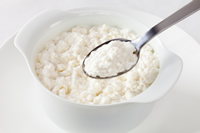
Based on her own extensive research over many decades, as well as probable knowledge of Szent-Györgyi’s findings regarding the use of essential fatty acids combined with sulphur-rich proteins to raise cellular energy levels, Dr. Budwig pioneered a protocol for cancer prevention and treatment based on the use of small amounts of flaxseed (linseed) oil combined with a rich supply of sulphur-based proteins.  She recommended using organic cottage cheese as the best sources of sulphur-based protein.
Flax oil is one of the richest sources of the EFAs omega-3s and -6s, and cottage cheese is perhaps the most convenient, richest source of sulphur-based protein.
Forbidden Cancer Treatment They Dont Want You To Know AboutBudwig found that neither ingredient alone is effective in either the prevention or treatment of disease.  The flax oil must be “activated” by thoroughly mixing it with the cottage cheese in an electric blender at a ratio ranging from 1 tablespoon flaxseed oil per ¼ cup of organic low fat cottage cheese, to 3-4 tablespoons flax oil per ½ cup cottage cheese, depending on the severity of illness – taken on a daily basis.  Other ingredients such as fruit and honey may be added to taste.
For those who are lactose intolerant or simply want to avoid animal-derived foods, alternatives to cottage cheese can be found in the references below.  One possibility is the product by Nature’s Distributors, an Arizona-based company that claims one capsule of the dried, sulphurated protein in Companion Nutrients can activate the EFAs in one tablespoon of flaxseed oil.  Because the precise cancer treatment is so critical, Companion Nutrients might best be used in addition to but not as a substitute for cottage cheese.
As amazing as it may sound to some – especially to oncologists who practice traditional forms of cancer therapy, not to mention the unsuspecting and naive public who have observed for decades the many twists and turns of the War On Cancer – the use of these two inexpensive (and unpatentable) food substances provides a powerful and effective means of treating even the most advanced cancers.
According to Dr. Budwig, “… 99% of the sick that come to see me … are cancer patients who have had operations and radiation sessions, and were diagnosed as being far too advanced for another operation to be of any help.  Even in these cases health can be restored, usually within a few months, I would say in 90% of cases.”
Forbidden Cancer Treatment They Dont Want You To Know AboutThe preceding special report is an excerpt from the popular, doctor-recommended The Encyclopedia of Medical Breakthroughs and Forbidden Treatments
Dr. Johanna Budwig’s flax oil & sulphur-based protein therapy is just one of 12 scientifically validated cures for cancer featured in The Encyclopedia of Medical Breakthroughs and Forbidden Treatments.
The Encyclopedia of Medical Breakthroughs and Forbidden Treatments is a 380-page book (also available as an e-book) containing a definitive, never-before-published compilation of alternative medicine discoveries.  It features cutting-edge, state-of-the-art health information, alternative treatment options and effective solutions for virtually any disease or health problem you or your loved ones might have.
References:
1. Warburg, Otto. “The Prime Cause and Prevention of Cancer” (Revised Lindau Lecture), www.whale.to/a/warburg.html
2. www.cancertutor.com/Cancer/Budwig.html
3. Budwig, J., “Der Tod des Tumors, Band II” (“The Death of Tumors, Vol. II”), Transcribed interview, broadcast Sept. 11, 1967 by Süddeutscher Rundfunk Stuttgart (Germany).

Turmeric: Doctors Say This Spice Is a Brain Health Miracle

Dear Health Conscious Reader,

Are you concerned about maintaining the health of your brain as you age? You're not alone. Losing one's memory and mental abilities to cognitive decline is something we all fear, and the current statistics on the prevalence of cognitive decline in this country are not pretty. By age 65, sadly 1 in 8 Americans will suffer from severe cognitive decline, and by age 80, an astonishing 1 in 2 will.[1]

Researchers have been working for years to develop an effective treatment. But one "miracle" drug after another has failed to live up to its promises, and it's becoming more and more apparent that pharmaceuticals are not the solution. Unfortunately, the medical establishment is so narrowly focused on finding an elusive "cure" that scientifically proven prevention strategies are often ignored.

I'm Joshua Corn, Editor-in-Chief of Live in the Now, one of the fastest growing natural health publications in the nation. My passion for natural health drives me to seek the truth about the causes of health problems and to educate people on alternative solutions that are both safe and effective.

Please keep reading, because I'll tell you about an amazingly effective way to protect your brain from the ravages of cognitive decline and boost your thinking and memory abilities quickly, naturally and safely.


Nature's Brain-Protecting Miracle

There are a number of natural brain protectors out there, but did you know that one herb has shown more promise when it comes to supporting your neurological system than any other medical finding to date? It's a scientific fact that curcumin, an antioxidant compound found in the root of the turmeric plant, is one of the most powerful natural brain protecting substances on the planet! It continues to amaze scientists with its remarkable cognitive health benefits.

You may be familiar with turmeric as the bright yellow spice that is commonly found in curry powder. Turmeric has a long history as a healing herb and culinary spice in India. Interestingly, India has the highest per capita consumption of turmeric AND the lowest incidence of cognitive decline worldwide![2]


ABOUT JOSHUA CORN, EDITOR-IN-CHIEF
Joshua Corn, Editor-in-Chief of the Live in the Now newsletter, is a health freedom advocate who's been involved in the natural health movement for over 15 years. He's always been dedicated to promoting health, vitality, longevity and natural living. Josh is currently writing a book on natural remedies and is gearing up to launch the Live in the Now radio show. In addition to his work in the natural health field, Josh is an avid outdoorsman, organic gardener, animal lover and enjoys "living in the now" with his wife and two sons.

Your Brain on Curcumin

The hallmark process associated with certain types of cognitive decline is the formation in the brain of abnormal protein structures. Normally when malformed proteins are formed within the brain, the immune system sends out cells known as macrophages, which engulf and destroy the proteins. If this ordinary function fails, defective proteins accumulate in the brain and cognitive decline can follow.

That's why I was excited to read that recent research is showing that curcumin encourages the immune system to send macrophages to the brain. A landmark clinical trial involving people with severe cognitive decline that measured the effects of curcumin. Amazingly, the participants taking curcumin had significantly higher levels of dissolved abnormal proteins in their blood compared to those in the placebo group.

This study showed that curcumin has the ability to effectively pass into the brain, bind to beta-amyloid plaques and assist the body in their breakdown.[3] Curcumin is one of the only substances known to have such a profound protective effect on the brain.


The Incredible Health Benefits of Curcumin
Protects brain cells from aging Increases memory retention and clarity
Boosts overall cognitive function Supports joint and muscle health
Promotes healthy cardiovascular function Supports a healthy inflammatory response
Supports healthy mood balance Promotes a healthy digestive system
Boosts detoxification and liver health Supports natural weight loss

Increases memory retention and clarity
Supports joint and muscle health
Supports a healthy inflammatory response
Promotes a healthy digestive system
Supports natural weight loss
 
 
Curcumin Combats Dangerous Inflammation

You may have heard about the dangers of "silent" inflammation. It's been discussed by Dr. Oz and has made headlines in publications such as Newsweek and Time. It's important for you to know that low-grade inflammation is rapidly becoming recognized as the root cause of the development of cognitive decline, as well as a wide range of serious health problems.[4]

Unfortunately, most people don't do anything until the initial symptoms, such as muscle aches and joint discomfort, appear. When this happens, their gut reaction often is to go see a doctor, who is unlikely to correctly diagnose the problem, and more than likely will prescribe drugs that are far from safe and only provide short-term benefits.

But the initial symptoms of pain are just the beginning. If left unchecked, inflammation can damage your body in many ways. One of the worst examples of this is cognitive decline, which can ravage your memory and severely impact your quality of life in what should be your golden years.

Here are 7 ways inflammation can damage your body:

  1. Memory loss and cognitive decline
  2. Increased cardiovascular risk
  3. Joint pain and loss of mobility
  4. Allergies and breathing discomfort
  5. Accelerated skin aging and wrinkles
  6. Compromised digestive function
  7. Weight gain and loss of muscle tone
Cutting-edge science is showing that curcumin is one of the most powerful, natural anti-inflammatories ever studied. Curcumin is so effective because it is a potent inhibitor of the body's most powerful inflammation-causing chemical, called Nf-kappa beta. Miraculously, curcumin has been shown in numerous studies to tame joint pain and muscle soreness, protect the brain, support cardiovascular health, bolster immunity and more.[5,6,7,8,9] If you have a lingering health problem that no doctor can resolve, you may be suffering from inflammation and curcumin may be just the natural solution you've been looking for.

How to Get the Most Out of Curcumin

Although you may be able to find high quality turmeric powder at your local market, it's very difficult to verify its purity and potency. Plus, it's almost impossible to incorporate therapeutic amounts of curcumin into your diet on a daily basis as a spice. So, to put it simply, a high-quality curcumin supplement is your best bet!

However, not all curcumin supplements are created equal. Unfortunately, most supplements out there don't have the necessary doses and components to get the job done. If you take the wrong supplement, you'll end up not only wasting money, but missing out on an incredible opportunity to protect your brain and keep harmful inflammation at bay.

There are 3 major factors to consider when deciding on a curcumin supplement:

  1. Standardization and Dose: Standardization is the process by which the active ingredients in a plant are concentrated and brought to a consistent level. The active ingredients of turmeric are called curcuminoids, and there are actually three components: curcumin, demethoxycurcumin and bisdemethoxycurcumin. Any good curcumin supplement should include all 3 of these curcuminoids and be standardized to at least 75%. Also, the minimum recommended daily dose is 1,000 mg per day.
     
  2. Absorption: One problem with curcumin is that it's not easily absorbed. However, it was discovered that an extract of black pepper, called piperine, significantly enhances absorption of curcumin. In fact, one study found that the addition of a piperine increased bioavailablity by 2,000%![10] So make sure that any curcumin supplement you take contains this important extract.
     
  3. Price: Some people mistakenly believe if you pay more you get better quality. My advice is that you don't need to pay more than $30 for a one month supply. Many companies are taking advantage of the hype surrounding curcumin and charging more than double this.

The Curcumin Supplement I Personally Recommend

Since cognitive decline and inflammation are so widespread, I consider curcumin a "must take" supplement. However, when I was looking at the different options out there, I was shocked by how many poor quality curcumin supplements there were. The ones that had "all the right stuff" were absurdly expensive, making this lifesaving nutrient off-limits for too many people!

That's why I took it upon myself to develop an effective AND affordable curcumin supplement called Curcumin2K™. In addition to my work with Live in the Now, I'm also the CEO of Stop Aging Now, a company that has been making premium grade dietary supplements for over 15 years. I developed Curcumin2K working with my Scientific Advisory Board, and it's simply the most effective and most affordable curcumin supplement on the market.

I invite you to do your own research to make sure I'm not just shamelessly promoting my own product, but I think you'll find no other curcumin product like Curcumin2K. Here are just a few reasons why:

  • Curcumin2K is made with 1,330 mg of turmeric extract standardized to contain a minimum of 95% the full spectrum of curcuminoids, which includes curcumin, demethoxycurcumin and bisdemethoxycurcumin.
     
  • Curcumin2K is enhanced with 20 mg of BioPerine® black pepper extract standardized to contain 95% piperine. BioPerine is the brand used in all the research that has shown piperine increases curcumin's absorption by up to 2,000%!
     
  • Curcumin2K is made in the USA in an FDA inspected facility to meet or exceed stringent USP stringent standards for quality, purity and potency.
     
  • Curcumin2K ships to you for free, is tax-free and comes with an amazing 365-day "any reason" guarantee. This way you risk nothing!
     
  • Curcumin2K is available for as little as $19.95 per bottle (which lasts a full month). This is up to 3 times less than similar high quality brands.

Our Curcumin2K Customers Say It Best...

We already have tens of thousands of satisfied Curcumin2K customers. One of the best parts of my job is reading some of their remarkable success stories. Here are just a few that I've recently received:

"I only use Stop Aging Now supplements because they're made in the USA and I've had great results. I've noticed since taking Curcumin2K that my memory is quicker. A great company with great products."
- Terry Bart from Jackson, WY
"Curcumin2K is far superior to the curcumin I had been taking. The potency is much higher, plus it contains black pepper extract. I always find your products to be superior even to the higher-priced brands."
- Kathleen Roper from Fennville, MI
"I noticed shortly after taking Curcumin2K that my joint discomfort started to decrease and I was able to become more active again!!!! This product has really been a lifesaver for me! I HIGHLY RECOMMEND it!"
- Peter Dialfonso from Somerset, NJ
"I am 66 years old and recently decided to try Curcumin2K. Within 5 days I noticed the difference and after 1 week 90% of all my "old age" symptoms had TOTALLY disappeared! I now enjoy life without pain."
- Ruth Rich from Possum Creek, AU

I Want to Do More Than Just Sell You a Bottle

I truly believe that Curcumin2K will improve your health in more ways than you dreamed possible. I take it daily, and so do my wife, parents and many of my friends. But I certainly don't expect you take my word for it!

You can try Curcumin2K risk-free. Not only is it extremely affordable, will ship to you for free and is tax free, but if you don't get results, your entire order is free! Curcumin2K also comes with an amazing 365-day "any reason" guarantee. So even if you've taken every last capsule, and even if one full year has passed, if you're not satisfied, you'll get every penny back. I personally guarantee the quality.


Order Now And Feel Better Within 7 Days!

The best thing about Curcumin2K is how rapidly it begins to work. When I began taking it, I noticed the benefits within a few days, and I personally guarantee that you'll have a similar experience. Here's what you can expect:
Protection for your brain and cognitive function
Improved mental clarity and memory retention
Better mood balance and more energy
A healthier heart and more balanced cholesterol
Fewer aches and pains and less stiffness
Smoother, more youthful-looking skin
Support for liver health and detoxification
Antioxidant protection against free radicals
An overall increased sense of vitality

Whether you decide to use Curcumin2K or take another approach, I hope I've convinced you to take protecting your cognitive health seriously. I consider Curcumin2K one of the most important supplements I currently take. I think you'll find the same is true for you, so I hope that you'll give it a try!


To Your Good Health,

Joshua Corn
CEO of Stop Aging Now
Editor-in-Chief of Live in the Now


Scientific References:
1. http://www.alzheimersprevention.org/alzheimers_disease.htm
2. Neurology. 1998; 51(4): 1000-1008.
3. Arthr Res Ther, 2005:8(1): doi:10.1186/ar1846.
4. Dr. David Graham, Testimony to the Senate Finance Committee, November 18, 2004.
5. Int J Biochem Cell Biol. 2009; 41(1): 40?59.
6. J Neurosci Res. 2004 Mar 15; 75(6): 742-50.
7. Nutrition. Sept 2009, 25(9): 964-972.)
8. J Pharmacol Exp Ther. 2007 May; 321(2): 616-25.
9. Biochem Pharmacol. 2005 Sep 1; 70(5): 700-13.
10. Planta Med. 1998; 64(4): 353-356.

Wednesday, March 12, 2014

How To Remove Skin Tags With Apple cider vinegar

I am known to my friends a bit of a fiddler.  I make my own scrubs and tonics and now I have turned the fiddling with natural skin tag removal.  I know the doctor or even myself can lance them off… but they bleed heavily and can leave a scar so I thought I would try a different approach, not to mention the money saved for a doctor’s appointment.  Here is what I did and what worked and what didn’t work.  I only have 2 skin tags (one on my arm and one on my neck), so I don’t have that much to experiment on.  This goes without saying I am not a medical professional and this is only my experience, so make sure you check with your doctor that the skin tag/mole is not of concern before you attempt to remove it yourself.

First attempt:  Used clear nail polish.  Painted over the skin tag (in my inner crook of the arm).  Skin tag blew up in size — almost blister like and little scary — and my skin reacted very poorly to the nail polish and I developed quite a rash.  Opinion:  I would NOT do this again.  And it did not finish the tag off.  I had to use Apple cider vinegar to finish the job.

Second attempt:  Apple cider vinegar.  I cut a tiny square of cotton pad to cover the tag and soaked it in organic apple cider vinegar and then used a band aid to secure and left over night.  Repeat if necessary.  Results:  Skin tag turned black and fell off in about 3-5 days with no bleeding and no scarring.  Once it is at the black/dark brown stage it is dead and you can stop using the vinegar and just wait for the tag to fall off.  Do not pick!  I do have slightly red skin around the area from the nail polish but that is fading over time and my skin is smooth.  I can’t believe a tag used to be there!  Opinion & Mistakes:  I would use this method again if I had more skin tags!  Apple cider vinegar is strong acid and I did not protect the surround skin so I got a bit of an acid burn around and near the skin tag.  I am using Rose Hip Oil to reduce the redness and heal the skin.  If I did this again what I would do differently:  1. protect surrounding skin with Vaseline and 2. maybe start by just holding a q tip on the tag 3 times a day to see if that works before leaving it on over night.

Good luck and let me know how you get on.

Thursday, March 6, 2014

Kidney Stone Remedy

***Kidney Stone Remedy***


Healthy lifestyle along with proper diet can help in the elimination of kidney stones and kidney diseases.

1. Lemon Juice and Olive Oil

The combination of lemon juice and olive oil is traditionally used as a home remedy to expel gallbladder stones but it can also be used to treat kidney stones. The citric acid present in lemons helps break down calcium-based kidney stones and stops further growth.

1. Take four tablespoons or a quarter cup of fresh lemon juice.
2. Add an equal amount of olive oil.
3. Drink this mixture followed by plenty of water.
4. Do this two to three times a day, up to three days. You need not continue this remedy if you pass the stones in a single dose.

NOTE: Replace olive oil with coconut oil making it more effective and healthier!

2. Apple Cider Vinegar-

Apple cider vinegar helps dissolve kidney stones. It also has an alkalinizing effect on blood and urine.

Mix two tablespoons of organic apple cider vinegar and one teaspoon of honey in one cup of warm water.
Drink this a few times a day.

3. Pomegranate-

Both the seeds and juice of pomegranates have astringent properties that can help in the treatment of kidney stones.

Try to eat one whole pomegranate or drink one glass of freshly squeezed pomegranate juice daily. You can mix pomegranate in a fruit salad also.

Warning: This remedy may not be suitable for passing large kidney stones.