Showing posts with label stomach. Show all posts

Saturday, July 1, 2017

how your digestive system works

How long does it take to digest food — from the time you eat it to the time you excrete it? 
The digestion process takes between 24 and 72 hours, Elimination of undigested residue food  usually begins after 24 hours. Complete elimination from the body may take several days. 

Answers from Michael F. Picco, M.D.
Digestion time varies between individuals and between men and women. After you eat, it takes about six to eight hours for food to pass through your stomach and small intestine. Food then enters your large intestine (colon) for further digestion, absorption of water and, finally, elimination of undigested food.

In the 1980s, Mayo Clinic researchers measured digestion time in 21 healthy people. Total transit time, from eating to elimination in stool, averaged 53 hours (although that figure is a little overstated, because the markers used by the researchers passed more slowly through the stomach than actual food). The average transit time through just the large intestine (colon) was 40 hours, with significant difference between men and women: 33 hours for men, 47 hours for women.

Two British doctors studied digestion time in children. They fed 35 children juice containing a red marker and asked the children's mothers to note when the stool first turned red. The mean time of transit from mouth to anus for the group was 33 hours (meaning half the children had digestion times slower than this and half had digestion times greater than this).

With Regards,
Michael F. Picco, M.D.
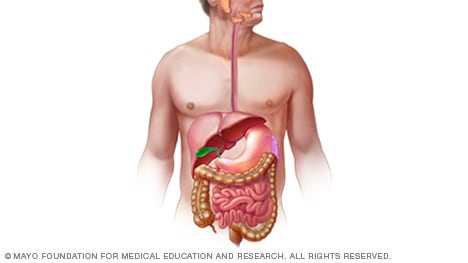

Illustration of digestive system

Your digestive system gears up
A fresh-baked apple pie has just come out of the oven. Just the sight and smell of it are enough to make you start salivating. So even before you take a bite, your digestive system has swung into action.

After the first morsel enters your mouth, the many organs of your digestive tract kick into high gear. Here's a look at how your digestive system works, from top to bottom.

Illustration of mouth and salivary glands

Mouth and salivary glands
After you take your first bite of pie, your salivary glands produce saliva — a mixture of secretions that help lubricate and break down food. Besides the salivary glands in the lining of your mouth, you have three pairs of larger salivary glands — the parotid, sublingual and submandibular glands. You typically produce about 2 pints (about 1 liter) of saliva a day.

Not all of the work is chemical, though. As you savor the bite of pie, your teeth work to break down the pie while your tongue mixes it with saliva. This action transforms it into a soft, moist, rounded mass (bolus) suitable for swallowing.

Illustration of esophagus

Esophagus
As you swallow the bite of pie, muscles in your mouth and throat propel it to your upper esophagus, the tube that connects your throat to your stomach. Muscles in the wall of your esophagus create synchronized waves — one after another — that propel the pie into your stomach. In this process, called peristalsis, muscles behind the bolus of pie contract, squeezing it forward, while muscles ahead of it relax, allowing it to advance without resistance.

When the bolus reaches the lower end of your esophagus, pressure from the food signals a muscular valve — the lower esophageal sphincter — to relax and let the food enter your stomach.

Illustration of stomach

Stomach
After entering your stomach, the pie is broken down further. With its powerful muscles, the stomach begins churning and mixing the food into smaller and smaller pieces. Your digestive glands in your stomach lining produce stomach acid and enzymes, which mix with the food to form a murky semifluid or paste called chyme.

Once the chyme is well-mixed, waves of muscle contractions propel it through a valve called the pylorus and into the first section of your small intestine (duodenum). The pylorus might release about an eighth of an ounce (about 4 milliliters) of chyme at a time. The rest is held back for more mixing.

Illustration of pancreas, liver and gallbladder

Pancreas, liver and gallbladder
In your duodenum, digestion continues as chyme from the stomach mixes with a variety of digestive juices from your pancreas, liver and gallbladder:

Pancreas. The pancreas produces digestive enzymes that help break down proteins, carbohydrates and fats.

Liver. The liver produces bile, a solution that helps you digest fats.

Gallbladder. The gallbladder stores bile. As fatty food enters the upper portion of your small intestine (the duodenum), the gallbladder squeezes bile into the small intestine through the bile ducts.

Illustration of small intestine

Small intestine
As bile and pancreatic digestive juices mix with other juices secreted by the wall of your small intestine, digestion continues. What was once apple pie is propelled into the second portion of your small intestine, the jejunum. Here it's further broken down into smaller molecules of nutrients that can be absorbed. Then it moves into the final and longest portion of your small intestine — the ileum — where virtually all of the remaining nutrients are absorbed through the lining of the ileum's wall.

What remains of the food when it reaches the end of the ileum is a combination of water, electrolytes — such as sodium and chloride — and waste products, such as plant fiber and dead cells shed from the lining of your digestive tract.

Illustration of large intestine

Large intestine
As this residue passes through the colon, nearly all of the water is absorbed, leaving a usually soft but formed substance called stool. Muscles in the wall of your colon separate the waste into small segments that are pushed into your lower colon and rectum. As the rectal walls are stretched, they signal the need for a bowel movement.

When the sphincter muscles in your anus relax, the rectal walls contract to increase pressure. These coordinated muscle contractions expel the stool.

The End of Slide Show. 

Monday, February 20, 2017

Water Cure Acid Reflux/Heartburn

Subject: Re: Maher Hakim Testomonial 
Date: Sun, 10 Oct 2010 17:07:43 +0400 
From: Maher Hakim  
To: Robert Butts

About 3 months back I had a sever heart burn at 4 am which I thought it was a heart attack. After very panicky night/morning I stated to feel sever pain when I sleep on either side or even when I lay on my back, the pain was hard along with some sort of a shiver and massive bloating and bleaches. I lost my ability to sleep even though I have tried all possible solutions (PPI, Anti Acid, Raise the bed…etc) but nothing can stop the pain. I did an endoscopy and I was diagnosed with a small hernia, a small esophagus diverticulium and some bacteria in the stomach (h. Pylori). 

I was given more PPI and a lot of antibiotics for about 30 days. My sleep problem grow worse to a full fledge PSYCHOLOGICAL INSOMNIA (fear of sleeping) and I was diagnosed by my psychiatrist with sever anxiety and put me on 3 different medications (with horrible possible side effects). My over all health has deteriorated because of sever the anxiety that was coming from the fact that I cannot sleep at night without the help of drugs and I was over worried about my family well-being ( a lovely wife and 2 children) in case I die. Of course before all this started I did not have fear of sleep nor fear of death. 

After seeing many top notch doctors and after I have done a lot of research on the internet and have reached the conclusion that I have a serious case of systemic candidas because of the frequent use of antibiotics. But however now my serious insomnia along with the 3 heavy PSYCHOLOGICAL drugs made me feel like a zombie with few days left to live. Boy it is sure a horrible and helpless feeling.

Today I was on the internet and read about the water cure (which by the way it should be renamed to "The water and sea salt cure") and I have reached out to my sea salt and put 1/4 teaspoon in a large glass of pure water and drank…. and WOW immediately my body pains decreased and my overall mental zombie mode improved from depression and fear to a bit more normal and more positive mind set, which have made me feel good enough to write this testimonial.

So I will continue with the Sea Salt & Water regimen and will keep you updated on my improvement.

Keep up the great work and god bless those who truly give and not desire to be mere takers. 

Kind Regards,
Maher Hakim

Saturday, February 11, 2017

Proof that an oral saline IV is better than a USD$525.00 intravenous one.

Oral vs IV Rehydration

Athletes Take Heed

When considering oral vs IV rehydration, oral is better. Why? Here you will discover what we think, what we know and what can we prove.

Both oral and IV hydration have been used by high-performance athletes through the years. It is common in the NFL, collegiate football, marathon and triathlon sports.

In third world and some second world countries, IV rehydration for athletes is a standard of care.

One Size Does Not Fit All

Research from 2005 found oral re-hydration to be more effective in children than IV fluid (IVF) rehydration, because it was faster to give and reduced hospital admissions in a certain group of small children.

When someone is unconscious or semiconscious, IV administration is the preferred form of hydration by healthcare professionals. But what about the rest of us? Is there a better way?

Oral vs IV Rehydration: The Sport Health Pro View

Because of the commonality of IV use, health professionals believe it is more effective than oral rehydration. It is thought that the IV will provide for far greater performance over oral hydration.

However, this is wishful thinking. There is no science to back this mindset.

Benefits Of Oral Hydration: The Science

Oral hydration has been found to be just as effective as IV hydration and studies show that oral hydration may actually be more beneficial. Oral hydration is also safer. It does not require medical staff to deliver it.
The safety and speed of administration alone makes it a better choice on the field of sports activity.

The study looked at the response to IV and Oral Rehydration. After 20 minutes of rehydration, the subjects exercised untill exhausted. The room temperature was 98.6 degrees Fahrenheit with a humidity of 50%.

The findings....

During exercise, the....

Blood plasma (the liquid part of our blood) and other blood-pumping values were about the same for IV and oral rehydration.

Temperatures were lower with oral rehydration.

Feeling of thirst was lower in the oral rehydration group.

Feelings of exertion were lower in the oral rehydration group.

Performance improvement for the oral rehydration group were only slightly better.

Oral Rehydration: The Better Way

While the results were about the same in the IV vs Oral hydration methods, there are a number of unseen advantages. The risk of infection, bruising, discomfort may be considered minor reasons to avoid the IV. Any invasive treatment to the body has greater risks than natural treatments.

Additionally, the need to move an athlete to a secure place to provide the IV creates further challenges.

Add to this the thirst perception and the feeling of not being exhausted, the oral rehydration has a lot of reasons to consider it as being superior.

By following an effective oral rehydration protocol, athletes are taking charge of their own health naturally. This will help the athlete become more in tune to their body's needs and when it is speaking to them. This in turn may result in greater performance.

So, when it comes to oral vs IV rehydration, oral wins the competition.

Research

Intravenous vs. oral rehydration: effects on subsequent exercise-heat stress.
J Appl Physiol (1985). 1997 Mar;82(3):799-806

Thermoregulation and Stress Hormone Recovery After Exercise Dehydration: Comparison of Re-hydration Methods
J Athl Train. 2013 Nov-Dec; 48(6): 725–733

A related trial in young children, even better results.

Oral versus intravenous rehydration of moderately dehydrated children: a randomized, controlled trial.

Pediatrics. 2005 Feb;115(2):295-301

So, How Much Water To Drink?

The following is the baseline water needs.

Age 2-17y-o daily minimum need is 75% body weight in ounces of water. Divide by 5 or individual dose. Take a pinch of salt dissolved on the tip of the tongue each time you drink.

Age 18+ daily minimum need is half the body weight in ounces of water. Divide by 5 or individual dose. An easier way, 10% your body weight each time you drink. Start with 2x and work up to 5 times. Take a pinch of salt dissolved on the tip of the tongue each time you drink.

Here is the break down and those who should not use this. Please read this entire section to find your specific need.

NEVER: drink more than 32 ounces in 2 hours.

NEVER: drink the water without taking the salt (unless otherwise directed). Too much water could wash out the electrolytes needed for normal health.

NEVER: Use the protocol if you have kidney disease without talking to a doctor.

NEVER: Use the protocol if you have congestive heart disease (CHF) or other fluid restrictions.

NEVER: use the protocol if you have a salt intolerance.

The Five Rights of Proper Hydration

Right Person: age 2-17 / 18-50 / 50-80 / 80 and older.

Right Time: 30 min before and 2 hours after meals.

Right Route: Dissolve the salt in mouth so it can be absorbed in the mucous membranes.

Right Amount: Salt: 1/8th tsp per 16 ounces, water: 10% of body weight in ounces of water each time you drink.

Why Dissolve the Salt On the Tip Of Your Tongue?

Some drink water with salt in it. This is called Sole. It can and will make many people sick to their stomachs. Putting the salt on the tongue will allow it to get to the blood faster so that when the water arrives in the gut, it will better be able to be absorbed.

Right Electrolyte: While normally this would be unprocessed salt, it could include others depending on your health issues.

Right Person Age 2-17: If there are any health problems, do not use the water cures protocol without supervision of a healthcare provider. The growing years...According to Dr. B, the formula is 75% of their body weight in ounces of water is the total daily dose. Then divide by 5 or 6 for individual dose. During athletic performance, the hydration need goes up to 100% of their body weight in ounces of water.

Right Person Age 18-50: Start drinking the water 2 x a day (within 20 min of waking) and slowly increase.

Right Person Age 50-80: Start off slower. Use the least amount of water and the least amount of salt. Only start off drinking one time a day. Then after a week, increase to 2 times a day. Allow up to 30 days before increasing the amount of water you drink or the salt you take.

Right Person Age 80 and over: Only start with the help of a healthcare professional. You should be monitored for health changes.

Right Person 18-50: If you do not have any other health issues, this age group usually responds to the basic water cures protocol.

Right Route: Obviously you are going to drink the water. The electrolytes are another story. Some prefer putting salt in the water. This may make you sick to your stomach. Others prefer putting the salt on the tongue and letting it dissolve. There is a third way that also makes sense.

When adding a tablespoon of liquid chlorophyll to the last drink of the day, adding level teaspoon of honey and 1/4 tsp of salt into the glass, blend into the water, and it will be more easily absorbed in both your mouth before swallowing and in your gut after it goes down.

Note: By using the oral route, the best way to make it most effective, hold each sip in the mouth and allow your saliva to mix with it as well as some of it to be absorbed.

Right Amount: This is broken down into four answers. There are individual doses, daily doses and doses for those highly active or in very hot or humid conditions.

Drink the water all at once. Do not nurse your water. Think of your body as holding it rather than holding it in a bottle. The salt is what allows your body to store it.

One thing to note, many start losing weight. Sometimes the weight loss is dramatic. The amount of water we need will gradually decrease as you follow the water cures protocol.

First: Never drink more than 32 ounces at one time or inside of a 2-hour period and never drink that much without salt.

Individual dose: At a normal activity level, 10 percent of your body weight in ounces of water. So If you weigh 135 lbs, you would drink 13 ounces. If you weigh 190 lbs, you would drink 19 ounces. Ten percent in ounces is basically the first two numbers of your weight if you are over 100 lbs and the first number if you are under 100 lbs.

This is the baseline amount you need to drink. If you are active, you will need to drink more depending on the intensity of what you are doing.

There is science on drinking more. Urine Volume and Change in Estimated GFR in a Community-Based Cohort Study. Conclusions in this community-based cohort, decline in kidney function was significantly slower in those with higher versus lower urine volume.

Right Time: 30 to 45 min before meals, 2 hours after meals. The reason is simple. When we drink water and take the electrolytes on an empty stomach, the water more readily goes through the stomach and enters the gut. From there, it returns to the stomach through the blood circulatory system and prepares the stomach for the soon-to-arrive food. The preparation includes both having everything ready for the production of hydrochloric acid and the creation of the mucous lining for the arrival of the food. Additionally, any old salts are washed out of the stomach.

In addition to being the best practice of hydration of the body and to avoid diluting the stomach juices, drinking before allows the stomach to better prepare for the meal.

If you are doing water to lose weight, drink as soon as you get up. Ideally you want to drink your water and dissolve the salt in your mouth within 20 minutes of awaking. Likewise drink at least 20 minutes before bed.

Right Electrolyte: Normally the Water Cures protocol suggests using unprocessed salt. However, there are exceptions. While we do not understand the reason why, some fine ground sea salts tend to have less mineral counts than the coarse salts. This may be due to oxidation from exposure to air. So we recommend the coarse sea salt as perhaps the best.

And not all sea salt has the same mineral counts. It must be unprocessed. The best way to know, look for the mineral count. Mined salts likewise are rich in minerals. Some prefer one over the other. The best way to find out which works best for you is to try both or even switch back and forth.

Sometimes we may need additional electrolytes. Your doctor would be in the best position to tell you if you should use any others, how much and how long.

How Much Water to Drink to Prevent Dehydration
This is a work in progress. We will continue to study and define the answer to this question. One thing we do know, when there is illness or disease, the water cures protocol can help some to reset their health.

Please share your experience or questions to help us grow this knowledge base.

Wednesday, January 25, 2017

Digestive System


The human gastrointestinal tract refers to the stomach and intestine, and sometimes to all the structures from the mouth to the anus.

The major organs of the human gastrointestinal system.

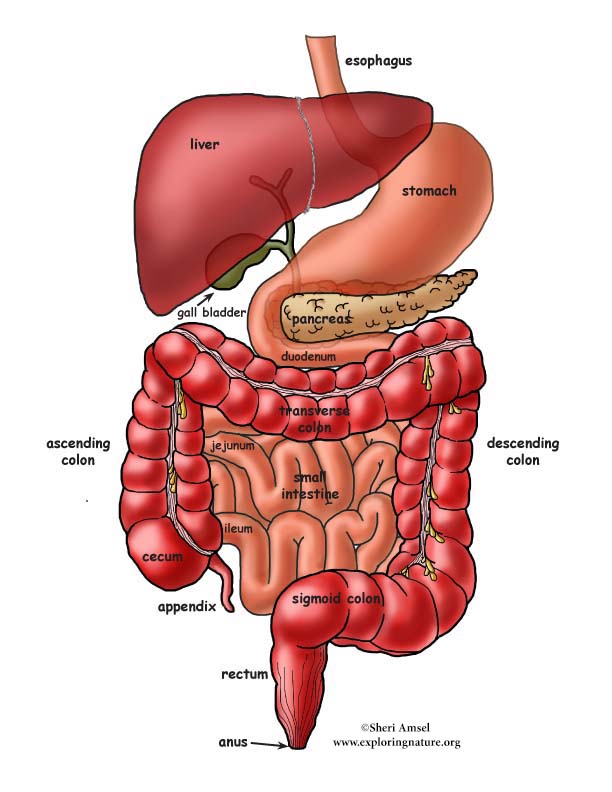
The major organs of the human gastrointestinal system are identified in this drawing. The upper gastrointestinal tract consists of the esophagus, stomach, and duodenum. The lower gastrointestinal tract includes most of the small intestine and all of the large intestine. According to some sources, it also includes the anus.

Upper Gastrointestinal Tract

The upper gastrointestinal tract consists of the esophagus, stomach, and duodenum. The exact demarcation between upper and lower can vary. Upon gross dissection, the duodenum may appear to be a unified organ, but it is often divided into two parts based upon function, arterial supply, or embryology.

The upper gastrointestinal tract includes the:

Esophagus, the fibromuscular tube that food passes through—aided by peristaltic contractions—the pharynx to the stomach.

Stomach, which secretes protein-digesting enzymes called proteases and strong acids to aid in food digestion, before sending the partially digested food to the small intestines.

Duodenum, the first section of the small intestine that may be the principal site for iron absorption.

Lower Gastrointestinal Tract

The lower gastrointestinal tract includes most of the small intestine and all of the large intestine. According to some sources, it also includes the anus.

Upper and lower gastrointestinal tract


The small intestine has three parts:

Duodenum: Here the digestive juices from the pancreas (digestive enzymes) and the gallbladder (bile) mix together. The digestive enzymes break down proteins and bile and emulsify fats into micelles. The duodenum contains Brunner's glands that produce bicarbonate, and pancreatic juice that contains bicarbonate to neutralize hydrochloric acid in the stomach.

Jejunum: This is the midsection of the intestine, connecting the duodenum to the ileum. It contains the plicae circulares and villi to increase the surface area of that part of the GI tract.

Ileum: This has villi, where all soluble molecules are absorbed into the blood ( through the capillaries and lacteals).

The large intestine has four parts:

1.Cecum, the vermiform appendix that is attached to the cecum.

2.Colon, which includes the ascending colon, transverse colon, descending colon, and sigmoid flexure. The main function of the colon is to absorb water, but it also contains bacteria that produce beneficial vitamins like vitamin K.

3.Rectum.

4.Anus.

The ligament of Treitz is sometimes used to divide the upper and lower GI tracts.


Image result for anatomy of digestive system pdf

Processes and Functions of the Digestive System

Digestion is necessary for absorbing nutrients from food and occurs through two processes: mechanical and chemical digestion.

The Digestive System

The proper functioning of the gastrointestinal (GI) tract is imperative for our well being and life-long health. A non-functioning or poorly-functioning GI tract can be the source of many chronic health problems that can interfere with your quality of life. 

Here is a look at the importance of two main functions of the digestive system: digestion and absorption.

Digestion

The gastrointestinal tract is responsible for the breakdown and absorption of the various foods and liquids needed to sustain life. Many different organs have essential roles in the digestion of food, from the mechanical breakdown of food by the teeth to the creation of bile (an emulsifier) by the liver. 

Bile production plays a important role in digestion: it is stored and concentrated in the gallbladder during fasting stages, and discharged to the small intestine. Pancreatic juices are excreted into the digestive system to break down complex molecules such as proteins and fats. 

Absorption

Absorption occurs in the small intestines, where nutrients directly enter the bloodstream.

Each component of the digestive system plays a special role in these complimentary processes. The structure of each component highlights the function of that particular organ, providing a seamless anatomy to keep our body fueled and healthy.

Components of the Digestive System

The digestive system is comprised of the alimentary canal, or the digestive tract, and other accessory organs that play a part in digestion—such as the liver, the gallbladder, and the pancreas. The alimentary canal and the GI tract are terms that are sometimes used interchangeably. 

The alimentary canal is the long tube that runs from the mouth (where the food enters) to the anus (where indigestible waste leaves). The organs in the alimentary canal include the mouth (the site of mastication), the esophagus, the stomach, the small and large intestines, the rectum, and the anus. From mouth to anus, the average adult digestive tract is about thirty feet (30') long.

Processes of Digestion

Food is the body's source of fuel. The nutrients in food give the body's cells the energy they need to operate. Before food can be used it has to be mechanically broken down into tiny pieces, then chemically broken down so nutrients can be absorbed. 

In humans, proteins need to be broken down into amino acids, starches into sugars, and fats into fatty acids and glycerol. This mechanical and chemical breakdown encompasses the process of digestion.

To recap these twin processes:

Mechanical digestion: Larger pieces of food get broken down into smaller pieces while being prepared for chemical digestion; this process starts in the mouth and continues into the stomach. 

Chemical digestion: Several different enzymes break down macromolecules into smaller molecules that can be absorbed. The process starts in the mouth and continues into the intestines. 

Moistening and Breakdown of Food

Digestion begins in the mouth. A brain reflex triggers the flow of saliva when we see or even think about food. Enzymes in saliva then begin the chemical breakdown of food; teeth aid in the mechanical breakdown of larger food particles.

Saliva moistens the food, while the teeth masticate the food and make it easier to swallow. To accomplish this moistening goal, the salivary glands produce an estimated three liters of saliva per day. 

Amylase, the digestive enzyme found in saliva, starts to break down starch into simple sugars before the food even leaves the mouth. The nervous pathway involved in salivary excretion requires stimulation of receptors in the mouth, sensory impulses to the brain stem, and parasympathetic impulses to salivary glands. Once food is moistened and rolled and ready to swallow, it is known as a bolus.

Swallowing and the Movement of Food

For swallowing to happen correctly a combination of 25 muscles must all work together at the same time. Swallowing occurs when the muscles in your tongue and mouth move the bolus into your pharynx. Bolus (from Latin bolus, ball)is a small rounded mass of a substance, especially of chewed food at the moment of swallowing.
"mucin holds the particles of food together in a ball or bolus" Mucin is a glycoprotein constituent of mucus.
"mucin is secreted by the salivary glands"

The pharynx, which is the passageway for food and air, is about five inches (5") long—a remarkably small space. A small flap of skin called the epiglottis closes over the pharynx to prevent food from entering the trachea, which would cause choking. Instead, food is pushed into the muscular tube called the esophagus. Waves of muscle movement, called peristalsis, move the bolus down to the stomach.

While in the digestive tract, the food is really passing through the body rather than being in the body. The smooth muscles of the tubular digestive organs move the food efficiently along as it is broken down into easily absorbed ions and molecules.

Large-scale Breakdown in the Stomach

Once the bolus reaches the stomach, gastric juices mix with the partially digested food and continue the breakdown process. The bolus is converted into a slimy material called chyme. 


Major digestive hormones

There are at least five major digestive hormones in the gut of mammals that help process food through chemical digestion in the gall bladder, duodenum, stomach, and pancrease. These hormones are cholecystokinin, gastric inhibitory polypeptide, motilin, secretin, and gastrin.

This (see above) is a drawing of the digestive system. This shows the five major digestive hormones in the gut of mammals that help process food through chemical digestion in the gall bladder, duodenum, stomach, and pancrease. These hormones are cholecystokinin, gastric inhibitory polypeptide, motilin, secretin, and gastrin.

The stomach is a muscular bag that maneuvers food particles, mixing highly acidic gastric juice and powerful digestive enzymes with the chyme to prepare for nutrient absorption in the small intestine. Stimulatory hormones such as gastrin and motilin help the stomach pump gastric juice and move chyme. The complex network of hormones eventually prepares chyme for entry into the duodenum, the first segment of the small intestine.

Absorption in the Small Intestine

During absorption, the nutrients that come from food (such as proteins, fats, carbohydrates, vitamins, and minerals) pass through the wall of the small intestine and into the bloodstream. In this way nutrients can be distributed throughout the rest of the body. The small intestine increases surface area for absorption through tiny interior projections, like small fingers, called villi.

Waste Compaction in the Large Intestine

In the large intestine there is resorption of water and absorption of certain minerals as feces are formed. Feces are the waste parts of the food that the body passes out through the anus.

Organs of the Digestive System

The organs of the digestive system can be divided into upper and lower digestive tracts. The upper digestive tract consists of the esophagus, stomach, and the small intestine; the lower tract includes all of the large intestine, the rectum, and anus.

The human body uses a variety of mental and physiological cues to initiate the process of digestion. Throughout our gastrointestinal (GI) tract, each organ serves a specific purpose to bring our food from the plate to a digestible substance from which nutrients can be extracted.

The Digestive Tube

Our digestive system is like a long tube, with different segments doing different jobs. The major organs within our digestive system can be split into two major segments of this tube: the upper gastrointestinal tract, and the lower gastrointestinal tract.

The Upper Gastrointestinal Tract

The upper gastrointestinal, or GI, tract is made up of three main parts: 

The esophagus.

The stomach.

The small intestine. 


The Lower Gastrointestinal Tract

The lower GI tract contains the remainder of the system: 

The large intestine.

The rectum.

The anus. 

The exact dividing line between upper and lower tracts can vary, depending on which medical specialist is examining the GI tract.

Food Breakdown and Absorption: The Upper GI Tract

When we take a bite of food, the food material gets chewed up and processed in the mouth, where saliva begins the process of chemical and mechanical breakdown. The chewing process is also known as mastication. 

When we mix up food with saliva, the resulting mushy wad is called a bolus. The bolus gets swallowed, and begins its journey through the upper gastrointestinal tract.

The Esophagus

The upper GI tract begins with the esophagus, the long muscular tube that carries food to the stomach. The throat cavity in which our esophagus originates is known as the pharynx. As we swallow, the bolus moves down our esophagus, from the pharynx to the stomach, through waves of muscle movement known as peristalsis. Next the bolus reaches the stomach itself. 

The Stomach

The stomach is a muscular, hollow bag that is an important part of the upper GI tract. Many organisms have a variety of stomach types, with many segments or even multiple stomachs. As humans, we have only one stomach. 

Here our bolus gets mixed with digestive acids, furthering breakdown of the bolus, and turning the bolus material into a slimy mess called chyme. The chyme moves on into the small intestine, where nutrients are absorbed.

The Small Intestine

The small intestine is an impressive digestive tube, spanning an average of 20 feet in length. The twists and turns of the small intestine, along with tiny interior projections known as villi, help to increase the surface area for nutrient absorption. 

This snaking tube is made up of three parts, in order from the stomach: 

The duodenum.

The jejunum. 

The ileum. 

As the chyme makes its way through each segment of the small intestine, pancreatic juices from the pancreas start to break down proteins. Soapy bile from the liver, stored in the gallbladder, gets squirted into the small intestine to help emulsify—or break apart—fats. 

Now thoroughly digested, with its nutrients absorbed along the path of the small intestine, what remains of our food gets passed into the lower GI tract.

Waste Compaction and Removal: The Lower Gastrointestinal Tract

The Large Intestine (Colon)

Following nutrient absorption, the food waste reaches the large intestine, or colon. The large intestine is responsible for compacting waste material, removing water, and producing feces—our solid-waste product. 

Accessory organs like the cecum and appendix, which are remnants of our evolutionary past, serve as special pockets at the beginning of the large intestine. The compacted and dried-out waste passes to the rectum, and out of the body through the anus. Healthy gut bacteria in the large intestine also help to metabolize our waste as it finishes its journey.


Enteric Nervous System

The enteric nervous system (ENS) is a subdivision of the autonomic nervous system (ANS) that directly controls the gastrointestinal system.

The gastrointestinal (GI) system has its own nervous system, the enteric nervous system (ENS). Neurogastroenterology is the study of the enteric nervous system, a subdivision of the autonomic nervous system (ANS) that directly controls the gastrointestinal system. The ENS is capable of autonomous functions such as the coordination of reflexes. 

Although it receives considerable innervation from the autonomic nervous system, it can and does operate independently of the brain and the spinal cord. The ENS consists of some 100 million neurons, one-thousandth of the number of neurons in the brain, and about one-tenth the number of neurons in the spinal cord. The enteric nervous system is embedded in the lining of the gastrointestinal system.

Ganglia of the ENS

The neurons of the ENS are collected into two types of ganglia: 

1.The myenteric (Auerbach's) plexus, located between the inner and outer layers of the muscularis externa.

2.The submucosal (Meissner's) plexus, located in the submucosa. 

The Myenteric Plexus 

The myenteric plexus is mainly organized as a longitudinal chains of neurons. When stimulated, this plexus increases the tone of the gut as well as the velocity and intensity of its contractions. This plexus is concerned with motility throughout the whole gut. Inhibition of the myenteric system helps to relax the sphincters—the muscular rings that control the flow of digested food or food waste. 

The Submucosal Plexus

The submucosal plexus is more involved with local conditions and controls local secretion and absorption, as well as local muscle movements. The mucosa and epithelial tissue associated with the submucosal plexus have sensory nerve endings that feed signals to both layers of the enteric plexus. These tissues also send information back to the sympathetic pre-vertebral ganglia, the spinal cord, and the brain stem.


Neural control of the gut.
An illustration of neural control of the gut wall by the autonomic nervous system and the enteric nervous system.


Function and Structure of the ENS

The enteric nervous system has been described as a second brain. There are several reasons for this. For instance, the enteric nervous system can operate autonomously. It normally communicates with the central nervous system (CNS) through the parasympathetic (e.g., via the vagus nerve) and sympathetic (e.g., via the prevertebral ganglia) nervous systems. However, vertebrate studies show that when the vagus nerve is severed, the enteric nervous system continues to function.

In vertebrates, the enteric nervous system includes efferent neurons, afferent neurons, and interneurons, all of which make the enteric nervous system capable of carrying reflexes and acting as an integrating center in the absence of CNS input. For instance, the sensory neurons report mechanical and chemical conditions, while the motor neurons control peristalsis and the churning of intestinal contents through the intestinal muscles. Other neurons control the secretion of enzymes. 

The enteric nervous system also makes use of more than 30 neurotransmitters, most of which are identical to the ones found in the CNS, such as acetylcholine, dopamine, and serotonin. More than 90% of the body's serotonin is in the gut, as well as about 50% of the body's dopamine, which is currently being studied to further our understanding of its utility in the brain.

The enteric nervous system has the capacity to alter its response depending on factors such as bulk and nutrient composition. In addition, the ENS contains support cells that are similar to the astroglia of the brain, as well as a diffusion barrier around the capillaries that surround the ganglia, which is similar to the blood–brain barrier of the cerebral blood vessels.

Regulation of ENS Function

The parasympathetic nervous system is able to stimulate the enteric nerves in order to increase enteric function. The parasympathetic enteric neurons function in defecation and provide a rich nerve supply to the sigmoid colon, the rectum, and the anus.

Conversely, stimulation of the enteric nerves by the sympathetic nervous system will inhibit enteric function and capabilities. Neurotransmitter secretion and direct inhibition of the enteric plexuses cause this stall in function. If the gut tract is irritated or distended, afferent nerves will send signals to the medulla of the brain for further processing.

Gastrointestinal Reflex Pathways

The digestive system functions via a system of long reflexes, short reflexes, and extrinsic reflexes from gastrointestinal (GI) peptides that work together.

Food in the Digestive System

The digestive system has a complex system of food movement and secretion regulation, which are vital for its proper function. Movement and secretion are regulated by long reflexes from the central nervous system (CNS), short reflexes from the enteric nervous system (ENS), and reflexes from the gastrointestinal system (GI) peptides that work in harmony with each other. 

In addition, there are three overarching reflexes that control the movement, digestion, and defecation of food and food waste: 

1.The enterogastric reflex.

2.The gastrocolic reflex.

3.The gastroileal reflex.

Long and Short Reflexes

Long reflexes to the digestive system involve a sensory neuron that sends information to the brain. This sensory information can come from within the digestive system, or from outside the body in the form of emotional response, danger, or a reaction to food. 

These alternative sensory responses from outside the digestive system are also known as feedforward reflexes. Emotional responses can also trigger GI responses, such as the butterflies in the stomach feeling when nervous. 

Control of the digestive system is also maintained by enteric nervous system (ENS), which can be thought of as a digestive brain that helps to regulate motility, secretion, and growth. The enteric nervous system can act as a fast, internal response to digestive stimuli. When this occurs, it is called a short reflex. 

Three Main Types of Gastrointestinal Reflex

1.The enterogastric reflex is stimulated by the presence of acid levels in the duodenum at a pH of 3–4 or in the stomach at a pH of 1.5. When this reflex is stimulated, the release of gastrin from G-cells in the antrum of the stomach is shut off. In turn, this inhibits gastric motility and the secretion of gastric acid (HCl). Enterogastric reflex activation causes decreased motility.

2.The gastrocolic reflex is the physiological reflex that controls the motility, or peristalsis, of the gastrointestinal tract. It involves an increase in motility of the colon in response to stretch in the stomach and the byproducts of digestion in the small intestine. Thus, this reflex is responsible for the urge to defecate following a meal. The small intestine also shows a similar motility response. The gastrocolic reflex also helps make room for food in the stomach.

3.The gastroileal reflex is a third type of gastrointestinal reflex. It works with the gastrocolic reflex to stimulate the urge to defecate. This urge is stimulated by the opening of the ileocecal valve and the movement of the digested contents from the ileum of the small intestine into the colon for compaction.


Peristalis
The gastrocolic reflex is one of a number of physiological reflexes that control the motility, or peristalsis, of the gastrointestinal tract.


GI Peptides that Contribute to Gastrointestinal Signals
GI peptides are signal molecules that are released into the blood by the GI cells themselves. They act on a variety of tissues that include the brain, the digestive accessory organs, and the GI tract. 

The effects range from excitatory or inhibitory effects on motility and secretion, to feelings of satiety or hunger when acting on the brain. These hormones fall into three major categories: 

1.The gastrin family.

2.The secretin family.

3.A third family that is composed of the hormones that do not fit into either of these two families.


Tuesday, December 20, 2016

Dehydration Causes, Symptoms and Tips to Stay Hydrated

Warning

Our Body of Water
The majority of the body is made up of water with up to 75% of the
body's weight due to H2O. Most of the water is found within the
cells of the body (intracellular space). The rest is found in the
extracellular space, which consists of the blood vessels
(intravascular space) and the spaces between cells (interstitial
space).


Warning

What is Dehydration?
Dehydration occurs when the amount of water leaving the body is
greater than the amount being taken in. The body is very dynamic
and always changing. This is especially true with water levels in
the body. We lose water routinely when we: 
>breathe and humidified air leaves the body; 
>sweat to cool the body; and
>urinate or have a bowel movement to rid the body of waste
products.

In a normal day, a person has to drink a significant amount of
water to replace this routine loss.


A man feeling the effects of diarrhea.

Causes of Dehydration: Diarrhea.
Diarrhea is the most common reason a person loses excess
water. Diarrhea consists of unusually frequent or unusually liquid
bowel movements and excessive watery evacuations of fecal material. Persistent diarrhea is both uncomfortable and dangerous, as a significant amount of water can be lost with each
bowel movement. Worldwide, more than four million children die
each year because of dehydration from diarrhea.

A teenage boy feeling ill after vomiting.

Causes of Dehydration: Vomiting
Vomiting is the act of forcible emptying of the stomach, in which
the stomach has to overcome the pressures that are normally in
place to keep food and secretions within the stomach. The
stomach almost turns itself inside out - forcing itself into the
lower portion of the esophagus (the tube that connects the mouth
to the stomach) during a vomiting episode. Constant vomiting can
be a serious cause of fluid loss and it is difficult for a person to
replace water if they are unable to tolerate liquids.

A boy sweating from playing soccer quenches his thirst with water.

Causes of Dehydration: Sweat
The body can lose significant amounts of water when it tries to
cool itself by sweating. Whether the body is hot because of the
environment (for example, working in a warm environment),
intense exercising in a hot environment, or because a fever is
present due to an infection; the body uses a significant amount of
water in the form of sweat to cool itself. Depending upon weather
conditions, a brisk walk will generate up to 16 ounces of sweat
(one pound of water).

A person with diabetes checking blood sugar levels.

Causes of Dehydration: Diabetes
In people with diabetes, elevated blood sugar levels cause sugar
to spill into the urine, and water then follows, which can cause
significant dehydration. For this reason, frequent urination and
excessive thirst are among the symptoms of diabetes.

Damaged skin of a burned hand.

Causes of Dehydration: Burns
The skin has an important role to play in the fluid and temperature
regulation of the body. If enough skin area is injured, the ability to maintain that control can be lost. Burn victims become
dehydrated because water seeps into the damaged skin. Other
inflammatory diseases of the skin are also associated with fluid
loss.

A female hiker gives water to a fellow hiker suffering from dehydration.

Causes of Dehydration: Inability to Drink Fluids
The inability to drink adequately is another potential cause of
dehydration. Whether it is the lack of availability of water or the
lack of strength to drink adequate amounts, this, coupled with
routine or excessive amounts of water loss can compound the
degree of dehydration.

A man feeling lightheaded, weak, and dehydrated after an intense workout.

What Are the Signs and Symptoms of Dehydration?

The body's initial responses to dehydration are thirst to increase
water intake along with decreased urine output to try to conserve
water. The urine will become concentrated and more yellow in
color. As the level of water loss increases, more symptoms can
become apparent, such as increased thirst, dry mouth, cessation
of tear production by the eyes, cessation of sweating , muscle
cramps, nausea and vomiting, heart palpitations, and
lightheadedness (especially when standing). With severe
dehydration, confusion and weakness will occur as the brain and
other body organs receive less blood. Finally, coma and organ
failure will occur if the dehydration remains untreated.

A doctor examines a patient who may be suffering from dehydration.

How is Dehydration Diagnosed?
Dehydration is often a clinical diagnosis. Aside from diagnosing
the reason for dehydration, the health care professional's
examination of the patient will assess the level of dehydration.
Initial evaluations may include:
Mental status tests to evaluate whether the patient is awake,
alert, and oriented.
Vital sign assessments may include postural readings
(blood pressure and pulse rate are taken lying down and
standing). With dehydration, the pulse rate may increase and
the blood pressure may drop because the intravascular
space is depleted of water.
Temperature may be measured to assess fever.
Skin will be checked to see if sweat is present and to assess
the degree of elasticity. As dehydration progresses, the skin
loses its water content and becomes less elastic.
Infant evaluation: infants may have additional evaluations
performed, including checking for a soft spot on the skull
(sunken fontanelle), assessing the suck mechanism, muscle,tone, or loss of sweat in the armpits and groin.

Pediatric patients are often weighed during routine visits, thus a body weight measurement may be helpful in assessing how much water has been lost with the acute illness.
In some cases, blood tests to measure potential electrolyte abnormalities and urinalysis may be ordered to determine the level of dehydration in the patient.

Bottled water, sports drinks, popsicles, and Jell-O.

How is Dehydration Treated?

Fluid replacement is the treatment for dehydration. This may be
attempted by replacing fluid by mouth, but if this fails, intravenous
fluid (IV) may be required. Should oral rehydration be attempted,
frequent small amounts of clear fluids should be used. 

Clear fluids include:

>water,
>clear broths,
>popsicles,
>Jell-O, and
>other replacement fluids that may contain electrolytes.

Can Dehydration Be Treated at Home?
Dehydration occurs over time. If it can be recognized in its earliest
stages, and if its cause can be addressed, then home treatment may be adequate. Steps a person can take at home to prevent
severe dehydration include:

>People with vomiting and diarrhea can try to alter their diet
and use water-cure-protocol formula to control symptoms to minimize water loss.

>Acetaminophen or ibuprofen may be used to control fever.
Ibuprofen may irritate the stomach and cause nausea and
vomiting, so it should be used with caution in individuals
who already have these symptoms.

>Fluid replacements may be attempted by replacing fluid by mouth with frequent small amounts of clear fluids.

 If the individual becomes confused or lethargic; if there is
persistent, uncontrolled fever, vomiting, or diarrhea; or if there are
any other specific concerns, then medical care should be accessed. EMS or 911 should be activated for any person with altered mental status.

A dehydrated woman goes into shock.

What Are the Complications of Dehydration?

Complications of dehydration may occur because of the
dehydration, and/or because of the underlying disease or situation
that causes the fluid loss. Complications that may occur include:
>kidney failure,

>coma,

>shock,

>heat-related illnesses (heat exhaustion or heat stroke), and

>electrolyte abnormalities.

Two hikers are well prepared with water and other supplies during a hike.

Dehydration Prevention Tip #1

Plan ahead and take extra water to all outdoor events where
increased sweating, activity, and heat stress will increase fluid
loss. Encourage athletes and people who work outside to replace
fluids at a rate that equals the loss.

A man drinks water after running on a hot day.

Dehydration Prevention Tip #2

Check weather forecasts for high heat index days. When
temperatures are high, avoid exercise, outdoor exposure, and plan
events that must occur outside during times of the day when
temperatures are lower.

Two seniors drink bottled water while on a bike ride.

Dehydration Prevention Tip #3

The young and elderly are most at risk of dehydration. Ensure that
older people, infants, and children have adequate drinking water or
fluids available and assist them as necessary. Encourage
individuals who are incapacitated or impaired to drink plenty of
water and assure they are provided with adequate fluids.
During heat waves, attempts should be made to check on the elderly in their homes. During the Chicago heat wave of 1995, more than 600 people died in their homes from heat exposure.

A man drinking beer on a hot day at the beach.

Dehydration Prevention Tip #4

Avoid alcohol consumption, especially when it is very hot, because
alcohol increases water loss and impairs your ability to recognize
early signs associated with dehydration. 

A couple enjoy the beach on a hot summer day wearing light clothing.

Dehydration Prevention Tip #5

Wear light-colored and loose-fitting clothing if you must be
outdoors when it is hot outside. Drink plenty of water and carry a
personal fan or mister to cool yourself.

A man cools off in the shade while drinking bottled water.

Dehydration Prevention Tip #6

Break up your exposure to hot temperatures. Find air-conditioned
or shady areas and allow yourself to cool between exposures.
Taking someone into a cooled area for even a couple of hours
each day will help prevent the cumulative effects of high heat
exposure.

A female runner examines a male runner who has collapsed from heat exhaustion in the desert.

Dehydration Prevention Tip #7

Know the signs and symptoms of heat cramps, heat rash, heat
exhaustion, and heat stroke. Preventing dehydration is one step to
avoid these conditions.

Droplets of water from an emptied bottle drying up on the ground.

Dehydration At A Glance

>The body needs water to function.

>Dehydration occurs when water intake is less than water loss.

>Symptoms range from mild to life-threatening.

>Prevention is the important first step in treating dehydration.

>The young and the elderly are especially susceptible to
dehydration.

How is dehydration diagnosed?

Dehydration is often a clinical diagnosis. Aside from diagnosing the reason for dehydration, the health care professional's examination of the patient will assess the level of dehydration. Initial evaluations may include:

Mental status tests to evaluate whether the patient is awake, alert, and oriented. Infants and children may appear listless and have whiny cries and decreased muscle tone.


Vital signs may include postural readings (blood pressure and pulse rate are taken lying down and standing). With dehydration, the pulse rate may increase and the blood pressure may drop because the blood is depleted of fluid. People taking beta blocker medications for high blood pressure, heart disease, or other indications, occasionally lose the ability to increase their heart rate as a compensation mechanism since these medications block the adrenaline receptors in the body.

Temperature may be measured to assess fever. While it is common to measure temperature in the ear (tympanic) or by mouth (orally), a rectal thermometer may be used to assess core body temperature if the patient appears warm, but no fever is noted tympanically or orally.

Skin may be checked to see if sweat is present and to assess the degree of elasticity (turgor). As dehydration progresses, the skin loses its water content and becomes less elastic. The amount of sweat is often felt in the armpit or groin, two areas that tend to have moisture normally.

The mouth can become dry and the health care professional may look at or feel the tongue to see how wet it is.

Infants may have additional evaluations performed, including checking for a soft spot on the skull (sunken fontanelle), and assessing the suck mechanism, loss of sweat in the armpits and groin, and muscle tone. All are signs of potential significant dehydration.

Pediatric patients are often weighed during routine child visits, thus a body weight measurement may be helpful in assessing how much water has been lost with the acute illness. This is very rough estimate because all scales are not the same, and for infants and children, it is important to know what clothing they were wearing when the original weight was taken.

Laboratory testing

The purpose of blood tests is to assess potential electrolyte abnormalities (including sodium, potassium, chloride, and carbon dioxide levels) associated with the dehydration. Other tests may or may not be ordered depending upon the underlying cause of dehydration, the severity of illness, and the health care professional's assessment of their needs and resources available.

Other blood tests may be helpful in determining the level of dehydration. Hemoglobin and red blood cell counts may be elevated because the blood is more concentrated with water loss from the intravascular space.

Kidney function tests including BUN and creatinine may be elevated, and this is one way of measuring the severity of dehydration.

Urinalysis may be ordered to determine urine concentration; the more concentrated the urine, the more dehydrated the patient.


Friday, December 16, 2016

Chapter 3 INTESTINAL CLEANSING, DETOXIFICATION, AND REBUILDING

Chapter 3

INTESTINAL CLEANSING,
DETOXIFICATION, AND REBUILDING

Digestive System Diagram

  There is an old saying that "death begins in the colon." This is an oversimplification to be sure, but more accurate than not. In fact, the road to health begins with Intestinal cleansing and detoxification—no matter what the disease or problem.

  Unfortunately, most people confine their understanding of intestinal cleansing to its effect on fecal matter. And while it is true that cleansing programs do draw old fecal matter out of the colon, limiting the discussion to fecal matter misses the big picture.

  Understand that what we have is essentially a continuous tube from the mouth to the anus, and each part of that tube has a specific function to perform. Among these are:

  Digestion of the food we eat.

 Transferring the nutritional value of that food into the body.

  Processing the waste from that food and eliminating it from the
body.

  Serving as a drain pipe for waste produced as a result of metabolic functions within the body itself.

  Serving as a drain for toxic substances absorbed through our lungs and skin, etc.

  Functioning as a first line of defense in the body's immune system by identifying and eliminating viruses and unhealthy bacteria ingested with our food.

  Any program of Intestinal Cleansing, Detoxification, and Rebuilding must address all of these aspects. Specifically, it must serve to:

  Remove all old fecal matter and waste from the colon (to clear the drain, if you will).

  Remove all the heavy metals and drug residues that have accumulated in the body as a result of having your drain plugged.

  Strengthen the colon muscle so that it works again.

  Repair any damage such as herniations and inflammations of the colon and small intestine.

  Eliminate the presence of polyps and other abnormal growths that have been allowed to flourish because of an unhealthy intestinal environment.

  Rebuild and replenish the various friendly bacteria cultures that ideally should line virtually every square inch of that tube—from mouth to anus.

The Problem

  In 1985, between 60 and 70 million Americans were affected by digestive disorders. Today it's close to 100 million. In fact, digestive disorders are responsible for over 50 million physician
visits and more hospitalizations than any other category of medical problems in the United States today. The total cost to the American public for all aspects of digestive disease is well
over $100,000,000,000.00 per year.

What Digestive Diseases?

 Constipation and the attendant symptoms of self-toxification

Diverticular disease (herniations of the colon)

Hemorrhoids

Irritable Bowel Syndrome

Ulcerative Colitis

Crohn's Disease

Colon/Rectal Cancer

Other Related Diseases

  It is worth noting that many other diseases that at first glance appear to have no connection with the digestive tract have actually been related by many doctors to functional bowel disorder.
These include: Diabetes, Gall Stones, Kidney Stones, Gout, Hypertension, Varicose Veins, Rheumatoid Arthritis, Psoriasis, and Obesity.

Parasites!

  As if that were not enough, it has been estimated that as many as 80% of all Americans are afflicted
with intestinal parasites.[1]
 Symptoms include nervousness, grinding of the teeth at night,
aches and pains that move from place to place in the body, mimicked appendicitis, ulcers and various digestive pain, nausea or diarrhea, itching, acne, foul breath, furred tongue, jaundice, fatigue, menstrual irregularities, and insomnia.

Candida

  And finally, more and more doctors are becoming aware of how endemic yeast infections such as Candida Albicans are. Symptoms include chronic fatigue (especially after eating), depression,
bloating, gas, cramps, chronic diarrhea or constipation, rectal itching, allergies, severe PMS, impotence, memory loss, severe mood swings, recurrent fungal infections (such as athlete's foot),
extreme sensitivity to chemicals (perfumes, smoke, odors, etc.), and lightheadedness or drunkenness after minimal wine, beer, or sugar.

But It's Even Worse 

  The situation is serious. Diseases of the digestive system have reached an all time high in the United States and are still on the rise. The number one cancer among men and women combined is colon/rectal cancer.

  According to the Merck Manual (the medical industry's standard text for the diagnosis and treatment of disease), the incidence of diverticulosis has increased dramatically over the last 40 years. It has gone from 10% of the adult population over the age of 45 who had this disease (according to an early 1950's edition) to an astounding, "every person has many" in the 1992 edition.
In other words, virtually 100% of all American adults will eventually have diverticulosis of the large intestine if they live long enough.

Why?

  Our modern lifestyle has taken its toll on our digestive/elimination organs. Refined, processed, low fiber foods, animal fats, a lack of exercise, and an ever increasing level of stress all contribute to our current gastro-intestinal health crisis.

[*1: Many health professionals would dispute this number, calling it far too high. And if you limit your discussion of parasites to things such as tape worms and Chinese liver flukes, they are correct. But the fact is, as soon as you open up to the true nature of the problem and begin including the lesser known, but far more prevalent, parasites such as Demodex human and Fasciolopsis buskii, the 80% figure begins to fall into line. And then if you include E. coli and Candida overgrowths (both of which fit the dictionary definition of a parasite: any organism that grows

and feeds in another while contributing nothing in return), then the 80% figure is decidedly conservative.]

  Consider that a sluggish bowel can retain pounds of old toxic and poisonous fecal matter (10-20 pounds is not unusual, and up to 65 pounds has actually been reported). Many times the real cause behind sickness and disease is this retention and reabsorption of built-up toxic waste.
  There has been a great misconception among the public and most medical professionals about
how often a normal healthy person should move their bowels. For years, doctors have thought
that anywhere between one bowel movement a day and one a week was normal. What we have
learned is that it is normal, and necessary, to have one bowel movement a day for each meal you
eat. (If you eat three meals, you should have three bowel movements the next day.)

Toxic Lymph

  Think for a moment, if you will, of your colon as your body's drain pipe—the drain that removes waste from your body. If the drain is clogged, not only will waste not be eliminated, but when you flush the toilet, the drain backs up and spills over.

  And that's exactly the point which leads us to a discussion of waste removal from the body and the lymph system.

  The lymph vessels comprise a network of capillaries which filter blood impurities; they contain a clear, colorless fluid (lymph). Lymph passes from capillaries to lymph vessels and flows through
lymph nodes that are located along the course of these vessels. Cells of the lymph nodes phagocytize, or ingest, such impurities as bacteria, old red blood cells, and toxic and cellular waste.
Lymph fluid can also collect other impurities such as heavy metals and pesticides and drug residues stored in bodily tissue. Once loaded with toxic waste, the compromised lymph must exit your body.

  What can't be eliminated in your urine must pass out through your colon. What do you think happens to all this waste if the plumbing is plugged or sluggish? Is it any wonder we get sick and keep on getting sicker?

Probiotics

We're going to be discussing probiotics in detail in the next chapter, but for now, it's worth noting their importance in maintaining not only intestinal health, but overall health. Our intestinal tract contains thousands of billions of bacteria—all microscopic in size—and yet, because of their sheer numbers, their total weight is close to 3 1/2 pounds in the average adult. Approximately 1/3
of the dry weight of our fecal matter is composed of bacteria—living and dead, harmful and beneficial. A major indicator of the state of our health, both intestinal and overall, is in the composition
of those bacteria.

What Can Be Done?

  Any program designed to clean, detoxify, and rebuild the colon needs to address several key areas. The program must:

  Help bring the colon back to life by stimulating the muscle movement of the colon.

Encourage matter to move forward through the system.


Halt putrefaction.

  Draw old fecal matter off the walls of the colon and out of any bowel pockets.

  Disinfect.

  Draw out poisons and toxins.

  Help leach out heavy metals such as mercury and lead.

  Remove chemicals and drug residues.

  Even remove radioactive material such as Strontium 90.

  Soothe and promote the healing of the mucous membrane lining of the entire digestive tract.

  Help stimulate the body to begin the healing and repair of  herniated areas.

  Increase the flow of bile to help clean the gall bladder, bile ducts,  and liver.
  
  Promote healthy intestinal flora.

  Destroy and expel parasites.

  Destroy Candida albicans overgrowth.

  Maintain regularity.

  Decrease straining.

  Speed up the transit time of feces through the large intestine.

  Promote the growth of beneficial bacteria colonies in the intestinal  tract.

  Once you look at the requirements of a good intestinal program,  it's easy to see that no one formula or magic pill can accomplish it  all.

  Summary

  The foundation of any health or healing program must begin with the intestinal tract—not necessarily because it is inherently more important than any other system or organ in the body, but because it's the area of the body upon which we focus our greatest abuse, and because it impacts  virtually every other system in the body. This point is so important that it's worth reviewing the
core issues that we've covered in this chapter.

  1. The colon is the main elimination channel of the body. It is the  means by which we eliminate the toxic waste of the digestive 
 process, including massive amounts of E. coli bacteria and parasite  larvae. If that waste hangs around longer than necessary, its impact  on the body is profound. And yet, because of dietary and health  habits, the average American stores, on average, between
 10-20 pounds of old (sometimes decades old) fecal matter in  their  colons.personally know of people who, while on a colon  cleansing program, have passed the coins they had swallowed, or  the multi-colored waxes  of the crayons they had eaten when they  were children, over 50 years ago.

  2. The liver is the main detoxifying organ of the body. It filters out  dangerous drug residues and poisons from the blood and passes  them out of the body—through the colon via the bile duct. Plug the  colon and it's like flushing a toilet plugged with toilet paper;  everything backs up. The net result is sickness and disease. The  important point to remember here is that you can't even begin to  cleanse and repair the other systems in the body until you clean
 out the colon so that the toxic material will have a clean path out of  the body.

  3. Physically, the colon is not designed to store large amounts of  old fecal matter. There just isn't room for it. If you have 10, 20, 30  pounds of extra garbage in there, there's only one thing that can  happen; the colon must distend and expand.
 This causes the walls of the colon to thin out (like blowing up a  balloon more and more). As the walls extend out, they press on  and compress other organs in the abdominal cavity.

  4. Old fecal matter is an ideal breeding ground for harmful  bacteria and dangerous parasites.

  5. Intestinal flora are an essential part of health. If you eat foods  laced with antibiotics and drink water with chlorine in it, you  eliminate virtually all beneficial bacteria—providing an absolutely  open environment for the proliferation of harmful bacteria, such as  E. coli.

  6. Your intestinal tract is the source of all nutrient access to your  body. If it isn't working properly, you have two major problems.

  >First, you have a hard time digesting food properly—breaking it  down sufficiently so that your body can use it.

  >And then, even if you can digest it properly, if the intestinal wall  is covered with hardened waste and colonies of hostile bacteria/  flora, you'll end up absorbing only a fraction of the nutritional  value of the food you eat.

  The bottom line is that any program we design to improve our  health or to eliminate disease from our bodies must begin with  Intestinal Cleansing, Detoxification, and Rebuilding.
 It is the "sine qua non"[1*] of health.

  General Recommendations

 What is required is a four-pronged approach. 

  A probiotic formula to promote the growth of beneficial bacteria    colonies in the intestinal tract.

  A good source of fiber to compensate for all of the fiberless  processed foods, meat, and dairy that we eat.

 [1* Literally, "Without which, there is not."]

   The best single source of fiber in the world is ground organic          flaxseed meal. One and a half tablespoons in the morning and  evening with juice will keep you regular and also provide you with  the best single source of Omega-3 oils in the world. In addition,  the sulfur-rich proteins present in the seeds work hand in hand with  the Omega-3 oils to literally reverse mutated cells and cancer in  the body.

  For some people, a good probiotic formula alone will serve to wake up their colon and get it working again. Most people, however will need a stimulating herbal colonactivator formula that provides both cleansing and healing to the entire gastrointestinal
system (at least until their colons rebuild).

  Look for a formula that contains all organic herbs such as: Cape  Aloe, Senna, Cascara Sagrada, Barberry Rootbark, Ginger Root, African Bird Pepper, and Fennel.

  This formula will serve as an intestinal detoxifier to loosen and draw out old fecal matter, waste, and toxins. It will stimulate peristalsis (the muscular movement of the colon). It will also halt putrefaction, disinfect, and soothe and heal the mucous membrane lining of your entire digestive tract. It will also help improve digestion, relieve gas and cramps, increase the flow of bile (which in turn cleans the gall bladder, bile ducts, and liver), destroy Candida albicans overgrowth, and promote a healthy intestinal flora, destroy and expel intestinal parasites, and increase
gastrointestinal circulation.

  Periodically (approximately every 3 months), you will need a strong purifier and intestinal vacuum to help draw old fecal matter off the walls of your colon and out of any bowel pockets and to also draw out poisons, toxins, heavy metals (such as mercury and lead), and even remove radioactive material such as Strontium 90 from your body. Such a formula will also remove over 2,000 known drug residues.

Look for a formula that contains all organic herbs such as: Apple Fruit Pectin, pharmaceutical grade Montmorillonite Clay, Slippery Elm Inner Bark, Marshmallow Root, Fennel Seed, Activated Willow Charcoal, and psyllium seeds and husks.

  The natural mucilaginous properties of this formula will soften old hardened fecal matter for easy removal and also make it an excellent remedy for any inflammation or irritation in the stomach and intestines. This formula is helpful in irritable bowel syndrome, diverticular disease, and hemorrhoids.

  And on top of everything else, this formula will eliminate the effects of food poisoning or stomach flu in 20-40 minutes!

  Regular use of this four-part program will help keep your  body in optimal health and vitality for as long as you live.